
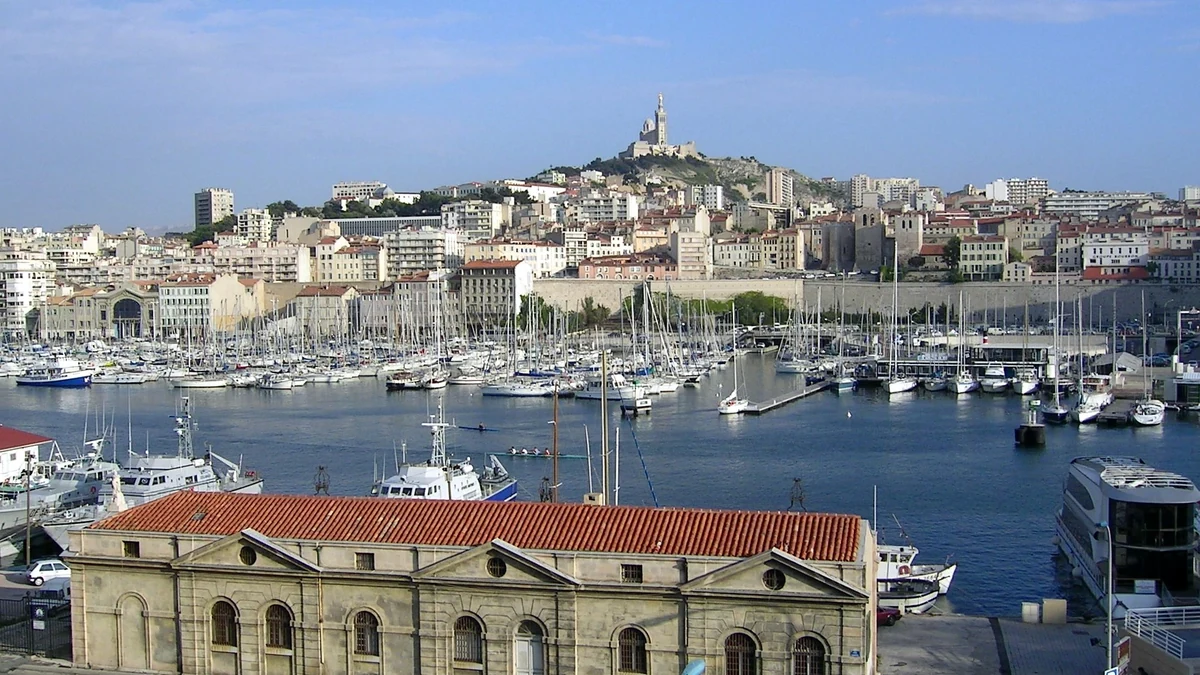
Marseille is a proper working port city: old, busy, maritime, imperfect and far more interesting than passengers sometimes expect from the view at the cruise berth. The Old Port, Le Panier, Notre-Dame de la Garde and the seafront museums give you a strong French city day if you solve the transfer from the cruise terminals first.
CruisePing would treat Marseille through a city-or-Provence lens. The centre is the prize for most first visits, but the port area is large and operational. Get into the city efficiently, then choose between a Marseille day and a Provence day rather than trying to do both.
Marseille Cruise Port at a Glance
| Port name | Marseille Cruise Port |
|---|---|
| Main cruise area | Large cruise and ferry port north-west of the city centre. |
| Cruise region | Mediterranean & Black Sea |
| Country / Territory | France |
| Currency | Euro (EUR) |
| Language | French |
| Disembarkation | Docked |
| Walkability | Low |
| Shuttle required | Sometimes |
| Main transport options | Cruise shuttle, local bus, metro, taxi, organised excursion |
| Best CruisePing plan | Use a shuttle or taxi to the Old Port, then add Le Panier, MuCEM and/or Notre-Dame de la Garde. |
| Main caution | Do not plan to walk from the cruise berth into central Marseille unless your exact berth and route make sense. |
Why Marseille Needs a City-or-Provence Decision
Marseille is France’s great Mediterranean port city, and that matters for cruise passengers because it is not a neat resort stop built around the cruise terminal. It is older, tougher, larger and more layered than many passengers expect. The Old Port, Le Panier, Notre-Dame de la Garde, MuCEM and the seafront give you a rewarding city day, but the cruise berths sit in a large operational port away from the easiest parts of town. The first decision is therefore not which museum to visit. It is how quickly and confidently you can get from berth to city.
The second decision is whether Marseille itself is your destination or whether you are using the port as a gateway to Provence. Aix-en-Provence, Cassis and the Calanques are all plausible in the right circumstances, but they compete with Marseille rather than neatly adding to it. Trying to do Old Port, Notre-Dame de la Garde, Le Panier and a Provence excursion in one cruise call is how the day becomes fragmented.
CruisePing’s preference for a first visit is a Marseille city day. That gives you the best balance of local identity, manageable transfer risk and flexible return timing. Choose Provence if you are strongly drawn to a specific place, if you dislike big city bustle, or if you are booking a well-timed excursion that removes the transport friction. Otherwise, Marseille deserves more credit than it sometimes gets from cruise passengers who see the port road and assume the city is just something to escape.
Weather & Best Times to Visit Marseille
Winter
Typical high: 11–14°C
CruisePing weather note: In Marseille, check wind as well as heat. Mistral conditions can make the harbour front, boat trips and the exposed approaches to Notre-Dame de la Garde less comfortable; on hot summer calls, CruisePing would keep Vieux-Port and Le Panier early and avoid turning the afternoon into a long hilly walking route.
Typical low: 4–7°C
Rain / note: Cooler, sometimes windy; good for city walking if mistral conditions are not awkward.
Spring
Typical high: 16–23°C
Typical low: 8–14°C
Rain / note: One of the best seasons for city sightseeing and Provence excursions.
Summer
Typical high: 27–31°C
Typical low: 18–22°C
Rain / note: Hot, bright and busy; hills and exposed waits need care.
Autumn
Typical high: 18–26°C
Typical low: 10–18°C
Rain / note: Generally useful for cruise calls, with more unsettled weather later in the season.
Weather guide: CruisePing summary based on NASA POWER historical climate information for Marseille / Provence coast. Check the latest forecast.
Where Cruise Ships Dock in Marseille
Cruise ships use Marseille’s large port area rather than a small city-centre quay. Depending on berth and arrangements, passengers may have a shuttle, taxi access or a public-transport option, but the first transfer is the make-or-break detail.
The city becomes much easier once you reach the Old Port area. That is why CruisePing treats Marseille as a transfer-first port: decide how you are getting from ship to centre before choosing attractions.
Getting Around Marseille Independently
For a Marseille city day, the best independent plan is usually shuttle or taxi to the Old Port, then walking, metro, bus or tourist transport from there. The Old Port is the natural hub for Le Panier, MuCEM, Fort Saint-Jean and onward transport up to Notre-Dame de la Garde.
For Aix-en-Provence, Cassis or the Calanques, independent travel can be possible but is less forgiving. Transfers, seasonal crowding and return timing matter more than the map distance suggests.
How to Make Marseille Feel Easier
The key to Marseille is to separate the transfer from the sightseeing. Do not judge the port by the first few minutes after disembarkation. Large-ship berths can feel remote, busy and unromantic; the day improves once you are in or near the Old Port. Use the cruise shuttle, a port shuttle, local transport or taxi according to what is operating on the day, but make the Old Port your practical anchor unless you have booked a specific excursion.
From the Old Port, Marseille becomes much easier to shape. Le Panier works for atmosphere, small streets and a sense of the old city. MuCEM and Fort Saint-Jean work for architecture, sea views and a more polished waterfront experience. Notre-Dame de la Garde gives the best overview of the city but needs a deliberate uphill transfer or organised route; it is not the part to leave until the final hour if you are nervous about timing.
Aix-en-Provence is the better choice if you want a softer, more elegant Provence day with boulevards, markets and cafés. Cassis or the Calanques are more weather-sensitive and can become awkward if boats, road traffic or timing do not align. They are not wrong choices, but they need to be chosen properly. CruisePing would not make them casual DIY add-ons from the cruise berth unless you have checked timings carefully and are comfortable with the return plan.
For many passengers, Marseille’s reputation is the problem. It is not always pretty in a simple way, and it does not offer the frictionless cruise-terminal-to-old-town experience of smaller ports. But it is a real port city with real depth. A successful day here usually means accepting that character rather than trying to turn Marseille into a tidy resort stop.
Best Things to Do from Marseille Cruise Port
Old Port and Le Panier
Best for: Passengers who want the most straightforward Marseille city day.
Best way to do it: Shuttle or taxi to the Old Port, then walk into Le Panier.
Cruise-day caution: Allow time for the return transfer to the ship; do not leave it to the last available bus or taxi.
Notre-Dame de la Garde
Best for: Views over Marseille and a memorable landmark above the city.
Best way to do it: Taxi, tourist road train, bus or excursion depending on mobility and timing.
Cruise-day caution: The hill is the issue; do not assume it is an easy add-on from the Old Port for everyone.
MuCEM and Fort Saint-Jean
Best for: A culture-and-waterfront plan that stays close to the Old Port.
Best way to do it: Walk from the Old Port area once in town.
Cruise-day caution: Check opening days and allow enough time if you want more than exterior views.
Aix-en-Provence
Best for: A softer Provence town day with squares, cafés and historic streets.
Best way to do it: Organised excursion or carefully timed independent transport.
Cruise-day caution: Good choice for Provence flavour, but it competes with seeing Marseille itself.
Cassis or the Calanques
Best for: Scenery, cliffs and sea views outside the city.
Best way to do it: Organised excursion or private transfer; boat trips depend on weather and schedules.
Cruise-day caution: This is not the option to improvise if your ship has a short call.
CruisePing Recommended Port Day
For a first visit, CruisePing would choose Marseille itself rather than using the call only as a springboard to Provence. Get to the Old Port, explore Le Panier, add MuCEM or Fort Saint-Jean, then use a taxi, tourist transport or excursion element for Notre-Dame de la Garde if the viewpoint matters to you.
Choose Aix, Cassis or the Calanques only when those are the real reason you booked the itinerary. They can be excellent, but they turn the day into a transfer-managed excursion rather than a simple Marseille visit.
Three Marseille Port-Day Plans That Actually Work
The CruisePing first-time plan
Transfer to the Old Port, walk Le Panier, include MuCEM and Fort Saint-Jean, then decide whether Notre-Dame de la Garde is realistic for your time and energy. This is the strongest general plan because it gives you Marseille itself without overcommitting to transport beyond the city.
The Provence escape plan
Book Aix-en-Provence, Cassis or a Calanques-focused excursion if that is the reason you chose the cruise. This plan works best as a structured tour or private transfer, not as a late improvisation after you have already spent the morning in Marseille.
The low-effort waterfront plan
If the ship has a short call or you want to keep the day gentle, stay around the Old Port, MuCEM and Fort Saint-Jean. You will miss some of the classic viewpoints, but you reduce transfer stress and still get a distinctive Marseille day.
DIY or Organised Excursion?
DIY works for central Marseille once the first transfer is sorted. The Old Port, Le Panier and waterfront attractions are a good independent plan for confident travellers.
Organised excursions make more sense for Aix-en-Provence, Cassis, the Calanques or a mixed Provence itinerary. CruisePing’s preference is DIY for Marseille city, organised or private transport for anything that depends on road transfers outside the centre.
Timing and Return-to-Ship Judgement in Marseille
Marseille needs more return margin than a compact old-town port because the cruise terminals are not sitting beside the main visitor zone. Even when the transfer works smoothly, the distance changes the psychology of the day. You need to know whether your final move back to the ship is shuttle, taxi, local transport or organised coach, and you should decide that before the afternoon slips away.
For a city day, CruisePing would front-load the move into Marseille and keep the afternoon flexible. Get to the Old Port early enough to make the city feel worthwhile, then use the central area in a way that keeps you close to return options. If you want Notre-Dame de la Garde, do it as a deliberate mid-day move, not as a last-minute scramble. If you want MuCEM and Fort Saint-Jean, they are easier to manage because they sit close to the waterfront and combine well with the Old Port.
For Provence, the return issue is even more important. Aix-en-Provence is relatively straightforward when transport is structured, but Cassis and the Calanques can be affected by roads, boat operations, weather and seasonal crowds. That is why CruisePing leans towards organised or private arrangements for these choices. You are not paying only for commentary; you are paying to remove the weakest part of the cruise-day plan.
Marseille also rewards a realistic attitude to comfort. Hot weather, port transfer queues and city traffic can make a theoretically simple day feel harder. If you are travelling with someone who dislikes uncertain transfers, choose a ship excursion, taxi-based plan or Old Port / MuCEM day rather than a public-transport puzzle. If you are confident independently, Marseille can be excellent value, but the value comes from a clean plan, not from pretending the berth is in the centre.
Best Use of a Short or Long Marseille Call
On a short Marseille call, CruisePing would avoid Provence and concentrate on the Old Port, MuCEM, Fort Saint-Jean and perhaps a short look into Le Panier. This gives you a real Marseille day without the stress of distant transfers. It is better to come away with a clear feel for the city than to spend the day calculating whether the return traffic from somewhere prettier will behave.
On a longer call, Notre-Dame de la Garde becomes the most worthwhile extra because it changes how you see the city. The view connects the port, the sea, the islands, the old districts and the scale of Marseille. Add it before you become tired, then return to the Old Port area for the final part of the day. Aix-en-Provence or Cassis should still be chosen as alternatives to Marseille, not as a casual extension after it.
If your ship offers an included shuttle, use it intelligently. It can make the day much easier, but it may also create queues at popular return times. Do not assume the final shuttle will be quiet. Aim to be back at the shuttle point before the nervous rush begins, especially if several ships are in port or if the weather has made everyone leave the city at once.
Port-Day Pitfalls and Value Hacks
- Do not underestimate the scale of Marseille’s port; the berth is not the Old Port.
- Check shuttle details before leaving the ship, including the last return time and drop-off point.
- Use the Old Port as your planning anchor; it keeps the day coherent.
- If Notre-Dame de la Garde is non-negotiable, solve the uphill transfer rather than assuming everyone can walk it comfortably.
Marseille Cruise Port Checklist
- Confirm whether your cruise line provides a shuttle to the city.
- Choose either Marseille city or a Provence excursion before leaving the ship.
- Carry a charged phone for maps and return transport.
- Use normal city precautions around crowded transport and busy tourist areas.
- Keep a clear return plan from the Old Port area to the cruise terminal.
Useful Official Links for Marseille
- Marseille Fos Port
- RTM public transport
- Marseille official tourism
- Notre-Dame de la Garde
- Météo-France Marseille forecast
Who Marseille Suits Best
Marseille suits passengers who enjoy real cities, street life, sea views and a little urban roughness alongside major sights. It is less well suited to anyone who wants a polished resort-port experience or who becomes anxious when the first transfer is not obvious. If you are comfortable solving the berth-to-centre move, Marseille is far more rewarding than a quick glance from the terminal suggests.
Passengers with limited mobility should pay close attention to the chosen plan. The Old Port and waterfront can be manageable, but Le Panier involves slopes and older streets, while Notre-Dame de la Garde is a viewpoint that needs transport. A private transfer or ship excursion can be worthwhile here not because Marseille is impossible independently, but because it removes the least enjoyable part of the day.
FAQ
Can you walk from Marseille Cruise Port to the Old Port?
For most cruise passengers, walking from the main cruise berths to the Old Port is not the sensible plan. Use a shuttle, taxi or current public-transport option instead.
Is Marseille worth visiting from a cruise ship?
Yes, if you approach it as a real port city rather than expecting a polished resort. The Old Port, Le Panier, MuCEM and Notre-Dame de la Garde make a strong day.
Should I go to Aix-en-Provence instead of Marseille?
Choose Aix if you specifically want a Provence town day. Choose Marseille if you want the most efficient use of the port call with less road time.
What is the best DIY plan in Marseille?
CruisePing would start at the Old Port, walk Le Panier, add MuCEM or Fort Saint-Jean, then decide whether Notre-Dame de la Garde is worth the uphill transfer.
CruisePing Port Verdict
Marseille is best when you respect the first transfer and keep the day focused. CruisePing would make it a city day for most first-time visitors, using organised transport only when the real aim is Provence, Cassis or the Calanques.
Ready to browse our article library?
Looking beyond Marseille? Explore more ports in the Mediterranean region, or narrow it to France in particular. For cruise comparisons, planning shortcuts and value guides, head over to our main article archive.