
Rome cruise port is really Civitavecchia, a working harbour on the coast some distance from the city passengers have come to see. The day is not difficult because Rome lacks transport; it is difficult because the first and last hours belong to the transfer.
A good Rome-from-Civitavecchia plan starts with a blunt choice. Either pay for a controlled transfer and spend your energy on Rome, or use the train with enough discipline to leave the city earlier than your sightseeing instincts want. The weaker plan is to assume you can drift from Colosseum to Vatican to Trevi to lunch to shopping and still glide back to the ship without pressure.
Rome Cruise Port (Civitavecchia) at a Glance
| Port name | Rome Cruise Port (Civitavecchia) |
|---|---|
| Main cruise area | Civitavecchia cruise docks and Largo della Pace service area |
| Cruise region | Mediterranean & Black Sea |
| Country / Territory | Italy |
| Currency | Euro (EUR) |
| Language | Italian |
| Disembarkation | Docked |
| Typical berth | Cruise ships dock inside the Port of Civitavecchia; port shuttles connect cruise docks with the passenger service areas |
| Walkability | Low for Rome: Civitavecchia town is local, but Rome requires train, coach or private transfer |
| Shuttle required | Yes for most passengers moving inside the port area before reaching town or station links |
| Main transport options | Port shuttle, train, taxi, private transfer and organised excursion |
| Best DIY option | Port shuttle or station bus to Civitavecchia station, train to Rome, then one focused Rome route |
| Main caution | The return journey is the day: build a large buffer before all-aboard |
Weather & Best Times to Visit Rome (Civitavecchia)
January to March
Typical high: 12–17°C
Typical low: 5–9°C
Rain / note: Cooler and wetter; comfortable for Rome walking if showers are planned around.
April to June
Typical high: 18–29°C
Typical low: 10–19°C
Rain / note: Good to warm; strong sightseeing months, but queues and sun exposure build quickly.
July to September
Typical high: 28–32°C
Typical low: 20–22°C
Rain / note: Hot; the Roman Forum, Colosseum approaches and Vatican queues can feel exposed by midday.
October to December
Typical high: 13–24°C
Typical low: 7–16°C
Rain / note: Often pleasant in early autumn, with cooler and wetter conditions later in the season.
Weather guide: CruisePing summary based on NASA POWER climate data for the Civitavecchia and Rome area. Check the latest forecast.
Heat matters most in Rome around the Colosseum, Roman Forum and the long open approaches to major sights. On summer calls, CruisePing would put outdoor ancient Rome first or choose a Vatican-focused day, then use taxis or metro selectively rather than saving every euro at the cost of exhaustion.
Where Cruise Ships Dock in Civitavecchia
Cruise ships use the Port of Civitavecchia, not a river berth in Rome. Port Mobility describes cruise-shuttle services connecting the cruise ship docks with Largo della Pace Service Center, and the same local source explains the onward options towards Civitavecchia railway station.
That means the passenger’s first leg is inside or just outside the port before Rome even enters the plan. You may step off a modern cruise terminal, but you are still on the coast. Civitavecchia town, Fort Michelangelo and the waterfront are useful local options; the Colosseum, Vatican, Pantheon and Trevi Fountain are a separate transport project.
Civitavecchia is also a major departure and turnaround port. Passengers joining a ship may be travelling from Rome airports, a Rome hotel or a Civitavecchia hotel. Day-call passengers are trying to extract a Rome day from a coastal call. The advice is different for each, but the same principle holds: do not ignore the port-to-station or port-to-Rome leg.
Transfer Time Reality Check: Civitavecchia to Rome
The official Port Mobility guidance gives two practical ways from the port area to Civitavecchia railway station: walking from the appropriate port exit or using the special bus service for cruise passengers. It also states that trains run from Civitavecchia towards Rome at regular intervals. Exact times change, so use Trenitalia for the day you sail, but the planning burden is stable: ship to port exit, port exit or shuttle to station, train to Rome, then onward movement inside the city.
A realistic DIY passenger should think door to door, not only station to station. The train leg may be around an hour on many services, but that is not the full transfer. Add time to leave the ship, reach the shuttle or port exit, reach Civitavecchia station, buy or validate the correct ticket if needed, wait for the train, arrive at the chosen Rome station and then reach your first sight.
Rome has several useful railway arrival choices. Roma San Pietro works well for the Vatican side. Roma Termini connects with the metro and wider city transport. Roma Ostiense or other stops may suit some routes, depending on the service. Do not copy someone else’s station choice without checking which Rome plan you are actually following.
DIY train route
Best for: Confident independent passengers on a long port call who are comfortable with Italian rail and a fixed return target.
Typical timing: Treat this as a multi-leg journey: ship to port shuttle or exit, Civitavecchia station, around an hour on the train on many services, then a Rome-side transfer to the first sight.
CruisePing view: Good value, but only with a conservative return train and no overloaded sightseeing list.
Cruise-line Rome transfer
Best for: First-time visitors who want Rome time without managing the rail connection from Civitavecchia.
Typical timing: Coach journey times depend on traffic, but the structure removes the port-to-station problem and usually gives a defined Rome meeting point.
CruisePing view: Often worth the premium for cautious travellers or shorter calls. It buys simplicity, not extra hours.
Private transfer or small-group tour
Best for: Families, small groups, mobility-limited passengers and anyone trying to combine sights across the city.
Typical timing: Can reduce friction between Civitavecchia and Rome, but traffic still controls parts of the day.
CruisePing view: Best when the itinerary is tightly focused and the return-to-ship time is contractually clear.
Local Civitavecchia day
Best for: Repeat Rome visitors, short calls, hot days or passengers who do not want the transfer.
Typical timing: Port shuttle, local walk, waterfront, Fort Michelangelo area and a relaxed return.
CruisePing view: Not the glamour option, but much lower risk and perfectly sensible when Rome would become rushed.
Choosing the Right Rome Day Plan
Rome is too large and too layered for a greatest-hits sprint to feel satisfying from a cruise ship. The sensible approach is to pick a side of the city or a theme. Ancient Rome, Vatican Rome, central piazzas, or a guided overview can all work. Trying to make all of them equal usually produces a day of queues and taxis.
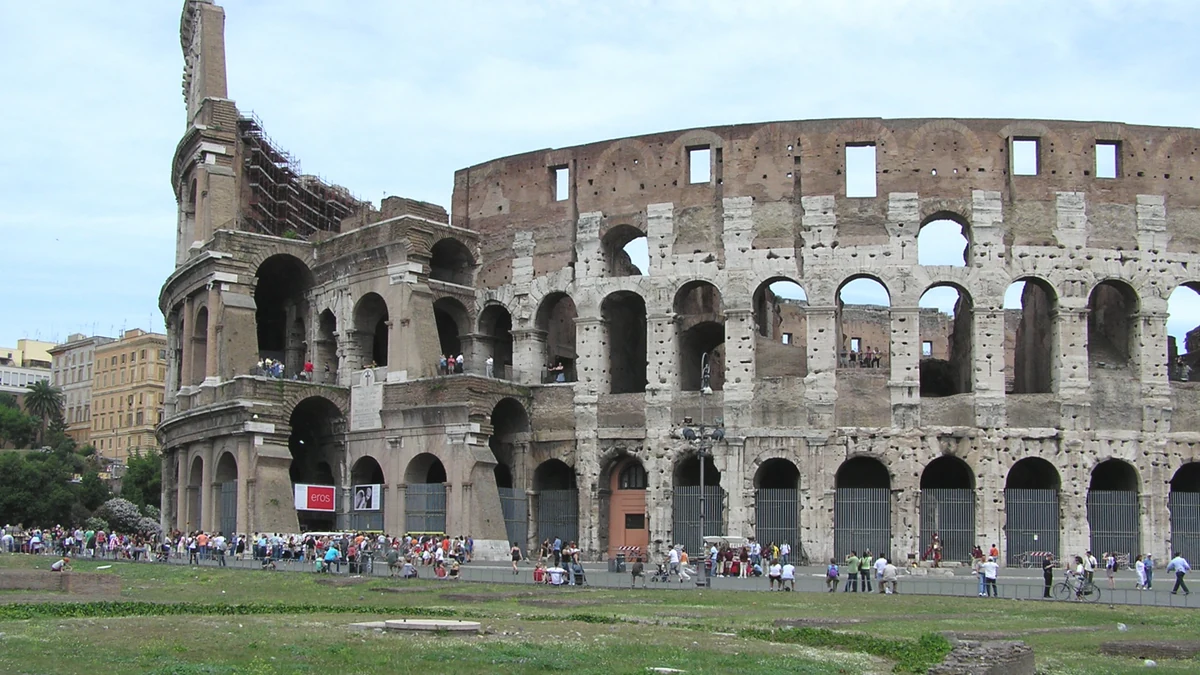
A Colosseum and Roman Forum day is the clearest ancient-Rome plan. The official Colosseum Archaeological Park site is the proper place to check visitor information and tickets, and this plan pairs naturally with a walk towards Piazza Venezia, the Pantheon or a shorter central route if time remains. It is exposed in summer, so start early and do not assume the Forum is a quick shaded detour.
A Vatican-focused day works best if St Peter’s, the Vatican Museums or the Sistine Chapel are your true priority. The Vatican side can be efficient by train if you use Roma San Pietro for St Peter’s, but the Museums require their own timed-entry discipline and walking. Combining Vatican Museums, Colosseum interiors and several central landmarks is too much for many cruise calls.
A central Rome walk can be more enjoyable for passengers who want atmosphere over ticketed interiors. Trevi Fountain, Pantheon, Piazza Navona, Campo de’ Fiori and the Spanish Steps can form a good walking route if you arrive in the right part of the city and keep it moving. The trade-off is that crowds can be heavy and the route is still a proper walk, not a gentle stroll.
For many first-time passengers, a cruise-line “Rome on your own” transfer is the compromise. You get a controlled bus in and out, then choose one focused route inside Rome. It is not as cheap as the train, and it may not drop you exactly where you want, but it reduces the most stressful part of the day.
Best Cruise-Compatible Things to Do from Rome Cruise Port
Colosseum and Roman Forum
Best for: First-time visitors who want ancient Rome as the centre of the day.
Best way: Cruise-line transfer, private tour or DIY train with timed official tickets and a clear return train.
Watch: Heat, security, ticket windows and the exposed Forum. Do not combine this with a full Vatican Museums visit on a short call.
St Peter’s Basilica and Vatican area
Best for: Passengers who want the Vatican side of Rome rather than ancient Rome.
Best way: Train to Roma San Pietro for confident DIY passengers, or transfer/tour for a simpler structure.
Watch: Queues, dress expectations, security and the distance to the Vatican Museums if adding them.
Vatican Museums and Sistine Chapel
Best for: Art-focused passengers who are comfortable spending much of the Rome day in one major museum complex.
Best way: Official timed ticket, guided tour or cruise excursion.
Watch: This can dominate the day. Do not expect to add a relaxed Colosseum interior visit as well.
Pantheon, Piazza Navona and central Rome walk
Best for: A lower-ticket-pressure Rome route with famous squares and streets.
Best way: Transfer into central Rome, then walk a planned route with taxi or metro help where useful.
Watch: Crowds around the Pantheon and Trevi area. Keep the walk compact and know how you will return to the meeting point or station.
Trevi Fountain and Spanish Steps
Best for: Passengers wanting recognisable Rome sights without committing to a long museum visit.
Best way: As part of a central walking route, not as isolated photo stops scattered across the city.
Watch: Heavy crowding can slow the route. Leave space rather than planning every minute.
Civitavecchia local day
Best for: Short calls, repeat Rome visitors, hot days, reduced mobility or passengers avoiding transfer risk.
Best way: Use port shuttles, local waterfront walking and a relaxed café or town route.
Watch: It is not a substitute for Rome, but it is a far calmer cruise day.
CruisePing Recommended Port Day
For first-time visitors with a long call, CruisePing would choose either a cruise-line Rome transfer with independent sightseeing, or a disciplined DIY train day focused on one Rome theme. The train can be excellent value, but the return buffer has to be treated as part of the attraction, not an administrative detail.
The best DIY version is not “Rome in a day”. It is Civitavecchia station, train to the most useful Rome station, one anchor such as the Colosseum or Vatican area, a short supporting walk, and an earlier return train than feels emotionally satisfying. That last point matters: the final train you think you can make is not the one you should plan around.
For a cautious first visit, a Rome transfer or organised excursion is often the better buy. It does not make the journey short, but it removes several failure points: station access, ticketing, route choice, train selection and meeting-point anxiety. Passengers who rarely use European trains should not feel they have failed by paying for simplicity here.
If the call is short, very hot, or you have already seen Rome, stay local or choose a light-transfer plan. Civitavecchia will not compete with Rome for drama, but it lets you enjoy the day without spending the best hours watching clocks and platforms.
DIY or Organised Excursion for Rome?
DIY is best for confident travellers who can read a timetable, manage Italian stations and leave Rome early enough. It is also best for passengers who have a focused plan: Colosseum area only, Vatican side only, or central Rome walking only. If your plan contains all three, the problem is not the train; the problem is the plan.
A cruise-line transfer is strongest when you want Rome but not the station choreography. Many passengers undervalue this. The transfer may cost more, and traffic can still slow the day, but you gain a known departure point, a clear return arrangement and fewer moving parts at the edges of the day.
A guided tour earns its keep when timed entries and city movement matter. Colosseum plus Roman Forum, Vatican Museums plus St Peter’s, or a mixed highlights route all benefit from someone else controlling the order. The key is to choose a tour designed for cruise timing, not a general Rome day tour that assumes you are staying in the city.
Private transfer is attractive for groups and mobility-limited passengers, but it must include a conservative return promise. Rome traffic is not a detail. Ask where the vehicle can actually drop and collect you, because pedestrian zones and monument security can make the final walk longer than expected.
Rome-from-Civitavecchia Pitfalls and Value Hacks
The most expensive mistake is not choosing DIY or organised. It is underestimating the number of legs between the gangway and your first Roman sight. Fix that and the rest of the plan becomes much calmer.
- Count the whole route: ship, port shuttle or exit, Civitavecchia station, train, Rome station, then the first attraction.
- Use Roma San Pietro for Vatican-focused plans where the train service fits; do not default automatically to Termini.
- Book official timed tickets for the Colosseum or Vatican Museums if those interiors are essential.
- Avoid pairing Vatican Museums and Colosseum interiors unless your call is long and the transport plan is controlled.
- Choose the return train or transfer time before deciding what to do after lunch.
- In summer, put outdoor ancient Rome earlier and keep water, shade and realistic walking limits in mind.
- For embarkation or disembarkation, do not drag luggage into a sightseeing plan unless storage is already solved.
Rome Cruise Port Checklist
- Check whether your ship docks in Civitavecchia as a day call or as part of embarkation/disembarkation.
- Decide whether your Rome day is ancient Rome, Vatican Rome, central Rome, or local Civitavecchia.
- If travelling independently, check the same-day Trenitalia timetable in both directions before leaving the ship.
- Allow time for the port shuttle or route from the cruise dock to Civitavecchia station.
- Book official timed entries for the Colosseum, Vatican Museums or other major interiors before relying on them.
- Plan the return train, coach or private transfer before adding lunch or extra sights.
- Keep a larger return buffer than you would for a normal city break; the ship will not wait for a clever itinerary.
Useful Official Links for Rome / Civitavecchia
These official and locally authoritative links are useful when the Rome day depends on shuttles, trains, timed entries and the return to Civitavecchia.
- Port Mobility Civitavecchia cruise shuttle information
- Port Mobility guide to Civitavecchia train station
- Trenitalia official journey planner
- Colosseum Archaeological Park official visitor information
- Vatican Museums official ticket portal
- Turismo Roma official visitor information
Rome Cruise Port FAQs
Is Rome cruise port actually in Rome?
No. Cruise ships use Civitavecchia on the coast. Rome is reached by train, coach, taxi, private transfer or organised excursion.
Can you do Rome by train from Civitavecchia cruise port?
Yes, confident independent passengers often use the train, but the full route includes the port shuttle or walk to station access, the train journey, Rome-side transport and a conservative return buffer.
Is the Colosseum possible from a cruise ship?
Yes, but it should be the anchor of the day with official timed tickets or a guided excursion. Do not combine it casually with a full Vatican Museums visit unless the call is long and the logistics are controlled.
Should first-time visitors book a cruise-line transfer to Rome?
Many should consider it. The train is better value, but a cruise-line transfer removes several timing and station risks, especially for short calls or passengers who do not enjoy independent rail travel.
What is the safest fallback if Rome feels too rushed?
Stay local in Civitavecchia or choose a lighter Rome route with one main target. A calm Civitavecchia day is better than a Rome plan that spends the afternoon worrying about the return.
CruisePing Port Verdict
Rome Cruise Port is one of the great European gateway calls, but Civitavecchia makes passengers earn it. The reward is Rome; the cost is transfer discipline. You cannot remove that cost, only decide whether to manage it yourself or pay someone else to manage it for you.
CruisePing would use the train for confident DIY travellers on a long call and a narrow Rome plan. For first-timers who want less stress, a cruise-line transfer or cruise-aware guided tour is often better value than it first appears. Either way, choose one Rome story and return early enough to enjoy the sailaway rather than sprinting for it.
Ready to browse our article library?
Looking beyond Civitavecchia? Explore more ports in the Mediterranean region, or narrow it to Italy in particular. For cruise comparisons, planning shortcuts and value guides, head over to our main article archive.