
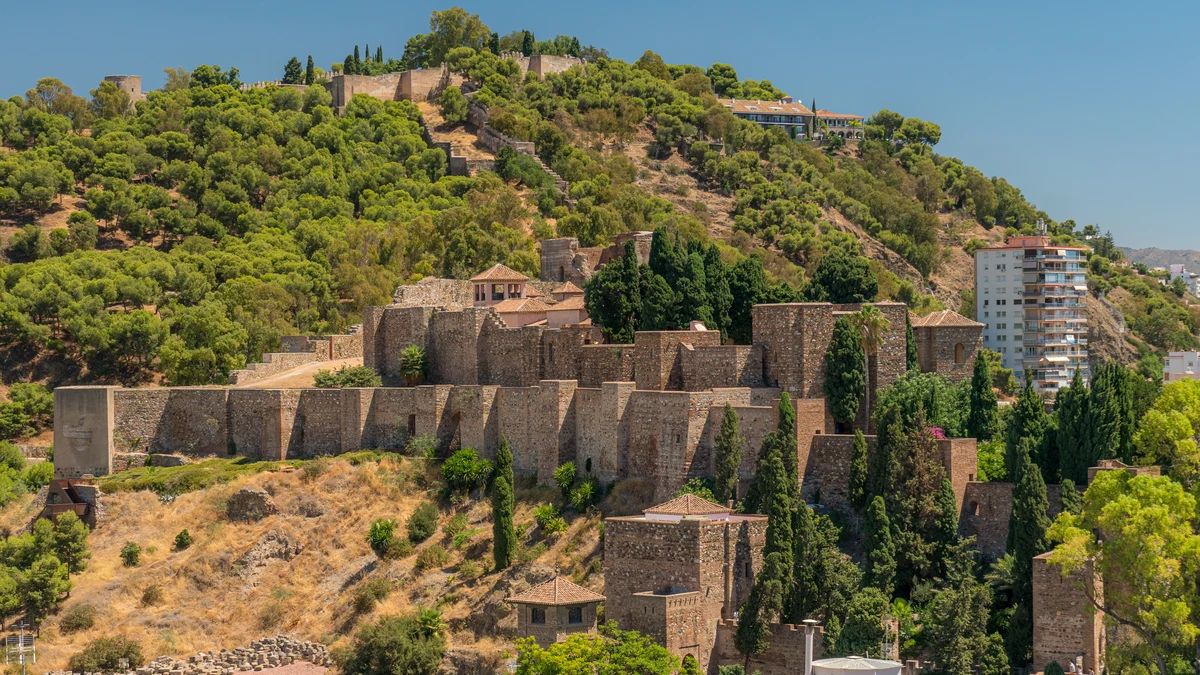
Malaga Cruise Port is one of the more satisfying Mediterranean city calls because the main visitor area is close enough to make independent sightseeing realistic. Malaga is not just a beach-and-port stop; the old town, Alcazaba, Roman Theatre, Cathedral and Picasso Museum sit in a compact city core that works well for a cruise day. The important detail is the berth. Malaga Cruise Port identifies several terminal areas, with Terminals A and B on Levante Pier handling larger ships and the Palmeral terminal closer to the centre. That means the same city can feel like a walkable call, a shuttle-assisted call or a short-taxi call depending on where your ship docks.
Malaga Cruise Port at a Glance
| Port name | Malaga Cruise Port |
|---|---|
| Main cruise area | Málaga cruise terminals on the eastern port side, with Palmeral de las Sorpresas closer to the centre and Levante terminals farther out |
| Cruise region | Mediterranean |
| Country / Territory | Spain |
| Currency | Euro (EUR) |
| Language | Spanish |
| Disembarkation | Docked |
| Typical berth | Usually docked; larger ships commonly use Terminals A or B on Levante Pier, while smaller calls may use the Palmeral area |
| Walkability | Medium |
| Shuttle required | Sometimes |
| Main transport options | Walking Route, Cruise Shuttle, Local Bus, Train, Taxi, Organised Excursion |
| Best DIY option | Old town, Cathedral, Roman Theatre, Alcazaba and Picasso Museum area |
| Main caution | Do not combine every city sight with a long Granada or inland excursion unless the call is long and transport is controlled |
Weather & Best Times to Visit Malaga
January to March
Typical high: 16–20°C
Typical low: 8–12°C
Rain / note: Mild, with cooler mornings and occasional rain; good for old-town walking and hillier sights.
April to June
Typical high: 21–28°C
Typical low: 12–18°C
Rain / note: Warm and comfortable for the Alcazaba, Cathedral area and city walking before peak heat.
July to September
Typical high: 29–32°C
Typical low: 20–23°C
Rain / note: Hot and bright; climb or fortress plans are better early, with shade and water built in.
October to December
Typical high: 18–25°C
Typical low: 10–17°C
Rain / note: Often pleasant for city sightseeing, though autumn rain can interrupt longer walking routes.
Weather guide: CruisePing summary based on NASA POWER climate data for the Malaga city and port area. Check the latest forecast.
Summer heat changes the order of the day. The Alcazaba and Gibralfaro area are far more comfortable before the strongest afternoon sun, while museums, shaded old-town streets and Muelle Uno make better later-day choices. Rain is less of a routine cruise-season problem than heat and exposure.
Where Cruise Ships Dock in Malaga
Malaga’s cruise operation is spread across a port area rather than squeezed into one small quay. Official cruise-port information describes Terminals A and B on Levante Pier for larger vessels, with the Palmeral terminal closer to the city. For passengers, this affects the first and last mile more than the rest of the day.
If your ship uses the Palmeral area, the old town and Muelle Uno feel close and the day can be almost walk-off. If your ship is at Levante, a shuttle, port bus or taxi may be a better start, particularly in hot weather or with limited mobility. The centre is still the target; the question is how much energy you want to spend reaching it.
Malaga Transfer and Turnaround Notes
Malaga is not only a day-call port. Some passengers use it as a departure, arrival or cruise-and-stay gateway for the Costa del Sol. Malaga Cruise Port’s own transport guidance and Renfe suburban rail information make the airport link one of the practical strengths of the city: the airport, Málaga-María Zambrano and Málaga Centro-Alameda are connected by the C1 rail corridor, while official city transport also points passengers towards airport bus and taxi options.
For a day call, that matters mainly if you are tempted to go farther inland. For a turnaround, it matters for luggage and timing. Do not use a day-call sightseeing plan as if you had no bags and no boarding window. If you are embarking in Malaga, keep the morning simpler: hotel, taxi, port, and only then a light old-town walk if time allows.
Getting Around Malaga Independently
For most cruise passengers, Malaga’s best independent day starts by getting to the old town cleanly. From there, walking is the main method. The Cathedral, Roman Theatre, Alcazaba, Picasso Museum and central streets sit close enough together that taxis between them make little sense.
The exception is Gibralfaro. The viewpoint and castle area involve more height, and in July or August that climb can become the hardest part of the day. A taxi up and a walk down can be a better-value use of energy than trying to prove the whole day can be done on foot.
Best Cruise-Compatible Things to Do from Malaga Cruise Port
Alcazaba and Roman Theatre
Best for: The strongest historic pairing close to the old town.
Best way: Taxi/shuttle into the centre, then walk; fit the Roman Theatre and Alcazaba together.
Watch: Summer heat and uphill sections make this better early than late.
Malaga Cathedral and old town lanes
Best for: A classic low-risk city plan with cafés, shops and cultural stops.
Best way: Walk from the central drop-off or from a closer berth if your ship uses the Palmeral area.
Watch: Do not underestimate time lost wandering if you also want museums.
Picasso Museum Malaga
Best for: Art-focused passengers and a weather-proof city anchor.
Best way: Pre-check opening and ticket information, then combine with the Cathedral/Alcazaba quarter.
Watch: Timed or busy periods can make a casual museum add-on less simple.
Gibralfaro viewpoint
Best for: Views over the port and city for passengers comfortable with a climb or short taxi.
Best way: Taxi up and walk down, or climb only if heat and mobility allow.
Watch: The hill is more effort than it looks on a warm cruise day.
Muelle Uno and port promenade
Best for: An easy arrival or end-of-day buffer near the cruise area.
Best way: Use it as a soft finish after the old town or as a lower-energy plan.
Watch: It is pleasant but should not replace the old town if this is your first Malaga call.
Granada or Córdoba excursions
Best for: Big-name Andalusian day trips for passengers who have already seen Malaga or strongly prefer inland monuments.
Best way: Cruise-line or organised excursion only for most passengers.
Watch: Long road time and ticketing make these poor casual DIY choices from a normal cruise call.
CruisePing Recommended Port Day
The best first-time Malaga cruise day is a city plan, not a long-distance Andalusia sampler. Go into the old town, build the day around the Alcazaba/Roman Theatre/Cathedral area, add the Picasso Museum if it genuinely interests you, and leave time for Muelle Uno or a shaded café stop before returning to the ship.
Granada, Córdoba and other inland choices can be excellent in their own right, but they change the day from a relaxed city call into a transport-and-ticketing exercise. CruisePing would save them for a land trip or choose a cruise-line/organised excursion if one of those places is non-negotiable.
How to Shape a Malaga City Route
Start with the sight that will punish delay. In warm weather that usually means the Alcazaba and Roman Theatre area. From there, move into the Cathedral quarter and old-town lanes. If you want the Picasso Museum, book or check entry before treating it as a casual add-on. The museum is close to the historic core, so it is a good cultural anchor on a rainy or very hot day.
A good route does not need to be heroic. From the port or shuttle drop-off, aim for Alcazaba/Roman Theatre, Cathedral exterior or visit, old town, Picasso Museum if chosen, then Muelle Uno or the waterfront on the way back. Add Gibralfaro only if you specifically want the view and are comfortable with the heat or have arranged transport up.
The easiest way to make Malaga feel rushed is to start with a vague list: Alcazaba, Cathedral, Picasso Museum, Gibralfaro, beach, market, Muelle Uno and maybe Granada. The city is compact, but not magically time-free. A better cruise route has one historical anchor, one cultural or food stop, and one soft finish near the port side of the centre.
If your ship docks farther out on Levante Pier, spend money or shuttle time early rather than losing the best part of the morning on a hot port approach. Once you are in the centre, the Alcazaba and Roman Theatre area should usually come first. This is the part of Malaga where heat, steps and exposure can reduce enjoyment if you leave it until later. The Cathedral quarter and old-town lanes are easier to soften with shade, cafés and shorter pauses.
The Picasso Museum is worth adding when art is genuinely part of your day, not because it appears on every Malaga list. It sits close to the Cathedral and Alcazaba area, so it combines well, but museums consume time differently from viewpoints. A passenger who wants to absorb the museum should remove something else rather than pretending it is a quick tick-box.
Gibralfaro is the sight to handle carefully. The view over Malaga and the port can be excellent, but the climb can dominate the day in summer. A taxi up and a walk down is often a more sensible shape than walking up, arriving hot, and then still trying to cover the old town. If mobility is limited, take the view by taxi or skip it without regret; central Malaga has enough content at street level.
Inland excursions need a different mindset. Granada, the Alhambra and Córdoba are not minor detours from the cruise terminal. They are destination days with ticketing, road time and return pressure. If you choose one, choose it honestly and use a structured excursion. If you want Malaga, stay in Malaga and do it properly.
Turnaround passengers should be even more conservative. Malaga is a useful embarkation and disembarkation city because of its airport and rail connections, but luggage changes the day. Store bags or move to the port first, then allow only the sightseeing that fits cleanly around boarding or onward travel. A simple old-town lunch can be a better pre-sail plan than a sweaty attempt at every monument.
For passengers with limited mobility, the most comfortable version is taxi or shuttle to the old-town edge, a compact route around the Cathedral/Picasso/Alcazaba exterior area, then a gentle return through Muelle Uno. Malaga gives you options, but the best value comes from choosing the options that suit your energy rather than the ones that fill the longest list.
Malaga’s port-side promenade is useful because it gives the day a gentle edge. Muelle Uno, the waterfront and the port approach are not the reason to choose Malaga, but they are excellent places to absorb spare time. That matters on a cruise call. A plan that ends near the port gives you a calm final hour instead of a long late transfer from the wrong side of the city.
The old town also works well for mixed-interest groups. One person may care most about the Cathedral, another about Picasso, another about food and shopping. Because the main area is compact, the group can split briefly or compromise without losing the day. That is harder on excursion-style ports where everyone has to accept the same coach schedule.
Passengers who want beach time should be realistic. Malaga has beach options, but a beach add-on after Alcazaba, Cathedral, museum and Gibralfaro is often too much. If beach time is a priority, reduce the city route and choose a beach plan early. If culture is the priority, keep beach ambitions to a brief seafront walk or skip them entirely.
For photography, the order also matters. Morning light and cooler temperatures favour the Alcazaba and hillier viewpoints, while the old-town streets and waterfront can be more forgiving later. Do not spend the first hour shopping if the day’s hardest walking is still ahead.
Malaga is one of those ports where a modest plan can feel richer than an overloaded one. Alcazaba, Roman Theatre, Cathedral quarter, a museum or market stop and a relaxed waterfront return is already a full cruise day. Add more only when it improves the day, not because the city happens to offer it.
There is also a difference between seeing Malaga and using Malaga well. A passenger who only walks the shopping streets may leave thinking the port was pleasant but ordinary. A passenger who starts with the Alcazaba and Roman Theatre, understands how close the Cathedral and Picasso quarter are, and then finishes near the water gets a much stronger sense of the city’s layers. That route uses the port’s geography rather than fighting it.
If you are travelling with someone who dislikes heat or hills, split the plan into hard and soft parts. The hard part is the Alcazaba/Gibralfaro decision. The soft part is old-town wandering, museum time, food and the waterfront. Do the hard part first or drop it. Do not keep it hanging over the day until everyone is tired.
Cruise passengers sometimes ask whether Malaga is “just a transfer port” for Granada. It can be used that way, but that undersells Malaga. The city is one of the better Mediterranean calls for a self-guided historic centre because the main sights sit close together and the return to the ship can be kept simple. Granada is a separate prize, not proof that Malaga itself is weak.
If you want a quieter Malaga, look for rhythm rather than another landmark. Move through the old town early, pause near the Cathedral or museum quarter, and let the waterfront bring the day back towards the ship. The city rewards passengers who leave enough space to enjoy it rather than treating the port as a race between attractions.
When cruise lines sell Malaga excursions, compare the actual time on the ground with the travel involved. A short panoramic drive may add little if you are already comfortable going into the centre. A specialist guide for the Alcazaba or a properly managed inland tour has clearer value.
One final Malaga judgement: protect the first hour and the last hour. Use the first hour to get to the right part of the city quickly, and use the last hour to drift back through the waterfront side rather than leaving yourself dependent on a late cross-city move. That simple shape is what makes Malaga feel easy.
Keep the route calm and Malaga gives back more than a rushed inland day.
The best Malaga plans feel unforced, with enough slack for shade and a slow return.
That is the Malaga sweet spot.
DIY or Organised Excursion?
Malaga itself is a strong DIY port. The main sights are close, transport into the centre is simple compared with many Mediterranean calls, and the city rewards a flexible pace. A guide can add context to the Alcazaba, Roman Theatre and historic centre, but you do not need a full cruise excursion simply to see central Malaga.
Organised excursions become more persuasive for Granada, the Alhambra, Córdoba or wider Andalusian routes. Those trips involve long road time, ticket constraints and less room for delay. If your goal is Malaga, stay independent. If your goal is a major inland monument, buy structure and protect the return.
Malaga Port-Day Pitfalls and Value Tips
- Check whether your ship is using Levante Pier or the closer Palmeral area before assuming a walk-off day.
- Do the Alcazaba or Gibralfaro early in hot weather.
- Do not let a taxi tour talk you out of the compact old town if that is your first visit.
- For the Picasso Museum, check the official visitor information rather than relying on old opening-time summaries.
- Use Muelle Uno as a useful return buffer, not as the whole day unless you want a very low-energy call.
Malaga Cruise Port Checklist
- Confirm your berth area or shuttle arrangement before planning the walking distance.
- Choose either a central Malaga day or an inland excursion; do not try to make both feel relaxed.
- Put Alcazaba, Roman Theatre and Cathedral area before lunch in summer.
- Use a taxi for Gibralfaro if heat or mobility makes the climb unattractive.
- Keep the final hour near the old town, Muelle Uno or the port side of the centre.
- For embarkation or disembarkation, plan luggage and airport/train transfers before sightseeing.
Useful Official Links for Malaga
Malaga rewards checking both the cruise terminal location and the city sights you care about, because the Palmeral and Levante berths create different walking days.
- Malaga Cruise Port official terminal information
- Malaga Cruise Port transport information
- Renfe Cercanías Malaga official rail information
- Visit Malaga official visitor guide
- Museo Picasso Malaga visitor information
- Alcazaba and Gibralfaro official information
FAQ
Can you walk from Malaga cruise port to the old town?
Sometimes, but it depends on the berth. The Palmeral area is much closer to the centre, while larger ships may dock farther along Levante Pier. In heat or with limited mobility, a shuttle or taxi can be the better start.
Is Malaga a good DIY cruise port?
Yes. Central Malaga is one of the stronger DIY city plans in the Mediterranean because the old town, Alcazaba, Roman Theatre, Cathedral and Picasso Museum area are close together once you reach the centre.
Can you visit Granada from Malaga cruise port?
It can be possible on the right cruise call, but it is a long-distance excursion with ticketing and return-timing implications. Most passengers should use an organised excursion if Granada or the Alhambra is the priority.
What should first-time visitors prioritise in Malaga?
The best first-time mix is the Alcazaba and Roman Theatre area, the Cathedral quarter, old-town lanes and either the Picasso Museum or a relaxed waterfront finish.
CruisePing Port Verdict
Malaga is at its best when treated as a proper city port. The old town is close enough to reward independent planning, the sights are varied without being scattered, and the port has enough transport support to avoid overcomplication. The main mistake is letting distant Andalusian ambitions steal a day that central Malaga can fill very well. Choose Malaga for a confident DIY day; choose an organised excursion only if you are determined to go inland.
Ready to browse our article library?
Looking beyond Malaga? Explore more ports in the Mediterranean region, or narrow it to Spain in particular. For cruise comparisons, planning shortcuts and value guides, head over to our main article archive.