
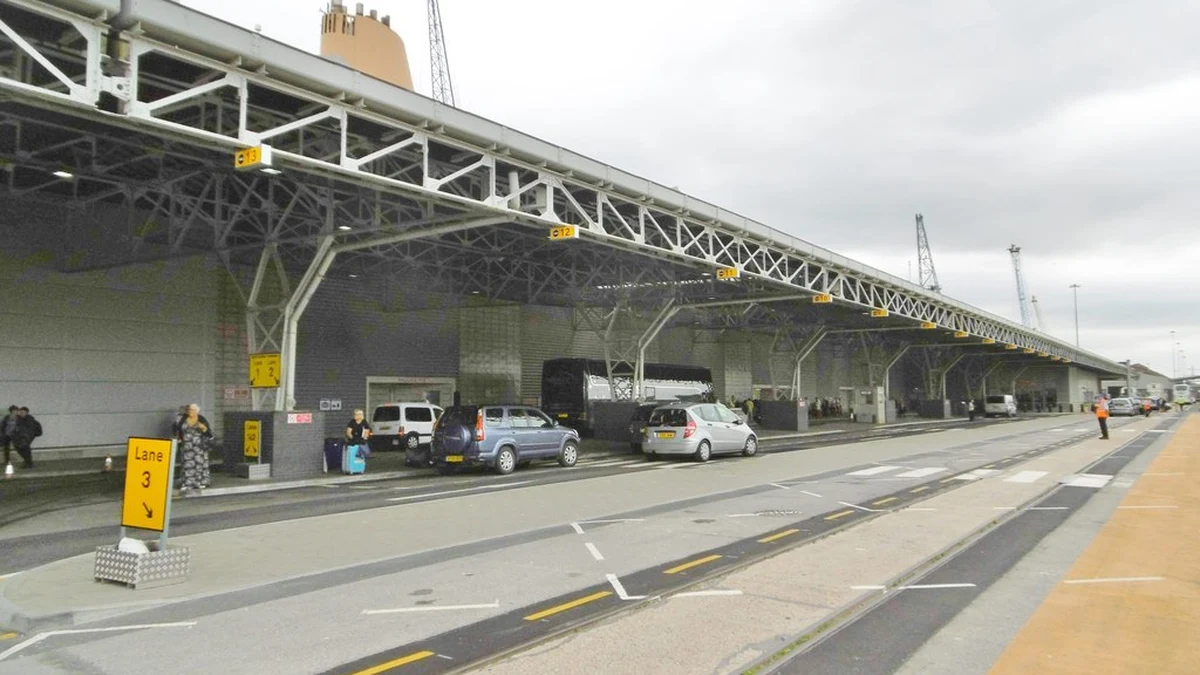
Southampton Cruise Port is less about a single “day in town” and more about getting the start or end of a cruise right. It is one of the UK’s major no-fly cruise gateways, with several terminals spread across Eastern and Western Docks, so the first useful question is not what Southampton has to see. It is which terminal your ship uses and how you are getting there with luggage.
The city can still work well for a pre-sail overnight, a simple day call or a few hours before boarding. SeaCity Museum, the old walls, Bargate, Westquay and central hotels all make practical sense. The mistake is treating every terminal as if it were the same easy walk from Southampton Central.
Southampton Cruise Port at a Glance
| Port name | Southampton Cruise Port |
|---|---|
| Main cruise area | Eastern and Western Docks, with five main cruise terminals across the port estate |
| Cruise region | British Isles |
| Country / Territory | UK |
| Currency | British pound (GBP) |
| Language | English |
| Disembarkation | Docked |
| Typical berth | Docked at one of Southampton’s terminals: QEII, Ocean, City, Horizon or Mayflower |
| Walkability | Low |
| Shuttle required | Sometimes |
| Main transport options | Taxi, Train, Cruise Shuttle, Local Bus, Walking Route, Organised Excursion |
| Best DIY option | Pre-sail logistics, SeaCity Museum, old walls, Westquay and a controlled city-centre walk |
| Main caution | Terminal matters more than the city map; walking distance from Southampton Central varies significantly by terminal and luggage changes the decision |
Weather & Best Times to Visit Southampton
January to March
Typical high: 8–12°C
Typical low: 2–5°C
Rain / note: Cool and often damp; sensible for embarkation layers rather than relaxed outdoor sightseeing.
April to June
Typical high: 13–20°C
Typical low: 5–11°C
Rain / note: Improving conditions for city walks, old walls and pre-sail overnight plans.
July to September
Typical high: 20–23°C
Typical low: 12–15°C
Rain / note: Usually the best outdoor window; still check rain before relying on a luggage-free walking day.
October to December
Typical high: 10–17°C
Typical low: 4–10°C
Rain / note: Changeable, with wind or rain affecting terminal transfers and pre-cruise walking plans.
Weather guide: CruisePing summary based on NASA POWER climate data for the Southampton port area. Check the latest forecast.
In Southampton, weather affects logistics as much as sightseeing. Rain and wind make the difference between walking from the station to a closer terminal and taking a taxi, especially when luggage is involved.
Southampton Terminals: Why the Exact Berth Matters
ABP lists five cruise terminals across Southampton: QEII and Ocean in the Eastern Docks, and Mayflower, Horizon and City in the Western Docks. The dock gate and station distance are different enough that passengers should not rely on a generic “Southampton cruise terminal” plan.
City Cruise Terminal is listed by ABP as around a 1-mile walk from Southampton Central, with taxis available at the station. Mayflower Cruise Terminal is farther, with ABP advising a 25–30-minute walk from the station or taxis from either side of the station. With luggage, wet weather or limited mobility, the taxi is often the sensible choice even when the map shows a walkable distance.
Transfer Time Reality Check: Station, Parking and Airport
From Southampton Central: allow a short taxi ride to most terminals, especially Mayflower, Ocean or QEII. Confident walkers with light luggage may consider City or Horizon, but port gates, pavements and check-in timing make taxis easier for many passengers.
By car: use the terminal and dock gate instructions from your cruise line and official parking provider. ABP notes different access points for Eastern and Western Docks, with Dock Gate 4 for QEII/Ocean and Dock Gate 10 or Dock Gate 20 relevant to the western terminal area.
From Southampton Airport: the usual rail link is Southampton Airport Parkway to Southampton Central, followed by taxi or local transfer to the terminal. That is manageable, but it is still a two-step plan, not a direct walk-on arrangement.
Best Cruise-Compatible Things to Do from Southampton Cruise Port
Southampton old walls and Bargate area
Best for: A short history-focused walk before or after boarding.
Best way: Taxi or walk from city-centre hotels depending on luggage and terminal.
Watch: Do not try to drag cases around the old walls before check-in.
SeaCity Museum
Best for: A useful weather-proof stop tied to Southampton’s maritime story.
Best way: Works well from the city centre before embarkation or on a day call.
Watch: Check opening times before shaping a morning around it.
Westquay and city-centre errands
Best for: Practical pre-cruise shopping, forgotten items and food stops.
Best way: Walk from central hotels or take a short taxi from the terminal after dropping bags.
Watch: It is useful rather than atmospheric; keep expectations realistic.
Tudor House and Old Town
Best for: A compact heritage addition for passengers staying overnight.
Best way: Best done without luggage, before heading to the ship.
Watch: Narrower streets and old surfaces make it less attractive with mobility constraints.
Winchester
Best for: A stronger out-of-town cultural day if you have a full spare day before sailing.
Best way: Train or organised/private transfer from Southampton, not a rushed embarkation add-on.
Watch: Only sensible if boarding time and luggage storage are already solved.
New Forest or Portsmouth excursions
Best for: Better as pre/post-cruise plans than same-day cruise extras.
Best way: Private transfer or organised excursion if extending the trip.
Watch: A same-day sailing window usually makes these too fragile.
CruisePing Recommended Port Day
For embarkation day, the best plan is boring in the right way: arrive, drop luggage, park or transfer cleanly, and keep sightseeing modest. If you are staying overnight, use the previous afternoon for SeaCity Museum, the old walls and dinner rather than trying to squeeze everything into boarding morning.
For a day call, Southampton works as a compact maritime-city visit, not a deep regional tour. Winchester is attractive if the call is long and train timings are straightforward, but most passengers are better served by a relaxed local plan than a hurried inland excursion.
Pre-Sail, Day Call or Post-Cruise?
Southampton changes character depending on your cruise role. Pre-sail passengers need hotel, parking, station and terminal decisions. Day-call passengers can treat the centre as a short walk-and-museum port if the ship schedule allows. Post-cruise passengers need onward travel more than sightseeing, especially if they have airport or long-distance rail plans.
If you have luggage, solve luggage first. A hands-free Southampton is much easier: the old walls, SeaCity, Westquay and central streets are close enough to combine. A suitcase Southampton is a taxi-and-check-in exercise with perhaps one meal or errand added.
DIY or Organised Excursion?
Southampton itself is DIY-friendly once bags and terminal access are sorted. You do not need a coach tour to see the old walls, SeaCity or the central shopping area. A taxi, hotel base or luggage drop is more useful than a guide for many passengers.
Organised travel is stronger for Stonehenge, Winchester, Portsmouth, the New Forest or London transfers. Those plans involve distance and timing, and on an embarkation or disembarkation day the return margin matters more than squeezing out a small saving.
Southampton Port-Day Pitfalls and Value Tips
- Do not book travel to “Southampton cruise terminal” without confirming the exact terminal.
- Do not walk from the station with heavy luggage just because the distance looks short online.
- Use official parking and dock-gate instructions; the wrong gate can waste time.
- Treat same-day sightseeing as optional if your train, parking or check-in plan is tight.
- For pre-sail stays, choose the hotel location around the terminal and evening plan, not just the cheapest room.
Southampton Cruise Port Checklist
- Confirm your ship’s terminal before booking parking, hotel or taxi.
- Check whether you need Eastern Docks or Western Docks access.
- Allow extra time at Southampton Central if several ships are embarking.
- Plan luggage drop before sightseeing.
- Use a taxi for Mayflower, Ocean or QEII unless you are deliberately travelling light.
- Keep rainy-day clothing accessible rather than buried in checked luggage.
Hotel Logic for Southampton Departures
For pre-sail passengers, hotel choice should follow the terminal and arrival mode. A city-centre hotel near restaurants and shops works well if you are coming by train and taking a taxi to the ship. A hotel with parking or cruise-package transfer may be more useful for drivers. The cheapest out-of-town room can lose value quickly if it adds awkward taxi legs on embarkation morning.
Southampton also works as a sensible overnight buffer before a long cruise. Travelling down the day before reduces rail, motorway and weather stress, and it lets you make a small city visit without carrying cases around the terminal area.
What Not to Do on Embarkation Morning
Do not build embarkation morning around a major sightseeing target unless you have already arranged luggage storage and transport. Boarding days are full of small frictions: hotel checkout, taxi demand, cruise documents, traffic near the docks and assigned arrival windows. A relaxed breakfast, one short errand and a direct transfer to the terminal usually beat a rushed museum or out-of-town trip.
Southampton Without the Terminal Guesswork
Southampton is easy only when the terminal is known. The city has several cruise terminals spread across different dock areas, and passengers who plan around the wrong one can turn a simple arrival into a frustrating taxi, gate or walking problem. Treat the terminal name as a required travel detail, not as something to check at the last minute.
City and Horizon sit on the western side of the port area and are often more naturally linked to Southampton Central and city-centre hotels. Mayflower is also in the Western Docks but can feel less convenient on foot, especially with luggage. Ocean and QEII sit in the Eastern Docks, where a taxi from the station or hotel is usually the practical choice for most passengers. These are broad planning distinctions, not a substitute for your cruise line’s final instructions, but they explain why generic advice about “walking to the terminal” is risky.
The best Southampton transfer plan is usually simple: rail or coach to the city, taxi to the exact terminal, and enough time for traffic around the dock gate. That may sound less adventurous than walking, but it removes the weakest part of the day. Save the walking for the old walls, waterfront or museum, not for dragging cases through port approaches.
Pre-Cruise Overnight Strategy
A Southampton overnight is often better value than a same-morning scramble, especially for longer cruises, family sailings, mobility needs or anyone travelling from outside the south of England. The key is to choose the hotel around the next morning’s job. A city-centre hotel suits rail arrivals, restaurants, SeaCity Museum and last-minute shopping. A hotel closer to the docks may be better for passengers who want the shortest possible taxi or transfer on embarkation morning.
Do not judge the hotel solely by distance to “the port”. Distance to the correct terminal matters more. A hotel that looks close to Southampton Water may still require a taxi to the right dock gate. Likewise, a central hotel may be more useful than a nominally port-side hotel if it puts you near dinner, shops, the station and a straightforward taxi rank.
For a relaxed pre-cruise afternoon, SeaCity Museum, the old walls and Bargate area make a sensible cluster. Add dinner and an early night rather than turning the day before sailing into a wider Hampshire sightseeing mission. The aim is to board rested, with parking, documents and luggage already under control.
Embarkation Morning: What to Do and What to Avoid
Embarkation morning is not the best time for ambitious sightseeing. Check-out times, luggage, taxi demand, boarding windows and weather all reduce the freedom that maps seem to promise. A short breakfast, a missing-item errand at Westquay or a quick old-town stroll can work. A train to Winchester, a museum visit with luggage or a long waterfront walk before check-in is usually the wrong kind of clever.
If your boarding time is later, think in terms of one controlled stop. Drop luggage if your hotel or cruise arrangement allows it, then use the city centre. Without luggage storage, stay practical: café, taxi, terminal. Southampton is a strong no-fly cruise port precisely because it can be made easy. Do not make it difficult by trying to extract a full sightseeing day from the morning of sailing.
For Day-Call Passengers: A Southampton Route That Works
Southampton is less common as a pure sightseeing call than as a departure port, but day-call passengers can still make a useful local day. The best shape is a city-centre loop rather than a long regional excursion. SeaCity Museum, the old walls, Bargate, Tudor House and the central shopping area are close enough to combine without turning the day into transport work.
The city’s maritime story is the part that best matches a cruise stop. SeaCity gives context, while the old walls and waterfront help make the day feel connected to the port. Winchester, Portsmouth or the New Forest can be excellent with a long call and a properly organised plan, but they are not necessary to make Southampton worthwhile.
Rail, Coach, Car and Airport Choices
Rail passengers should plan the journey in two parts: train to Southampton Central, then transfer to the terminal. That second leg is easy to underestimate. At busy embarkation times, station taxis can be in demand, and walking may be less attractive once cases, weather and terminal distance are included. Build the taxi leg into the plan rather than treating it as a minor detail.
Drivers should follow the cruise line, terminal and parking provider instructions rather than sat-nav instincts alone. Dock gates and terminal access points matter. If you are using valet or official cruise parking, the right arrival point is part of the booking value. It is worth checking the paperwork before travel rather than relying on signs when several ships are sailing.
Southampton Airport can work well because the rail link to Southampton Central is straightforward, but the airport is not the cruise terminal. You still need the station-to-ship step. For London airports, the route becomes more substantial and should be treated as a pre-cruise transfer plan, not a casual same-morning hop unless timings and contingency are comfortable.
When to Add Winchester, Portsmouth or London
Winchester is the most sensible cultural extension for many passengers with a spare day. It is close enough to feel realistic and different enough from Southampton to justify the effort. It works best the day before sailing or after disembarkation if luggage is stored or managed. Trying to visit Winchester on embarkation morning is much less attractive.
Portsmouth suits naval-history travellers, especially those with an extra night or a private transfer. London is different again. It is possible as part of a wider pre- or post-cruise trip, but it should not be treated as a Southampton add-on unless the itinerary is specifically built around it. The further the target, the more luggage and return timing become the real story.
Mobility and Luggage Reality Check
Southampton’s difficulty is not steep terrain. It is luggage, dock distances and the spread of terminals. Passengers who walk happily around a city may still prefer a taxi to the terminal because port approaches are not the same as a promenade. Limited mobility passengers should be especially cautious about advice that treats all Southampton terminals as equally walkable.
The most comfortable plan is usually step-free in spirit even when not formally step-free: arrive at the station or hotel, use a taxi or booked transfer, and keep walking for the city centre after bags are handled. That preserves energy for check-in, security and the first afternoon on board.
Southampton for Families, Older Passengers and First-Time Cruisers
Southampton is often the port where small planning choices make the whole cruise feel easier. Families should think about luggage and waiting time before sightseeing. Older passengers should avoid unnecessary walking from the station to terminals that are better reached by taxi. First-time cruisers should treat the terminal paperwork, boarding window and parking instructions as part of the holiday, not an administrative nuisance to skim on the morning of travel.
The easiest family plan is usually to arrive the day before, stay centrally or near the correct dock side, and keep embarkation morning calm. Westquay can solve forgotten items, SeaCity can fill a spare afternoon, and a simple dinner avoids the need to drive again after arrival. On sailing morning, a short taxi to the terminal is often worth more than the small saving of a walk with cases and children.
For older passengers or anyone with mobility concerns, the same logic applies. A hotel lift, a taxi rank, a manageable breakfast and a direct terminal transfer are more valuable than being technically close enough to walk. The cruise begins more comfortably when Southampton is treated as a logistics port with optional sightseeing, rather than a sightseeing port that happens to involve luggage.
After Disembarkation: Do Not Overplan the Morning
Disembarkation has its own rhythm. Passengers may leave the ship early, but that does not mean the morning is automatically free for relaxed sightseeing. Luggage collection, customs or border formalities, taxi queues, rail times and fatigue all matter. If you are heading to a train, airport or long drive, make that the first plan and add sightseeing only if the timing is generous.
A post-cruise Southampton stop works best when luggage storage is solved. Without that, the city becomes awkward quickly. With bags handled, a late breakfast, SeaCity Museum, the old walls or a short shopping stop can work well before an afternoon train. Wider trips to Winchester, Portsmouth or London are better handled as proper extensions, not improvised add-ons after leaving the ship.
This is the practical difference between a good Southampton plan and a stressful one: the good plan reduces decisions on the day. The stressful plan keeps adding “maybe” options when what passengers really need is a clear route home or to the ship.
Southampton also rewards printing or saving the practical details offline. Terminal name, parking provider, hotel address, taxi number, rail time and boarding window should all be easy to find without searching emails at the dock gate. Many embarkation stresses are not dramatic problems; they are small uncertainties that arrive together.
For no-fly cruises, that preparation is part of the value. You avoid airports, luggage allowances and flight delays, but you still need a clean ground plan. A well-run Southampton morning can feel almost effortless. A poorly prepared one can make a domestic departure feel more complicated than flying.
That is why this guide gives so much space to logistics. In Southampton, the sightseeing is optional. The terminal plan is not.
Passengers using coaches should apply the same discipline. Coach transfers can be convenient, but they still depend on the correct terminal, luggage handling and boarding window. Keep your cruise documents available during the journey rather than packed away in a case. If travelling as a group, agree the terminal and meeting point in advance; Southampton is too spread out for vague “see you at the port” arrangements.
For international visitors, the port also works best when Southampton is not confused with London. London can be part of a pre- or post-cruise holiday, but Southampton is the sailing city. Mixing the two casually creates long transfer assumptions that do not help on embarkation day.
Keep the first afternoon on board in mind as well. A calm Southampton arrival leaves more energy for unpacking, muster routines and enjoying sailaway.
Useful Official Links for Southampton
Southampton planning starts with the terminal name; these links help you confirm the dock gate, rail/taxi choice, parking and city options before travel.
- ABP Southampton cruise terminals overview
- ABP City Cruise Terminal access details
- ABP Mayflower Cruise Terminal access details
- ABParking official Southampton cruise parking
- National Rail journey planner for Southampton Central
- Visit Southampton official visitor information
Short-Call Adjustment for Southampton
If your ship gives you less time than expected, cut the day back to the most robust option rather than trimming every stop. For Southampton, that means choosing the closest, easiest plan already described above and protecting the return journey. A shorter call is not the time to add a second destination simply because it appears nearby on the map.
FAQ
How many cruise terminals does Southampton have?
Southampton has five main cruise terminals: QEII, Ocean, City, Horizon and Mayflower. Your terminal affects the dock gate, station transfer and parking plan.
Can you walk from Southampton Central to the cruise terminal?
Sometimes, but it depends on the terminal and your luggage. City is one of the more plausible walks, while Mayflower, Ocean and QEII are often better by taxi for most cruise passengers.
Is Southampton a good no-fly cruise port?
Yes. Its rail, road and parking links make it one of the strongest UK no-fly departure ports, but the exact terminal still needs checking.
What can you do before boarding in Southampton?
SeaCity Museum, the old walls, Bargate area, Westquay and a central meal are realistic if luggage and boarding time are already under control.
CruisePing Port Verdict
Southampton is not a port to romanticise; it is a port to use well. Its strength is departure convenience, terminal choice, parking and rail access, with enough city interest to support a sensible pre-sail stay. Confirm the terminal, move luggage first, then add sightseeing only where the day has room for it.
Ready to browse our article library?
Looking beyond Southampton? Explore more ports in the British Isles region, or narrow it to UK in particular. For cruise comparisons, planning shortcuts and value guides, head over to our main article archive.