
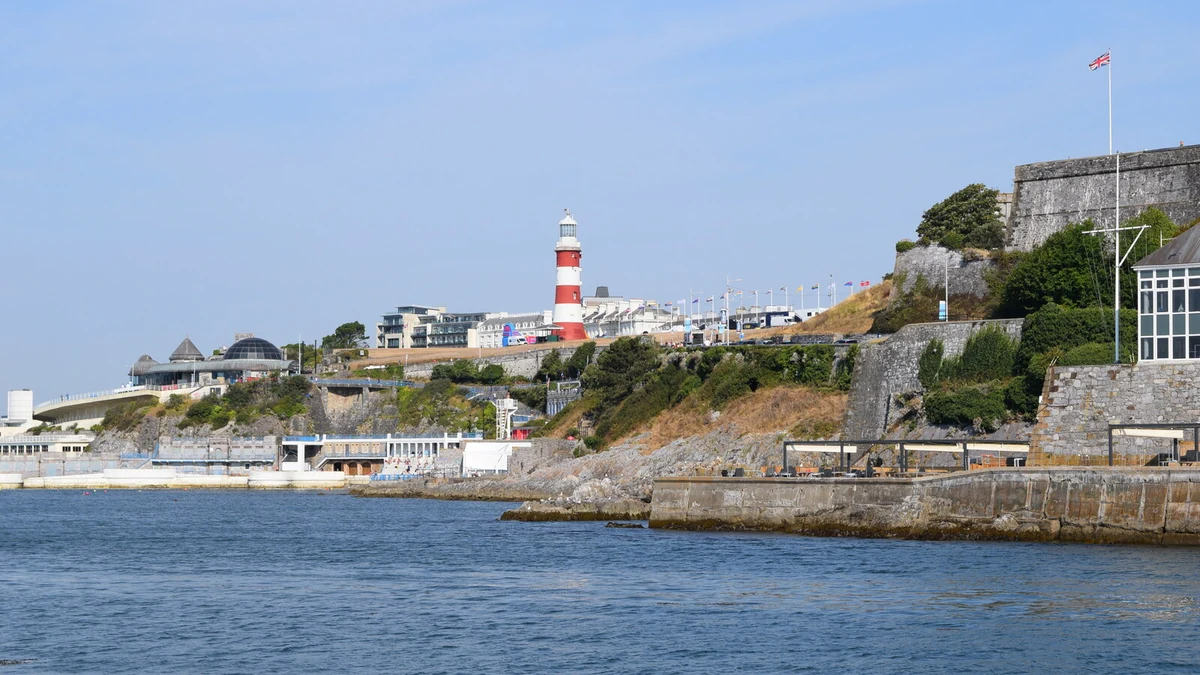
Plymouth cruise port is a maritime city call with two very different arrivals. A ship at anchor in Plymouth Sound can tender passengers directly to the Barbican, beside the old harbour and Mayflower Steps. A smaller vessel may berth at Millbay, west of the historic centre. Either way, Plymouth is a strong independent day: the Barbican, Hoe, The Box, National Marine Aquarium and waterfront can be combined without leaving the city.
The official Plymouth cruise information describes an approximately eight-minute sheltered tender journey to the purpose-built Barbican Landing Stage. That is an unusually good tender outcome because passengers step into the part of Plymouth they are most likely to visit. The planning trap is not distance from the ship. It is spreading the day across too many waterfront districts or abandoning a good city port for a rushed cross-Devon excursion.
Plymouth Cruise Port at a Glance
| Port name | Plymouth Cruise Port |
|---|---|
| Main cruise area | Plymouth Sound anchorage with Barbican tender landing, or Millbay berth |
| Cruise region | British Isles |
| Country / Territory | UK |
| Currency | British pound (GBP) |
| Language | English |
| Disembarkation | Docked or tender, depending on the vessel |
| Walkability | High from the Barbican; medium from Millbay |
| Shuttle required | Sometimes from Millbay; not normally from the Barbican landing |
| Main transport | Walking, shuttle, local bus, taxi, harbour boat or organised excursion |
| Best DIY option | Barbican, Plymouth Hoe and one major museum or aquarium |
| Main caution | Confirm the arrival point: a route planned from the Barbican is not identical to a Millbay day |
Weather & Best Times to Visit Plymouth
January to March
Typical high: 9–12°C
Typical low: 4–7°C
Rain / conditions: Cool, windy and showery; Atlantic systems can affect the anchorage and waterfront.
April to June
Typical high: 12–18°C
Typical low: 6–11°C
Rain / conditions: Longer days with brighter spells, although sea breezes and rain remain common.
July to September
Typical high: 17–21°C
Typical low: 11–14°C
Rain / conditions: Mild to warm, with the best outdoor conditions but no guarantee of a dry day.
October to December
Typical high: 10–16°C
Typical low: 5–10°C
Rain / conditions: Increasingly wet and windy, with shorter daylight and occasional storm disruption.
Weather guide: CruisePing summary based on NASA POWER climate data for Plymouth Sound and the south Devon coast. Check the latest forecast.
Wind is the key cruise-day variable. Plymouth Sound is sheltered by the breakwater, but tendering still remains a marine operation. On a bright day, put the Hoe and waterfront walk first. In hard rain, The Box and the aquarium become stronger anchors, while short gaps in the weather can still be used for the Barbican lanes and harbour views.
Where Cruise Ships Arrive in Plymouth
Tender passengers arrive at the Barbican Landing Stage beside the historic harbour. The port describes the transfer as short and sheltered, with a purpose-built pontoon capable of operating at all states of tide. Accessibility remains subject to the ship’s tender rules and the sea conditions on the day, but the location is excellent: the Mayflower Steps, Sutton Harbour and Barbican streets begin almost immediately.
Millbay is a working dock and ferry area on the western side of the city waterfront. A shuttle may be arranged for a cruise call, or passengers can use a taxi and, if reasonably mobile, walk towards the Hoe and centre. Do not assume the ship will use the Barbican simply because most promotional material shows the tender landing. The daily programme should name the berth or landing point and any shuttle stop.
The two arrivals also change the order of the day. From the Barbican, begin with the old harbour before crowds build, then climb towards the Hoe. From Millbay, it can make more sense to start with the Hoe or Royal William Yard side and work east. The final hour should return you to the correct port area rather than to the opposite end of the waterfront.
Getting Around Plymouth Independently
Plymouth rewards walking, although the waterfront is not one continuous flat promenade. The Barbican’s historic lanes have cobbles and uneven surfaces. The route to the Hoe climbs, and later descents towards the city centre or Royal William Yard add distance. Sensible shoes matter more than formal hiking gear.
Local buses and taxis are useful for linking Millbay, Royal William Yard, The Box and the aquarium when energy or time is limited. A short taxi can prevent a good day turning into an endurance walk. Ask the driver to use the exact cruise landing or terminal name on the return; “the port” is too vague in a city with several waterfront facilities.
Harbour boats provide a different view of the Sound, naval dockyard approaches and Tamar. The official operator information at Plymouth Boat Trips should be checked for the route and duration running on your date. Choose a sailing that returns with a proper buffer. A harbour cruise is easier to fit than a ferry or coastal service requiring a separate onward plan.
Rail is not needed for Plymouth itself. The station can support a focused independent journey, but a cruise day is a poor moment to improvise a long trip into Cornwall or across Devon. Train disruption, the transfer between the waterfront and station, and the final tender deadline all consume margin. Use a ship excursion for a distant headline destination.
Best Cruise-Compatible Things to Do from Plymouth
The Barbican and Sutton Harbour
Best for: Historic harbour atmosphere, independent shops and the easiest first hours after tendering
Best way: Walk directly from the Barbican Landing Stage
Watch: Cobbles and narrow lanes can be awkward for wheelchairs and wet-weather walking.
Plymouth Hoe
Best for: Sea views, Smeaton’s Tower and the city’s best open waterfront perspective
Best way: Walk uphill from the Barbican or take a short taxi from Millbay
Watch: It is exposed in wind and involves gradients from either arrival area.
The Box
Best for: A substantial indoor museum and gallery choice with local and maritime context
Best way: Walk from the Hoe or use a short taxi or local bus
Watch: Check current opening and exhibition information; it sits inland from the harbour route.
National Marine Aquarium
Best for: A family-friendly indoor visit focused on marine life
Best way: Walk around Sutton Harbour from the Barbican
Watch: Timed admission and school-holiday demand may make advance booking useful.
Harbour cruise
Best for: The Sound, waterfront and naval setting seen from the water
Best way: Book an official sailing whose duration fits the tender schedule
Watch: Weather and the exact route vary; wildlife and naval activity cannot be guaranteed.
Royal William Yard
Best for: Architecture, food and a western waterfront contrast to the Barbican
Best way: Use a taxi, bus or water link when operating
Watch: Adding it on foot can make the day longer than expected, especially from the tender landing.
Dartmoor or south Devon excursion
Best for: Passengers who want landscape beyond the city
Best way: Use a focused ship excursion or private guide
Watch: Road time and weather reduce the value of an overpacked county-wide route.
Cornwall or historic houses
Best for: Repeat visitors with a long call and one clear priority
Best way: Organised excursion with return protection
Watch: Do not combine several distant stops; Tamar crossings and road traffic can erode the schedule.
CruisePing Recommended Port Day
For first-time visitors arriving by tender, CruisePing would walk the Barbican before it becomes busy, continue to Plymouth Hoe, then choose either The Box or the National Marine Aquarium. The Box suits adults interested in the city and region; the aquarium is the easier choice for families or a wet day close to the landing. Finish with time around Sutton Harbour rather than racing to another district.
From Millbay, begin with the Hoe, continue east to the Barbican and take a taxi back if needed. Royal William Yard can replace the aquarium or The Box, but it should not be treated as a quick extra at the far end of an already long walk. A harbour cruise works best as the central timed activity, with the Barbican around it.
CruisePing would use an organised excursion for Dartmoor, a long Cornwall route or several country attractions. Plymouth is too good a local port to sacrifice for a coach itinerary that spends most of the day moving. A repeat visitor can justify one distant target, but the plan should be narrow and weather-aware.
DIY or Organised Excursion?
The city is strongly DIY. Tender passengers need no transfer to begin sightseeing, and even Millbay passengers can reach the main waterfront with a shuttle, taxi or determined walk. Paying for a panoramic coach around central Plymouth is rarely the best value unless mobility needs make seated touring preferable.
A guided walking tour can add substance to the Barbican’s maritime history, but the route should avoid reducing Plymouth to one Mayflower story. The city’s naval, trading, fishing and post-war histories are broader. A good guide joins those layers to the streets rather than reciting dates beside a single monument.
Organised transport earns its price outside the city. Dartmoor roads, rural attraction opening and return timing are easier when one operator owns the schedule. Private guiding can be sensible for a small group with a particular interest, provided the route includes a large return buffer and does not promise half of Devon and Cornwall in one day.
A Practical Barbican-to-Hoe Walking Plan
From the tender pontoon, orient yourself around Sutton Harbour and the Mayflower Steps area, then wander the Barbican’s side streets before moving uphill. The streets closest to the water are attractive but can become congested when groups pause together. Explore in short loops rather than following the largest crowd.
Climb towards the Hoe through the historic centre. The gradient is noticeable but not extreme for most reasonably mobile visitors. Once on the open green, the view across Plymouth Sound explains why the city developed around this harbour. Smeaton’s Tower provides a recognisable focal point, although access and opening should be checked if you want to go inside.
From the Hoe, decide rather than drift. Turn inland for The Box, return east towards the aquarium, or continue west only if Royal William Yard is a genuine priority. The distances between these choices are large enough to matter. A taxi used once can keep the day enjoyable and still cost less than a full excursion.
Maritime History Without Turning the Day into a Lecture
Plymouth’s visitor identity often centres on voyages, exploration and naval history. Those stories are important, but a cruise passenger does not need to stand at every plaque. Choose one interpretive stop and let the working harbour provide the rest of the context. Ferries, leisure boats, fishing craft and naval views make the waterfront feel active rather than preserved.
The Box is the strongest place to deepen the story because it can connect art, archaeology, natural history and the city’s collections. Check The Box’s official programme for current displays. It is also a useful weather pivot: move it earlier when rain arrives and return to the Hoe when the sky clears.
The aquarium gives a different maritime lens. Its location around Sutton Harbour works particularly well near the end of a tender day because you remain close to the landing. Families should allow enough time to see it properly rather than using it as a hurried shelter before the final boat.
Mobility and Accessibility Planning
The port promotes the Barbican Landing Stage as a purpose-built facility with disabled access, but the ship controls tender eligibility. A passenger may still need to negotiate the vessel-to-tender transfer. Discuss this with the cruise line before sailing and again when conditions are known.
After landing, the Barbican has uneven historic surfaces, while the Hoe is uphill. Wheelchair users and passengers with limited stamina may prefer a taxi between the landing, Hoe and The Box. The aquarium is closer to the tender but involves its own internal route. Consult each attraction’s current accessibility page before booking.
From Millbay, a shuttle or accessible taxi is much more valuable. Confirm the shuttle’s drop-off and final return. A seated harbour tour may suit some passengers, but boarding steps and vessel toilets vary. Give the operator precise information rather than asking only whether the trip is “accessible”.
Plymouth Port-Day Pitfalls and Value Hacks
- Check whether you are tendering or berthing. It changes the first route, shuttle need and safest final hour.
- Do not walk the whole waterfront by accident. Choose between The Box, aquarium and Royal William Yard rather than treating all three as adjacent.
- Use the weather tactically. Hoe first in clear conditions; museum or aquarium first when hard rain arrives.
- Book boat trips around the tender, not against it. Leave room for delayed landing and a calm return.
- A taxi can be a value purchase. One short ride preserves energy and may prevent missing an attraction.
- Keep distant excursions focused. One Dartmoor or Cornwall objective is stronger than a long coach checklist.
Plymouth Cruise Port Checklist
- Confirm the exact anchorage, tender landing or Millbay berth.
- Note the last tender or shuttle and the return location.
- Check current opening for The Box, aquarium and any tower or boat trip.
- Wear shoes suitable for cobbles, hills and wet waterfront surfaces.
- Choose one major indoor attraction before arrival.
- Use an official boat operator and allow a generous return buffer.
- Pre-arrange accessible transport if the Hoe gradient is unsuitable.
- Keep the final hour in the same waterfront district as your departure point.
Frequently Asked Questions
Is Plymouth a tender port?
Many cruise ships anchor in Plymouth Sound and tender to the Barbican, while some vessels may use Millbay. Confirm your sailing’s exact arrangement.
How long is the tender ride?
The official port describes the normal trip to the Barbican Landing Stage as about eight minutes, although ship operations and conditions affect the full process.
Can I walk from the tender landing?
Yes. The landing is beside the Barbican. The Hoe is uphill, and The Box, aquarium and Royal William Yard lie in different directions.
What is the best first-time Plymouth day?
Barbican, Hoe and either The Box or the National Marine Aquarium. It is varied, practical and keeps transport risk low.
Is Dartmoor realistic from a cruise ship?
Yes on a suitable organised or private excursion, but it should be the main purpose of the day rather than one stop among many.
What should I do in rain?
Use The Box or the aquarium as the main block, then walk the Barbican and Hoe during brighter intervals.
CruisePing Port Verdict
Plymouth is an excellent city-first call. The tender landing, when used, places passengers exactly where an independent visit should begin. The smartest plan follows the waterfront’s history and views, then chooses one substantial attraction instead of trying to consume the whole city.
CruisePing would do Plymouth DIY, use a taxi selectively and reserve organised excursions for one clearly chosen destination beyond the city. The only essential preparation is knowing which arrival you have. Once that is clear, the port is straightforward, varied and unusually forgiving.
Planning by Call Length
With four usable hours, stay between the Barbican and Hoe and choose no more than one indoor stop. Six to eight hours support The Box or aquarium plus a harbour cruise. A longer day can include Royal William Yard or one focused rural excursion, but crossing the city repeatedly remains poor planning.
An evening departure makes a relaxed meal more attractive, yet verify tender frequency after the main excursion period. Cruise lines sometimes reduce boats later in the call. Keep the final meal close to the landing rather than assuming a continuous walk-on service.
Using the Waterfront Without Doubling Back
Plymouth’s waterfront works best as a line rather than a collection of separate trips. Tender passengers can begin at Sutton Harbour, climb once to the Hoe and then decide whether to turn inland for The Box or return towards the aquarium. Millbay passengers can reverse the route. This simple direction of travel reduces unnecessary hills and makes it easier to judge whether a final attraction still fits.
Royal William Yard deserves a deliberate decision because it lies west of the core Barbican route. It is strongest for architecture, food and a slower waterfront finish, particularly from Millbay. From the tender landing, adding it after the Hoe, The Box and aquarium creates a long zigzag. Use a taxi or water connection when available, and let it replace another major stop rather than treating it as free mileage.
A harbour cruise can serve as the day’s rest period as well as an attraction. After walking the Barbican and Hoe, sitting on the water gives a broader view of the Sound and saves energy. Check the departure quay carefully because not every boat leaves beside the cruise pontoon. The return sailing should finish early enough that cancellation or a short delay does not conflict with the ship’s tender operation.
Plymouth also rewards a proper pause. A café or pub in the Barbican, a bench on the Hoe or time watching boats in Sutton Harbour can balance the historical content. The city has enough maritime substance that passengers do not need to visit every memorial. Choose the parts that connect: arrival by sea, old harbour, open Sound and one museum or aquarium that adds context.
A Short-Call Version of Plymouth
When usable time ashore falls below four hours, stay east of the Hoe. Tender passengers can walk the Barbican, climb for the Sound view and return through Sutton Harbour; Millbay passengers can take a taxi to the Hoe and finish at the Barbican before a taxi or shuttle back. The Box, aquarium and harbour cruise should become alternatives rather than additions. This keeps the route recognisably Plymouth while protecting the departure.
Useful Official Links
- Plymouth cruise and Barbican Landing Stage
- Visit Plymouth
- The Box
- National Marine Aquarium
- Plymouth Boat Trips
- Plymouth cruise berthing information
Ready to browse our article library?
Explore more ports across British Isles, browse CruisePing destinations in UK, or head to the main article library for cruise planning guides, port comparisons and practical ideas.