
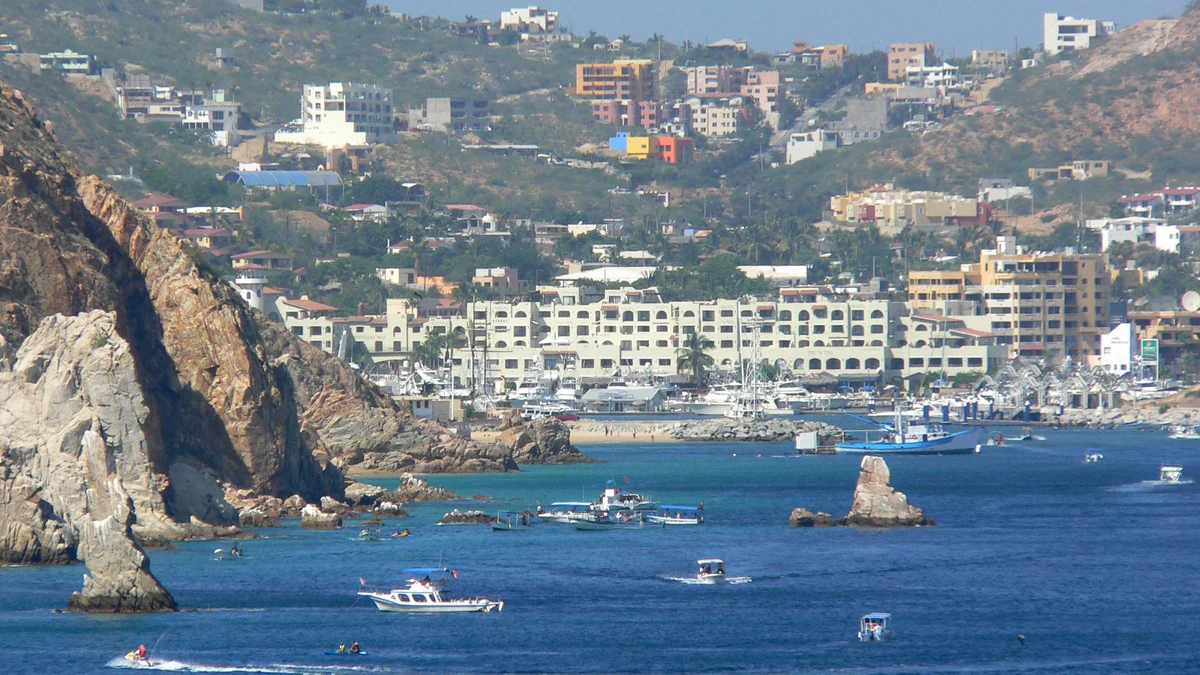
Cabo San Lucas cruise port is a tender call. Ships anchor in the bay and small boats carry passengers to the marina, so the first and last parts of the day depend on sea conditions, tender queues and the ship’s ticket system. The marina is central and lively once ashore, but a late tender can remove an hour from an excursion before the sightseeing has begun. Cabo’s strongest first visit combines a boat trip around Land’s End and El Arco with either the marina, Medano Beach or a compact town walk. The rock formations are the defining sight, and seeing them from the water fits naturally with the tender-port geography. Longer desert, off-road, resort or San José del Cabo excursions can be worthwhile, but they should replace that simple plan rather than being stacked on top of it. The bay can look calm from a balcony while small-boat operations are still affected by swell or wind. Keep the final tender deadline in view, use licensed or established operators and distinguish between Lover’s Beach, Divorce Beach and Medano Beach: they face different water conditions and are not interchangeable swimming stops.
Cabo San Lucas Cruise Port at a Glance
| Port name | Cabo San Lucas Cruise Port |
|---|---|
| Main arrival area | Tender landing within or beside the Cabo San Lucas marina |
| Cruise region | Mexico / Central America / Panama Canal |
| Country / Territory | Mexico |
| Currency | Mexican peso (MXN); US dollars are widely accepted in tourist areas, often at a less favourable rate |
| Languages | Spanish; English is widely used in visitor businesses |
| Port role | Day call |
| Disembarkation | Tender from the anchored ship |
| Walkability | High around the marina and central tourist streets |
| Shuttle required | No for the marina and centre; transport is needed for corridor resorts, San José del Cabo and many excursions |
| Main transport | Tender, walking, water taxi, sightseeing boat, taxi, shared van and organised excursion |
| Best first-time plan | Land’s End boat trip followed by the marina and either Medano Beach or a compact town visit |
| Main caution | Underestimating tender queues or treating every beach near the Arch as safe for swimming |
Weather & Best Time to Visit Cabo San Lucas
January to March
Typical high: 24–29°C
Typical low: 14–18°C
Rain / conditions: Dry, sunny and comfortable; mornings on the water can feel cool and whale-watching seas can be lively.
April to June
Typical high: 27–34°C
Typical low: 17–24°C
Rain / conditions: Increasingly hot and dry, with strong sun and limited shade around the marina and beaches.
July to September
Typical high: 32–36°C
Typical low: 24–28°C
Rain / conditions: Very hot and more humid; tropical storms and hurricane disruption are possible.
October to December
Typical high: 27–34°C
Typical low: 17–25°C
Rain / conditions: Heat gradually eases; early autumn remains storm-prone before drier winter conditions return.
Weather guide: CruisePing summary based on NASA POWER climate data for Cabo San Lucas, the marina and the southern Baja coast. Check the latest forecast for the call. Dry heat makes marina distances deceptive. Carry water from the ship and do the least shaded activity before lunch. Tropical weather can interrupt tender and small-boat operations even when the town remains open. The ship controls whether the landing is safe.
Tendering into Cabo
The ship controls tender tickets, priority groups and the final return time. Read the daily programme before breakfast and do not assume independent passengers can leave as soon as the anchor drops. Write the decision into the day plan before leaving the arrival area, so the group is not negotiating it again in heat or a queue.
Tender boats may use ship lifeboats, local craft or a combination. Boarding involves steps, movement and a gap between vessels, so passengers with mobility concerns should discuss the process with the cruise line before the call. In practical terms, this determines the order of the visit and the return margin, not merely a minor detail after the sightseeing has been chosen.
The return queue can build late in the afternoon. Aim to be back near the landing well before the published last tender, particularly when several ships are anchored in the bay. That makes it worth confirming with the ship, driver or venue while there is still time to change the plan without losing the morning.
Finding Your Bearings in the Marina
The tender landing feeds into a large marina lined with boats, restaurants, shops and excursion sellers. It is easy to walk but also easy to follow the waterfront in the wrong direction. On a short call, the advantage comes from protecting the main experience and allowing optional stops to remain genuinely optional.
Save the landing location on a phone map and note a visible landmark. The marina has multiple gates and bridges, and a relaxed lunch can feel less relaxed when passengers cannot identify the quickest return route. The point is not to remove spontaneity; it is to keep one unexpected delay from controlling everything that follows.
Prices are pitched at an international resort market. Confirm whether a quote is in pesos or US dollars, whether tax or port fees are included and what is expected as a gratuity. A safer sequence is to complete the least flexible step first, then use the easier part of Cabo San Lucas when the schedule is running comfortably.
El Arco and Land’s End by Boat
A short boat trip to El Arco, the sea-lion colony and the rocks of Land’s End is the natural first-time excursion. Boats vary from simple pangas and glass-bottom craft to larger catamarans. Everyone in the group should know which outcome matters most, because different expectations are harder to solve once transport has already been hired.
Ask how long the trip lasts, whether there is a beach landing and exactly where passengers return. A cheap one-way water taxi can become inconvenient if the pickup arrangement is vague. Passengers managing limited mobility, children or bulky bags should shorten this plan at the outset instead of hoping the difficult stage becomes easier on the day.
Sea conditions determine how close boats approach the rock formations and whether a beach landing is safe. The excursion remains worthwhile for the coastline even when a perfect arch photograph is not possible. Keep the relevant address, ticket or contact offline. Battery, signal and app problems are poor reasons to lose a booked experience.
Lover’s Beach, Divorce Beach and Swimming Safety
Lover’s Beach sits on the bay side near Land’s End and is reached by boat. There are limited facilities, and landing can involve stepping into shallow water from a moving craft. The final return step deserves the same attention as the outward journey, particularly when the ship is reached by a controlled road, gate, boat or tender.
Divorce Beach faces the Pacific and is known for dangerous surf and currents. It should be treated as a scenic walking area, not as a swimming beach. Compare the total cost with the time saved and the risk removed. The lowest headline price is not always the best-value cruise-day choice.
Anyone left on a beach by a water taxi needs a firm return arrangement and an alternative. Carry water, footwear and sun protection, and do not rely on finding food, toilets or shade. The ship’s current notice should settle any conflict with an older website, saved map or advice from a previous season.
Medano Beach
Medano Beach is the main developed swimming beach close to central Cabo. It offers beach clubs, restaurants and water activities, but the busiest sections can be noisy and crowded. An online map can make the distance look simple while hiding gradients, security controls, heat, queues or an indirect entrance.
Walking from the marina is possible for active passengers, though heat and routefinding make a water taxi or land taxi attractive. Confirm the return pickup and keep time for the tender queue. Give every adult the meeting point and deadline. A plan held by only one phone is fragile.
Chair use may depend on a minimum spend, and water-sport zones can be busy. Choose a venue after checking the sea and atmosphere rather than accepting the first sales pitch at the landing. This is one of the details to settle before money changes hands, together with the currency, inclusions and exact return location.
Beyond the Waterfront
Desert safaris, camel experiences, off-road vehicles and coastal drives reveal a different Baja landscape. These activities require more transport time and should be booked with clear safety, insurance and return arrangements. A useful test is whether the plan still works after a thirty-minute delay. If not, remove a stop or choose a more controlled transfer.
San José del Cabo has galleries, a historic centre and a calmer atmosphere, but it is a separate town along the tourist corridor. Traffic can make the journey variable. If timing begins to slip, protect the principal visit and the journey back to the ship; the final café, shop or viewpoint is the part to release.
Resort day passes can provide pools and controlled facilities. Confirm whether transport, food, drinks, towels and beach access are included, and whether the sea at that property is safe for swimming. Do not rely on finding the same vehicle, ticket desk or staff member later. Save the identifying details at the start.
Whales, Wildlife and Seasonality
Whale-watching is seasonal, and sightings are never guaranteed. Choose an operator that follows local wildlife rules and presents the trip as observation rather than pursuit. The easiest way to avoid confusion is to use the full place name and a visible landmark when speaking to drivers or arranging a collection.
Morning water conditions can be better, but the ship’s tender system may limit early independent departures. A ship excursion can be valuable when departure timing is tightly connected to tender priority. Before paying, repeat the route, duration and finish point. A friendly sales conversation is not a substitute for a clear agreement.
Even outside whale season, the bay supports sailing, snorkelling and coastal scenery. Match the activity to sea conditions and personal mobility rather than choosing only by headline attraction. Leave room for toilets, security and a slower final walk. Those ordinary stages are often where an overfilled schedule finally breaks.
Independent Tour or Ship Excursion?
Independent boat trips are easy to find at the marina and can offer flexible prices and departure times. Their weakness is that tender delay and return responsibility remain with the passenger. Weather and operating conditions can change the correct answer on the morning of the call, so keep a compact alternative that uses the same arrival area.
Ship excursions cost more but may receive organised tender arrangements and provide stronger protection when an outing travels away from Cabo. Read the exact meeting point; “pier” still means a tender transfer first. One missed connection can matter more than several minutes saved earlier. Build the plan around the weakest link.
For a simple Arch trip and beach, independent planning is usually manageable. For distant road excursions or tightly timed seasonal wildlife trips, the ship option can buy useful reliability. This choice should be made for the actual group, not for the most energetic traveller or the most impressive brochure photograph.
Independent Boat Trip or Ship Excursion?
Independent Arch trips are easy to arrange around the marina after tendering, and they suit passengers who want a short boat ride followed by a flexible beach or town visit. The return is easier when the pickup point, clock reference and contact method were agreed before the group dispersed.
The weakness is timing: a late tender can miss a pre-booked departure, while the passenger remains responsible for returning through the tender queue. A shorter route completed calmly usually provides more usable time than a longer route interrupted by repeated decisions and hurried transfers.
A ship excursion becomes more attractive for distant desert activities, seasonal wildlife trips or experiences whose departure depends on organised tender priority. Use the official source for the operating rule and the ship’s message for the sailing-specific instruction; both matter for Cabo San Lucas.
Ask any operator where the trip finishes. Returning to a beach, hotel or distant marina gate is not the same as returning to the tender landing. On a busy call, start early or deliberately choose the quieter alternative instead of joining every passenger at the same headline attraction.
Cabo San Lucas Cruise Port Mistakes
The avoidable errors at Cabo San Lucas usually come from confusing geographic closeness with operational simplicity. These are the mistakes worth removing before the ship arrives.
- Ignoring the ship’s tender ticket process: review this against the ship’s current call information and protect a realistic return margin.
- Booking an independent excursion too soon after scheduled arrival: review this against the ship’s current call information and protect a realistic return margin.
- Confusing Lover’s Beach with the unsafe Pacific-facing Divorce Beach: review this against the ship’s current call information and protect a realistic return margin.
- Accepting a water taxi without agreeing the return: review this against the ship’s current call information and protect a realistic return margin.
- Taking US-dollar pricing without checking the peso equivalent: review this against the ship’s current call information and protect a realistic return margin.
- Walking the full marina in midday heat without water: review this against the ship’s current call information and protect a realistic return margin.
- Planning San José del Cabo and a full Cabo beach day together: review this against the ship’s current call information and protect a realistic return margin.
- Joining the final tender queue at the last possible time: review this against the ship’s current call information and protect a realistic return margin.
Cabo San Lucas Cruise Port Checklist
Use this checklist as the final review for a Cabo San Lucas call. It is deliberately practical: each item should be known before the group leaves the ship or hotel.
- Tender ticket and last tender time recorded.
- Landing point saved on a map.
- Land’s End boat route and return agreed.
- Beach swimming conditions checked.
- Prices and currency confirmed.
- Water, hat and sun protection packed.
- Cash in small notes carried.
- Distant excursion travel time understood.
- A return buffer protected for tender queues.
- Mobility requirements discussed with the cruise line.
Tender-Day Details to Set Before Breakfast
Check whether independent passengers need tender tickets and where they are issued; do not discover the system after the first groups have left. Record the fare or booking terms in writing where possible, especially when a later pickup is part of the arrangement.
Save the marina landing on an offline map because the waterfront loops around several basins and gates. The best fallback remains close to the arrival point and does not depend on another timed connection.
Confirm whether a boat quote includes a return from the beach or only the outward sightseeing ride. A sensible buffer is not dead time: it can become a drink, a photograph or a short walk once the group is safely back near the ship.
Carry footwear that can handle a wet boat landing if Lover’s Beach is part of the plan. When the plan is explained in one clear sentence, it is usually realistic. If it needs a chain of optimistic assumptions, simplify it.
Use pesos for comparison even when paying in dollars, and establish the exchange rate before accepting a price. The decision becomes easier when the non-negotiable return time is placed on the map beside the attraction, not kept as a separate thought.
A whale-watching booking should include the operator’s policy for a delayed tender and the meeting cut-off. Treat the published time as the beginning of a process, since clearance, queues and local movement can all reduce the period available ashore.
Do not carry all purchases on an early boat trip; complete shopping near the tender landing at the end. Allow for the slowest ordinary stage: finding the entrance, paying, using a toilet or gathering the group can take longer than the headline journey.
Return to the marina before the final published tender so a queue, security check or changed landing gate remains manageable. The arrangement is stronger when a second person has the address and booking details instead of leaving all responsibility with one organiser.
Useful Official Links
Use these official pages to check the details that can change before a Cabo San Lucas call, including arrival arrangements, access rules, transport and attraction information.
- Official Cabo San Lucas destination guide
- Los Cabos practical visitor information
- Official guide to El Arco
- Los Cabos beach swimming and safety guidance
- Official Los Cabos tourism website
Cabo San Lucas Cruise Port FAQ
Do cruise ships dock in Cabo San Lucas?
Most cruise ships anchor in the bay and use tenders to the marina.
Can you walk around Cabo from the tender landing?
Yes. The marina and central tourist areas are walkable, although heat and the size of the marina can make distances feel longer.
How do you see the Arch?
Take a short sightseeing boat or water taxi from the marina. Confirm the duration, beach stops and return point.
Is Divorce Beach safe for swimming?
No. The Pacific-facing beach is known for powerful surf and currents. Treat it as a scenic area rather than a swimming stop.
Can you walk to Medano Beach?
Active passengers can walk from the marina, but a water taxi or land taxi may be more comfortable in heat.
Should you book a ship excursion in Cabo?
Not necessarily for the marina, Arch or a nearby beach. It becomes more valuable for distant road trips or when organised tender timing protects a tight schedule.
CruisePing Port Verdict
Cabo is easy after the tender and unforgiving before it. The marina puts boats, restaurants and central streets close together, but sea state and queue timing determine how much of the advertised day actually exists.
For a first visit, see Land’s End from the water and choose one grounded second act: Medano Beach, the marina or a town walk. Save the long desert or corridor excursion for a day when it is the main purpose rather than an addition.
Ready to browse our article library?
Looking beyond Cabo San Lucas? Explore more ports in the Mexico / Central America / Panama Canal region, or narrow it to Mexico in particular. For cruise comparisons, planning shortcuts and value guides, head over to our main article archive.