
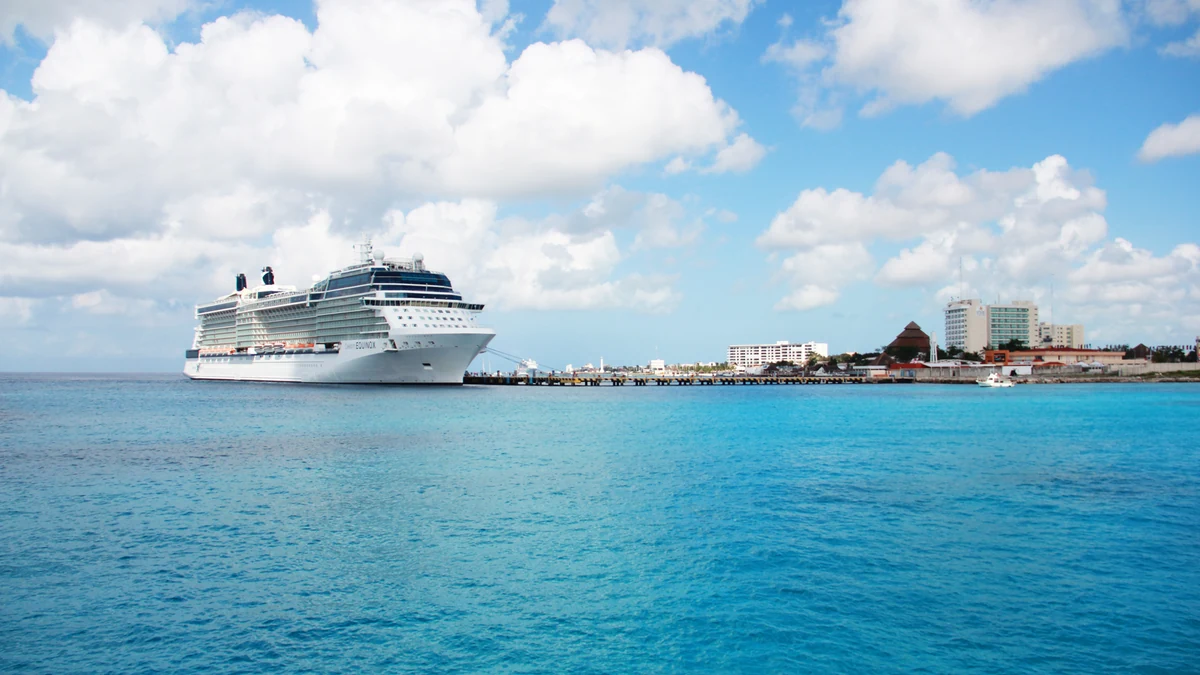
Cozumel cruise portworks well when the pier is treated as the first decision, not a footnote. Ships can use Punta Langosta beside central San Miguel or the International and Puerta Maya complexes several kilometres south. The same plan can therefore begin with an easy town walk or an immediate taxi negotiation.
The island offers three strong but competing day styles: reef or beach time, a circuit of the east and south coasts, or a slower visit centred on San Miguel. A mainland trip through the passenger ferry is possible, but it introduces a sea crossing, a second transport system and a much less forgiving return.
For most first-time visitors, the best value comes from one clearly chosen experience followed by flexible time near the correct pier. Cozumel is easy to enjoy; it becomes stressful when passengers try to collect a beach, snorkel tour, island drive, shopping and Playa del Carmen in one call.
Cozumel Cruise Port at a Glance
| Port name | Cozumel Cruise Port / San Miguel de Cozumel |
|---|---|
| Main arrival area | One of three principal cruise piers, with very different relationships to San Miguel |
| Cruise region | Mexico / Central America / Panama Canal |
| Country / Territory | Mexico |
| Currency | Mexican peso (MXN); US dollars are widely quoted in visitor areas but exchange rates vary |
| Languages | Spanish and English |
| Port role | Major Caribbean day-call port |
| Disembarkation | Docked at Punta Langosta, International Pier or Puerta Maya; assignment is sailing-specific |
| Walkability | High from Punta Langosta into San Miguel; low from the southern piers to town |
| Shuttle required | Not normally; taxis are the practical link from the southern terminals |
| Main transport | Walking from Punta Langosta, regulated taxis, pre-booked tours, rental vehicles and passenger ferry to Playa del Carmen |
| Best first-time plan | Confirm the pier, then choose either San Miguel, a reef or beach day, or a controlled island circuit rather than combining all three |
| Main caution | Planning from the word Cozumel without checking which pier the ship actually uses |
Weather & Best Time to Visit Cozumel
January to March
Typical high:27–29°C
Typical low:19–22°C
Rain / conditions:Warm and generally drier, with occasional brisk northerly winds that can affect small boats.
April to June
Typical high:30–32°C
Typical low:23–26°C
Rain / conditions:Hotter and more humid, with increasing showers and strong sun.
July to September
Typical high:31–33°C
Typical low:25–27°C
Rain / conditions:Very warm and humid; tropical downpours and storm disruption are possible.
October to December
Typical high:28–31°C
Typical low:21–25°C
Rain / conditions:Rain risk remains early, then conditions usually become drier and more comfortable.
Weather guide: CruisePing summary based on NASA POWER climate data for Cozumel. Check thelatest forecastfor the call.
A “norte” can make the western water rough enough to alter snorkel and ferry plans even when the ship remains alongside. Ask about the actual site rather than assuming every coast has the same conditions.
Heat is most demanding on exposed piers, beach roads and archaeological visits. Start the least shaded part early and keep water available before reaching the first sales area.
Your Cozumel Pier Changes the Day
Punta Langosta sits beside San Miguel, placing the waterfront, shops, restaurants and central streets within a straightforward walk after leaving the terminal. Check APIQROO’slive Cozumel cruise-arrival scheduleclose to the call, because the assigned pier changes whether San Miguel is walkable or requires a taxi.
International Pier and Puerta Maya are south of town, with their own retail areas and taxi ranks; walking to central San Miguel is not a sensible use of a short call.
A berth can change close to sailing, so use the cruise line’s final notice and the signs visible from the ship rather than a generic online itinerary.
Photograph the pier name when going ashore because “the cruise terminal” is not a precise return instruction on an island serving several ships. A workable plan should still function after a thirty-minute delay; if it does not, remove a connection or move the activity closer to Cozumel.
San Miguel without Overplanning
The central waterfront and streets around the main square suit passengers who want a relaxed meal, shopping and a sense of local town life without committing to a long transfer. Theofficial Cozumel tourism siteis a useful starting point for current town, beach and visitor information.
Move a few streets inland before judging the town; the first line of cruise-focused shops is useful, but it is not the whole of San Miguel.
The town plan is strongest from Punta Langosta and weaker from the southern piers once two taxi journeys and waiting are added.
Use a café or shaded restaurant as deliberate recovery time rather than treating every minute off the ship as another shopping stop.
Reef and Snorkel Choices
Cozumel’s reef system is the island’s main natural draw, but the correct site depends on sea state, experience, marine rules and the operator’s route that day.
A boat snorkel can provide better reef access than swimming from a beach club, while a shore snorkel offers an easier exit for nervous swimmers and families.
Read equipment, flotation, age and medical restrictions before paying, and do not assume a strong swimmer is automatically comfortable in current or deep water.
Marine-park controls and temporary closures protect the reef; an operator changing site can be responsible management rather than evidence of a poor excursion. Use the slowest member of the group to judge the timing.
Chankanaab and South-Coast Beach Parks
Chankanaab and other developed south-coast venues combine water access, facilities, food and organised activities, reducing the number of separate bookings needed. For current ideas beyond a single commercial park, use the municipality’sofficial things-to-do guide.
A beach club’s headline admission does not always include the same loungers, food, snorkel equipment or premium areas, so compare the complete package.
Taxi travel from the southern piers can be short, but traffic and multiple ship calls still affect the return; agree whether the driver is waiting or a fresh taxi will be needed.
Choose the venue for the actual priority—reef entry, sandy swimming, pool, shade or family facilities—because no single beach park is best at everything.
The East-Coast Island Loop
An island drive opens the less-developed east coast, where beaches, surf and roadside stops create a very different atmosphere from the cruise-pier corridor.
The east coast is exposed and swimming conditions can be unsafe; use local warnings and do not interpret an empty beach as permission to enter rough water. A clear one-sentence plan is usually robust.
A taxi circuit provides a driver and removes parking responsibility, while a rental vehicle gives flexibility but transfers navigation, insurance and timing risk to the passenger.
Set the number of stops before departure. A loop loses its value when every bar and viewpoint becomes a negotiation and the return across the island begins late.
San Gervasio and Inland History
San Gervasio provides Maya history within Cozumel and avoids the mainland ferry, though the site is smaller than the famous Yucatán complexes.
The visit involves heat, uneven ground and limited shade, so footwear and water matter more than the modest distance shown on a map.
A guide can add meaning to structures that are otherwise easy to pass quickly; decide whether interpretation or simply seeing the site is the aim.
Combine San Gervasio with a controlled island route rather than squeezing it between a fixed snorkel departure and a late beach booking.
Playa del Carmen and the Mainland Ferry
The passenger ferry links San Miguel with Playa del Carmen, but the journey is only one part of the plan: passengers must reach the ferry terminal, queue, cross, move through the mainland town and repeat every stage in reverse. Recheck theofficial passenger-ferry schedulesbefore committing to a mainland day.
Sea conditions can make the crossing uncomfortable and schedules can change, creating a risk that does not exist on an island-only day.
A mainland archaeological excursion such as Tulum requires additional road transport after the ferry, making ship protection particularly valuable on a normal-length call. Keep outward and return arrangements in the same note.
Passengers determined to visit Playa del Carmen independently should use a much earlier return crossing than the last one that appears theoretically possible. A sensible buffer is usable time once the group is safely back near Cozumel, but a missing buffer cannot be recreated when a connection is late.
Taxis, Rentals and Payment
Official taxi information and displayed tariffs should be checked at the current terminal, with the destination and currency repeated before departure. Choose for the actual interests of the group.
US-dollar quotes are common, but a poor exchange rate can make a peso payment better; carry smaller notes and do not assume every driver or beach venue can change a large bill.
Rental scooters expose inexperienced riders to traffic, weather and unfamiliar roads; a holiday island is not a suitable place to learn.
Photograph the vehicle or note its number when arranging a later pickup, and keep separate return cash rather than spending the entire budget at the first venue.
Mobility and Family Planning
Terminal complexes are generally level, but pier length, heat and the steps or ladders used by boats can turn an apparently easy outing into a demanding one.
Ask whether a snorkel boat boards from a pier or beach and whether passengers must climb a ladder from the water; these details matter more than the advertised duration.
Families should choose one base with toilets, shade and predictable food instead of moving children between several taxis and water activities.
Wheelchair users should confirm accessible vehicles and surfaces with the operator, since a venue described as accessible may still have sand or an awkward water entry.
Island Day or Mainland Gamble?
An island day keeps every stage within Cozumel and leaves several fallback options if weather changes. It is the stronger default for a first visit and for calls with limited time.
A mainland excursion can be worthwhile when one named site is the clear purpose of the call, but the ferry and road transfer should be treated as operational risks rather than incidental travel.
A ship excursion buys return protection and coordination across the ferry system; an independent mainland plan may save money but requires a much larger self-imposed buffer.
For mixed-interest groups, separate plans can work only when everyone knows the correct pier and the ship’s return process. Do not let one group carry the other group’s documents or only working phone.
Cozumel Cruise Port Mistakes
The most avoidable problems at Cozumel come from treating a small map as proof of an easy operation.
- Leaving the ship without confirming the pier: recheck this against the ship’s current call information and protect the route back.
- Trying to walk from the southern piers to San Miguel: recheck this against the ship’s current call information and protect the route back.
- Booking a mainland day around the latest possible ferry: recheck this against the ship’s current call information and protect the route back.
- Assuming every beach has safe sandy swimming: recheck this against the ship’s current call information and protect the route back.
- Hiring a vehicle without agreeing currency and return terms: recheck this against the ship’s current call information and protect the route back.
- Ignoring marine restrictions or sea conditions: recheck this against the ship’s current call information and protect the route back.
- Putting several fixed-time water activities into one call: recheck this against the ship’s current call information and protect the route back.
- Returning to the wrong cruise terminal: recheck this against the ship’s current call information and protect the route back.
Cozumel Cruise Port Checklist
Use this as a final practical review for Cozumel.
- Final pier assignment saved.
- One primary day style chosen.
- Taxi currency and fare approach understood.
- Reef or water restrictions checked.
- Mainland ferry avoided unless the destination justifies the risk.
- Return cash kept separate.
- Sun, water and footwear prepared.
- Boat boarding and mobility details confirmed.
- Pier name photographed.
- Fallback kept near the terminal or San Miguel.
What to Confirm before Going Ashore
Check the ship’s all-aboard time against local time and note whether the gangway closes before the published departure.
Download the island map and mark the actual pier, San Miguel, the chosen venue and the route across the island if using a vehicle.
Ask beach and snorkel operators which elements are included, where valuables are stored and how a weather cancellation is handled.
If using the ferry, save both the official timetable and a much earlier personal return target, then monitor the sea before committing.
Carry reef-safe sun protection where required and avoid touching coral or standing on living reef, even when other visitors do so.
Keep identification, ship contact details and enough money for a direct taxi back in a waterproof pouch.
Useful Official Links for Cozumel
Pier allocation and ferry timing shape this port day, so check these current official sources before leaving the ship.
- Live Cozumel cruise-arrival schedule
- Official passenger-ferry schedules
- Official Cozumel tourism information
- Cozumel visitor assistance and CAPTA
- Visit Mexico guide to Cozumel
Cozumel Cruise Port FAQ
Which Cozumel pier will my ship use?
The cruise line assigns the berth and may change it. Check final sailing information for Punta Langosta, International Pier or Puerta Maya.
Can I walk into town?
Punta Langosta is beside central San Miguel. From International Pier or Puerta Maya, a taxi is the practical choice.
Is it safe to take the ferry to Playa del Carmen?
The ferry is a normal service, but it adds sea-state and timetable risk. Use a large return buffer and consider a ship excursion for a mainland archaeological trip.
Do I need a beach excursion?
No. You can arrange a taxi to a suitable venue, but compare current admission, facilities and return transport.
What currency should I use?
Mexican pesos are the local currency. US dollars are widely quoted in visitor areas, but exchange rates and change can be unfavourable.
Is Cozumel good for limited mobility?
Terminal areas can be manageable, while boats, sand and water access vary. Confirm the exact vehicle, boarding method and surfaces before booking.
Let the Assigned Pier Decide the Day
CruisePing would choose one clear theme: San Miguel and food, a reef or beach booking, or a controlled island circuit. The passenger ferry to Playa del Carmen adds another layer of sea timing and should be used only when the mainland attraction is the real reason for the day.
Cozumel’s three main cruise areas create three different starting points. Punta Langosta supports a town-first plan because San Miguel is close. International Pier and Puerta Maya favour a taxi-led beach, reef or island route. Confirm the pier before booking transport, because a plan that is easy from one terminal can waste the first hour from another.
CruisePing Port Verdict
Cozumel rewards a decisive plan. Confirm the pier, choose one strong island experience and use the remaining time near the ship instead of building the day around repeated transfers.
The mainland is not forbidden, but it should be chosen for a destination important enough to justify a ferry and road chain. For most passengers, Cozumel itself provides the better-balanced cruise day.
Ready to browse our article library?
Looking beyond Cozumel? Explore more ports in theMexico / Central America / Panama Canalregion, or narrow it toMexicoin particular. For cruise comparisons, planning shortcuts and value guides,head over to our main article archive.