
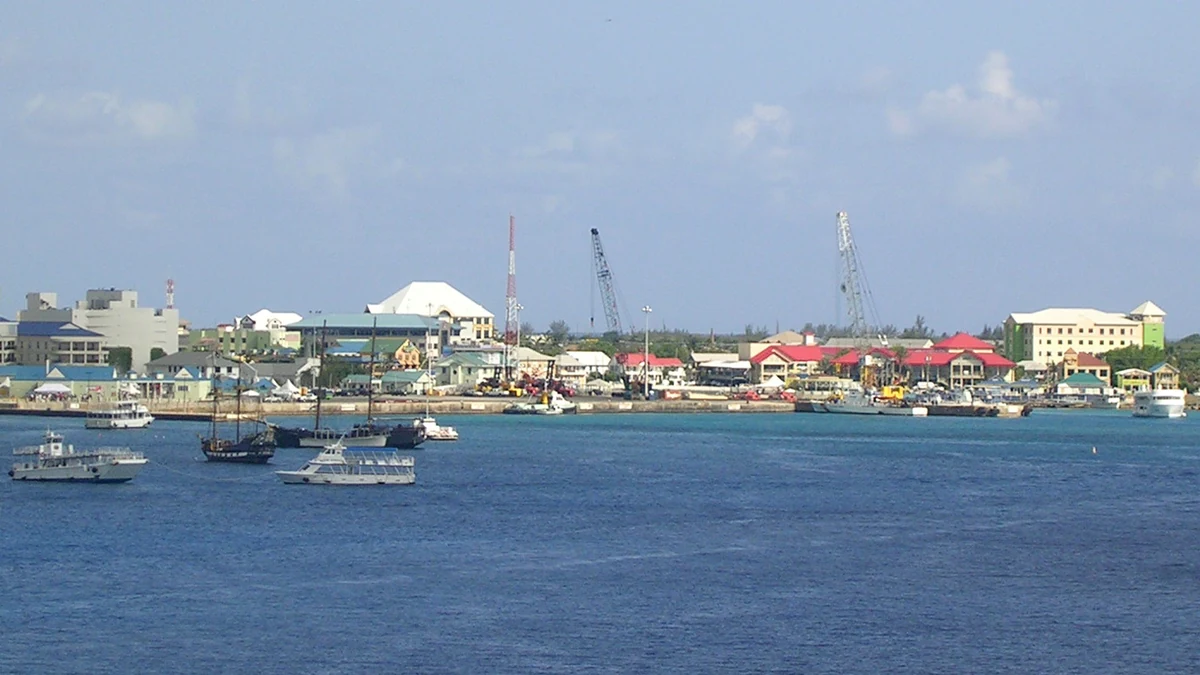
George Town cruise portis an offshore anchorage, not a conventional pier. Ships use tenders to bring passengers into the centre of Grand Cayman’s capital, normally through one of several landing terminals. That first boat journey affects the start time, mobility, excursion meetings and the return margin.
The strongest day choices are clearly different: a boat trip to Stingray City and nearby snorkel sites, beach time along Seven Mile Beach, or a slower combination of George Town and one island attraction. Each is realistic. Problems begin when a passenger assumes the tender, bus, beach and boat timetable will join together without waiting.
A good first visit books the least flexible water activity early, returns to the George Town area with time in hand and uses shopping or a waterfront walk as the flexible finish. This approach protects the ship without reducing the quality of the main experience.
George Town Cruise Port at a Glance
| Port name | George Town Cruise Port, Grand Cayman |
|---|---|
| Main arrival area | South, North or Royal Watler tender terminal in central George Town, allocated according to operations |
| Cruise region | Caribbean & Bahamas |
| Country / Territory | Cayman Islands |
| Currency | Cayman Islands dollar (KYD); US dollars widely accepted with local conversion practices |
| Languages | English |
| Port role | Major tender day-call port |
| Disembarkation | Tender to one of the central George Town landing terminals |
| Walkability | High within central George Town; transport required for beaches and island attractions |
| Shuttle required | No general shuttle; tenders, public buses, taxis and tour vehicles form the transport chain |
| Main transport | Ship or local tenders, public minibuses, taxis, pre-booked boat tours and rental cars |
| Best first-time plan | Book one water or beach priority, then keep the final part of the day in central George Town before joining the return tender |
| Main caution | Treating the ship’s scheduled departure as the time to arrive at the tender queue |
Weather & Best Time to Visit George Town
January to March
Typical high:27–29°C
Typical low:22–24°C
Rain / conditions:Warm and relatively drier, with occasional breezy fronts and rougher tender conditions.
April to June
Typical high:29–31°C
Typical low:24–26°C
Rain / conditions:Hotter, more humid and increasingly showery.
July to September
Typical high:31–32°C
Typical low:25–27°C
Rain / conditions:Very warm with thunderstorms and tropical-weather risk.
October to December
Typical high:28–31°C
Typical low:23–26°C
Rain / conditions:Wet early, usually becoming drier and more comfortable later in the period.
Weather guide: CruisePing summary based on NASA POWER climate data for George Town, Grand Cayman. Check thelatest forecastfor the call.
Tendering makes wind and swell operational issues, not merely beach conditions. The captain and port decide whether a safe landing is possible.
Seven Mile Beach can look calm while an offshore boat excursion faces different conditions, so check the exact operator and site rather than relying on a general island forecast.
How the George Town Tender System Works
Cruise ships anchor offshore and tender passengers to central terminals operated as part of the port system. The specific landing can change according to ship position and daily operations. Use thePort Authority of the Cayman Islandsfor current port and ship information rather than relying on an old tender map.
Cruise-line excursions may receive priority tenders, while independent passengers follow the ship’s ticket or queue process. Read the notice before breakfast rather than discovering it at the gangway.
The outward ride is only half the tender calculation. Returning passengers may queue ashore and then wait for boats to load, travel and clear ship security.
Sea conditions can delay or cancel the call. A calm-looking waterfront does not override the captain’s and port authority’s safety decision. A workable plan should still function after a thirty-minute delay; if it does not, remove a connection or move the activity closer to George Town.
Finding Your Bearings in George Town
The tender terminals place passengers near the central waterfront, shops, restaurants, the National Museum and the compact historic core. The official tourism board’sGeorge Town attractions guideis useful for refining a short walking route.
George Town is useful as the final flexible part of the day because it allows passengers to shorten a meal or shopping stop and join the tender queue early.
Do not confuse the landing terminal with the place every excursion meets; operators may use a separate roadside point or marina.
Photograph the terminal name and nearby landmark, since the correct return is not always the first dock visible from the street.
Seven Mile Beach without Guesswork
Seven Mile Beach is a long public coastline with different access points, facilities and degrees of crowding rather than one gated attraction. Check the tourism board’sSeven Mile Beach informationbefore choosing an access point.
Choose access according to toilets, shade, food, water conditions and the practical return, not simply the first beach name offered at the tender exit.
Public buses can be economical, while taxis provide a clearer direct route for groups; both become busier as several ships return at similar times.
Do not walk back to George Town in the heat because the map appears manageable. The route is much longer and less pleasant than a short beach stroll. Use the slowest member of the group to judge the timing.
Stingray City and Boat Excursions
Stingray City is reached by boat from a marina, so the complete outing includes road transfer, check-in, vessel boarding, weather and the return to George Town.
Choose an operator with a clear ship-passenger return plan and an exact meeting point. A vague promise to be “back in time” is not enough.
Wildlife instructions matter: follow the crew’s direction, avoid chasing animals and understand that sightings and water conditions cannot be guaranteed.
A ship excursion adds coordination and return protection; a reputable independent tour may offer a smaller group but needs a conservative timetable.
A Walkable George Town Day
The waterfront, museum, churches, shops and restaurants can create an enjoyable low-transfer day, especially after repeated beach ports.
Use the National Museum or a guided walk to add historical context rather than treating George Town solely as a duty-free stop. A clear one-sentence plan is usually robust.
Heat and traffic reduce the appeal of wandering without a route. Choose a small circuit and use shade or an indoor stop around midday.
Check opening days and hours because a building important to the plan may not match the ship’s call schedule.
Public Buses and Taxis
Public minibuses operate from central George Town to several island districts and can serve Seven Mile Beach and West Bay routes. The officialCayman Islands getting-around guideis the sensible place to check current transport options.
Buses are useful for flexible passengers who understand the return route, but they are not a substitute for a protected connection to a timed boat tour.
Taxi fares and sharing practices should be confirmed before departure, including whether the quote is per person or for the vehicle.
Allow for traffic on the return, particularly when beach, school and cruise movements overlap.
West Bay, Hell and the Turtle Centre
West Bay attractions can be combined by taxi or tour, but the value depends on genuine interest rather than the convenience of a standard island circuit.
A brief photo stop at Hell is very different from a substantial wildlife attraction visit, so ask how long the tour allocates to each.
Animal attractions should be judged against current welfare, conservation and interaction practices, not only promotional claims. Keep outward and return arrangements in the same note.
An island tour works best when it returns to George Town before the final tender pressure rather than using every available minute. A sensible buffer is usable time once the group is safely back near George Town, but a missing buffer cannot be recreated when a connection is late.
Rum Point and the Eastern Districts
Rum Point and the quieter eastern side offer a different Grand Cayman experience, but road distances make them less forgiving on a normal call. Choose for the actual interests of the group.
A ship or well-timed private tour is stronger than assembling buses and taxis independently for a distant beach.
Road traffic can build around George Town, and a destination that feels peaceful may still require a slow return through the capital.
Choose the east only when it is the central purpose of the day, not as an additional stop after Stingray City or Seven Mile Beach.
Money, Connectivity and Comfort
US dollars are widely accepted, but change may be given in Cayman Islands dollars and the effective conversion should be understood before paying.
Cards are common at established businesses, while small transport and beach transactions may still be easier with suitable cash.
Mobile data can help with maps and operator contact, but save booking details and the ship’s local number offline.
Carry sun protection and water from the start; tender queues and roadside waits can be exposed even when the attraction itself has shade.
Tender Mobility and Accessibility
The tender transfer may involve steps, movement between vessels and crew-assisted boarding, making it the key barrier for passengers with reduced mobility.
Ask the cruise line about accessible tender operation before booking an ashore attraction; conditions can prevent an otherwise available service.
Central George Town has relatively level sections, while boat ladders, sand and uneven beach access vary by operator and site.
A mobility-friendly plan can centre on the waterfront and one direct taxi destination, avoiding repeated transfers and uncertain public access points.
Beach Day, Boat Tour or George Town?
A boat tour should be booked first because departure and marina transport are fixed. Keep the afternoon flexible and close to the tender.
A beach day offers more control, especially when passengers choose one access point with known facilities and leave before the return rush.
A town day sacrifices the headline water experiences but gives the greatest control and can be the best choice in marginal weather or for limited mobility.
Trying to combine Stingray City, a long beach session and extensive shopping usually converts a relaxed island into a chain of queues. Choose two at most, with the second close to the landing.
George Town Cruise Port Mistakes
The most avoidable problems at George Town come from treating a small map as proof of an easy operation.
- Forgetting that every passenger must tender both ways: recheck this against the ship’s current call information and protect the route back.
- Using the final tender as a planned return: recheck this against the ship’s current call information and protect the route back.
- Treating Seven Mile Beach as one single facility: recheck this against the ship’s current call information and protect the route back.
- Booking an independent boat tour without the marina transfer details: recheck this against the ship’s current call information and protect the route back.
- Assuming a bus will protect a fixed departure: recheck this against the ship’s current call information and protect the route back.
- Ignoring wildlife instructions at Stingray City: recheck this against the ship’s current call information and protect the route back.
- Taking a distant east-island route after a morning tour: recheck this against the ship’s current call information and protect the route back.
- Returning to the wrong tender terminal: recheck this against the ship’s current call information and protect the route back.
George Town Cruise Port Checklist
Use this as a final practical review for George Town.
- Tender ticket or priority process understood.
- Landing terminal noted.
- Primary boat or beach choice fixed.
- Operator meeting point saved offline.
- Return route and traffic margin planned.
- Cash conversion understood.
- Wildlife and water rules checked.
- Mobility needs discussed with the ship.
- Final George Town buffer protected.
- Latest forecast and sea state reviewed.
Return Planning for a Tender Port
Set a target for reaching central George Town that is comfortably earlier than the ship’s stated last tender.
Ask an independent operator what happens if the ship tenders late and whether the excursion start is adjusted or cancelled.
Stand where the taxi or bus can collect without blocking port traffic, and verify the vehicle before loading the group.
Keep purchases compact because bags must be carried through the tender and ship security on the return. A clear one-sentence plan is usually robust.
Use a visible central landmark as a group reunion point if passengers separate for shopping.
Watch the tender queue before ordering a final meal; service time is less predictable than walking distance.
Useful Official Links for George Town
Tender operations, beach access and local transport can change the best plan, so use these current Cayman sources.
- Port Authority of the Cayman Islands
- Official Cayman Islands transport guide
- Official George Town attractions guide
- Official Seven Mile Beach information
George Town Cruise Port FAQ
Do cruise ships dock in George Town?
No. Cruise ships normally anchor offshore and tender passengers to central George Town.
Which tender terminal will I use?
The operational landing can vary. Follow the ship’s current instructions and note the terminal for the return.
Can I take a bus to Seven Mile Beach?
Public minibuses serve the beach corridor, but confirm the current route and leave a generous return margin.
Is Stingray City close to the tender?
No. It requires road transport to a marina and then a boat journey.
Can I use US dollars?
US dollars are widely accepted, though exchange and change practices vary. Cayman Islands dollars are the local currency.
What happens in rough weather?
Tendering and small-boat tours may be altered or cancelled for safety, even when activities on land remain possible.
Tender Timing Decides Beach or Boat
Keep central George Town for the last part of the call. The waterfront, shops and short town stops are close enough to absorb spare time without placing another taxi or boat connection between you and the return tender.
George Town works best when the first timed choice is made before joining the tender ashore. Stingray City or another boat trip should anchor the day; Seven Mile Beach is the simpler alternative. Trying to add both after a slow tender start usually turns the final return into the main event.
CruisePing Port Verdict
George Town is easy to understand once the tender is made part of every calculation. Book the least flexible water activity first, return to the capital early and let the town absorb any spare time.
Seven Mile Beach, Stingray City and George Town are each strong choices. The mistake is not choosing the wrong one; it is pretending that all three fit comfortably into the same tender call.
Ready to browse our article library?
Looking beyond George Town? Explore more ports in theCaribbean & Bahamasregion, or narrow it toCayman Islandsin particular. For cruise comparisons, planning shortcuts and value guides,head over to our main article archive.