
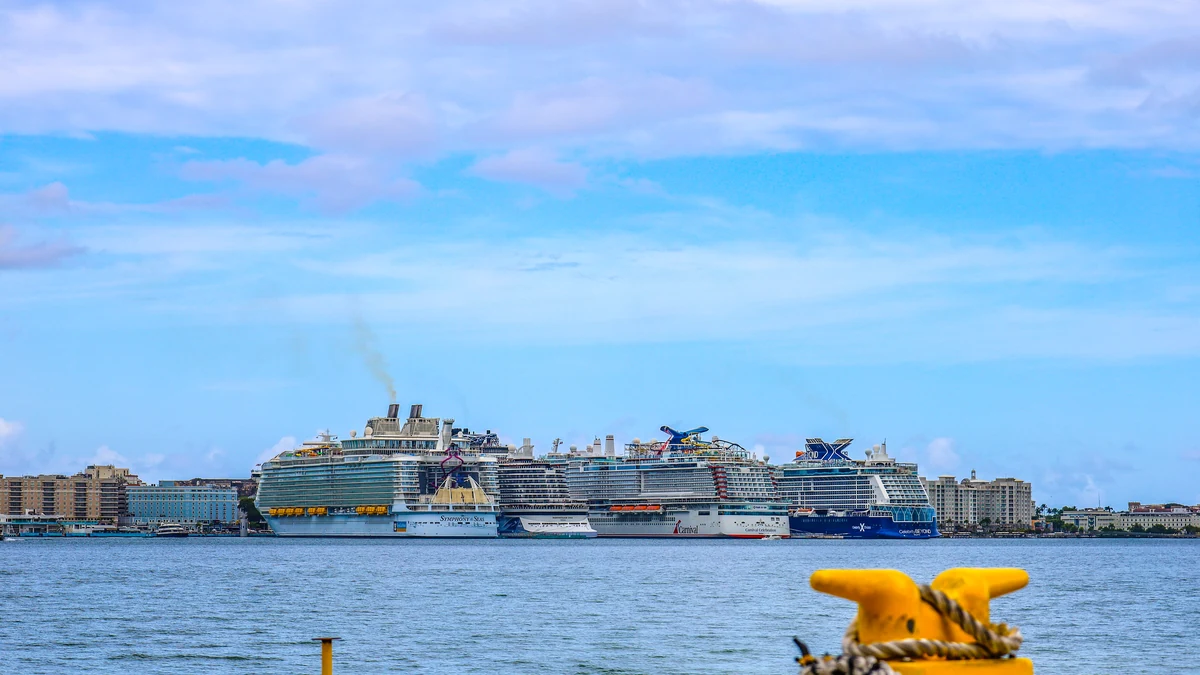
San Juan is both an outstanding walk-off port of call and one of the Caribbean’s major embarkation cities. Those two experiences begin at different piers. Transit ships often use the Old San Juan waterfront, where passengers can walk directly into the historic city. Homeport vessels may use the Pan American piers or other facilities across the bay, where taxis or rideshares are needed before sightseeing.
Check the terminal before booking a hotel, airport transfer or self-guided route. The current San Juan Cruise Port information distinguishes the Old San Juan and Homeport districts. A map showing “San Juan cruise port” without a pier number can place a traveller on the wrong side of the bay and turn a short transfer into a stressful one.
San Juan Cruise Port at a Glance
| Port name | San Juan Cruise Port (Puerto Rico) |
|---|---|
| Main arrival area | Old San Juan piers or the Homeport/Pan American terminal district |
| Cruise region | Caribbean & Bahamas |
| Country / Territory | Puerto Rico |
| Currency | US dollar (USD) |
| Languages | Spanish and English |
| Port role | Major day-call and homeport cruise gateway |
| Disembarkation | Docked at an Old San Juan pier or a Homeport/Pan American district berth |
| Walkability | Excellent from Old San Juan piers; low from Pan American without a taxi |
| Shuttle required | No universal shuttle; taxis and rideshares connect airport, hotels and non-walkable piers |
| Main transport | Walking, taxis, rideshares, tour vehicles and local ferry |
| Best first-time plan | Walk Old San Juan, visit one major fort and leave time for a Puerto Rican lunch |
| Main caution | Do not assume every ship docks within walking distance of Old San Juan |
Weather & Best Time to Visit San Juan
January to March
Typical high: 28–30°C
Typical low: 21–24°C
Rain / conditions: Warm, breezy and generally drier; excellent for extended Old San Juan walking.
April to June
Typical high: 30–32°C
Typical low: 24–26°C
Rain / conditions: Hotter and more humid, with showers and strong sun on fort lawns and streets.
July to September
Typical high: 31–33°C
Typical low: 25–27°C
Rain / conditions: Very warm and within hurricane season; port, flight and excursion changes are possible.
October to December
Typical high: 29–32°C
Typical low: 23–26°C
Rain / conditions: Showers remain variable before breezier winter conditions develop.
Weather guide: CruisePing seasonal planning ranges for metropolitan San Juan. Check the National Weather Service forecast close to sailing.
Old San Juan’s heat is intensified by stone, steep streets and exposed fort grounds. Start with the farther or more physical attraction and use the hottest part of the day for lunch, a museum or the return towards the ship. A short tropical shower is manageable; lightning or a hurricane-related change requires a different plan.
Which San Juan Cruise Terminal Will You Use?
The Old San Juan district includes waterfront piers beside the historic city. For a day call, this is one of the Caribbean’s best arrival positions. Paseo de la Princesa, city streets, shops and restaurants begin within minutes, though the forts are uphill and farther than the first colourful façades suggest.
The Homeport district includes the Pan American piers and related facilities across the bay near the convention centre area. The Puerto Rico Tourism Company explains that passengers embarking there need a taxi or rideshare for the city. Do not walk from Old San Juan to a Pan American terminal; the road route is not a simple bayfront stroll.
Terminal assignments can change during redevelopment or operational adjustments. Use the cruise line’s final documents and the port’s current information. Drivers need the ship, pier or district rather than a generic request for “the cruise terminal”.
Old San Juan from the Cruise Piers
Castillo San Cristóbal
San Cristóbal is often the most efficient first fort from the waterfront because it lies closer to the eastern side of the old city. The San Juan National Historic Site covers San Cristóbal, El Morro, walls and related defensive structures. Check current opening hours, fees and any work before setting the route.
The fort is extensive, with ramps, tunnels, plazas and exposed viewpoints. Allow at least an hour for a meaningful visit. Passengers who cannot manage the full site can still use the entrance level and nearby viewpoints, but should confirm lift or accessible-route availability with the National Park Service.
Castillo San Felipe del Morro
El Morro stands at the north-western edge of Old San Juan behind a large open lawn. The walk is visually rewarding but longer and hotter than it looks from the city streets. Approach through the historic centre, carry water and avoid leaving the entire visit until the final hour.
The strongest route visits El Morro first, then returns downhill through Calle del Cristo, plazas and the San Juan Gate. Passengers who want only one fort can choose El Morro for the iconic setting or San Cristóbal for a more efficient route from many piers.
City Walls, San Juan Gate and Paseo de la Princesa
Paseo de la Princesa runs near the waterfront and leads towards the red San Juan Gate and the walls below the old city. It is a good lower-gradient introduction when the fort climbs feel excessive. Shade varies, and sections can be quieter than the central shopping streets.
The gate can be combined with the cathedral, Calle del Cristo and a return through the plazas. This route provides architecture and history without requiring a paid excursion. Wear shoes with grip because cobbles become slippery after rain.
Plazas, Churches and Streets
Old San Juan rewards slow movement between Plaza Colón, Plaza de Armas, the cathedral and smaller streets. The official Discover Puerto Rico cruise guide confirms how directly the old city connects with the waterfront piers.
Do not turn the walk into a search for every photographed façade. Choose a fort, one lower city route and a meal. The city’s scale encourages detours, but hills and humidity accumulate. Use landmarks rather than relying continuously on phone navigation in narrow streets.
Food, Rum and Shopping
San Juan is a strong food port. A cruise-day meal might include mofongo, arroz con gandules, seafood, roast pork or lighter contemporary Puerto Rican cooking. Reserve only when the restaurant’s timing fits the route; otherwise choose a well-reviewed place encountered between the fort and ship.
Rum tastings and distillery excursions can be enjoyable, but a trip across the bay or beyond the old city uses transport time. The ferry from Pier 2 to Cataño can form part of a planned route, and the port publishes current ferry information. Confirm the return and attraction booking before crossing.
Old San Juan has local crafts, art, food products and many generic souvenir shops. Ask where goods were made. Leave bulky or liquid purchases until the route is returning towards the ship, and check cruise-line rules before buying alcohol.
Beaches and Neighbourhoods Beyond Old San Juan
Condado offers hotels, restaurants and an urban beach setting east of the old city. It suits embarkation passengers staying overnight and day visitors who want a resort-style break. The sea can be rough, so use designated swimming areas and current local advice rather than assuming every visible stretch is safe.
Escambrón is closer to the historic centre and can be paired with a taxi ride and a shorter beach visit. Facilities and water conditions vary. A beach should replace part of the old-city route, not be added after two forts and a long lunch.
Santurce provides street art, markets, restaurants and contemporary city life. It works better on a pre- or post-cruise stay than on a short day call. Passengers staying overnight can combine Santurce with Condado while keeping Old San Juan for a separate half day.
El Yunque and Longer Excursions
El Yunque National Forest is a major Puerto Rico attraction, but it is not close to the cruise port. Road traffic, timed entry or tour arrangements, weather and trail access must be checked. The strongest cruise version is a ship excursion or established private tour with one clear forest route.
Do not combine a serious El Yunque visit with a complete Old San Juan walking day. A short photograph stop in the forest is not equivalent to exploring it, and the return through metropolitan traffic needs protection. Passengers with a hotel night should place El Yunque before or after the cruise rather than inside embarkation day.
Bioluminescent bay trips happen after dark and therefore do not fit a normal daytime call. They can suit a pre-cruise stay when transport and return are organised. Avoid booking an evening activity on the same that morning.day as a delayed flight without a recovery plan.
San Juan Cruise Port for Embarkation
Arrive at least one day before sailing when flights permit. San Juan offers enough to reward the hotel cost, while the extra night protects against missed connections. Choose Old San Juan for atmosphere and walking, Condado for beach and hotels, or the convention-centre area for convenient access to Pan American piers.
The port’s current FAQ gives indicative airport travel times, but traffic and terminal queues can extend them. Luis Muñoz Marín International Airport is not connected to the cruise terminals by a simple rail service. Taxis and rideshares are the normal choices.
On embarkation morning, keep luggage with the hotel until the boarding window when possible. Confirm the terminal after breakfast, not weeks earlier only. A driver should repeat the pier or Pan American district before leaving.
Disembarkation and Late Flights
Passengers with a late flight can explore only after solving luggage storage and airport transfer. Some cruise lines offer excursions ending at the airport; hotels or commercial services may store bags, but availability should be confirmed. Do not plan to wheel luggage around Old San Juan’s cobbles.
Allow additional airport time during busy cruise weekends. Multiple ships can create concentrated taxi demand and check-in queues. A relaxed breakfast and controlled transfer are safer than a final sightseeing stop with all luggage in the vehicle.
If the flight departs the following day, use the hotel night for a neighbourhood the cruise call did not cover. Condado, Santurce or a longer Puerto Rico excursion adds more value than repeating the same that morning.pier-area shops.
San Juan Cruise Port: DIY or Organised Excursion?
Old San Juan is ideal for independent exploration from a waterfront pier. The route is clear, official information is available and taxis can be used selectively. A guided walk adds historical depth, particularly for passengers who want the forts and colonial system explained rather than simply photographed.
Use an organised tour for El Yunque, distilleries requiring timed transport, mobility-specific touring or any day beginning at the Pan American piers with several destinations. The tour should name the terminal collection point and the final return margin.
Embarkation passengers benefit more from a pre-booked airport transfer than from a city tour attached to the transfer. Keep sightseeing and luggage logistics separate unless a reputable service explicitly combines them.
CruisePing Recommended San Juan Port Day
From an Old San Juan pier, walk first to San Cristóbal or take a short taxi towards El Morro and work downhill. Visit one fort properly, follow the walls and San Juan Gate route, then eat in the historic centre. Return through the plazas and shops nearest the waterfront.
From the Pan American district, take a taxi directly to the chosen fort or Plaza Colón. Ask the driver to use a named pickup point for the return or rely on a rideshare with enough time. Do not spend the first hour walking around the terminal looking for Old San Juan.
For repeat visitors, replace the fort route with Santurce, Condado, Escambrón or a controlled rum excursion. El Yunque is best reserved for a long call or land stay.
Mobility, Families and City Conditions
Old San Juan has steep streets, cobbles, kerbs and heat. Wheelchair users should plan a route around accessible fort entrances, lower waterfront paths and vehicles between levels. The National Park Service can advise on current accessible areas.
Families should choose one fort and allow time for shade, toilets and food. The open lawns around El Morro are attractive but exposed. Children need close supervision near roads and fort edges, and pushchairs can be difficult on cobbles.
Carry water, sunscreen and a light rain layer. Comfortable shoes matter more than formal cruise clothing. Passengers with respiratory or heat concerns should use taxis for uphill sections and avoid the midday fort lawns.
A Practical Old San Juan Walking Route
From the waterfront, begin by identifying whether the ship is nearer Plaza Colón or Paseo de la Princesa. Passengers close to Plaza Colón can reach San Cristóbal quickly and then walk west through the upper city. Those near the southern waterfront can follow Paseo de la Princesa and the city walls before climbing through the San Juan Gate.
A balanced route uses one climb rather than repeatedly moving between the upper and lower city. For San Cristóbal, visit the fort first, continue towards the central plazas and cathedral, descend to the gate and finish along the waterfront. For El Morro, use a taxi or walk through the city to the fort, then return gradually downhill.
The blue cobbles are attractive but can be uneven and slippery. Cross streets carefully, especially when following a group or photographing balconies. Old San Juan is an active neighbourhood with deliveries, residents and government buildings, not a pedestrian theme park.
Allow unplanned time. A small museum, open courtyard or shaded plaza may be more enjoyable than another item on a checklist. The ship remains easy to reach when the final hour is spent in the lower old city rather than at the far edge of El Morro.
Current Port Redevelopment and Pier Information
San Juan Cruise Port is modernising both the Old San Juan and Homeport districts. Construction can change vehicle approaches, pedestrian channels and the appearance of a familiar pier. An old terminal photograph is therefore less useful than the final cruise documents and the port’s live notices.
Transit passengers should follow the marked exit rather than assuming they can leave by the same that morning.gate used on a previous call. Embarkation passengers should expect security and baggage instructions to vary by ship. Arriving excessively early can place travellers outside a terminal before check-in opens, while arriving late leaves no time to resolve a wrong-pier journey.
When a taxi driver appears uncertain, show the terminal address and ship name. “Old San Juan” can mean a neighbourhood, a hotel or several waterfront piers. “Pan American” can refer to more than one berth. Precise wording is the easiest protection against a mistaken drop-off.
Choosing a San Juan Hotel Before a Cruise
Old San Juan is best for passengers who want to walk to historic sites, restaurants and nightlife. Rooms can be in older buildings with stairs, compact lifts or difficult vehicle access. Ask about luggage handling and the exact taxi pickup point before booking.
Condado offers larger hotels, beach access and a wider choice of modern facilities. It provides a convenient base for a two-night stay, but neither Old San Juan nor the Pan American terminal is normally walkable with luggage. A taxi or rideshare remains part of embarkation morning.
The convention-centre and Isla Grande area is practical for Pan American departures and may reduce the final transfer. It has less historic atmosphere, so passengers arriving early should use a taxi for Old San Juan rather than expecting to wander there casually.
Hotels near the airport suit a late arrival but sacrifice the city experience. They can be sensible when the flight lands after dark and the cruise leaves the next day. Move directly to the ship or change hotels only when the extra journey has a clear benefit.
Airport, Taxi and Rideshare Planning
Luis Muñoz Marín International Airport lies east of the cruise districts. Taxi dispatch and rideshare pickup can differ by terminal, and large cruise weekends create concentrated demand. Follow airport signs rather than accepting unsolicited transport inside the arrivals hall.
Official taxi zones have traditionally used set tourism rates for some districts, while rideshare pricing changes with demand. Confirm the current fare method and any luggage charge. A larger group may need two vehicles, so do not judge the transfer solely by the advertised base price.
On disembarkation morning, taxis can queue at the terminal but supply is not guaranteed at every moment. Passengers with a tight flight should book the cruise line’s airport transfer or a reputable private service. The airport recommendation from the cruise line should be treated as a minimum, not permission to book the earliest possible departure.
If a flight is delayed on arrival day, notify the hotel and transfer provider. The extra pre-cruise night creates recovery space; it should not be filled with non-refundable activities immediately after the scheduled landing time.
Safety, Language and Practical Payments
San Juan is easy to navigate, but ordinary city awareness still applies. Keep phones and wallets secure in crowded streets, use licensed transport after dark and avoid quiet sections of the walls when few people are present. Follow current local guidance rather than treating the entire historic district as a controlled port zone.
Spanish and English are widely used in tourism. Street names may appear in Spanish, and showing a written destination helps when accents or traffic noise make communication difficult. Mobile maps work well, but save the terminal and hotel details offline in case data service drops.
US dollars are used throughout Puerto Rico. Cards are widely accepted, yet small cash is useful for tips, minor food purchases and a taxi contingency. Do not rely on a single card during embarkation; a bank security block is easier to resolve from a hotel than at a terminal gate.
What Changes on a Multi-Ship Day
Several ships can place thousands of visitors into Old San Juan at similar times. Fort ticket lines, restaurants and taxi demand rise, but the city is large enough to absorb passengers who walk beyond the first blocks. Start early and avoid eating at the exact midpoint of the cruise crowd’s schedule.
If the preferred fort is busy, reverse the route or visit the second fort rather than waiting in full sun. A guided tour with timed entry can save uncertainty, although passengers should still know where it ends. The lower waterfront route is a useful fallback when upper streets are congested.
Homeport passengers face a different concentration: luggage, coaches and airport arrivals converge around check-in. Keep documents accessible, label bags before reaching the pier and allow port staff to direct the vehicle. A calm terminal arrival is worth more than squeezing in one final city stop with suitcases.
Passengers who want to use the Cataño ferry should check the operating schedule and the last comfortable return before crossing. The short voyage is attractive, but a distillery reservation, ferry wait and taxi connection can fill several hours. Keep the old-city walking route shorter on that day.
When rain arrives, use San Cristóbal’s covered areas, a museum, café or lunch rather than attempting to sprint between distant sights. Streets can drain quickly, but cobbles remain slippery. Resume the route only when lightning and flooding are not concerns.
For repeat visits, the best improvement is usually depth rather than distance. A food tour, architectural walk or focused history guide can reveal more than another hurried circuit of Puerto Rico’s metropolitan area.
Always recheck the boarding document after breakfast, because an overnight operational change can alter the vehicle entrance even when the pier number remains the same that morning.
San Juan Cruise Port Checklist
- Confirm Old San Juan or Pan American/Homeport district.
- Save the ship, pier and terminal address offline.
- Choose one major fort rather than rushing both.
- Check National Park hours and current access.
- Arrange airport and hotel transport separately from sightseeing.
- Allow extra time during multi-ship embarkation weekends.
- Carry water and use taxis for steep or exposed sections.
- Keep luggage storage confirmed before disembarkation sightseeing.
Useful Official Links
Terminal identity is the essential first check; use the port and tourism sources before deciding whether the day is walkable.
- San Juan Cruise Port
- San Juan cruise districts and piers
- San Juan Cruise Port FAQ and transport guidance
- Discover Puerto Rico cruise planning
- San Juan National Historic Site
- Puerto Rico air and maritime access
San Juan Cruise Port FAQ
Can you walk into Old San Juan from the cruise ship?
Yes from most Old San Juan waterfront piers. Ships using the Pan American or Homeport district require a taxi or rideshare.
Which fort should a first-time visitor choose?
El Morro has the iconic setting and lawn. San Cristóbal is often more efficient from the piers and offers extensive tunnels, plazas and views.
How far is the airport from the cruise port?
The drive is often around 10–20 minutes in light traffic depending on the terminal, but congestion and embarkation demand can extend it.
Is El Yunque possible on a port day?
Yes on a long call with organised transport and current access information. It should replace a full Old San Juan day rather than be added to it.
Should embarkation passengers arrive a day early?
Yes where practical. The extra night protects against flight disruption and gives time to enjoy San Juan without luggage or boarding pressure.
CruisePing Port Verdict
San Juan is one of the Caribbean’s most rewarding cruise cities because a transit passenger can step into a historic capital while an embarkation passenger gains a strong pre-cruise destination. The only major mistake is assuming every pier provides the same that morning.walk-off arrival.
Confirm the district, give one fort enough time and use taxis selectively. Save El Yunque and wider Puerto Rico for a long call or hotel stay, and let Old San Juan’s streets, walls and food carry the day.
Ready to browse our article library?
Looking beyond San Juan? Explore more ports in the Caribbean & Bahamas region, or narrow it to Puerto Rico in particular. For cruise comparisons, planning shortcuts and value guides, head over to our main article archive.