
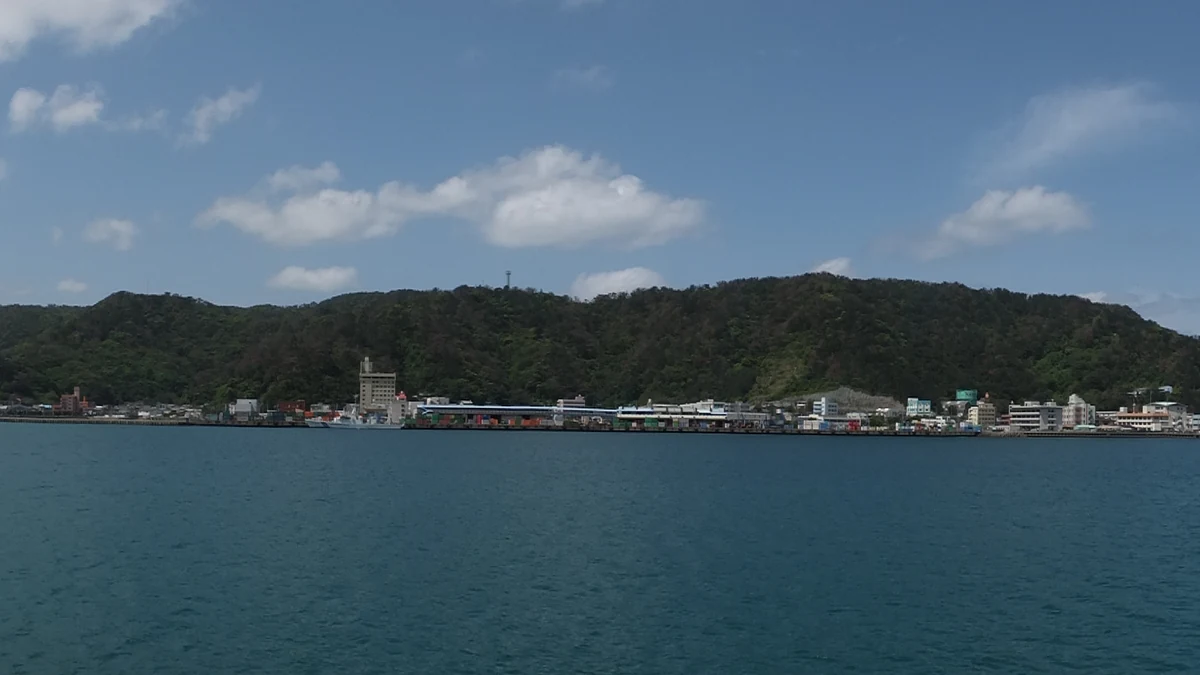
Amami Oshima is a large, forested island between Kyushu and Okinawa, and its cruise port is Naze rather than a purpose-built resort enclave. The arrival gives access to a living regional city, distinctive Oshima Tsumugi textile culture and a subtropical landscape recognised as part of a World Natural Heritage area.
The planning challenge is distance. The berth is not the centre of the island experience, buses are not designed around a short cruise call, and the best-known mangrove and forest sites lie in different directions. A first visit should choose one major nature experience and use Naze as the reliable final stop.
Amami Oshima Cruise Port at a Glance
| Port name | Amami Oshima Cruise Port |
|---|---|
| Main arrival area | Nagahama cruise berth in Naze Port, west of central Naze |
| Cruise region | Asia |
| Country / Territory | Japan |
| Currency | Japanese yen (JPY) |
| Languages | Japanese; limited English outside major visitor services |
| Port role | Island day-call port for Naze, subtropical forest, mangroves and local craft |
| Disembarkation | Normally docked at Naze Port’s Nagahama cruise berth; shuttle and gate arrangements vary by call |
| Walkability | Low from the cruise berth; moderate in central Naze after a shuttle or taxi |
| Shuttle required | A ship or local shuttle is often provided, but the route and frequency are call-specific |
| Main transport | Cruise shuttle, local buses, taxis, private cars, guided minibuses and excursion coaches |
| Best first-time plan | Use a booked island tour for the mangroves or forest, then keep the final hour in Naze |
| Main caution | Attractions are spread across a large island and independent taxis or buses can be limited on a ship day |
Weather & Best Time to Visit Amami Oshima
Amami Oshima has a humid subtropical climate. Winters are generally mild and comfortable for exploring, while summer is hotter, wetter and more humid, with an increased risk of typhoons. The forest remains green because rainfall is part of the island’s character, not an occasional interruption. Check the current forecast before committing to mangrove canoeing or forest access, because rain, wind and typhoon conditions can change outdoor operations.
| Month / season | Typical high | Typical low | Rain / conditions |
|---|---|---|---|
| January–March | 19°C | 12°C | Mild, changeable and sometimes windy; light layers are useful |
| April–June | 27°C | 20°C | Warm and increasingly humid, with the early-summer rainy season |
| July–September | 31°C | 25°C | Hot, very humid and exposed to typhoons or heavy showers |
| October–December | 25°C | 17°C | Warm at first, becoming cooler and often clearer later in the period |
January to March
Town, craft and cultural visits work well, while exposed beaches may feel cool or windy. Forest paths can remain wet after rain, so secure footwear matters.
April to June
The rainy season can produce persistent rather than brief showers. A guided vehicle tour remains practical, but canoe and forest operators may alter plans when water levels or visibility change.
July to September
Heat and humidity make long outdoor routes tiring. Typhoon forecasts must take priority over the planned itinerary, and ships may change the call before conditions are severe in Naze itself.
October to December
This can be an attractive period for island touring, with warmer sea and forest conditions early on and more comfortable temperatures later. Daylight shortens, so do not waste the first hour arranging transport.
Naze Port and the Cruise Arrival
The national Cruise Port Guide of Japan places Naze Port on the north-west side of Amami Oshima. Kagoshima’s official cruise information identifies the Nagahama area berth as the cruise facility, with a 280-metre berth and 10-metre depth. The berth sits west of central Naze. Walking the entire distance is possible for fit passengers but rarely the best use of a short call, particularly in heat or rain. A shuttle, taxi or organised tour usually creates a cleaner start. Shuttle frequency and drop-off points vary by ship and call. Before leaving, photograph the stop and note the final departure. Japan’s operational discipline is helpful, but it does not remove the need to distinguish the all-aboard time from the last shuttle.
Central Naze and Local Culture
Naze provides shops, cafés, the central market area and a useful sense of daily island life. It is not a preserved tourist village, which is part of its value. Allow enough time to browse rather than treating the town as a bus interchange between distant attractions.
Oshima Tsumugi is the island’s most important craft tradition. The dark silk textile uses a labour-intensive dyeing and weaving process associated with Amami. The official visitor network includes the Oshima Tsumugi Village, where passengers can understand the process rather than buying an unexplained pattern at a souvenir counter. Craft purchases can be expensive because genuine production is skilled and slow. Ask whether an item is locally woven, printed or merely uses an Amami-inspired design. Tax-free procedures, opening hours and language support vary by shop.
Mangrove Canoeing at Sumiyo
The mangrove forest around Sumiyo is one of the island’s strongest excursions. The official mangrove guide describes the reserve and canoe experience, which uses sheltered channels rather than open-ocean paddling. The site lies well south of Naze, so road time must be included in the booking. Canoe sessions are timed, and the group still needs instruction, life jackets and boarding. A headline paddling duration is not the complete excursion duration. Passengers with limited hip, knee or balance mobility should ask about the canoe seat, jetty and assistance. Rain does not necessarily cancel a mangrove trip, but strong wind, flooding or operational decisions can. Keep a vehicle-based alternative.
Kinsakubaru Forest and World Heritage Nature
Kinsakubaru’s tree ferns and subtropical forest are a signature Amami landscape. The official Kinsakubaru information explains the protected forest setting and current access approach. Entry is not a casual roadside walk: use an authorised guide and follow vehicle and trail controls. The forest visit suits passengers interested in ecology more than broad views. Paths can be wet, roots are uneven and wildlife sightings are never guaranteed. Quiet observation is part of the experience, not a failure to provide entertainment. A mangrove-and-Kinsakubaru combination is possible only with an operator who has designed the route around the ship. The attractions are not adjacent. For most first visits, one nature centrepiece plus Naze produces a calmer and more informative day.
Beaches, Coast and Island Viewpoints
Amami’s clear water and coral coast are attractive, but beaches are spread around a large island. A beach stop should be built into a driver or tour route rather than added after an inland excursion with no transport plan.
Northern beaches and viewpoints can require a long drive from Naze. They make sense on a scenic island tour, particularly when the weather is clear, but not as a quick independent detour. Confirm whether changing facilities, shade and swimming supervision are available.
Snorkelling and diving operators need advance booking and current sea information. The island is environmentally sensitive, so follow local instructions on coral, wildlife and waste. A beach day is not automatically easier than a guided forest day when the shore is remote.
Buses, Taxis and Independent Touring
Local buses serve residents and airport or community journeys rather than cruise passengers trying to link several attractions. Timetables can work for one carefully selected destination, but missed connections create a disproportionate risk on a day call.
Taxis may be limited when a ship arrives. A pre-booked car or guided minibus is sensible for the mangroves, Kinsakubaru or a broad island circuit. Confirm whether the quoted time starts at the berth, shuttle drop or a town meeting point.
Driving is on the left, roads are often narrow and travel times can look shorter on a map than they feel. Rental cars require the correct licence documents and a confident driver. For a first cruise call, a local guide generally adds more value than saving the tour fee.
CruisePing Recommended Amami Oshima Port Day
Choose either a mangrove canoe excursion or a guided forest route as the main booking. Both reveal why Amami is different from a standard Japanese city port, and both are difficult to improvise after arrival.
Use the return journey to include an appropriate craft, beach or viewpoint stop only when the operator can protect the timing. Finish in central Naze for lunch, shopping or Oshima Tsumugi rather than remaining at the furthest attraction until the last possible minute.
Return on a shuttle comfortably before its final departure. The last half-hour in Naze is more valuable than a tense road journey from the south of the island.
Food, Payments and Language
Amami cuisine includes chicken rice, local pork, seafood, brown-sugar products and dishes shaped by both Kagoshima and Ryukyu influences. A simple local lunch adds more context than choosing an international menu near the shuttle stop.
Japan remains cash-friendly outside large chains. Carry yen for small restaurants, markets and taxis, while cards may work in established shops. Do not rely on a foreign card being accepted by every ATM or rural operator.
English support varies. Screenshots of the ship name, berth and meeting point help, as does a translation app that works offline. Courtesy and clear timing usually matter more than fluent language.
Mobility and Practical Planning
The Nagahama berth and shuttle process may involve port distances that are not obvious from a brochure. Ask the cruise line about accessible transport before the call. Central Naze is flatter than the forest attractions but still requires walking between stops.
Canoes, forest paths and beach entries each create different barriers. A passenger unable to paddle may still enjoy a vehicle-based mangrove viewpoint or craft visit. Operators should describe the actual boarding and walking requirement, not only label a tour “easy”.
Rain protection, insect repellent and shoes with grip are useful throughout the year. Carry a dry bag for electronics on canoe trips and a light layer in winter or air-conditioned vehicles.
Common Amami Oshima Cruise Port Mistakes
- Walking from the berth without checking the shuttle: central Naze is separate from the cruise berth.
- Trying to combine every nature site: mangroves and Kinsakubaru require real road time.
- Assuming buses match the ship: local timetables are not a cruise guarantee.
- Booking an unguided protected-area visit: access rules and ecological controls matter.
- Leaving Naze out entirely: the town and textile culture give the landscape human context.
North, South or Central Amami: Choose One Direction
Amami Oshima stretches for roughly 60 kilometres, with Naze positioned in the north-central part of the island. A northern route can favour coast, viewpoints and beaches; a southern route leads towards the mangroves and Setouchi; a central nature route focuses on Kinsakubaru. Crossing between these zones repeatedly is what turns a good excursion into a road tour.
The official Amami Oshima destination guide helps passengers understand the island’s scale and the location of major districts. Use the map before booking, then ask the operator to state the order and expected road time. “Island highlights” is too broad to judge without a route. Setouchi and Koniya lie far south of Naze and are better treated as a dedicated excursion. A cruise call that includes the mangroves should not automatically continue to every southern viewpoint. The return to Nagahama remains substantial.
Wildlife Expectations and Protected Landscapes
Amami’s World Heritage importance rests on endemic species and subtropical forest, but wildlife is not scheduled for a coach arrival. Amami rabbits are nocturnal, while birds, reptiles and plants require quiet observation and a guide who recognises habitat rather than promising guaranteed sightings.
Passengers should remain on approved routes, avoid feeding animals and use low-impact lighting if a specialist tour is offered. Biosecurity matters on islands: clean footwear, do not remove plants or shells, and follow local instructions about invasive species.
A nature excursion remains worthwhile without a rare-animal sighting. Tree ferns, forest structure, mangrove channels and local interpretation provide the value. Choose an operator who explains the ecosystem instead of racing between supposed photo points.
Booking an Amami Cruise Excursion
Ask where the tour meets: at the berth, after the shuttle, or in central Naze. A low-cost booking that expects passengers to locate a distant office can lose the first hour. The operator should know the ship name and be able to state a berth return time.
For canoeing, confirm the session time, minimum age, clothing, changing facilities and whether the group paddles single or double craft. For forest visits, confirm guide authorisation, trail distance, toilet access and the vehicle type used on narrow roads.
A Japanese-language tour may still work for experienced independent travellers, but essential safety and timing information must be understood. English interpretation is worth paying for when the activity involves protected access, water or a long transfer.
A Short-Call Amami Plan
When the call is shortened, remain around Naze. Use the shuttle, visit the market and shopping streets, learn about Oshima Tsumugi and choose a local lunch. A nearby viewpoint or coast stop can be added by taxi if availability is confirmed.
This compact plan avoids spending most of the call travelling to a cancelled canoe or forest session. It also provides a genuine island experience through food, textile and daily life rather than treating nature as the only reason to visit.
Distances, Lunch and the Return to Nagahama
Tour descriptions sometimes quote only the outward road time. Add loading at the berth, parking, toilets, the attraction visit and the same journey back. A forty-five-minute transfer to a nature site can easily become a three-hour excursion before lunch or a secondary stop.
Lunch should be placed on the route rather than left for the final return. Small restaurants may not accommodate a coach without notice, and rural convenience options are limited. A pre-arranged local meal can be part of the island experience instead of an operational delay.
Ask the guide to reach central Naze or the Nagahama area well before the final shuttle. If the shuttle ends in town, the tour must protect that connection as well as the ship deadline. A taxi fallback should be identified, not assumed.
Passengers carrying purchases should keep receipts and pack liquids or food according to ship and customs rules. Fresh plants, soil and some agricultural products can face restrictions, which is another reason to favour finished textiles and packaged local goods.
Connectivity and Meeting Points
Mobile reception is generally useful around Naze but can weaken on forest roads and the southern island. Save Japanese place names and the berth address offline. A tour group should use a physical landmark for the return meeting, not only a shared message thread. If the ship provides numbered shuttle stops, photograph the sign and confirm whether the final departure uses the same location. This is particularly important when central Naze events or port controls move buses away from their morning position.
Amami Oshima Cruise Port Checklist
- Confirm the Nagahama berth and shuttle.
- Book one major nature activity in advance.
- Check guided-access rules for Kinsakubaru.
- Carry yen and offline translation.
- Prepare for rain and wet paths.
- Confirm canoe or trail mobility requirements.
- Finish the day in Naze before returning to the ship.
Useful Official Links
These official Japanese sources provide port specifications, island touring information and current attraction guidance.
- Naze Port: Cruise Port Guide of Japan
- Kagoshima official Naze cruise guide
- Official Amami Oshima destination guide
- Mangrove Park visitor information
- Kinsakubaru forest information
- Oshima Tsumugi Village
Amami Oshima Cruise Port FAQ
Where do cruise ships dock on Amami Oshima?
Cruise ships normally use the Nagahama area berth at Naze Port. The shuttle and port-exit arrangements depend on the call.
Can you walk from Naze Port into town?
The cruise berth is west of central Naze. Fit passengers can cover the distance, but a provided shuttle or taxi is normally the better use of time.
Can you visit the mangroves independently?
The location is far from the berth and canoe sessions are organised. A booked transfer and activity are strongly preferable on a cruise call.
Does Kinsakubaru require a guide?
Protected-area access controls apply, and visitors should use authorised current arrangements rather than treating it as an unrestricted forest road.
Is English widely spoken?
English is limited outside major visitor services. Translation tools and written destination names are useful.
What should you buy on Amami Oshima?
Genuine Oshima Tsumugi textiles, brown-sugar products and locally made crafts are distinctive, but check provenance before paying premium prices.
CruisePing Port Verdict
Amami Oshima rewards passengers who accept that the island cannot be skimmed. Its value lies in one properly understood ecosystem, the culture of Naze and the contrast between protected forest and working port.
CruisePing would book either the mangroves or Kinsakubaru, add one craft or coastal stop, and finish in Naze. A shorter, guided route is more useful than spending the day calculating bus connections across a large island.
Ready to browse our article library?
Looking beyond Amami Oshima? Explore more ports in the Asia region, or narrow it to Japan in particular. For cruise comparisons, planning shortcuts and value guides, head over to our main article archive.