
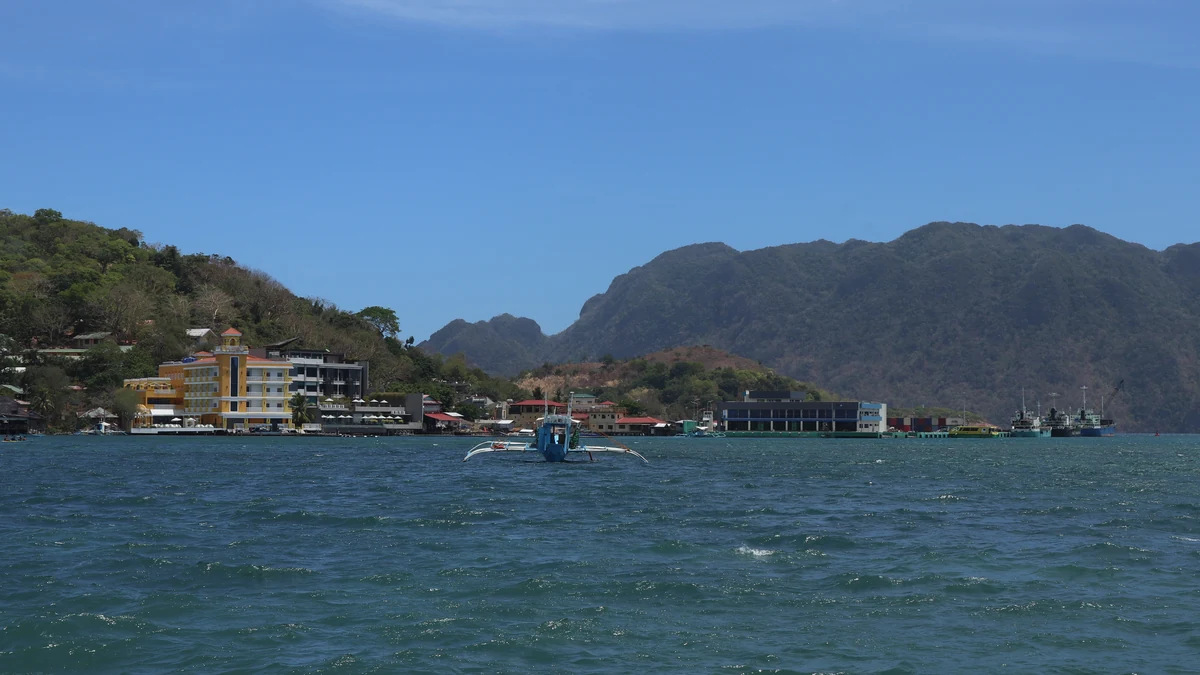
Coron cruise port is the gateway to one of the Philippines’ most dramatic marine landscapes, but the famous limestone lagoons are not in Coron town. The town sits on Busuanga Island; Kayangan Lake, Twin Lagoon and many headline images are reached by boat around Coron Island and neighbouring waters.
That geography shapes the whole day. Passengers need a ship-to-shore process, an excursion boat, controlled attraction access and a return to the cruise ship. A well-run single boat route is the answer; trying to combine island hopping, a land tour and independent town transport usually adds risk without improving the experience.
Coron Cruise Port at a Glance
| Port name | Coron Cruise Port |
|---|---|
| Main arrival area | Coron town port and waterfront, or a ship-designated tender landing nearby |
| Cruise region | Asia |
| Country / Territory | Philippines |
| Currency | Philippine peso (PHP) |
| Languages | Filipino and English; Cuyonon and Tagbanwa languages are also present |
| Port role | Nature and island-hopping gateway from Coron town on Busuanga Island |
| Disembarkation | Docking or tendering depends on ship and current port arrangements; excursion boats use the town waterfront |
| Walkability | Moderate in Coron town; low for the lagoons, beaches and island attractions |
| Shuttle required | No universal shuttle; boats, tricycles, vans and booked excursions are required for major sights |
| Main transport | Tender or berth transfer, excursion boats, tricycles, vans, taxis and organised tours |
| Best first-time plan | Take one pre-booked lagoon and lake boat tour, then keep the final hour in Coron town |
| Main caution | The famous sights are reached by small boats and controlled entries; weather, crowding and mobility determine what is realistic |
Weather & Best Time to Visit Coron
Coron is hot throughout the year, with a pronounced wet season and a drier period that favours small-boat touring. The forecast matters most for wind, visibility and thunderstorms because the principal attractions depend on crossing open water. Check the current forecast before confirming a lagoon boat, because wind, rain and visibility affect the sea route more than the town itself.
| Month / season | Typical high | Typical low | Rain / conditions |
|---|---|---|---|
| January–March | 31°C | 24°C | Drier, sunnier and popular for lagoon and wreck excursions |
| April–June | 32°C | 26°C | Very hot; humidity and thunderstorms increase |
| July–September | 30°C | 25°C | Wet and windy, with a higher chance of cancelled boat routes |
| October–December | 31°C | 25°C | Rain gradually eases; mixed conditions remain possible |
January to March
Book early because the best-known lagoon routes are busy. Even in dry weather, start the boat tour promptly so the return is not compressed by queues at multiple sites.
April to June
Heat can be severe on exposed outriggers and at Kayangan Lake steps. Carry water and sun protection, and choose fewer entries rather than treating every swimming stop as compulsory.
July to September
Boat operations can change or cancel. Keep a land fallback in Coron town, Mt Tapyas or Maquinit rather than pressuring an operator to sail in unsuitable conditions.
October to December
Conditions can be excellent between showers, but recent storms may affect water clarity and jetties. Confirm the final route on the morning of the call.
Arriving at Coron Cruise Port
The Philippine Ports Authority has reported upgraded passenger facilities at the Port of Coron and continues to list Coron among ports receiving cruise calls. The actual operation can still involve a berth, anchorage or tender according to ship and port conditions.
Cruise passengers may move through a terminal or a designated waterfront landing before joining local excursion boats. Do not assume the boat waiting beside the pier is the correct tour. Match the operator name, booking and vessel.
Photograph the ship-return point and distinguish it from the excursion-boat jetty. Coron’s waterfront is busy with local tours, ferries and small craft, and several nearby piers can look similar after a day on the water.
Kayangan Lake and the Classic Coron Route
The Department of Tourism’s official Coron guide identifies the destination with clear lagoons, limestone scenery and island experiences. Kayangan Lake is a common centrepiece and usually involves a climb over steep steps before descending to the water.
The viewpoint is reached before the lake, and the route can be crowded. Passengers who cannot manage the steps should not be persuaded that the boat ride alone removes the mobility issue. Ask whether a different lagoon or beach stop is offered.
Life jackets and local rules apply. Follow the guide at the water and respect access arrangements connected with the Indigenous Tagbanua community. These are controlled cultural and natural sites, not unrestricted public swimming pools.
Twin Lagoon, Barracuda Lake and Snorkelling
Twin Lagoon offers a distinctive passage between limestone walls, with access affected by tide and the day’s boat arrangement. Swimming through a narrow opening or using steps from the boat can be challenging for passengers with limited upper-body strength.
Barracuda Lake is known for unusual temperature layers and dramatic underwater rock. It is more relevant to confident swimmers and divers than to passengers wanting a relaxed beach. Confirm whether equipment and qualified supervision are included.
Snorkelling sites and wrecks vary by tour and sea condition. A route advertised under a broad name may change on the day. Judge the operator by safety briefing, boat condition, life jackets and realistic timing rather than the number of named stops.
Choosing a Coron Boat Tour
A private boat offers control over pace and may avoid the busiest sequence, but permits, entrance fees, lunch and equipment need to be understood. A shared tour is cheaper and simpler, while group loading and fixed timing reduce flexibility.
For a cruise call, the operator must understand the ship deadline and the separate transfer back to the ship. State a required waterfront return time earlier than all-aboard. Do not accept a route that plans to reach town only at the final tender cutoff.
One route with three or four meaningful stops is enough. Each lagoon involves boarding, swimming, waiting and equipment. A long attraction list can disguise very little time in the water.
Coron Town, Mt Tapyas and Maquinit Hot Spring
Coron town is practical rather than beach-like, with restaurants, shops, tour offices and local traffic. It becomes a useful fallback when boat conditions are poor and a reliable final stop after an excursion.
Mt Tapyas provides views over the bay but requires a long stair climb in exposed heat. Go early or late, carry water and do not use it as a quick addition after a physically demanding lagoon tour.
Maquinit Hot Spring lies outside town and requires a tricycle or van. The warm saltwater setting is distinctive, but it is not ideal immediately after severe heat or for passengers with certain health conditions. Confirm changing facilities and return transport.
Beaches, Reefs and Wreck Diving
Coron’s best beach experiences are generally reached by boat. A “beach day” still involves marine transfers, entrance arrangements and limited facilities. Ask whether shade, toilets and lunch are available at the selected stop.
The region is internationally known for wreck diving. Certified divers should use an established operator, provide qualification details and confirm depth, equipment, insurance and the required surface interval before returning to the ship.
Do not combine a serious dive plan with a crowded sightseeing circuit. Diving has its own safety and timing needs, and a delayed return can affect both the ship and future flying restrictions.
Transport and Payments in Coron
Tricycles are useful for short journeys around town and to nearby land attractions. Agree the price and whether the vehicle waits. Larger groups or Maquinit routes may be more comfortable in a van.
Philippine pesos are essential for small operators, local transport and fees. ATMs can be busy or unavailable, and island attractions should not be approached with the assumption that cards will work.
Boat packages may exclude environmental, community or entrance fees. Ask for a written inclusion list and carry protected cash for any legitimate local charges. Avoid handing passports or large deposits to an unverified seller.
Coron Cruise Port: DIY or Organised Excursion?
Coron town can be explored independently, but the principal lagoons require a boat and local operating knowledge. A reputable pre-booked or ship excursion is usually the sensible first choice.
A private local boat can work well when booked through a verified operator and given a conservative return time. The passenger still needs to coordinate the cruise tender or berth process, which is why the cheapest online rate may not be the best fit.
When weather is doubtful, keep the land plan ready: town, Mt Tapyas if conditions suit, lunch and Maquinit. A cancelled boat day is disappointing, but forcing the route creates the wrong kind of adventure.
CruisePing Recommended Coron Port Day
Book one classic Coron Island route with Kayangan Lake and two or three complementary stops. Leave the ship promptly and ask the operator to avoid a schedule that reaches the waterfront at the final possible minute.
Eat the included or arranged lunch within the boat route. On return, use Coron town for coffee, shopping or a short walk. Do not begin Mt Tapyas after a late boat arrival.
Passengers unable to manage boat ladders or steep lake steps should choose a scenic boat-and-beach itinerary or a land tour. The right route is the one every member can complete safely, not the one with the most famous photograph.
Mobility, Safety and Responsible Access
Outrigger boats often require stepping across narrow gaps, using portable planks or descending ladders. Sea state can make these movements harder. Ask the cruise line and tour operator separately about assistance because their responsibilities may end at different stages.
Kayangan and other sites can involve steep, wet or crowded steps. Wear shoes with grip and carry only what can be protected from water. A dry bag is more useful than a large daypack on a small boat.
Coron Island’s lakes and waters have environmental and community significance. Follow guide instructions, take waste back, use reef-safe practices and avoid touching coral or wildlife.
Common Coron Cruise Port Mistakes
- Assuming Coron town has the famous lagoons: the headline sites require a separate boat journey.
- Choosing a tour by stop count: boarding and queues can leave little useful time at each place.
- Ignoring the lake steps: Kayangan is not a level beach visit.
- Returning to town at the tender deadline: the cruise ship transfer still remains.
- Carrying no peso cash: small transport, fees and vendors may not accept cards.
What a Coron Lagoon Day Actually Involves
A typical route begins with registration or fee collection, boat loading and a safety briefing before the first crossing. At each stop the group may need to wait for a mooring, climb from the outrigger, secure belongings and follow a guide. Three attractions can fill a day without any slow sightseeing.
Lunch is often served on the boat or at a designated island stop. Confirm whether drinking water, vegetarian food and cutlery are provided. Bring a small refillable bottle rather than assuming a cooler remains accessible during every swim.
The boat operator should name the final return time to the Coron waterfront. The cruise transfer still remains after that point. A tour returning at all-aboard is already late, even when the boat itself is on schedule.
Permits, Fees and Community Management
Many Coron Island attractions operate through controlled access connected with the Tagbanua community and environmental management. Entrance fees may be paid through the operator, separately at registration or bundled into a private boat price.
Ask for the fee list before departure and retain enough pesos for legitimate additions. A cheaper quotation that omits every permit is not necessarily cheaper. It can create arguments or skipped stops once the group is already on the water.
Respect closed areas and guide instructions. Drone use, commercial photography, swimming zones and visitor numbers can be regulated. The provincial official Palawan destination guide provides wider Palawan context, but the local operator must follow the current site rules.
Crowds and Route Order
Kayangan Lake and Twin Lagoon can receive many boats during the same morning window. A private operator may alter the order, but no one can guarantee an empty site. Judge the excursion by safe access and enough time to swim, not by promises of exclusive photographs.
Starting early is the main advantage available to cruise passengers. Complete the highest-priority lake first and allow the guide to change secondary stops for crowding or sea state. Insisting on the advertised sequence can increase waiting.
The Philippine Ports Authority’s current cruise-port update confirms Coron’s continuing role in national cruise development. More calls can strengthen facilities while also increasing pressure on small-boat attractions, making disciplined route selection more important.
A Coron Land-Day Fallback
When boats are cancelled, begin with Coron town and the public market, then use a tricycle or van for Maquinit Hot Spring if road conditions and health needs suit. Mt Tapyas is a separate physical challenge and should be attempted only in cooler conditions.
A land day can also include a viewpoint, local food and a careful visit to the waterfront. The Municipality of Coron is the source for municipal notices and local administration, although visitor information may be less polished than commercial tour pages.
Do not replace a cancelled lagoon tour with an unverified boat seller claiming that conditions are safe elsewhere. If authorised operators and the ship have stopped marine excursions, the land fallback is the responsible choice.
Families, Non-Swimmers and Mixed Groups
Non-swimmers can enjoy the scenery from a boat, but some tours assume every passenger will enter deep water. Confirm flotation devices, guide-to-guest ratios and whether a passenger can remain safely aboard at each stop.
Children need well-fitting life jackets, sun protection and close supervision on ladders. Older passengers may prefer a private boat with a slower pace, but the physical transfer does not disappear simply because the vessel is private.
A mixed group may split between a lagoon tour and a land day. Establish separate return times and meeting points at the cruise landing rather than relying on phone contact after several hours on the water.
A Short-Call Coron Plan
When the call is too short for a full classic route, choose a private or small-group scenic boat trip with one lagoon or beach and a conservative return. Avoid selling the day as “all the highlights” when each stop requires loading and permits.
If even that is uncertain, remain on land: explore the waterfront, use a tricycle for a viewpoint or Maquinit if time allows, eat locally and return without adding another boat connection. The shorter plan still explains Coron’s geography while protecting the ship.
Dry Bags and Electronics
Treat every small-boat transfer as wet. Use a real dry bag for phones, documents and medicine, keep camera straps secure and carry a towel separately. Boat spray can reach luggage even when rain is absent.
Coron Cruise Port Checklist
- Confirm berth or tender operation.
- Match the booked boat and operator.
- Choose one lagoon route only.
- Ask about steps, ladders and swimming.
- Carry pesos, water and a dry bag.
- Set a waterfront return before the ship deadline.
- Keep a land fallback for rough weather.
Useful Official Links
Use these official Philippine sources for destination and port context; tour routes, permits and the ship transfer still require sailing-specific confirmation.
- Department of Tourism Coron guide
- Department of Tourism Palawan guide
- Philippine Ports Authority: Coron passenger terminal
- Philippine Ports Authority cruise update
- Municipality of Coron
Coron Cruise Port FAQ
Do cruise ships dock in Coron?
Some calls can use port facilities, while others anchor and tender. Follow the ship’s current instructions.
Can you see Kayangan Lake without a boat?
No. The lake is reached by an excursion boat and then a steep stair route.
Is Coron town on Coron Island?
The main town is on Busuanga Island. Many famous lagoons and lakes are around Coron Island.
Should you pre-book a boat tour?
Yes. A verified operator or ship excursion provides a clearer route, equipment and cruise return plan.
Is Coron suitable for limited mobility?
The town can be manageable, but boats, ladders and lake steps create substantial barriers. Choose a route based on the actual group.
What currency is needed?
Carry Philippine pesos for transport, fees and small operators. Do not rely entirely on cards or ATMs.
CruisePing Port Verdict
Coron is a port where the excursion is the destination. The town is useful, but the reason to call is the boat journey into limestone, clear water and protected lakes. That makes operator quality and return timing more important than independent improvisation.
CruisePing would book one classic lagoon route, keep the number of stops modest and return to town early. Passengers who cannot manage the physical transfers should choose a scenic or land-based alternative without feeling they have failed to “do Coron”.
Ready to browse our article library?
Looking beyond Coron? Explore more ports in the Asia region, or narrow it to Philippines in particular. For cruise comparisons, planning shortcuts and value guides, head over to our main article archive.