
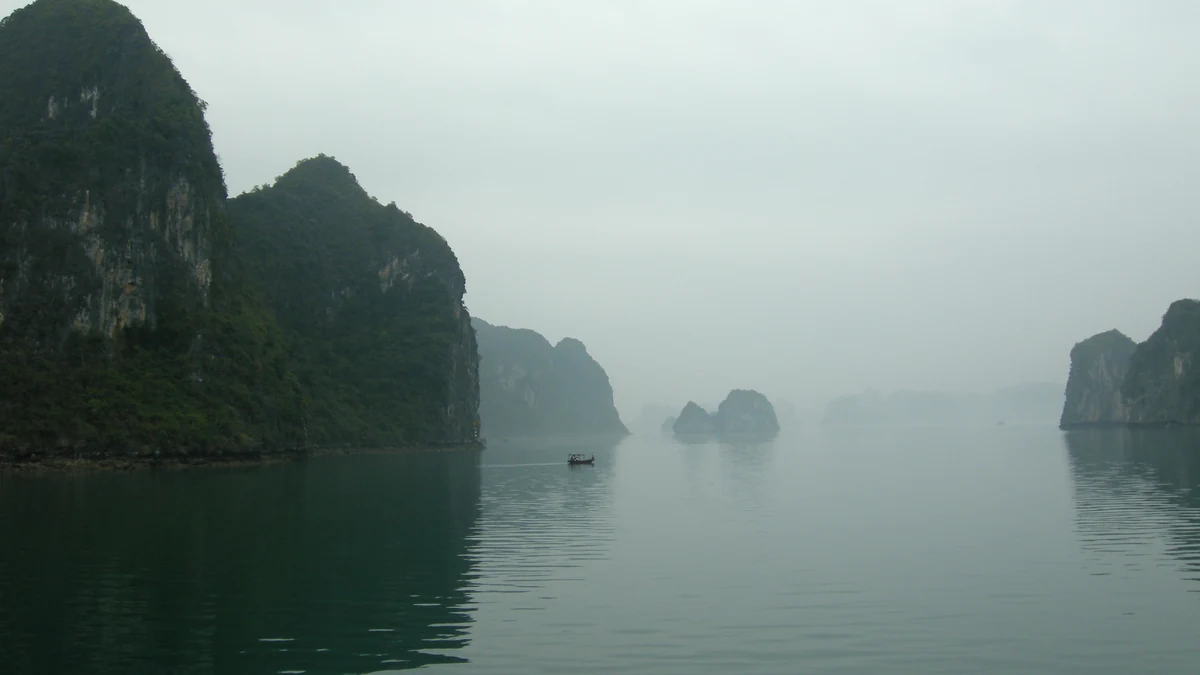
Ha Long Bay cruise port places passengers beside one of Asia’s defining landscapes rather than in a city that merely leads to it. The dedicated international terminal sits in Bai Chay, but the famous limestone scenery is still reached on a separate local boat, with its own boarding process, route and weather limits.
The main decision is therefore simple but important: use the call for Ha Long Bay, or spend most of it on a long road journey to Hanoi. For a first visit, the bay is normally the stronger choice. The port day works best when passengers protect enough time for the transfer from ocean ship to sightseeing boat, the return through port controls and any weather-related delay.
Ha Long Bay Cruise Port at a Glance
| Port name | Ha Long Bay Cruise Port |
|---|---|
| Main arrival area | Ha Long International Cruise Port in Bai Chay, beside the western side of the bay |
| Cruise region | Asia |
| Country / Territory | Vietnam |
| Currency | Vietnamese dong (VND) |
| Languages | Vietnamese; English is used by many cruise, hotel and tourism staff |
| Port role | Dedicated cruise gateway to Ha Long Bay, Bai Chay and longer excursions towards Hanoi |
| Disembarkation | Usually docked at Ha Long International Cruise Port in Bai Chay; another berth or controlled transfer is possible on a ship-specific call |
| Walkability | Moderate around the terminal and Bai Chay; low for the bay, caves and Hanoi |
| Shuttle required | Not normally needed for the terminal itself, but transport is required for nearly every major attraction and local sightseeing boat |
| Main transport | Cruise coaches, local bay boats, taxis, ride-hailing cars, private drivers and organised excursions |
| Best first-time plan | Take a well-timed Ha Long Bay boat excursion, then use any remaining time for Bai Chay rather than adding Hanoi |
| Main caution | A cruise-ship berth and a local sightseeing-boat departure are separate stages, while Hanoi is a long road excursion |
Weather & Best Time to Visit Ha Long Bay
Ha Long has four recognisable seasons. Winter can be cool, grey and misty; spring becomes warmer and damper; summer is hot, humid and storm-prone; autumn often brings clearer, more comfortable conditions. The most photogenic day is not always the warmest one, because visibility across the limestone islands matters more than temperature alone. Check the current forecast and marine conditions shortly before the call. Mist, thunderstorms, strong wind or a tropical system can change the visibility, local-boat route and cave access even when the ship still docks.
| Month / season | Typical high | Typical low | Rain / conditions |
|---|---|---|---|
| December–February | 20°C | 14°C | Cooler, often cloudy or misty; light rain and reduced visibility are possible |
| March–May | 28°C | 20°C | Warmer and increasingly humid, with showers and clearer intervals |
| June–September | 32°C | 25°C | Hot, wet and humid, with thunderstorms and tropical-cyclone disruption possible |
| October–November | 27°C | 20°C | Often more settled, with lower humidity and good sightseeing conditions |
December to February
Take a light waterproof layer and do not assume a bay cruise will feel tropical. Mist can soften the scenery beautifully, but it may also obscure distant formations and make exposed decks chilly.
March to May
This period can give a useful balance of warmth and visibility. Cave interiors remain damp, so footwear with grip matters even when the harbour is dry.
June to September
Heat is strongest on open decks and during cave climbs. A thunderstorm or tropical system can shorten or cancel local boat operations, making a Bai Chay fallback essential.
October and November
These months are often favourable for a full bay excursion. Even then, check the marine forecast because local wind and visibility determine the practical route.
Arriving at Ha Long International Cruise Port
The official Ha Long Port information places the international cruise facility in the heart of Bai Chay. It is a purpose-built passenger terminal rather than a tender landing improvised around a commercial quay, although the exact berth, immigration process and vehicle route still come from the ship’s notice.
Passengers should distinguish the terminal from Tuan Chau marina, Cai Lan commercial facilities and the piers used by local sightseeing boats. A tour voucher that says “Ha Long harbour” is not precise enough. Confirm where the local boat is boarded and whether the transfer is by coach, short walk or controlled port vehicle.
Immigration and clearance can take longer than the physical walk from ship to terminal. Vietnam entry arrangements are sailing-specific, and passengers should follow the cruise line’s instructions on passports, landing cards and visas rather than relying on advice written for hotel visitors or a previous itinerary.
Why the Ha Long Bay Boat Tour Is the Core Experience
The UNESCO World Heritage listing covers Ha Long Bay and the Cat Ba Archipelago, a broad marine landscape of limestone pillars, caves and sheltered water. A cruise call offers only a portion of that area, so the quality of the route matters more than the number of attraction names printed in the description.
A typical day boat may include a cave, a viewpoint, a short kayak or bamboo-boat section and time on deck. These elements are not guaranteed to occur in the same order, and weather, congestion or the allocated sailing zone can change the itinerary. Read the current excursion description rather than assuming every Ha Long photograph belongs to your route.
The local boat is usually the best place to eat lunch because it avoids another transfer and allows passengers to remain in the bay. Check whether lunch is included, whether drinks cost extra and whether dietary needs have been confirmed. A buffet label does not necessarily show which ingredients contain shellfish, fish sauce or nuts.
Caves, Steps and Small-Boat Transfers
Cave visits often involve steep or uneven steps, humid interiors and polished surfaces. The entrance may be reached from a floating pontoon or busy jetty where passengers must move quickly but carefully. Anyone with limited balance should ask for the exact route before choosing the tour.
Sung Sot, Thien Cung and other well-known caves can be crowded. A queue inside a chamber is not simply lost sightseeing time; it also affects the return schedule. The operator should know the cruise-ship deadline and release an optional stop if the route is running late.
Kayaks and bamboo boats create a closer view of cliffs and lagoons but add another transfer. Lifejackets should be worn, cameras protected and medicine kept in a dry pouch. Passengers who cannot board safely can remain on the main boat if the operator confirms that option in advance.
Choosing the Right Ha Long Bay Route
The national tourism guide’s Ha Long destination overview helps explain why routes differ: the bay includes caves, floating-community heritage, beaches and open-water scenery. A short cruise-port excursion cannot cover every theme without becoming a sequence of rushed landings.
For a first visit, choose one substantial cave or viewpoint, one close-to-water activity and enough deck time to appreciate the seascape. A route with six named stops may offer less actual time in the landscape than a simpler itinerary with three well-spaced elements.
Bai Tu Long Bay and Lan Ha Bay are sometimes marketed as quieter alternatives, but they may depart from different harbours or require longer positioning. Do not book one solely because the name sounds less crowded. Verify that the operator can collect from the cruise terminal and return within the ship’s call.
Can You Visit Hanoi from Ha Long Bay Cruise Port?
Hanoi is possible on a long call, but it is a gateway excursion rather than an easy extension. The expressway has improved road travel, yet passengers still face terminal loading, city traffic, coach parking and the same journey back. Door-to-door time can consume five to six hours of the day before meaningful sightseeing is counted.
A ship excursion offers the clearest protection because the operator coordinates immigration, port access and the vessel’s deadline. An independent Hanoi trip needs a named driver, a route that allows for motorway disruption and a departure from the city early enough to protect the ship. A promise of “about two hours” should not be treated as a complete return plan.
The strongest compact Hanoi visit normally chooses the Old Quarter and one or two major sites rather than attempting a full capital itinerary. Lunch, road rest stops and walking between coach drop-off points all use time. If the call is shorter or visibility in the bay is good, Ha Long itself is the more rewarding use of the day.
Passengers whose itinerary already includes an overnight in Ha Long have more room to consider Hanoi. On a standard daytime call, the capital should be selected because it is a personal priority, not because the port label includes “Hanoi”.
Bai Chay and a Shorter Port Day
Bai Chay provides the practical fallback when local boats are delayed or cancelled. The terminal sits within the resort side of Ha Long, where passengers can find cafés, hotels, waterfront areas and entertainment without crossing the entire city.
The shoreline and nearby attractions are spread out enough that a taxi can still be useful. Agree the destination and return point in writing, preferably using the Vietnamese name. Ride-hailing apps may work, but port security can restrict exactly where a vehicle collects passengers.
A shorter day can combine the waterfront, a local meal and a viewpoint without pretending it replaces the bay. This is particularly sensible for passengers who cannot manage cave steps or repeated boat transfers. The value comes from a calm coastal day, not from chasing a reduced version of every excursion.
Ha Long Bay, Cat Ba and Floating Communities
Cat Ba Island lies within the wider UNESCO property but is not automatically accessible from a cruise-port call. Ferry and local-boat networks are designed around regional travel, not necessarily the gangway deadline. Treat Cat Ba as a dedicated excursion only when the transport chain is clearly arranged.
Floating-village heritage is often presented through selected visitor areas rather than unrestricted access to residential communities. The official tourism material describes the bay’s long relationship with fishing life, but visitors should respect controlled routes and avoid treating working boats or homes as staged photographs.
When a tour includes a rowing-boat visit, ask whether the fee or gratuity is included. Keep the group together at the correct pontoon because several boats may return passengers to similar-looking vessels. Photograph the name or number of the main boat before leaving it.
Transport, Taxis and Payments
Vietnamese dong is the most useful currency for independent purchases. Established operators and hotels may accept cards, while smaller vendors, tips and local transport often require cash. Avoid changing a large amount for a short port day; carry modest denominations and keep the return money separate.
Taxis should use a meter or a clearly agreed fixed price. Write the cruise terminal name and address on the phone, since “Ha Long port” can refer to more than one waterfront facility. Confirm whether the quoted fare includes tolls and waiting time before a long journey begins.
A private driver is best used for a defined route such as Bai Chay, a city viewpoint and one regional attraction. It is not a substitute for a licensed sightseeing boat inside the protected bay. Book marine activities through an operator authorised for the current route and season.
Mobility and Accessibility
The terminal itself is modern, but the principal experience moves onto boats, pontoons and caves. Ask whether the local vessel has level boarding, a fixed gangway, accessible toilets and indoor seating. A photograph of the boat type is more informative than a general claim that the tour is suitable for all ages.
Passengers who use wheelchairs may be able to enjoy a scenic drive or a larger harbour cruise without cave landings, depending on the day’s operator. The cruise line’s access team should confirm the full chain from gangway to coach to boat, not only the first transfer.
Heat, humidity and long coach travel also affect people without a formal mobility limitation. Choose a seat near the exit, carry water and release the cave or kayak component if fatigue is building. The limestone scenery remains worthwhile from the main deck.
Environmental Responsibility in Ha Long Bay
Ha Long’s beauty depends on a heavily used marine environment. Choose an operator that provides waste controls, avoids single-use plastic where practical and follows designated routes. Do not throw food to wildlife or leave tissues, bottles or cigarette ends on pontoons.
Kayakers should not scrape paddles against coral or enter closed caves. Instructions from local crews can feel abrupt when boats are moving in confined water, but they are part of managing safety and visitor pressure. Follow the allocated boarding time rather than holding a small craft for photographs.
Passengers can also reduce pressure by accepting a route change when conditions require it. Demanding an advertised cave despite unsafe wind or crowding transfers the risk to local crews and other visitors.
A Door-to-Door Timing Plan
Work backwards from the final ship deadline. Reserve time for the local boat to reach its pier, passengers to disembark, the coach to return through Bai Chay, port security and the walk to the gangway. The last hour should not be consumed by a cave landing or a distant road stop.
On a bay excursion, ask what time the local boat is expected to be alongside its pier, not merely when “the tour ends”. Those are different moments when unloading, toilets and coach boarding are included. A thirty-minute reserve at the local pier can disappear quickly when several boats arrive together.
For Hanoi, set an uncompromising city departure time and identify the first attraction to remove if traffic is slow. The return motorway should begin while there is still enough margin to cope with an incident, not at the latest time suggested by ideal journey data.
CruisePing Recommended Ha Long Bay Port Day
Leave the ship promptly and join a reputable bay boat planned around the cruise call. Select a route with one major cave or viewpoint, one close-to-water activity and a proper lunch, rather than the longest attraction list.
Return to Bai Chay with enough time for a drink or short waterfront walk. That buffer protects the gangway while still giving the day a relaxed finish. If the bay boat is cancelled, use Bai Chay and a local scenic drive rather than improvising a long journey to Hanoi.
Choose Hanoi only on a long call when the capital is the clear priority and the road transfer is controlled by the ship or a highly reliable operator. Do not attempt to combine a meaningful bay cruise and a meaningful Hanoi visit in one standard port day.
Common Ha Long Bay Cruise Port Mistakes
- Assuming the ocean cruise ship itself sails through the scenic bay route.
- Booking a local boat without confirming its exact departure pier and cruise-terminal transfer.
- Treating Hanoi as a nearby city because it appears in the itinerary label.
- Ignoring cave steps, wet pontoons and small-boat boarding when assessing mobility.
- Expecting clear blue-sky views in winter without allowing for mist.
- Using “Ha Long harbour” as a sufficient taxi destination.
- Adding Cat Ba or Bai Tu Long without a verified cruise-day transport chain.
- Returning on the final possible local boat rather than protecting port-security time.
From the Ocean Ship to the Local Bay Boat
The operational handover is the part most likely to be underestimated. Passengers first leave the ocean ship, complete any terminal process, board a coach or port vehicle and then reach a separate local pier. They may queue again before boarding the sightseeing vessel. A tour described as five hours can therefore contain considerably less than five hours on the bay.
Ask the excursion provider to name the local pier and the expected time the bay boat leaves it. Then ask when that boat is due back alongside. These two times are more useful than a broad “tour duration” because they expose how much margin exists before the coach returns through port security.
Passengers booking independently should confirm who takes responsibility if ship clearance is late. A hotel-style day cruise may depart at a fixed time and leave without delayed cruise guests, whereas a ship excursion is normally adjusted around the vessel. That difference can justify a higher price.
Cave Choice and Crowd Management
A cave should earn its place in the itinerary. Large chambers can be spectacular, but they also involve landing queues, long stair sequences and a controlled walking direction. On a busy day, the cave may dominate the schedule and reduce quiet time on deck.
Ask how many steps are involved, whether there is a bypass and where the group rejoins the boat. Passengers who skip the cave need a safe place to wait, shade and access to a toilet. Remaining on the boat is not always possible if the crew must move to another berth.
A smaller cave or viewpoint can sometimes provide a better cruise-day balance than the most famous site. The decision should reflect mobility, crowd levels and the route allocated that day, not only the attraction name used in promotional photographs.
What to Ask Before Booking a Bay Cruise
The official guide to activities in Ha Long Bay gives useful context for caves, kayaking and scenic cruising. Before paying, ask which of those elements is guaranteed, which is weather-dependent and which can be replaced without a refund.
Confirm the boat category, indoor seating, toilet standard, lunch, drinks, guide language and whether kayaking or bamboo boats cost extra. Ask whether the operator carries passengers from several hotels, because multiple pickups can consume the time that a cruise caller needs for the port return.
The booking should state the ship name and all-aboard time. A generic confirmation for “Ha Long day cruise” is not enough. Keep a screenshot of the agreed local-pier return and the operator’s emergency contact offline.
Bai Chay as a Practical Fallback
When marine conditions cancel the bay route, Bai Chay provides a workable alternative without creating another long transfer. The waterfront, cafés, hotels, market areas and selected viewpoints can fill a shorter day, especially when the ship remains alongside but local boats stop operating.
A private driver can add one city or coastal viewpoint, but the plan should remain compact. The aim is to create a pleasant day near the ship, not to replace the cancelled boat with an impulsive race towards Hanoi or another distant province.
Keep the terminal return simple. Port gates and road layouts can be confusing to a driver who usually serves hotels, so save the terminal address and use the same agreed pickup point for the final journey.
Photography, Visibility and Expectations
Ha Long changes character with the weather. Clear conditions reveal long ranks of islands, while mist creates a more enclosed landscape. Neither is automatically a failed day, but heavy fog can reduce the value of a route built around distant viewpoints.
Use a waterproof cover and keep lenses protected from spray and cave humidity. On small boats, secure phones before leaning over rails. Drone use is not a casual option inside a regulated heritage and port environment; follow local and ship rules.
Passengers should also leave space simply to watch the scenery. A schedule that moves from cave to kayak to lunch without unstructured deck time can miss the quality that makes the bay distinctive.
Food Safety and Dietary Planning
Lunch on the local boat is convenient, but dietary requests should be made before the day. Vietnamese set menus may contain fish sauce, shellfish stock or shared fried ingredients even when the visible dish appears vegetarian.
Carry a small suitable snack if allergies are serious and keep medication with the passenger rather than in luggage left on the coach. Drink bottled water and use hand sanitiser before eating after cave rails, pontoons and shared paddles.
A long restaurant stop ashore is rarely necessary after a boat lunch. Use any remaining time for Bai Chay and the return rather than paying for a second meal while the port margin disappears.
Passengers with a late-departing ship should still avoid booking a second independent boat after the main excursion. Local sailing zones, ticket offices and return piers can differ, and the apparent spare time is better used as resilience against slow unloading, traffic or port checks. Keep the ship’s emergency number available throughout the shore programme and return.
Ha Long Bay Cruise Port Checklist
- Confirm the named berth and immigration process.
- Verify the local sightseeing-boat departure pier.
- Choose one bay route rather than several competing plans.
- Check cave steps and small-boat transfers.
- Carry Vietnamese dong in modest denominations.
- Save the terminal name in Vietnamese and English.
- Check marine weather and visibility.
- Set a return time at the local pier, not only the ship deadline.
- Keep Bai Chay as the weather fallback.
- Treat Hanoi as a full-day gateway excursion.
Useful Official Links
Use these current official and authoritative pages to confirm the port, World Heritage context, destination options and weather before a Ha Long call.
- Ha Long International Cruise Port
- UNESCO: Ha Long Bay–Cat Ba Archipelago
- Official Vietnam Tourism guide to Ha Long
- Official guide to activities in Ha Long Bay
- National weather forecast for Quang Ninh
Ha Long Bay Cruise Port FAQ
Do cruise ships dock at Ha Long Bay?
Many international ships dock at the dedicated terminal in Bai Chay. The exact berth and clearance route remain sailing-specific.
Does the cruise ship sail through Ha Long Bay?
Usually no. Passengers normally transfer to a smaller local sightseeing boat for the scenic bay route.
Can I visit Hanoi from Ha Long?
Yes on a long call, but it is a substantial road excursion. Use a controlled itinerary and protect several hours for the return.
Is Ha Long Bay suitable for limited mobility?
A scenic boat may be possible, but caves, pontoons, kayaks and small craft create barriers. Confirm the complete boarding chain.
What currency should I carry?
Vietnamese dong is most useful for local purchases, transport and small vendors.
What happens if bay boats are cancelled?
Use Bai Chay, the waterfront and a local scenic drive rather than starting an unplanned long-distance excursion.
CruisePing Port Verdict
Ha Long Bay cruise port should be treated as a marine excursion with a port transfer attached, not as a simple walk-off destination. Once that is understood, the day becomes easier to plan: one good local boat, a manageable set of landings and an early return to Bai Chay.
CruisePing would choose the bay over Hanoi on a first call. The limestone landscape is the reason the ship is here, and a focused route delivers it without sacrificing half the day to a motorway.
Ready to browse our article library?
Looking beyond Ha Long Bay? Explore more ports in the Asia region, or narrow it to Vietnam in particular. For cruise comparisons, planning shortcuts and value guides, head over to our main article archive.