
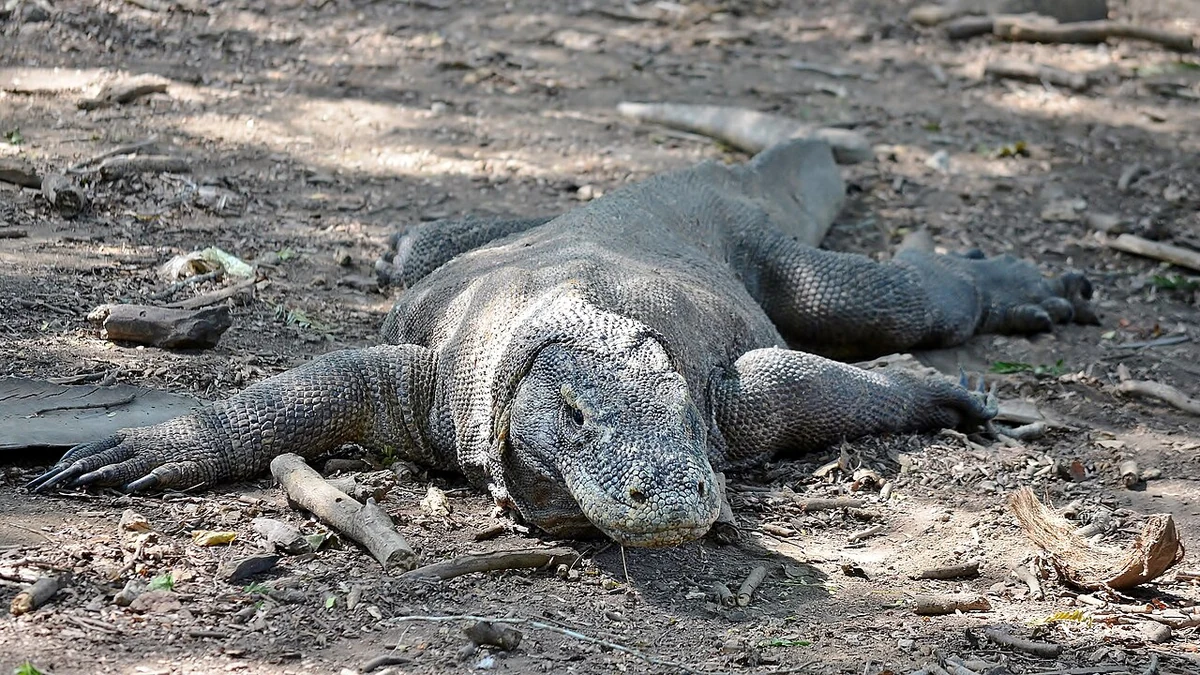
Komodo Island cruise port is not a conventional port at all. The ship anchors in protected waters, passengers transfer by tender and the visit ashore is organised around national-park rules, rangers and authorised routes. There is no town to wander into and no useful taxi rank waiting beyond the landing.
The first-time priority is seeing Komodo dragons responsibly without weakening the return to the ship. A ranger-led walk at Loh Liang is the core experience. Pink Beach or a snorkelling stop can add value when it is built into the same controlled excursion, but a string of separate boat arrangements creates unnecessary risk.
Komodo Island Cruise Port at a Glance
| Port name | Komodo Island Cruise Port |
|---|---|
| Main arrival area | Loh Liang ranger-station landing in Slawi Bay on Komodo Island |
| Cruise region | Asia |
| Country / Territory | Indonesia |
| Currency | Indonesian rupiah (IDR) |
| Languages | Indonesian and local languages; English is used by many guides and cruise operators |
| Port role | Protected-national-park tender call for Komodo dragon walks, islands and marine scenery |
| Disembarkation | Tender from the anchored ship to an authorised park landing; access is managed by the call programme |
| Walkability | Only within authorised ranger-led routes; this is not a free-walking port town |
| Shuttle required | No road shuttle; tenders, local boats, guides and rangers provide the operational connections |
| Main transport | Ship tenders, authorised excursion boats and ranger-led walking trails |
| Best first-time plan | Take the ship’s confirmed ranger-led dragon walk and add Pink Beach only when it is part of the protected return plan |
| Main caution | Wildlife access, permits, heat, sea conditions and tender timing make improvisation a poor strategy |
Weather & Best Time to Visit Komodo Island
Komodo National Park has a pronounced drier season and a wetter monsoon period. Heat, exposure and sea state shape the day even when rain is absent, because trails have little shade and every visitor depends on small boats. Check both the BMKG Labuan Bajo forecast and the marine outlook for the waters around the park before the call.
| Month / season | Typical high | Typical low | Rain / conditions |
|---|---|---|---|
| December–March | 31°C | 24°C | Wetter and more humid, with thunderstorms, rougher water and slippery trails possible |
| April–June | 31°C | 23°C | Transition to drier weather, with greener landscapes and increasing sunshine |
| July–September | 30°C | 22°C | Dry, sunny and often windy; exposed trails become dusty and hot |
| October–November | 32°C | 24°C | Very warm, with humidity and storm risk increasing towards the wet season |
December to March
Rain can make the landing, trail and boat transfers more difficult. The park may alter routes for safety, and a marine excursion should have a clear cancellation or substitution plan.
April to June
The landscape can remain greener after the rains, while trail conditions often improve. Carry water and use sun protection because cloud breaks quickly increase heat exposure.
July to September
Dry-season weather is favourable for wildlife touring, but wind and dust can be tiring. An early walk is preferable to a longer midday route when the ship’s programme allows it.
October and November
Heat and humidity build before the main rains. Select a realistic trail length and avoid treating an additional island landing as compulsory when the sea becomes unsettled.
Understanding the Komodo Cruise Arrival
The official Port of Komodo information describes ships anchoring near the national park and passengers tendering ashore. Its technical information places the anchorage in Slawi Bay and confirms that ranger capacity can limit simultaneous landings.
Loh Liang is the principal visitor and ranger area on Komodo Island. The tender landing, park briefing and trail departure are separate stages, so the time printed as “ashore” may not equal the time spent walking. Queueing, permit checks and grouping can consume a meaningful part of a short call.
Passengers should use the excursion meeting point stated by the ship. A local operator who proposes collecting guests from a different beach or asks them to leave the controlled area without the agreed ranger process creates an avoidable safety and return problem.
Why a Ranger Is Essential
Komodo dragons are wild predators, not a display attraction. Rangers control distance, route choice and group movement because dragons can be difficult to see in vegetation and may approach paths without warning.
Follow instructions immediately, keep children close and do not carry exposed food. Running, separating from the group or trying to position a better photograph can change the animal’s behaviour and puts the ranger in a harder situation.
A ranger cannot guarantee a close sighting. Wildlife varies with heat, feeding opportunities and natural movement. The value of the visit lies in walking through genuine habitat with informed interpretation, not in staging a particular photograph.
Choosing the Short, Medium or Longer Walk
Trail descriptions differ by operator, and labels such as short or medium are not universal. Ask for approximate distance, surface, elevation, shade and expected time rather than relying on the name alone.
The shortest route suits passengers who need to protect energy for tendering or who are uncomfortable with rough ground. A medium route can offer more habitat and a better chance of seeing wildlife away from the busiest viewing areas, but it also increases heat exposure.
A longer walk is appropriate only when the ship’s call, ranger allocation and passenger fitness support it. Choosing the longest option is not automatically the best wildlife decision; slow movement, silence and a capable guide often matter more than distance.
Komodo National Park and Conservation
The UNESCO World Heritage listing recognises Komodo National Park for its exceptional wildlife and the contrast between rugged islands and surrounding seas. Protection covers more than the dragons; reefs, seagrass, birds and terrestrial habitats are part of the same system.
The current Indonesia Travel guide to Komodo National Park and Labuan Bajo and its first-timer guide to the protected area provide broader destination context. Park charges, visitor controls, route availability and booking processes can still change, so cruise passengers should use the current excursion documentation rather than screenshots from previous seasons.
Responsible visiting means staying on authorised paths, taking waste back to the ship or designated collection points and refusing wildlife handling. The park is not improved by visitors pressing close to an animal for a social-media image.
Pink Beach: Worth Adding?
Pink Beach is visually distinctive because pale sand mixes with fragments of red coral. It can provide a useful contrast after a hot ranger walk, particularly when the same excursion boat handles the transfer and return.
The beach is not guaranteed to appear vividly pink under every light, and facilities are limited. Reef shoes, water, shade and a dry bag matter more than expecting a resort beach setup. Passengers should not remove sand, coral or shells.
Add Pink Beach only when the timetable includes a conservative return to the ship. A separate boat negotiated after the dragon walk is a weak choice because the operator may not share the cruise line’s deadline or landing arrangement.
Snorkelling and Marine Excursions
The waters around Komodo are known for strong currents as well as marine life. A snorkelling stop must match passenger ability, tide, wind and the operator’s safety procedures. Calm-looking water beside a boat does not show what is happening along a reef channel.
Ask whether entry is from a beach or boat, whether flotation equipment is available and how weaker swimmers are supervised. A guide should explain the boundary of the snorkelling area before passengers enter the water.
Manta-focused routes and distant reefs are better suited to longer stays from Labuan Bajo. A cruise call should not be stretched into a speedboat itinerary that depends on several perfect connections and leaves no recovery margin.
Padar and Rinca: Different Excursions
Padar’s viewpoint and Rinca’s dragon habitat appear frequently in wider Komodo itineraries, but they are not nearby attractions reached on foot from Loh Liang. Each requires substantial boat travel and its own landing and walking demands.
A ship may offer one of these areas instead of Komodo Island, or as part of a long programme. Read the excursion title and landing details carefully. “Komodo National Park” describes a large protected area, not one interchangeable jetty.
For a first cruise call at Loh Liang, the ranger walk and one nearby marine stop are normally enough. Save a multi-island circuit for a dedicated Labuan Bajo stay unless the ship has built the entire operation around it.
Heat, Water and Trail Preparation
Carry more water than a normal urban port day, but keep hands free for boarding and uneven ground. A hat, breathable clothing, sunscreen and closed footwear are basic requirements. Dark clothing can feel particularly hot on open savannah paths.
There may be limited opportunities to buy drinks after the group leaves the landing. Medicine should remain with the passenger, not in a bag left on a boat. Anyone prone to heat stress should tell the guide before the walk begins.
Use the toilet near the visitor area when available rather than expecting facilities along the route. The trail should be paced around the least heat-tolerant member of the group, not the fastest walker.
Photography without Disrupting Wildlife
A moderate zoom lens is more useful than moving closer. Keep the ranger between the group and any animal when directed, and do not crouch or step away to improve the angle without permission.
Flash, food baiting and attempts to provoke movement are inappropriate. A resting dragon is still a wild animal in its habitat; the photograph does not need an open mouth or dramatic charge to be worthwhile.
Protect cameras during the tender and beach transfer. Salt spray can damage equipment before the trail begins, and a dry bag is more reliable than wrapping a phone in a towel.
Mobility and Who Should Reconsider
The call includes a moving tender, a basic landing and an outdoor trail. Passengers who cannot step safely between boats or who need consistently smooth surfaces should discuss the complete chain with the cruise line, not only the walking distance.
A shorter ranger route may be available, but it does not remove heat, loose ground or wildlife-control requirements. Wheelchair access and assistance at the landing are not comparable with a modern city terminal.
Passengers who remain aboard should not feel they have failed the destination. Choosing safety over a difficult transfer is sensible, especially when sea conditions change after an excursion was booked.
Food, Vendors and Payments
The call is not organised around restaurants. Eat before departure if the excursion does not clearly include food, and carry a simple snack only when the park and ship rules allow it. Do not expose food on the trail.
Indonesian rupiah is useful for small purchases and tips, although ship excursions may include the principal charges. Confirm what has already been paid so the group does not hand over the same fee twice under different labels.
Buy textiles or crafts only in the authorised visitor area and ask where they were made. The island’s remoteness does not guarantee that every souvenir is local or sustainably produced.
Komodo Island Cruise Port: DIY or Organised Excursion?
This is one of the strongest cases for a ship excursion or a formally approved local programme. Access depends on tenders, park permissions, rangers and boats rather than ordinary public transport.
An independent booking is viable only when the operator provides the exact landing, ranger arrangement, permits, vessel details and return commitment in writing. A generic Labuan Bajo day-tour listing is not evidence that it can collect from an anchored cruise ship.
The price comparison should include every stage. A cheaper boat that excludes permits, ranger fees or tender coordination may become more expensive and much less reliable than the ship’s option.
CruisePing Recommended Komodo Port Day
Choose the confirmed ranger-led walk from Loh Liang and take the earliest practical group. Use a medium route if fitness, heat and timing allow; select the shorter route when the tender or call is compressed.
Add Pink Beach or one nearby snorkelling stop only when it is operated by the same excursion and the return margin is explicit. Keep the final part of the programme flexible so the boat can omit a swim if wind or park delays build.
This approach preserves the two defining elements of Komodo: the wildlife and the marine landscape. A hurried multi-island checklist weakens both.
What Can Change on the Day
Ranger availability, wildlife location, trail conditions, wind and permit controls can alter the sequence. The operator should explain substitutions before passengers leave the ship or at the landing.
If the dragon walk is shortened, do not compensate by adding an unplanned distant boat trip. Use the remaining time at the visitor area or on the authorised excursion and return through the controlled tender system.
A ship may cancel the landing while weather looks acceptable from a balcony. Local swell, tender safety and park operations are assessed at a different scale from the general sky condition.
Permits, Ranger Capacity and Group Control
Komodo visits are constrained by more than the number of boats at anchor. Rangers, authorised trails, landing space and wildlife conditions determine how many groups can move safely at one time. A delayed start may therefore reflect park management rather than poor organisation.
Keep the excursion ticket, passport copy if requested and any park documentation together. Do not leave the assigned group to join a shorter queue, because the ranger allocation and return boat may be tied to the original group number.
When a route changes, ask which element has been removed and why. A shorter trail caused by heat or wildlife movement is a legitimate safety decision; it should not automatically be replaced with a hurried extra boat stop.
Boat Standards and Emergency Planning
Before an independent marine booking, confirm the vessel name, passenger capacity, lifejackets, shade, communication equipment and emergency contact. A polished sales photograph does not show whether the actual boat is suitable for open-water transfers.
Passengers should know how the operator will respond if wind increases after the group reaches Pink Beach or a snorkelling site. The safest plan may be to return directly rather than complete every advertised stop.
Medical support is distant. Carry essential medicine, disclose serious conditions and avoid committing to a trail or swim that depends on immediate shore assistance. Travel insurance and the ship medical team cannot remove the delay created by a remote island emergency.
Keep one adult responsible for the ship deadline and another for the group count. When everyone is watching wildlife or changing after a swim, it is easy for a timing problem to go unnoticed until the boat is ready to leave.
Common Komodo Cruise Port Mistakes
Do not treat Labuan Bajo tour times as if they begin at Loh Liang. The town is many kilometres away by boat, and its operators normally depart from a different harbour.
Do not promise children a close dragon sighting or encourage them to move ahead of the ranger group. Expectations should be built around a protected wildlife walk rather than a guaranteed encounter.
Do not wear beach sandals for the entire day if a trail is included. Tender decks, rough ground and hot paths require secure footwear, even when Pink Beach appears later in the itinerary.
Families and Mixed-Ability Groups
Children must be able to follow ranger instructions immediately and remain close to an adult throughout the trail. A child who is frightened by heat, insects or a nearby animal cannot simply leave the route alone, so families should choose the shortest appropriate walk rather than the most ambitious option.
Mixed-ability groups should agree whether they will remain together or use different authorised routes. The ship and park must know the arrangement before landing; splitting informally at the ranger station can separate relatives onto different boats or return groups.
Passengers who skip the trail need a confirmed waiting place and supervision plan. A shaded visitor area may be available, but facilities are limited and the rest of the group should not assume they can return midway through the walk.
Return Timing and Tender Discipline
The return has at least three stages: reaching the authorised landing, boarding the excursion or tender boat and transferring back to the ship. The all-aboard time is not the time to arrive at the ranger station.
Keep the ship card and excursion identifier dry and accessible. If groups are assigned by colour, number or boat, do not change vessels casually after a beach stop.
A late group can affect the whole tender operation. Follow the guide’s meeting time even when another operator appears willing to offer ten more minutes ashore. Make sure every family member understands the ranger briefing language before the group starts walking. Use plain translated instructions when necessary, and ask questions before leaving the briefing area.
A Shortened Komodo Call
When the usable time falls, protect the ranger walk and remove the marine add-on. The dragons and protected habitat are the reason the ship called at Komodo Island.
Select the route that the park and ship can complete without rushing. A short, well-interpreted walk is better than a longer route finished in severe heat with passengers separated across the trail.
Return aboard once the authorised programme ends. There is no independent port district where spare time can be safely used while waiting for the final tender.
Komodo Island Cruise Port Checklist
Komodo requires more discipline than an ordinary sightseeing port because every stage depends on controlled wildlife access and small boats.
- Confirm the named island, landing, ranger route and any marine stop in the excursion description.
- Wear secure closed footwear and carry water, a hat and sun protection.
- Keep food packed away and follow ranger instructions without leaving the group.
- Ask whether permits, ranger services and landing charges are included.
- Use a dry bag for phones, cameras, medicine and ship documents.
- Check the marine forecast and the operator’s substitution policy.
- Protect the return landing and tender sequence before adding Pink Beach or snorkelling.
Useful Official Links
For Komodo, use current park, conservation and marine-weather information because access and route controls can change independently of the ship’s overall itinerary.
- Indonesia Travel: Port of Komodo arrival information
- Indonesia Travel: Komodo National Park and Labuan Bajo
- Indonesia Travel first-timer guide to Komodo National Park
- UNESCO World Heritage listing for Komodo National Park
- BMKG Labuan Bajo forecast
- BMKG marine forecast for Labuan Bajo waters
Komodo Island Cruise Port FAQ
Do cruise ships dock at Komodo Island?
No. Ships anchor in the bay and passengers normally tender to an authorised national-park landing.
Can you walk around independently?
No. Wildlife visits use authorised routes with rangers, and passengers should stay with their assigned group.
Are Komodo dragon sightings guaranteed?
No. The animals are wild. Rangers choose safe routes and improve understanding, but they cannot guarantee a particular sighting.
Can you add Pink Beach?
Often yes when it is included in the same organised excursion. A separate last-minute boat is not a sensible cruise-day choice.
What should passengers wear?
Closed footwear, lightweight clothing, a hat and strong sun protection. Carry water and use a dry bag for the tender.
Is Komodo suitable for limited mobility?
The tender, basic landing, heat and rough ranger trails make the call difficult. Individual suitability must be checked with the cruise line.
CruisePing Port Verdict
Komodo Island cruise port should be treated as a protected wildlife operation, not an open beach port. The ranger walk is the day’s non-negotiable core, and every extra boat stop must fit around it.
A controlled excursion may cost more than an improvised local arrangement, but it is buying permits, coordination and a protected return as well as sightseeing. That is the right trade in a remote tender call.
Ready to browse our article library?
Looking beyond Komodo Island? Explore more ports in the Asia region, or narrow it to Indonesia in particular. For cruise comparisons, planning shortcuts and value guides, head over to our main article archive.