
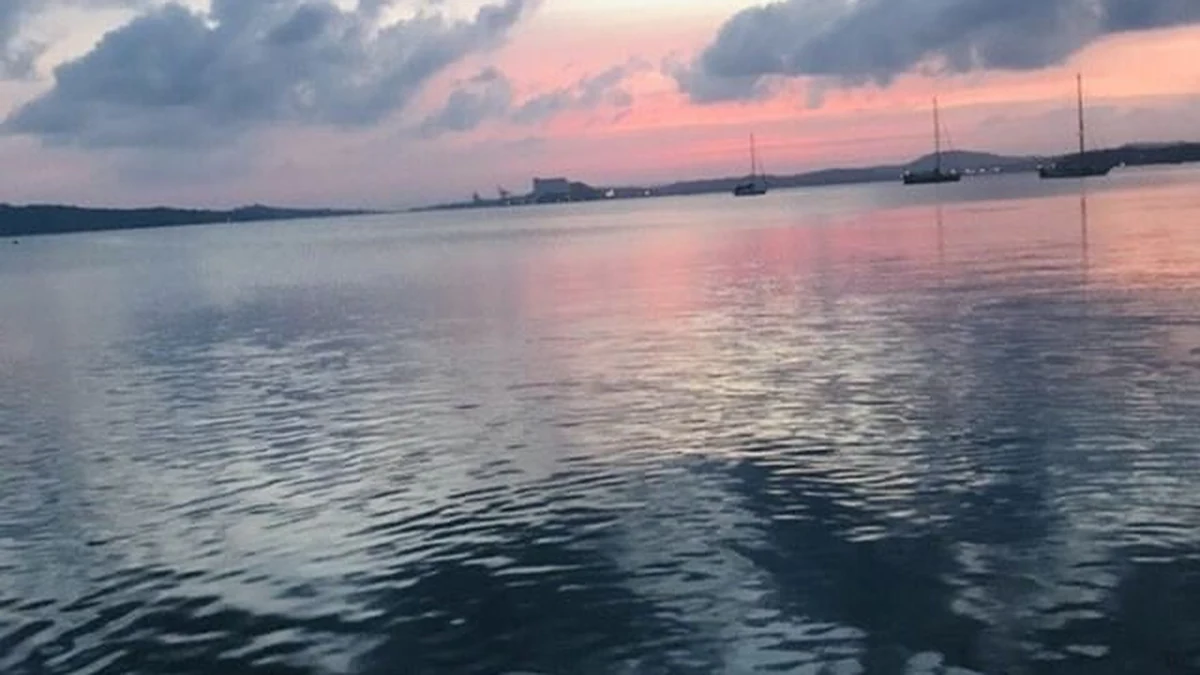
Trincomalee cruise port occupies one of Asia’s great natural harbours, but passengers do not arrive at a single purpose-built downtown terminal. A ship may berth within the extensive port or anchor and tender, and security controls can require a shuttle before independent transport becomes available.
The Sri Lanka Ports Authority’s official Trincomalee page describes a harbour of exceptional scale used for commercial and industrial activity. The compact sightseeing core lies around Fort Frederick, Koneswaram Temple and the town peninsula, while Nilaveli and Pigeon Island require a longer north-coast plan.
CruisePing’s first-time recommendation is deliberately simple: transfer to Fort Frederick, walk or drive to Koneswaram, add one town or beach element, and preserve a large return margin for the port gate, shuttle or tender.
Trincomalee Cruise Port at a Glance
| Port name | Trincomalee Cruise Port |
|---|---|
| Main arrival area | A ship-specific berth or anchorage within Trincomalee’s vast natural harbour, with controlled port or tender transfer |
| Cruise region | Asia |
| Country / Territory | Sri Lanka |
| Currency | Sri Lankan rupee (LKR) |
| Languages | Tamil and Sinhala; English is used in tourism |
| Port role | Day call |
| Disembarkation | Docked or tendered depending on vessel and berth allocation |
| Walkability | Limited from industrial or controlled port areas; good within selected town and Fort Frederick areas after transfer |
| Shuttle required | Usually advisable and may be mandatory to reach the port gate or town |
| Main transport | Ship shuttle, organised tour, pre-booked car, taxi or tuk-tuk outside controlled areas |
| Best first-time plan | Fort Frederick and Koneswaram Temple, followed by a town, beach or harbour-history stop |
| Main caution | The harbour is operational and security-controlled; do not assume the map shows a walkable route from ship to town |
Four Useful Checks for This Port Day
For Trincomalee, use Sri Lanka Ports Authority: Trincomalee to confirm the arrival context, Sri Lanka Tourism: Trincomalee cruise port for the main destination choice, Sri Lanka Tourism: Koneswaram for access or attraction detail, and Sri Lanka Department of Meteorology for live weather or service changes. Keep the Trincomalee ship programme open as well: public pages cannot override the berth, shuttle, tender or all-aboard instructions issued for this call.
Where Cruise Ships Arrive
Trincomalee Harbour covers a vast area with multiple operational zones rather than one visitor quay. Follow the ship’s berth and shuttle notice and send it to any private operator. A vehicle waiting at the town gate may be inaccessible from an internal industrial berth. To retain an agreed transfer point outside controlled operations, put the pickup point and latest departure in the same plan and preserve the return margin when a late start shortens the visit.
Docked or Tendered
Both berth and anchorage arrangements are possible, depending on vessel and port operations. For this route, treat tender tickets and shuttle loading as part of the sightseeing schedule. The published arrival time does not equal independent shore time. If the outbound leg runs late, drop an optional follow-on stop before moving the ship return later, leaving a realistic first appointment.
Port Security and Photography
The harbour includes commercial, naval and strategic infrastructure. Photographing restricted facilities can cause delay or intervention. The practical response is to obey signs, keep cameras away when instructed and remain on authorised routes. The full timetable—port exit, visit and return through security—must fit; otherwise smooth transit through a sensitive working port is only a best-case assumption.
Transfer to the Town Peninsula
The distance from the assigned berth to the town can be short on a map yet operationally indirect. Use the official shuttle or a pre-arranged pickup at the permitted gate. Allow for the possibility that walking through port roads may be prohibited or unsafe. Share the collection point and departure time with the whole group; that avoids losing the margin needed for a direct start without testing security boundaries.
Fort Frederick
The fort forms the historic entrance to the Koneswaram headland and remains an active area with layered colonial history. Work backwards from all-aboard time and allow time to walk respectfully through the gates and follow current access instructions. Heat and vehicle restrictions can make the internal approach slower than expected. Treat this stage as a timed commitment even when no ticket is required; a written turnaround makes later changes easier and gives you history integrated into the route rather than a drive-by stop.
Koneswaram Temple
The official Sri Lanka Tourism page for Koneswaram describes the Hindu temple above the ocean and harbour. Dress modestly, remove footwear where required and respect worshippers. Temple access and ceremonies take precedence over tour timing. If the stop becomes a rushed extra, remove it before reducing the port-security, shuttle or tender buffer, keeping the strongest cultural and scenic stop in Trincomalee intact.
Swami Rock Views
The headland provides dramatic views across the coast and harbour. A workable cruise-day choice is to stay behind barriers and supervise children on exposed edges. Heat, wind and monkeys can distract visitors near steep drops. Ask the operator which stage is most likely to cause delay and what alternative they will use; a clear answer supports panoramic context without unnecessary risk.
Temple Conduct
Koneswaram is a living pilgrimage site, not simply a viewpoint. Avoid intrusive photography and follow instructions about offerings and sacred spaces. Build the return around the fact that crowded cruise groups can easily obstruct worship when they stop in doorways. Agree the total fare, waiting arrangement and final drop-off before setting off, which gives a respectful visit that residents can continue to welcome.
Town Markets and Streets
Trincomalee’s town reflects Tamil, Sinhala, Muslim and colonial influences in a compact peninsula. Set the limit before setting off: choose a short guided or driver-supported loop rather than wandering without a return point. Traffic, heat and uneven pavements can make the distance back feel longer. If access changes, use the nearest named fallback rather than searching while already on the road, leaving room for daily-life context alongside the headline monument.
Dutch Bay and Town Beaches
Dutch Bay offers a close coastal stop near the town, useful when time is limited. Check water conditions and use it as a brief promenade or swim only where locally advised. Since urban beaches may have fewer facilities and changing cleanliness than resort areas, distinguish the last comfortable departure from the last theoretically possible one and use the earlier time. That protects sea views without a long northern transfer.
Uppuveli Beach
Uppuveli lies north of town and offers a more established beach setting. Map distance and operational ease can differ. Make it the second half of a culture-plus-beach route. Adding Nilaveli and Pigeon Island as well creates repeated northbound transfers. Keep the route geographically compact and add a second distant stop only when the return calculation still supports a relaxed coastal finish with manageable distance.
Nilaveli Beach
Nilaveli is farther north and is best treated as the principal beach destination. Use one clear priority and use a waiting driver and agree the departure time before settling in. Return traffic and roadside delays can erode a seemingly generous margin. Decide before arrival what a successful visit requires; any extra stop should preserve a quieter beach day with controlled transport.
Pigeon Island National Park
Pigeon Island is reached by boat from the Nilaveli area and adds permits, marine conditions and boarding. Book a reputable operator or cruise excursion and confirm current park access. Sea state, reef protection rules and crowd controls can alter the trip. To retain a dedicated marine experience rather than a casual add-on, put the pickup point and latest departure in the same plan and preserve the return margin when a late start shortens the visit.
Snorkelling and Reef Care
The marine park contains coral and wildlife vulnerable to contact and overcrowding. For this route, use flotation support, follow guides and avoid standing on coral. Poor technique damages the reef and can injure swimmers. If the outbound leg runs late, drop an optional follow-on stop before moving the ship return later, leaving responsible access to a protected environment.
Whale and Dolphin Trips
The Trincomalee coast is associated with marine wildlife trips in suitable seasons. Sightings are not guaranteed and offshore trips can be long or rough. The practical response is to choose a licensed, welfare-conscious operator with a cruise-safe schedule. The full timetable—port exit, visit and return through security—must fit; otherwise a nature-focused day with honest expectations is only a best-case assumption.
Kanniya Hot Springs
Kanniya’s wells are a cultural and local-interest stop inland from the town. Combine them with a driver-led circuit only when access and timing are confirmed. Allow for the possibility that the experience is modest and can disappoint passengers expecting a spa. Share the collection point and departure time with the whole group; that avoids losing the margin needed for local context when expectations match the site.
Commonwealth War Cemetery
The Trincomalee War Cemetery provides a quiet historical stop outside the central temple route. Work backwards from all-aboard time and visit respectfully and keep the group small and unhurried. Treating it as a fast photo stop undermines the purpose of the place. Treat this stage as a timed commitment even when no ticket is required; a written turnaround makes later changes easier and gives you a reflective complement to the harbour’s military history.
Food and Local Flavours
Tamil-influenced curries, hoppers, seafood and short eats can fit a port day. Choose a busy reputable restaurant near the final route area. Spice levels, service time and cash payment should be clarified. If the stop becomes a rushed extra, remove it before reducing the port-security, shuttle or tender buffer, keeping local food without a long detour intact.
Tuk-Tuks and Taxis
Tuk-tuks are useful for short urban hops once outside the controlled port. A workable cruise-day choice is to agree the fare, route and waiting arrangement before departure. A one-way ride to a beach does not guarantee an easy vehicle back. Ask the operator which stage is most likely to cause delay and what alternative they will use; a clear answer supports flexible local transport with predictable terms.
Cash and Communication
Sri Lankan rupees are useful for small transport, food and entry payments. Carry modest cash, offline maps and written place names. Build the return around the fact that card acceptance and mobile signal should not be assumed at every beach or small site. Agree the total fare, waiting arrangement and final drop-off before setting off, which gives smooth transactions beyond the main hotels.
Heat, Wind and Monsoon Patterns
Trincomalee can be very hot, and its east-coast rainfall pattern differs from Colombo and the south-west. Set the limit before setting off: front-load exposed heritage walking and monitor the national weather service. Seasonal wind can affect boats even when the town remains dry. If access changes, use the nearest named fallback rather than searching while already on the road, leaving room for a route adapted to the east coast rather than generic Sri Lanka advice.
Mobility and Accessibility
Port shuttles, tender craft, fort gradients, temple footwear rules and beach boats create varied barriers. Request an accessible vehicle and consider a harbour-view and town circuit instead of marine boarding. Since a coach-based tour can still involve steep or uneven final approaches, distinguish the last comfortable departure from the last theoretically possible one and use the earlier time. That protects a day matched to individual mobility.
A Short Call
A short stay should focus on Fort Frederick, Koneswaram and one nearby town or bay stop. Map distance and operational ease can differ. Remove Nilaveli, Pigeon Island and whale watching from the plan. Each remote or marine element adds another uncertain transfer. Keep the route geographically compact and add a second distant stop only when the return calculation still supports a complete cultural introduction.
A Full-Day Call
A longer call can pair the fort-and-temple core with Uppuveli or a dedicated Nilaveli marine plan. Use one clear priority and choose beach relaxation or boat activity, not every northern-coast option. Long daylight can disguise the time needed for port re-entry and tendering. Decide before arrival what a successful visit requires; any extra stop should preserve a paced second half with a clear return trigger.
Independent or Ship Excursion
Independent touring is practical after a confirmed gate transfer, while Pigeon Island and wildlife trips benefit from ship protection. Use the ship excursion when marine or port-access chains are central. A general holiday operator may not understand berth security and all-aboard consequences. To retain freedom in town and accountability offshore, put the pickup point and latest departure in the same plan and preserve the return margin when a late start shortens the visit.
Return-to-Ship Buffer
Passengers may need road travel, a security gate, internal shuttle and tender or gangway processing. For this route, aim to reach the official port meeting point at least 90 minutes early. Arriving at the outer gate is not always the same as being back beside the ship. If the outbound leg runs late, drop an optional follow-on stop before moving the ship return later, leaving a calm re-entry through every stage.
Monkeys at the Headland
Monkeys may approach visitors around Fort Frederick and Swami Rock. Bites, scratches and snatched belongings can turn a short visit into a medical problem. The practical response is to keep food hidden without touching or feeding them. The full timetable—port exit, visit and return through security—must fit; otherwise safe observation without encouraging nuisance behaviour is only a best-case assumption.
Footwear at the Temple
Visitors may need to remove shoes on surfaces heated by the sun. Carry socks where permitted and move carefully. Allow for the possibility that bare feet can become uncomfortable enough to shorten the visit. Share the collection point and departure time with the whole group; that avoids losing the margin needed for respectful access with practical preparation.
Marine-Day Equipment
Pigeon Island and wildlife trips require more than ordinary town sightseeing gear. Work backwards from all-aboard time and pack sun protection, water protection and any prescribed motion-sickness measures. Buying missing essentials at the last minute delays departure. Treat this stage as a timed commitment even when no ticket is required; a written turnaround makes later changes easier and gives you a smoother boat experience.
Planning Scenarios for Trincomalee
From berth to the public road
The Trincomalee port estate is extensive, and the first shuttle or controlled transfer can be more important than the distance shown on a city map. Ask where independent drivers may meet passengers and whether the same point is used on return. A private booking is incomplete until that handover is agreed in writing.
Fort Frederick and Koneswaram together
Fort Frederick and Koneswaram belong in the same core route. Allow for the approach, security instructions, heat and time spent respectfully at the temple rather than treating both as quick photographs. Once complete, choose either a town stop or a beach extension; adding several northern sights can weaken the return through the port.
Choosing Uppuveli or Nilaveli
Uppuveli generally suits a shorter culture-and-beach combination, while Nilaveli is a more deliberate north-coast commitment. Pick one beach according to the call length and waiting transport. The value comes from having time there, not from collecting both names during repeated drives along the same coastal road.
Pigeon Island as the main excursion
Pigeon Island adds road travel to Nilaveli, a boat crossing, park procedures and marine conditions. It should be the day’s primary objective, with Koneswaram added only when the call and operator make that realistic. Confirm what happens if boats are suspended and whether the driver remains available for the fallback.
A wildlife-boat day
Whale or dolphin trips require an operator who understands the ship schedule, sea conditions and responsible viewing. Ask for the actual time away from shore, not only the advertised boat duration. Wildlife cannot be guaranteed, so judge the trip by the quality and safety of the experience rather than a promised sighting.
Temple footwear and heat
The approach to Koneswaram can involve hot surfaces after shoes are removed. Carry socks where permitted, water and modest clothing that is easy to adjust. Do not let discomfort push the group into ignoring signs or rushing worshippers; a shorter respectful visit is better than forcing the full route in midday heat.
When the weather turns
North-east monsoon rain can change roads, beach conditions and small-boat operation at the same time. Keep Fort Frederick, Koneswaram and a town-based lunch as the dependable fallback. If a marine excursion is cancelled, do not spend the remaining call searching for another boat; switch to the prepared land route.
Returning through a controlled port
Build the final margin around the port gate, shuttle or tender, not only the drive from the last attraction. Photography restrictions and security checks may slow the handover. Ask the driver to return to the authorised point and arrive before excursion coaches converge, leaving time to resolve any change in access.
Weather & Best Time to Visit Trincomalee
| Month / season | Typical high | Typical low | Rain / conditions |
|---|---|---|---|
| January–February | 28°C | 24°C | North-east monsoon rain and occasional rough conditions |
| March–May | 32°C | 25°C | Hot and increasingly dry, with strong sun |
| June–September | 34°C | 26°C | Generally drier and very hot; windy spells can affect boats |
| October–December | 30°C | 24°C | Rain increases, with storm and cyclone-related disruption possible |
Trincomalee’s east-coast seasons are not the same as Sri Lanka’s south-west beach belt. The hottest months can still be windy offshore, while the north-east monsoon brings the greater rain risk. Use the Department of Meteorology forecast and the operator’s marine decision before travelling to Nilaveli for a boat.
Useful Official Links
- Sri Lanka Ports Authority: Trincomalee
- Sri Lanka Tourism: Trincomalee cruise port
- Sri Lanka Tourism: Koneswaram
- Sri Lanka Department of Meteorology
CruisePing Port Verdict
Trincomalee combines major scenery and living culture, but the port itself is operationally complex. CruisePing’s first choice is Fort Frederick and Koneswaram with one measured extension. Pigeon Island or a wildlife trip should replace the town circuit on a suitable long call, not be squeezed into it.
Ready to browse our article library?
Looking beyond Trincomalee? Explore more ports in the Asia region, or narrow it to Sri Lanka in particular. For cruise comparisons, planning shortcuts and value guides, head over to our main article archive.