
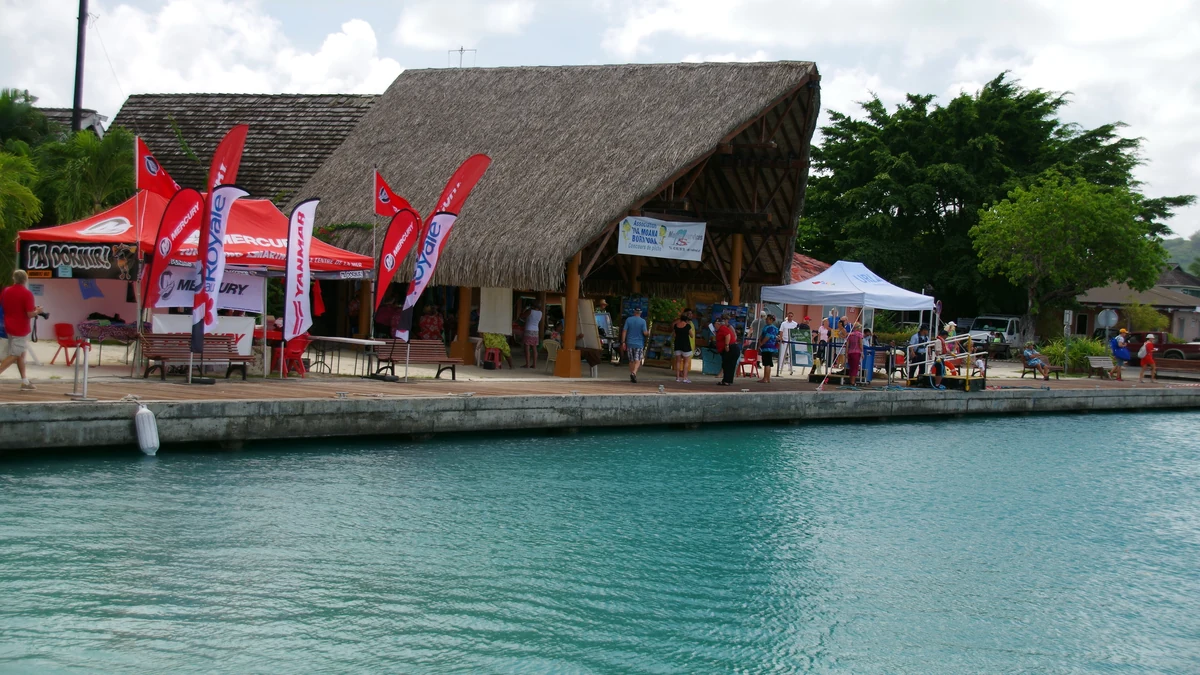
Bora Bora cruise port is a tender call where the lagoon, not the town, is the headline attraction. Ships normally anchor offshore and land passengers at Vaitape, the island’s main settlement. From the quay, lagoon boats, 4×4 tours, taxis and limited local transport spread out quickly. The day works best when one substantial choice—lagoon, Matira Beach or island interior—anchors the schedule.
Vaitape is useful for orientation, shopping and a final drink, but it is not a complete Bora Bora experience by itself. The island’s appeal lies in the relationship between Mount Otemanu, the reef, shallow turquoise water and small motu. Tendering and marine conditions mean that an apparently relaxed call still needs disciplined timing, especially when a boat tour finishes away from the cruise landing.
Bora Bora Cruise Port at a Glance
| Port name | Bora Bora Cruise Port |
|---|---|
| Main arrival area | Tender quay in Vaitape |
| Cruise region | Australasia / Pacific Islands |
| Country / Territory | French Polynesia |
| Currency | CFP franc (XPF) |
| Main languages | French and Tahitian; English is common in tourism |
| Port role | Tender day call and lagoon-focused island destination |
| Disembarkation | Tender boat from the ship to Vaitape; exact landing and priority are ship-specific |
| Walkability | Moderate in central Vaitape; low for beaches, viewpoints and the island circuit |
| Shuttle required | No for central Vaitape; transport or a tour is needed for most headline experiences |
| Main transport | Lagoon boat, ship excursion, local tour, taxi, rental car or scooter, bicycle and limited local truck service |
| Best first-time plan | A well-timed lagoon excursion followed by a short Vaitape stop, or Matira Beach with confirmed transport |
| Main caution | Tender queues, marine weather and limited island transport make late independent returns risky |
Tendering into Vaitape Sets the Day’s Clock
The ship may look close to shore, but tendering includes boat loading, the crossing, unloading and any queue at the quay. Excursion groups may receive priority. Independent passengers should not promise a private operator an exact meeting time based only on the published ship arrival. A reputable local operator will know the call and provide instructions that allow for tender variability.
Vaitape quay is the day’s fixed return point unless the cruise line states otherwise. Photograph the landing, note the final tender and ask whether the queue closes at the stated time or whether that time refers to the last boat’s departure. After a lagoon tour, return to Vaitape before adding shopping or food. Do not finish the day at Matira or on the far side of the island with an unconfirmed taxi.
Choose the Lagoon, the Beach or the Island—Not All Three
A lagoon circuit can occupy most of the usable time ashore. Matira Beach is easier but still needs transport. A land tour may circle the island or climb rough tracks for viewpoints. Each choice offers a different version of Bora Bora, and combining them often reduces the best part of each to a rushed stop.
The official Tahiti Tourisme Bora Bora guide is useful for understanding the island, but the cruise day should be filtered through tender time and operator pickup. For a first visit, the lagoon usually delivers the most distinctive experience. Passengers who do not swim or dislike small boats may prefer a land circuit and a relaxed waterfront finish.
A Lagoon Tour Is the Signature First Visit
Lagoon tours vary from simple scenic circuits to snorkelling trips with several stops, motu lunches and wildlife encounters. The words “lagoon tour” do not define the boat, group size or physical demands. Ask how many people are carried, whether there is shade, how passengers board from the quay, and whether snorkelling is from a ladder, shallow water or the side of a small boat.
Official tourism listings such as Bora Bora lagoon excursions illustrate the range, but availability and routes change. A strong cruise-day tour should name the meeting point, return time and weather policy. It should also separate observation from touching or feeding wildlife, because responsible practice matters more than producing a staged photograph.
Snorkelling Ability Should Shape the Booking
Clear water does not make every stop beginner-friendly. Current, depth, boat traffic and coral all matter. A non-swimmer should ask whether the operator provides a flotation device and close guide support, and whether there is meaningful scenery from the boat if they choose not to enter. Strong swimmers should still stay inside the guide’s defined area.
Reef shoes are not an excuse to stand on coral. Enter and exit where instructed, secure loose equipment and keep sunscreen choices reef-conscious where possible. If the tour includes several water entries, consider fatigue. A shorter two-stop trip with good supervision can be better than an ambitious circuit that turns the final snorkel into an endurance exercise.
Motu Lunches Add Atmosphere but Use Time
A motu lunch can be a memorable part of a lagoon day, combining shallow water, views and local food. It also adds landing, serving and departure time. Read the schedule carefully. Some “full-day” tours are designed for resort guests who do not face a final tender; cruise versions should return to Vaitape with a clear buffer.
Tell the operator about allergies before the day and confirm what drinks are supplied. Shade may be limited even when seating is covered. Keep dry essentials protected during the beach landing, and avoid taking a large bag that must be watched while swimming. The lunch is worthwhile when it is part of the experience, not when it forces the boat to race back.
Matira Beach Is the Best Simple Shore Plan
Matira Beach is the island’s best-known accessible beach and a sensible choice for passengers who want clear water without committing to a multi-stop boat tour. It lies away from Vaitape, so the beach day begins with transport planning. Confirm the fare and pickup point before leaving the quay, then agree how and when you will return.
The beach is not a private resort day. Facilities, shade and food options can vary along the area, and conditions change with tide and weather. Take only what you need, protect valuables and keep the final part of the day in Vaitape rather than waiting at the beach for a taxi close to all-aboard. A swim, a light meal and an early return make a stronger plan than trying to add an island circuit.
A Land Circuit Works for Non-Swimmers and View Seekers
A road-based tour can show villages, churches, coastal views, historic remains and changing perspectives on Mount Otemanu. Standard road circuits and 4×4 outings are not the same. A 4×4 may use steep, rough tracks and open vehicles, while a road tour can be much gentler. Ask about seating, suspension, dust and the amount of walking.
Official listings for Bora Bora land tours show the type of experience available, but the exact route is operator-specific. A land tour is especially useful in overcast conditions when lagoon colour is muted but the island’s landscape and history remain interesting. It also avoids repeated boat boarding, though tendering still cannot be avoided.
Mount Otemanu Is a Landmark, Not a Casual Hike
Mount Otemanu dominates the island, but a cruise call is not the moment to improvise a summit attempt. The terrain is steep, tropical and route-specific. Viewpoint tours and lower-level guided walks can provide scale and scenery without turning the day into an expedition. Any hike should be booked with a local guide who understands the ship schedule.
Cloud often gathers around the summit, so the best photograph may come from the lagoon or a road viewpoint rather than from getting physically closer. Treat Otemanu as the island’s visual anchor. A lagoon circuit that changes angle throughout the day can reveal more of the mountain than a rushed inland route with limited safe stopping space.
Getting Around from Vaitape Requires a Return Plan
Tahiti Tourisme’s Bora Bora transport overview describes taxis, rentals and local options around Vaitape. In practice, supply is finite when a ship arrives. A taxi taken outward does not guarantee an available vehicle back, and app-based assumptions from larger destinations do not transfer automatically to a small island.
Agree the fare, destination and return arrangement before departure. Rental cars or scooters offer independence but add licence, insurance, road and parking questions. The island road is manageable in distance, yet a full circuit with stops can take much longer than the driving time. Return the vehicle early enough to handle paperwork and walk back to the tender queue.
Cycling Is Possible but Heat and Traffic Matter
A bicycle can suit fit passengers who want a slower island experience, particularly when the call is long and the weather moderate. The road is not a closed leisure trail. Sun, humidity, passing vehicles, dogs, surface changes and limited repair support can turn an optimistic circuit into a tiring return.
Do not use a bicycle to combine Matira, viewpoints and shopping on a tight call unless you know the distances and your pace in tropical conditions. Carry water and a basic repair plan, and turn around earlier than the map appears to require. An out-and-back ride with a defined destination is safer than insisting on a full island loop.
Vaitape Is Best Used at the Beginning or End
Vaitape contains shops, small eateries, banks and practical services. It is useful for confirming transport, buying a drink and browsing for locally made goods. It is not large enough to require a formal itinerary, which makes it ideal as flexible time around a booked activity.
Avoid buying bulky or fragile items before boarding a small excursion boat. Browse after the main tour, when the tender queue is visible and the remaining time is known. Check whether pearls and higher-value goods come with clear documentation. A relaxed final forty-five minutes in town is sensible; a last-minute trip away from the quay is not.
Money, Language and Island Etiquette
The CFP franc is the local currency. Established tourism businesses commonly take cards, but small purchases, taxis and market transactions may be easier with cash. Confirm whether a quoted amount is in francs, euros or another currency before agreeing. Do not assume a US-dollar price will produce favourable change.
French and Tahitian are central to local life, while English is common in tourism. A greeting and patient communication go a long way. Dress respectfully away from the beach, ask before photographing people, and remember that Bora Bora is a lived-in island rather than a resort set. Keep swimwear for boats and beaches rather than shops and churches.
Mobility and Boat Boarding Need Specific Questions
Tendering, excursion boats and beach landings create several different access challenges. A passenger may manage the ship tender but struggle with a low lagoon boat or a ladder after snorkelling. Ask the operator to describe the exact boarding method and whether crew can provide physical assistance. “Suitable for seniors” is not specific enough.
A road tour is often the easiest headline option for reduced mobility, but vehicle steps and rough 4×4 tracks still matter. Matira may involve sand and a transfer without a formal accessible stop. Build the day around the most difficult transition, not the average walking distance. The right operator will answer practical questions without minimising them.
Weather Can Change Colour, Comfort and Routing
Bora Bora remains beautiful under cloud, but the lagoon colour is strongest when sunlight reaches the water. Wind affects small boats, snorkel sites and tender comfort. Rain may be brief or persistent. A flexible operator should be able to move stops within the lagoon or replace an exposed site with a more protected one.
Do not cancel a land tour solely because the morning is grey; cloud can lift and the island remains interesting. For a marine tour, ask about the decision point and refund policy. Carry sun protection even under cloud, because ultraviolet exposure remains high. A light rain layer is more useful than heavy clothing in warm humidity.
Choose the Boat and Operating Style, Not Just the Snorkel Stops
A polished list of rays, coral gardens and motu tells you little about comfort. Traditional-style outrigger boats, rigid inflatables, covered motorboats and larger excursion craft behave differently in chop and offer different shade, seating and boarding. The best boat is the one that fits the passengers and the day’s sea state, not necessarily the smallest or most photogenic.
Ask whether everyone faces forward, whether there is back support, where bags stay dry and how the crew communicates during the ride. A fast open boat can make a long circuit exhilarating for some and exhausting for others. A slower shaded boat may reduce the number of stops but increase the amount of the day that is actually enjoyable.
Wildlife Encounters Need Responsible Boundaries
Bora Bora tours may advertise rays, sharks or other marine life. Encounter locations and animal behaviour vary. Choose an operator that explains distance, water entry and environmental rules rather than guaranteeing close contact. Do not chase, hold or stand on wildlife, and do not pressure the guide to recreate an image seen online. A respectful observation is more valuable than a staged interaction.
Ask whether the site is shallow enough to stand and whether standing is environmentally acceptable. Some passengers are reassured by shallow water but uncomfortable when animals approach. Guides should allow people to remain aboard without ridicule. Parents need to decide whether a child can follow instructions calmly in open water, not merely whether the operator’s minimum age is met.
Photography Can Compete with Safety
Waterproof cameras and phones make lagoon photography tempting, but entering water while holding equipment reduces balance and attention. Secure the device with a reliable strap and keep both hands free during ladders or boat transfers. A guide may take better group photographs while passengers concentrate on footing and marine life.
The strongest Mount Otemanu images often come during the boat journey rather than at a designated snorkel stop. Keep a dry camera accessible but protected from spray. Avoid changing lenses or opening bags on a small moving boat. Salt water can damage equipment long after the day, so rinse cases and straps when back aboard.
A Shorter Tour Can Produce a Better Cruise Day
Resort guests can accept a late return or a leisurely motu lunch because they are staying on the island. Cruise passengers cannot. A three- or four-hour tour may allow calmer tendering, Vaitape time and a comfortable return. It can also avoid the fatigue of repeated water entries under strong sun.
Judge value by supervision, route and time in the lagoon rather than by the number of advertised stops. An operator who returns early and leaves you relaxed has not provided less. They have created space for the tender operation and for Bora Bora to feel like an island rather than a tightly managed sequence.
Sun Exposure Builds Quickly on the Lagoon
Reflected light from the lagoon increases exposure even when the boat is moving and the air feels comfortable. Apply high-protection sunscreen before leaving the ship, wear a secure hat and use a long-sleeved rash vest for repeated snorkelling. Reapply after swimming without contaminating the boat deck or entering the water immediately after a heavy application.
Dehydration can develop unnoticed because passengers spend much of the day wet. Confirm that drinking water is supplied and bring your own reusable bottle where the operator permits. Alcohol at a motu lunch should not replace water, particularly before another swim or a hot wait in the tender queue.
On return to Vaitape, change out of wet clothing before joining a long tender queue where facilities allow. Keep a dry layer accessible rather than packed beneath souvenirs. The tender may be air-conditioned or exposed to wind, and the combination of wet swimwear, shade and boat movement can feel unexpectedly cold.
Confirm the boat’s exact return quay before departure and keep the final tender time visible throughout the trip.
Best Things to Do from Bora Bora Cruise Port
Lagoon snorkelling circuit
Best for: First-time visitors and confident swimmers
Plan: Book a cruise-timed operator with clear boarding, shade and supervision
Watch: Wind, current and late return from a full-day route
Matira Beach
Best for: Passengers wanting a simple swim-and-relax day
Plan: Pre-arrange outward and return transport and finish in Vaitape
Watch: Assuming taxis will be waiting at the beach
Island land tour
Best for: Non-swimmers, photographers and cultural interest
Plan: Choose a road circuit or 4×4 based on mobility and comfort
Watch: Rough tracks, limited shade and vague route descriptions
Motu lunch experience
Best for: Passengers wanting a sociable full lagoon day
Plan: Confirm duration, dietary needs and Vaitape return time
Watch: Lunch time compressing the final return
Vaitape browsing
Best for: Flexible final-hour activity
Plan: Shop after the main excursion while monitoring the tender queue
Watch: Treating the town as a substitute for the lagoon or island
CruisePing Recommended Port Day
For most first-time visitors, CruisePing would choose a half- or three-quarter-day lagoon tour that returns to Vaitape well before the final tender. The tour should include scenic cruising, one or two well-supervised water stops and enough shade. Use the remaining time for a drink and short browse near the quay rather than adding Matira at the last moment.
Non-swimmers should not feel pushed into a snorkelling itinerary. A well-interpreted island circuit can deliver Mount Otemanu views, local context and a far more comfortable day. Matira is the strongest low-pressure option when transport is agreed both ways. In every case, the return to Vaitape should be part of the booking, not a problem left for the afternoon.
Weather & Best Time to Visit Bora Bora
Check Météo-France Polynésie française before the call and pay attention to wind and marine conditions as well as rain. The table uses rounded planning ranges.
May to October is generally the relatively drier and slightly cooler period, while the warmer wet season brings greater humidity and heavier showers. Cruise calls occur across seasons, and calm lagoon conditions cannot be guaranteed by the month alone. Boat operators may alter routes even on a bright day if wind is unfavourable.
| Month / season | Typical high | Typical low | Rain / conditions |
|---|---|---|---|
| May–October | 29°C | 24°C | Relatively drier; trade winds and passing showers |
| November–April | 30°C | 25°C | Warmer, more humid and wetter with heavier showers |
| Year-round lagoon | 28–30°C | 23–25°C | Strong sun; marine conditions vary by wind and local exposure |
Practical Questions for a Bora Bora Cruise Call
Where do cruise tenders land?
They normally land at Vaitape, but passengers should follow the ship’s instructions for the exact quay and final tender.
Can I walk to Matira Beach?
It is not a sensible cruise-day walk for most passengers. Use a taxi, tour or confirmed rental and arrange the return before leaving Vaitape.
Is a lagoon tour worthwhile for non-swimmers?
It can be if the boat is comfortable and the scenic cruising is substantial, but ask whether non-swimmers receive a meaningful experience rather than waiting through repeated snorkel stops.
Do I need local currency?
Cards are common in established tourism businesses, but francs are useful for taxis, smaller shops and minor purchases. Confirm the currency of every quoted fare.
Useful Official Links
- Tahiti Tourisme — Bora Bora
- Getting around Bora Bora
- Matira Beach
- Example official lagoon-tour listing
- Example official land-tour listing
- Météo-France Polynésie française
CruisePing Port Verdict
Bora Bora is not a port to fill with separate appointments. Choose the lagoon, Matira or the island interior, then give that choice enough time to feel like an experience rather than a transfer exercise.
For most first visits, the lagoon deserves priority. Confirm boat access, supervision and return timing, keep Vaitape as the flexible finish, and do not let the island’s relaxed appearance disguise the hard deadline of the final tender.
Ready to browse our article library?
Explore more ports in the Australasia / Pacific Islands region, narrow the library to French Polynesia cruise ports, or return to the main CruisePing article library.