
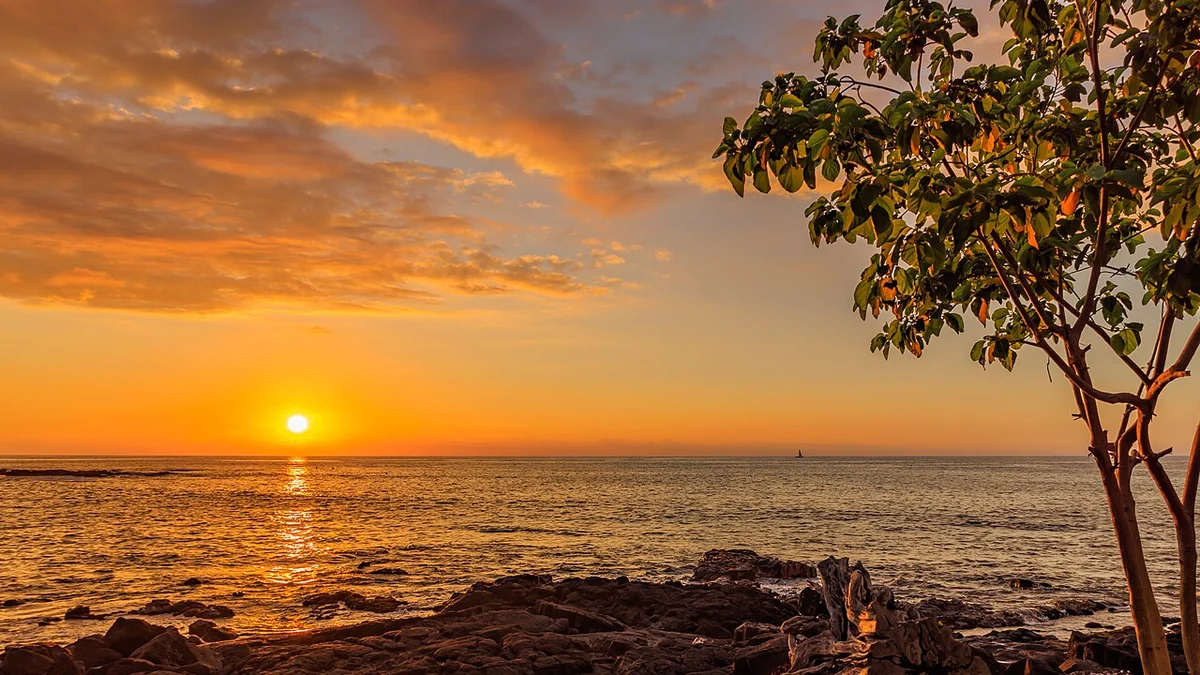
Kailua-Kona cruise port offers one of Hawaiʻi’s easiest town-centre tender arrivals and one of its most tempting reasons to leave town. Tenders normally land at Kailua Pier beside the historic waterfront, placing cafés, shops, Huliheʻe Palace, Mokuʻaikaua Church and Ahuʻena Heiau within a compact walk. Coffee country, Kealakekua Bay and Puʻuhonua o Hōnaunau lie south along a busy coastal corridor and need transport planned around the tender deadline.
The central choice is therefore simple: enjoy a complete historic-waterfront day with minimal risk, or commit to one booked South Kona or marine excursion. Do not turn public buses, separate taxis and an uncertain final tender into a complicated chain. The state’s passenger cruise schedule can help confirm the call, but the ship’s tender instructions remain the authority for landing times and the last return boat.
Kailua-Kona Cruise Port at a Glance
| Port name | Kailua-Kona, Hawaii |
|---|---|
| Main arrival area | Kailua Pier beside the historic waterfront |
| Cruise region | Alaska / North America / Canada |
| Country / Territory | USA |
| Currency | US dollar (USD) |
| Languages | English and Hawaiian |
| Port role | Day call |
| Disembarkation | Tender |
| Walkability | Excellent around the waterfront and historic centre |
| Shuttle required | No for central Kailua; transport required for South Kona and beaches |
| Main transport | Ship excursions, local tours, taxis, ride-hailing, rental cars, Hele-On buses and boats |
| Best first-time plan | Combine the historic waterfront with one booked coffee, heritage or marine experience |
| Main caution | Tender queues and the long coastal return make over-ambitious independent touring risky |
Tendering Is the First Planning Variable
Cruise ships anchor in Kailua Bay and transfer passengers ashore by tender. Sea conditions, ship size and port traffic can affect the start of landing, while priority may go to ship excursions and passengers with allocated tickets. Treat the first hour as variable. A private tour should know the ship and be willing to adjust collection rather than marking you absent after a fixed clock time.
The final tender is more important than the advertised departure time. Return to the pier early enough to join the queue, pass any security and cope with a temporary pause in boat operations. Passengers with limited mobility should ask the cruise line about steps, transfer platforms and wheelchair arrangements before sailing. A calm bay can change, and tender access is always an operational decision.
Kailua Pier Places You in the Historic Centre
The landing is beside the seawall, beach and core of Kailua village. This is a rare port where doing less does not mean seeing less. Ahuʻena Heiau lies close to the pier, while Aliʻi Drive leads past Huliheʻe Palace, Mokuʻaikaua Church, shops and restaurants. The route is exposed to sun and can become crowded, but distances are manageable and there is no need to spend the first hour searching for transport.
Use the town as a genuine plan rather than a waiting area. Begin with the historic sites before heat builds, pause for a drink, then walk farther along the waterfront or add a short taxi to a nearby beach or national historical park. Opening hours can vary, so check the Huliheʻe Palace information if an interior visit is important.
The Waterfront Tells Hawaiʻi’s Royal and Missionary History
Kailua was an important centre of Hawaiian government before Honolulu became dominant. Ahuʻena Heiau is associated with Kamehameha I, while Huliheʻe Palace served Hawaiian royalty and now preserves objects and stories connected with the monarchy. Across Aliʻi Drive, Mokuʻaikaua Church represents another strand of the nineteenth-century town. These places sit close together but should not be reduced to three quick photographs.
Read signs, observe barriers and remember that a heiau is a sacred place rather than a decorative ruin. The waterfront’s value comes from seeing overlapping Hawaiian, missionary and commercial histories in the landscape. A guided cultural walk can provide context, but independent visitors can still build a strong morning by checking opening times and allowing enough time to look beyond the seafront shops.
A Town-Only Day Is Better Than It Sounds
Kailua-Kona can support an easy day of history, cafés, small beaches, shopping and bay views without a long transfer. This is particularly attractive on a shorter call, after several excursion-heavy ports or when the tender starts late. The town is busiest close to the pier; walking a little farther along Aliʻi Drive changes the pace and offers more places to sit away from the landing queue.
The weakness of a town-only day is midday heat. Start with heritage, use lunch as a real break and keep a final hour close to the pier. Swimming areas near town are small and conditions vary, so follow local signs rather than assuming every patch of sand is a safe beach. Secure valuables before entering the water and do not leave bags unattended on the seawall.
South Kona Is the Main Independent Touring Corridor
Coffee farms, Kealakekua Bay and Puʻuhonua o Hōnaunau lie south of Kailua along roads that can slow with local traffic. They can form a coherent route because they share a direction, but the day still needs restraint. Choose a coffee visit and one major cultural or marine stop. Adding several farms, a long snorkel trip and the national historical park creates a timetable rather than an experience.
A pre-booked driver or small-group tour is usually stronger than assembling one-way taxis. The operator should state how far south the route travels, how much walking is involved and when it turns back. Independent drivers must allow time for vehicle collection and return. The coastline can look close from viewpoints while road access follows a much longer path.
Kona Coffee Needs More Than a Retail Stop
Coffee grows on the cooler slopes above the coast, where elevation, cloud and volcanic soil shape the crop. A worthwhile visit explains cultivation, harvesting and processing rather than simply offering samples beside a gift shop. Farm schedules and tour capacity vary, so reserve a specific property when coffee is a priority and confirm whether the route is accessible for limited mobility.
Coffee country pairs naturally with Puʻuhonua o Hōnaunau or a South Kona viewpoint. It does not pair naturally with an ambitious north-coast beach day. Keep purchases protected from heat and check any agricultural restrictions that apply when travelling onward. A small working farm can be more rewarding than a large stop, but only when transport and opening times are reliable.
Puʻuhonua o Hōnaunau Is the Strongest Cultural Excursion
The National Park Service guide to Puʻuhonua o Hōnaunau explains a place of refuge and royal grounds with reconstructed structures, fishponds, carved images and a powerful coastal setting. It deserves unhurried time and respectful behaviour. Shade is limited in parts of the site, surfaces can be uneven and the heat is often stronger than in the coffee uplands.
Visit with a guide who understands the cultural landscape or use the park’s own interpretation. Do not treat the carved kiʻi as props or cross restricted areas. The site lies far enough south that a cruise passenger should leave with a clear return plan. Pair it with one nearby stop, not a complete island circuit. The park’s meaning is lost when the visit is compressed into a fifteen-minute coach break.
Kaloko-Honokōhau Gives a Closer Cultural and Coastal Option
The Kaloko-Honokōhau National Historical Park lies north of Kailua-Kona and protects fishponds, wetlands, trails and cultural sites. It can provide a lower-transfer alternative to South Kona, especially for passengers interested in Hawaiian land and water management. The park is not a polished attraction with continuous shade and refreshments; prepare for heat, rougher ground and a walk that may be longer than expected.
Check which access point and trail suit the available time. A taxi drop without a confirmed collection can be awkward, and the coastline is environmentally sensitive. Give wildlife space, stay on marked routes and carry water. The park can combine with Kailua town, but only if transport is arranged and the walking plan matches the tender return.
Kealakekua Bay Is a Marine and Historical Commitment
Kealakekua Bay is known for clear water, steep scenery and its association with Captain Cook’s final visit to Hawaiʻi. Reaching the monument area is not a simple roadside stop; many visitors approach by authorised boat or demanding trail. For a cruise day, a licensed boat excursion is the most controlled option. Confirm departure harbour, transfer time and whether snorkelling equipment and flotation are included.
Choose the excursion for the bay, marine life and cultural setting rather than a guarantee of perfect visibility. Swell, wind and water conditions can alter the route. Responsible operators brief passengers about reef contact and wildlife distance. A marine trip should be the day’s main event, followed by a quiet waterfront finish—not the first item in a long sequence of South Kona attractions.
Manta and Snorkel Trips Depend on Call Hours
Kona is famous for manta-ray night experiences, but many cruise calls leave before darkness. Do not book a night tour simply because it appears in a general island search. Daytime snorkel and coastal boat trips are more likely to fit, though departure points may be north or south of the tender pier. Read the operator’s cruise-passenger policy and cancellation terms.
Marine wildlife is never guaranteed. Ask about group size, water-entry method, flotation, reef practice and the return transfer. Passengers who are uncomfortable climbing a boat ladder should say so before booking. A shore-based day may be more enjoyable than paying for an excursion whose physical requirements or timing are wrong for the call.
Beaches North and South Need a Return Plan
The Kona coast has attractive beaches, but many are small, rocky, hotel-adjacent or separated from Kailua by busy roads. A taxi can work for a defined out-and-back visit if the return is booked. Ride-hailing availability should not be assumed at a remote beach. Public access must be respected, as must resort boundaries and protected coastal habitat.
Choose a lifeguarded or well-used beach that suits current sea conditions. Kona’s calm appearance can hide surge around lava rock, and entry points may be awkward. For a first visit, a beach is best added to town or a short coastal route rather than made the farthest point of a complicated island day. Keep the final swim early enough to change and return without stress.
Hele-On Can Support a Flexible Local Day
Hawaiʻi County’s Hele-On bus system serves West Hawaiʻi routes, including corridors around Aliʻi Drive and central Kona. It can reduce the cost of a local outing when the timetable aligns, but it is not a protected ship excursion. Check the current route map, stop location and day-of-week schedule before boarding, and save a screenshot in case mobile coverage weakens.
Use the bus for a journey where a delay can be absorbed, such as moving along Aliʻi Drive or reaching a nearby district. Do not depend on several transfers to Puʻuhonua or a final low-frequency service back to the tender. Note the direction of the return stop and carry taxi funds. Local buses are designed for community mobility, not for maximising attractions between tenders.
Taxis, Ride-Hailing and Rental Cars Each Have Limits
Taxis and ride-hailing are useful around Kailua and for pre-agreed transfers, but supply can thin out beyond the main resort and airport corridors. Ask a driver to wait or arrange a collection when visiting a remote site. A rental car gives more control for South Kona, although collection time, parking, fuel and hand-back must fit before the last tender queue.
Do not create a route that fails if one app shows no cars. Record a local taxi number, keep the tour operator’s contact details and turn back earlier than the navigation estimate suggests. The most reliable transport is the one whose return is already part of the booking. Saving a modest fare is not worthwhile if the day ends with a frantic search for a vehicle.
CruisePing Recommended Port Day
For a first visit, spend the early morning on the historic waterfront, then take a pre-booked half-day route into Kona coffee country and Puʻuhonua o Hōnaunau. The combination connects Hawaiian political history, agricultural landscape and the island’s lava coast without requiring a full circle tour. Ask the operator to return you with at least an hour before the final tender queue begins to build.
On a shorter or uncertain call, keep the whole day around Kailua: Huliheʻe Palace when open, Ahuʻena Heiau, Mokuʻaikaua Church, lunch and a waterfront walk. A nearby taxi or short bus outing can be added after the tender operation proves smooth. CruisePing recommends a marine excursion instead only when it is the clear priority and its departure and return transfers are controlled.
How to Scale the Day to the Call Length
Six hours or less
Stay in Kailua or use one short pre-booked local outing. Tender delays consume a larger share of the call, so do not travel deep into South Kona.
Seven to nine hours
A coffee-and-heritage circuit or a well-timed marine excursion becomes realistic. Finish in town and join the tender queue early.
Ten hours or more
A fuller South Kona route can work, but it still needs one main theme. Longer hours do not remove coastal traffic or the risk of a late tender return.
Mobility, Heat and Tender Access
The waterfront is mostly manageable, but kerbs, uneven surfaces, heat and limited shade can make a modest distance tiring. Tender boats may involve steps and movement between vessels. Ask the cruise line about accessible landing arrangements, and tell a tour operator about walking limits before paying. The national historical parks include natural surfaces and exposed coastal sections.
A private vehicle can reduce walking but may not remove steps at a boat or heritage property. Carry water, wear secure footwear and use sun protection. Passengers who cannot tender safely should plan a meaningful ship day rather than assuming crew can provide a transfer that sea conditions do not permit.
Food, Shopping and Responsible Visiting
Kailua has many cafés and restaurants within walking distance of the pier, making lunch easy to schedule around the tender. Coffee, macadamia products and locally made goods are common purchases, but read labels rather than assuming every item was grown or produced on the island. Keep agricultural products in original packaging and follow onward travel rules.
Respect sacred and archaeological places, avoid standing on walls and give sea turtles and other wildlife space. Reef-safe behaviour matters more than the wording on a bottle: do not touch coral, feed fish or chase animals for a photograph. The Kona coast is both a visitor destination and a living cultural landscape.
Weather & Best Time to Visit Kailua-Kona
Use the National Weather Service Kona forecast close to arrival. The leeward coast is often sunnier and drier than Hilo, but afternoon cloud can build over the slopes and short heavy showers are possible. South Kona and coffee country may feel cooler than the pier, while exposed lava surfaces become very hot.
Winter can bring larger swells and occasional disruption to tender or boat operations. Summer is hot, with strong sun reflected from water and dark rock. Carry water, a hat and a light waterproof. Marine excursions should be judged by the operator’s conditions, not by whether the sky over the pier looks blue.
| Month / season | Typical high | Typical low | Rain / conditions |
|---|---|---|---|
| January–March | 27°C | 19°C | Warm and generally dry; winter swell can affect boats |
| April–June | 29°C | 20°C | Often settled with strong sun and light afternoon cloud |
| July–September | 30°C | 22°C | Hot, humid at times and very exposed on lava coast |
| October–December | 29°C | 21°C | Warm with variable showers and building winter surf |
Practical Questions for a Kailua-Kona Cruise Call
Where do cruise tenders land?
They normally use Kailua Pier beside the historic waterfront, subject to the ship’s current instructions and sea conditions.
Can I walk to the main sights?
Yes for central Kailua. Huliheʻe Palace, Mokuʻaikaua Church and Ahuʻena Heiau are within the compact waterfront area.
Can I visit a coffee farm without a tour?
Yes with a rental car or arranged taxi, but reserve the farm and protect time for the return and final tender.
Is Puʻuhonua o Hōnaunau worth the drive?
Yes. It is the strongest cultural excursion south of town and deserves enough time for the landscape and interpretation.
Can I use public buses?
Hele-On can support local journeys, but low frequency and transfers make it unsuitable for a tightly timed multi-stop cruise excursion.
Should I book a manta-ray tour?
Only when the ship remains late enough and the operator confirms cruise-compatible transfer and return times; many calls leave before night tours.
Useful Official Links for Kailua-Kona
These sources help confirm tender operations, heritage opening, public transport and the conditions that shape a West Hawaiʻi day.
- Hawaiʻi passenger cruise schedules
- Hawaiʻi boating and ocean recreation information
- Hele-On bus service
- Puʻuhonua o Hōnaunau National Historical Park
- Kaloko-Honokōhau National Historical Park
- Huliheʻe Palace
- Official Kona visitor information
- National Weather Service Kona forecast
CruisePing Port Verdict
Kailua-Kona succeeds because the tender lands somewhere worth staying. The historic waterfront provides a complete low-risk day, while South Kona offers coffee, national historical parks and marine landscapes for passengers who arrange transport. The decision is not between seeing the island and missing it; it is between two valid scales of visit.
For most first-time visitors, combine the waterfront with one controlled coffee-and-heritage route. Keep a marine trip as an alternative, not an addition. The main avoidable error is travelling south on a chain of uncertain vehicles and treating the final tender as if it were an ordinary departure gate.
Ready to browse our article library?
Explore more ports in the Alaska / North America / Canada region, narrow the library to USA cruise ports, or return to the main CruisePing article library.