
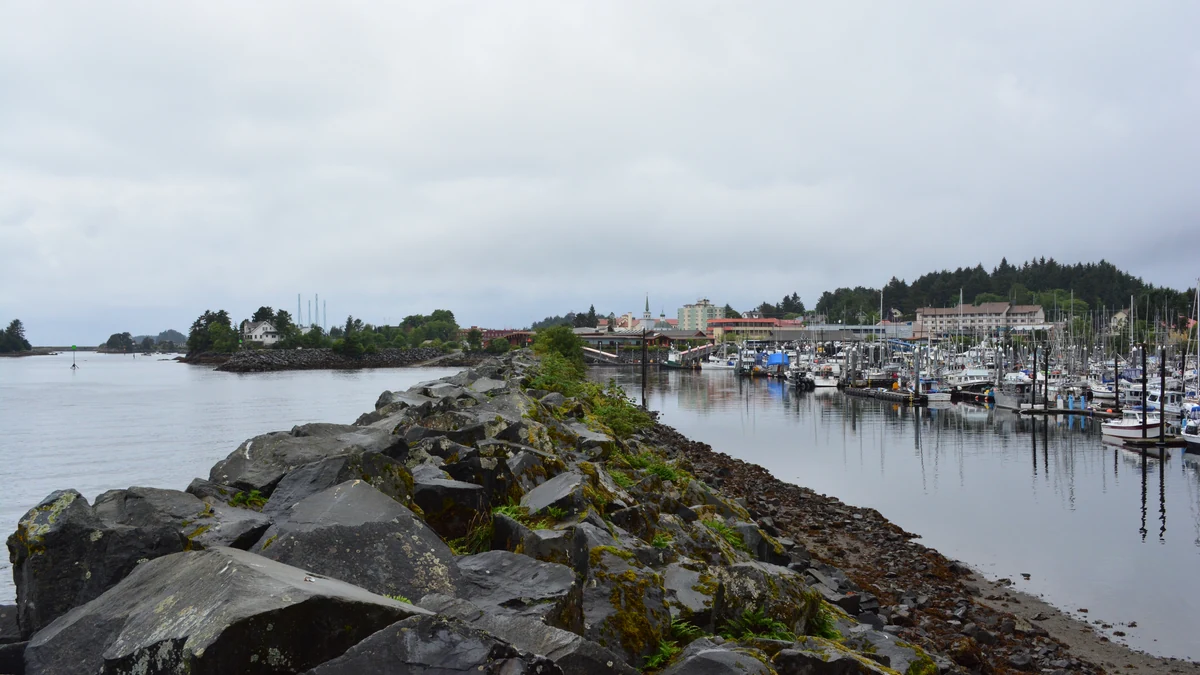
Sitka cruise port has two materially different arrival patterns. Most large ships use the Sitka Sound Cruise Terminal on Halibut Point Road, roughly five miles from downtown, while some vessels anchor and tender closer to the centre. The terminal’s visitor essentials describe a free continuous shuttle with an average ride of about 10–15 minutes, but passengers must still follow their cruise line’s reservation and boarding instructions.
That starting point changes the whole day. From downtown, Sitka’s Tlingit and Russian heritage, harbour views and compact centre work well on foot. Wildlife facilities and marine excursions require timed transport, and several of the most popular sites can fill when multiple ships call. Decide first whether the priority is cultural Sitka, rescued wildlife or a boat-based search for wild animals, then protect the shuttle or tender return.
Sitka Cruise Port at a Glance
| Port name | Sitka, Alaska |
|---|---|
| Main arrival area | Sitka Sound Cruise Terminal for most large ships; some vessels tender near downtown |
| Cruise region | Alaska / North America / Canada |
| Country / Territory | USA |
| Currency | US dollar (USD) |
| Languages | English; Tlingit and Russian heritage are central to local interpretation |
| Port role | Day call |
| Disembarkation | Docked at the out-of-town terminal or tendered downtown, depending on ship |
| Walkability | Very good within central Sitka after reaching downtown |
| Shuttle required | Yes from Sitka Sound Cruise Terminal; not normally from a downtown tender landing |
| Main transport | Free terminal shuttle, walking, local taxis, ship excursions, private minibuses and wildlife boats |
| Best first-time plan | Use the shuttle downtown, combine Sitka National Historical Park with the centre, and add one booked wildlife facility or boat trip |
| Main caution | Return queues, excursion capacity and the five-mile terminal transfer require more buffer than a downtown map suggests |
Identify the Terminal Before Planning Anything Else
A map centred on Lincoln Street is useful only after you know how the ship reaches town. Passengers at Sitka Sound Cruise Terminal begin with a controlled shuttle journey; tender passengers may arrive within walking distance of the centre. Cruise lines sometimes describe both simply as ‘Sitka’, which can hide a forty-minute round trip and waiting time.
Read the daily programme for terminal name, shuttle reservation, meeting point and final return. Do not book an independent tour with a vague ‘port pickup’. The operator must know whether collection is at the terminal or at Harrigan Centennial Hall downtown. A driver waiting at the wrong location can erase the advantage of private touring.
The Free Shuttle Is Reliable Only When You Respect Its System
The terminal states that shuttles run continuously during port hours, include accessible vehicles and normally take 10–15 minutes. High passenger volume, traffic and security procedures can still create queues. The ride is short, but boarding and return staging add time at both ends.
If the cruise line requires a shuttle reservation, make it early and keep the confirmation available. On the return, do not aim for the last possible vehicle. Visit Sitka’s 2026 attraction map advises passengers to use the dedicated downtown pickup and notes a final departure before all aboard. Follow the instructions supplied for your ship, which take precedence over a generic map.
Downtown Sitka Is Compact Once You Arrive
The shuttle normally places passengers near Harrigan Centennial Hall and Crescent Harbor. From there, Lincoln Street, St Michael’s Cathedral, Totem Square, shops and the waterfront are close together. This central cluster supports an independent morning without additional transport.
Sitka is not a grid of large attractions. Its appeal comes from the relationship between landscape, working harbour, Tlingit history and Russian colonial buildings. Walk slowly, use the waterfront viewpoints and allow time inside one or two cultural sites. Racing between every marked point produces less understanding than a shorter route with interpretation.
Sitka National Historical Park Deserves More Than a Photo Stop
Sitka National Historical Park preserves the site of the 1804 battle and a forest trail lined with Tlingit and Haida totem poles. The visitor centre and cultural interpretation provide essential context for the trail, Russian expansion and Tlingit resistance. It is one of the strongest free or low-cost experiences available from an Alaska cruise port.
The park lies beyond the immediate shopping streets but remains reachable on foot for active passengers. Allow for rain, tree roots and unpaved surfaces. Guided programmes and building access vary, so check the National Park Service page. Do not reduce the site to ‘Totem Park’: the landscape and history matter as much as the poles.
St Michael’s Cathedral Anchors the Russian Story
St Michael’s Orthodox Cathedral stands at the centre of the downtown street pattern and is visually difficult to miss. Its icons, architecture and continuing religious role help explain Sitka’s Russian period and the transfer of Alaska to the United States. Visitor access may be restricted by services, restoration or local arrangements.
Treat the building as a place of worship rather than a themed attraction. Modest behaviour, quiet voices and a small donation are appropriate when entry is available. The cathedral works best as one element in a downtown heritage route, paired with the Russian Bishop’s House or park interpretation rather than as a five-minute checklist item.
The Russian Bishop’s House Adds Depth but Has Variable Access
The Russian Bishop’s House is managed by the National Park Service and preserves a rare example of Russian colonial architecture in North America. When open, it adds domestic and institutional detail that the cathedral alone cannot provide.
Access can be seasonal or programme-led. Check the current schedule instead of assuming every room is available throughout the cruise season. Its location suits a walking route between downtown and the national historical park, but a guided tour can consume enough time to require dropping another museum.
The Sheldon Jackson Museum Is the Strongest Indoor Cultural Collection
The Sheldon Jackson Museum holds Alaska Native cultural material from across the state. It is not limited to Sitka or Tlingit culture, which makes careful interpretation important. The museum offers a valuable indoor alternative during heavy rain and pairs geographically with the national historical park.
Check current opening days and admission. Visitors should approach objects as living cultural heritage rather than curiosities. If the park visitor centre and museum are both open, allow enough time to absorb them; attempting both at speed defeats their purpose.
The Alaska Raptor Center Can Fit a Cultural Walking Day
The Alaska Raptor Center rehabilitates injured birds of prey and provides education about Alaska’s species. It lies inland from the main centre, beyond an effortless stroll for some passengers but close enough to combine with the national historical park by taxi, tour or a longer walk.
Admission slots, operating hours and transport can become pressure points on busy cruise days. Confirm whether a private tour includes entry or merely stops outside. The centre is a wildlife-care facility, not a staged guarantee of active birds; viewing depends on rehabilitation needs and animal welfare.
Fortress of the Bear Is Not a Downtown Add-On
Fortress of the Bear is an educational rescue centre south of town. Its location makes organised transport sensible, and it is commonly combined with the Raptor Center and national historical park. That combination is efficient but can feel rushed when each stop receives only twenty minutes.
Choose it because bears and rescue work are a main priority. Ask about entry, time on site, vehicle size and whether the tour starts downtown or at the cruise terminal. Passengers should not expect a wild-bear experience: the value is close viewing of rescued animals and learning why they cannot return to the wild.
Wildlife Boats Offer a Different Sitka
Marine excursions search Sitka Sound for whales, sea otters, sea lions, birds and coastal scenery. No operator can guarantee a particular species, and routes change with conditions and recent sightings. A smaller boat may provide closer interpretation but can involve more motion, spray and difficult boarding.
Compare trips by duration, boat design, viewing space, toilets, shade or heated cabin and the pickup location. The best cruise-compatible tour returns with a wide margin before the final shuttle or tender. Do not book a long wildlife trip simply because it lists more species; time on the water and operator judgement matter more than the marketing checklist.
Sea Otters and Whales Are Seasonal Wildlife, Not Props
Sitka Sound is especially associated with sea otters, while humpback whales and other marine mammals may be seen during the cruise season. Encounters are variable, and responsible operators keep legal distances and avoid crowding animals. A distant natural sighting is more valuable than a close approach that changes behaviour.
Use binoculars and accept that weather can limit photography. Passengers who need certainty should choose the Raptor Center or Fortress of the Bear, where animal viewing is more predictable, while understanding that these are rehabilitation or rescue facilities rather than wild encounters.
A Private Minibus Can Link the Outlying Sites Efficiently
Private or small-group road tours can connect Fortress of the Bear, the Raptor Center, viewpoints and the national historical park without repeatedly searching for taxis. They are useful for mixed-mobility groups and passengers who want commentary. Availability shrinks rapidly when several ships are in port.
Confirm the exact start point and whether the tour ends downtown or at the terminal. A downtown finish can be ideal if there is time for independent walking; a terminal finish is safer late in the call. Do not accept a route that spends most of the time waiting outside attractions while the guide secures tickets.
Mount Edgecumbe Is a View, Not a Cruise-Day Hike
The volcanic outline of Mount Edgecumbe is one of Sitka’s defining views when cloud allows. Reaching and hiking it is not a realistic independent port-day activity for normal cruise calls because it requires water transport, trail time and appropriate outdoor preparation.
Enjoy the mountain from the harbour, viewpoints or a marine excursion. Ambitious backcountry plans should be reserved for a land stay with weather flexibility. Sitka has enough accessible landscape and history without turning the call into an expedition that depends on several fragile transfers.
Tlingit Culture Needs Specific, Respectful Interpretation
Totem poles, clan histories and cultural demonstrations should not be reduced to generic ‘Alaska Native’ decoration. Different poles have specific makers, stories and community contexts, and some historic collections were assembled through unequal colonial relationships. Use National Park Service and local cultural interpretation to understand what is being shown.
When buying art, look for the artist’s name and community rather than a vague style label. Ask before photographing people, demonstrations or restricted cultural material. Sitka’s history becomes more coherent when Tlingit continuity is treated as present-day life, not merely the prelude to Russian and American settlement.
Shopping Is Best Kept Around Lincoln Street
Downtown shops sell local art, jewellery, books and Alaska souvenirs. Quality and provenance vary, so ask where an item was made and whether Indigenous designs are produced by the represented artist or community. The compact centre makes browsing easy after a tour.
Do not delay the shuttle return for a last purchase. Ship-day crowds can make checkout slower, and some shops may offer delivery arrangements. Cards are common; US cash helps for small tips and markets. Purchases made from local artists and cultural organisations generally keep more value in the community.
Food Should Fit the Shuttle, Not Fight It
Seafood, cafés and casual restaurants are concentrated downtown and around the harbour. A sit-down lunch can be enjoyable after the park, but queues rise when multiple ships release passengers at the same time. Eat early, late or choose a simpler counter-service option.
Passengers with a timed wildlife excursion should not order a long meal immediately beforehand. The final shuttle queue is also a poor moment for takeaway. Keep water and a snack available because a delayed arrival or full tour can compress the meal window.
Rain Is Normal and Often Improves the Forest
Sitka has a wet maritime climate. The National Weather Service forecast should be checked for rain, wind and marine conditions, but showers alone are not a reason to abandon the park. Wet forest, mist and low cloud are part of the setting.
Use a waterproof jacket, layers and shoes with grip. Umbrellas are awkward on narrow paths and in wind. Heavy rain makes indoor museums more valuable; strong wind affects boat comfort and potentially tender operations. Build one indoor component into the day even when the morning looks clear.
Capacity Is the Real Constraint on Busy Days
Sitka’s visitor numbers can concentrate at the terminal shuttle, wildlife facilities and popular small-group tours. A site that looks close may still require a timed ticket or a vehicle that has sold out. Book the non-negotiable experience first and leave downtown walking flexible.
When several ships call, do not assume taxis will appear on demand. Use the official cruise schedule and ship information to anticipate crowding, but remember that schedules change. The most resilient plan has one reserved activity and one unreserved cultural route.
Mobility Planning Must Cover Three Different Transfers
Passengers may face the gangway, terminal shuttle and attraction vehicle before reaching the first site. Accessible terminal shuttles are available, but a specific tour bus, wildlife boat or tender may have different limits. Ask about wheelchair storage, vehicle steps and boarding assistance separately.
Downtown pavements are manageable in the core, while park trails, wet surfaces and older buildings vary. A panoramic shuttle-and-city route can be rewarding without demanding the full totem trail. Do not let an operator describe the whole day as accessible based only on the first shuttle.
DIY Versus Organised Excursion Is a Hybrid Decision
Downtown Sitka and the national historical park are well suited to independent exploration once the terminal transfer is complete. Wildlife facilities and boat trips benefit from advance booking and organised transport. The strongest first-time day often combines both approaches rather than choosing one ideology.
Take the shuttle downtown, use a booked tour for the outlying priority, then walk Lincoln Street and the harbour independently. Alternatively, visit the park first and take a later reserved boat. Keep the final movement simple: finish near the official downtown shuttle point rather than expecting a tour operator to improvise a terminal transfer.
CruisePing Recommended Port Day
Reserve a morning small-group route that includes one wildlife facility and Sitka National Historical Park, ending downtown. Spend the remaining time on Lincoln Street, St Michael’s Cathedral and the harbour before joining the terminal shuttle with at least an hour of operational margin. This balances wildlife, culture and the transfer reality.
Passengers most interested in wild animals should replace the road tour with a marine excursion and keep the downtown route short. Passengers avoiding vehicle transfers should use the national historical park, Sheldon Jackson Museum and central Sitka. Do not attempt both a long boat trip and every wildlife facility.
Weather & Best Time to Visit Sitka
Sitka’s climate is cool, wet and maritime. Summer temperatures are moderate, rain is possible throughout the cruise season, and cloud can hide mountain views without preventing a worthwhile cultural day. Wind and sea conditions affect wildlife boats and tender calls more directly than a simple rain forecast.
Pack a waterproof outer layer, warm mid-layer and shoes that can manage wet paths. Check live conditions before choosing between marine and land activities, and listen for changes to shuttle or tender operations.
| Month / season | Typical high | Typical low | Rain / conditions |
|---|---|---|---|
| May–June | 14°C | 7°C | Cool with frequent showers, long daylight and variable cloud |
| July–August | 16°C | 10°C | Mildest period; rain remains common and marine fog is possible |
| September | 13°C | 7°C | Cooler, wetter and increasingly changeable |
| October | 9°C | 4°C | Cold rain, wind and short daylight can narrow outdoor plans |
Practical Questions for a Sitka Cruise Call
Where do cruise ships dock in Sitka?
Most large ships use Sitka Sound Cruise Terminal about five miles from downtown; some vessels tender closer to the centre.
Is the shuttle free?
The terminal provides a complimentary shuttle, but reservation and boarding arrangements are controlled through the cruise line or terminal instructions.
Can I explore Sitka independently?
Yes after reaching downtown. Lincoln Street, the cathedral, harbour and national historical park form a strong independent route.
Can I walk to Fortress of the Bear?
No sensible cruise-day plan should. It is south of town and requires a tour, taxi or pre-arranged vehicle.
Which wildlife attraction is best?
Choose the Raptor Center for rehabilitated birds, Fortress of the Bear for rescued bears, or a boat for uncertain but genuinely wild marine sightings.
How early should I return for the shuttle?
Follow the ship’s instructions and avoid the last departure. Allow for queues, traffic and security at the terminal.
Useful Official Links for Sitka
Use these sources to confirm the terminal shuttle, attraction access, operating hours and weather.
- Sitka Sound Cruise Terminal visitor essentials
- Visit Sitka transportation information
- Sitka National Historical Park
- Russian Bishop’s House
- Sheldon Jackson Museum
- Alaska Raptor Center
- Fortress of the Bear
- National Weather Service forecast
CruisePing Port Verdict
Sitka offers an unusually rich combination of Tlingit history, Russian colonial heritage, rainforest and wildlife. Its complication is not distance between every attraction; it is the split arrival system and the capacity pressure created by busy cruise days. A polished terminal can make the port look simpler than it is, while a downtown tender can hide the need to reserve outlying attractions. Read the operational details before choosing the sightseeing sequence.
Our preferred first visit combines one reserved wildlife component with the national historical park and central Sitka. The terminal shuttle should be treated as part of the itinerary, not as invisible transport. Passengers who book one priority and leave the downtown route flexible will see more and worry less. That choice also leaves space for rain, queues and the unplanned harbour moments that make Sitka feel less like a packaged stop. Keep the final return deliberately early and straightforward. on every cruise call. Safely.
Ready to browse our article library?
Explore more ports in the Alaska / North America / Canada region, browse USA cruise ports, or return to the main CruisePing article library.