
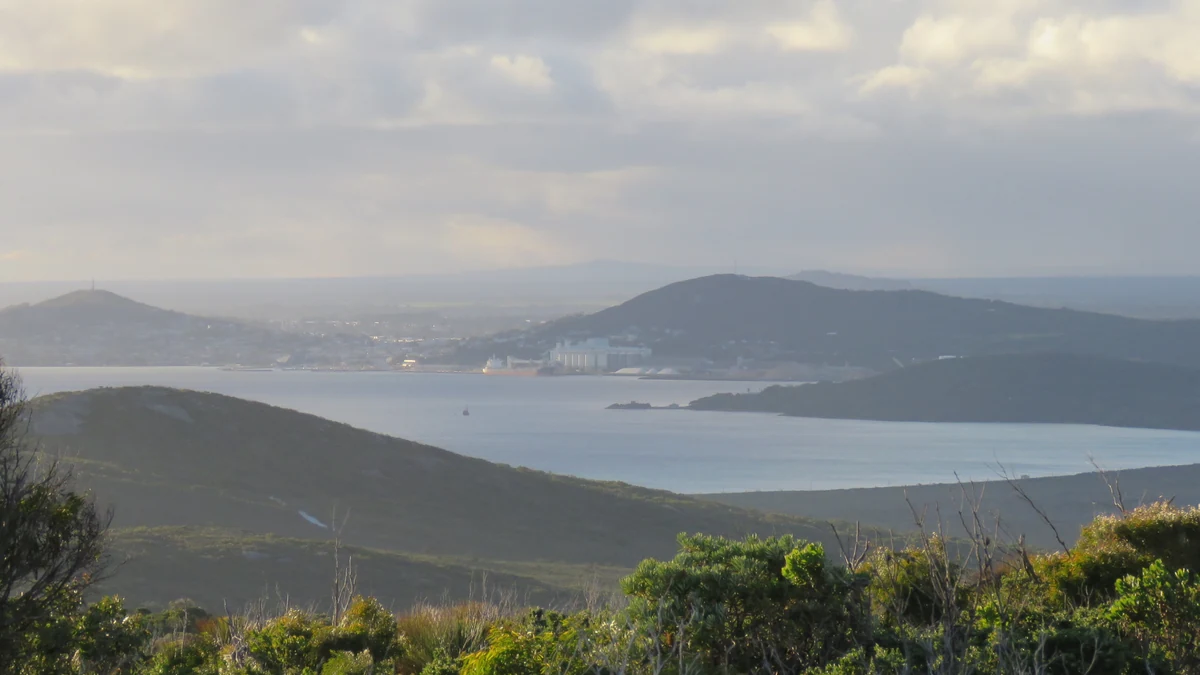
Southern Ports identifies Albany as a working commercial port inside Princess Royal Harbour. Albany Australia cruise port normally provides a docked arrival, followed by controlled movement from the secure port area and cruise-day shuttles towards the city. The berth is close geographically, but passengers should not assume they can walk independently through operational port land.
Albany’s choices divide cleanly. The city and National Anzac Centre make a substantial heritage day. Torndirrup National Park and the historic whaling station form a separate coastal circuit requiring organised transport. Beaches and regional scenery are further options, but the call becomes weaker when several distant areas are combined without allowing for shuttle and road time.
Albany Australia Cruise Port at a Glance
| Port name | Albany, Western Australia |
|---|---|
| Main arrival area | Commercial Port of Albany, with controlled transfer or cruise shuttle towards the city |
| Cruise region | Australasia / Pacific Islands |
| Country / Territory | Australia |
| Currency | Australian dollar (AUD) |
| Languages | English |
| Port role | Day call |
| Disembarkation | Docked |
| Walkability | Good within central Albany after the port transfer; major attractions sit outside the centre |
| Shuttle required | Yes to leave the secure working port on most calls; confirm the ship’s arrangement |
| Main transport | Cruise shuttle, organised tours, pre-booked taxis, rental cars and walking within the city |
| Best first-time plan | Combine central Albany with the National Anzac Centre, or choose one organised Torndirrup and whaling-station circuit |
| Main caution | The Gap, Discovery Bay, beaches and the Anzac precinct require transport and should not be assembled as casual walkable stops |
The Working Port Requires an Organised First Transfer
The Cruise Albany visitor information and its dedicated cruise map should be checked for the call’s shuttle stops and visitor arrangements. Industrial access rules can prevent walking from the gangway even though York Street is not far away. Follow port staff and do not attempt to leave through freight routes.
Treat the shuttle as part of the day, not a nuisance to be avoided. Note where it drops off, where it returns and the final departure. If joining an independent tour, confirm whether the operator meets inside the cruise reception area, at a city shuttle stop or after security.
Albany Has Two Strong Days Rather Than One Long Checklist
The heritage day uses central Albany, Mount Clarence and the National Anzac Centre. The coastal day uses Torndirrup National Park, The Gap, Natural Bridge and often Discovery Bay’s whaling station. Each can fill most of a call when visited properly.
A private vehicle can connect them, but the result is often rushed. For a first visit, choose the story you most want: Albany’s military and settlement history, or the force of its southern coastline. The city is not a poor fallback; it is a major part of why Albany matters.
Best Things to Do in Albany
Official Albany destination guidance highlights the National Anzac Centre, Torndirrup National Park, beaches and the city’s historic setting. These are geographically spread. Cruise passengers should group attractions by direction and avoid crossing the city repeatedly.
The strongest independent component is the central heritage area once the shuttle has delivered you. The strongest organised component is a vehicle loop with fixed admissions and a protected return. A half-day tour can be paired with town time when its route is compact.
The National Anzac Centre Deserves Real Time
The National Anzac Centre sits within Albany Heritage Park at Mount Clarence and interprets the First World War through individual stories. It overlooks King George Sound, from which the first Australian and New Zealand troop convoys departed. The setting and content belong together; allow time for both the galleries and the surrounding memorial landscape.
The centre is outside the immediate downtown walking core and sits uphill. Use a tour, taxi or confirmed shuttle connection. Do not schedule it as a brief photo stop before racing to Torndirrup; the museum’s value comes from following the narrative.
Torndirrup Is a Landscape Excursion, Not a Town Walk
Torndirrup National Park contains The Gap, Natural Bridge and exposed Southern Ocean viewpoints. The Gap platform makes the power of the coast visible, but wind, spray and temporary access controls can affect the experience. Stay behind barriers and follow park notices.
Transport supply is the central issue. There is no useful cruise-day public bus circuit linking these sites. A ship tour, local tour or pre-booked vehicle is more reliable than hoping to find a taxi for a one-way trip.
Discovery Bay Explains the Whaling Coast
Albany’s Historic Whaling Station at Discovery Bay occupies the former Cheynes Beach Whaling Company site. It is a substantial attraction rather than a single preserved boat and works well with Torndirrup because both lie south of the city.
Read the current admission and opening information before booking transport. Combining the whaling station with every national-park lookout can leave insufficient time at either; a guided route usually selects the best balance.
York Street and the Historic Centre Make a Coherent Walk
After the port shuttle, York Street provides cafés, shops and the visitor centre, while the wider central grid contains historic buildings, museums and harbour viewpoints. The city slopes, so a map that looks compact may still involve climbing. Begin with the attraction farthest uphill and work back towards the shuttle if mobility permits.
Central Albany is useful before or after a timed tour because you can shorten the route without jeopardising a booking. It is also the best wet-weather fallback when coastal viewpoints are obscured or uncomfortable.
Mount Clarence and Town Are Closely Linked but Not Flat
Albany Heritage Park rises above the city. The Desert Mounted Corps Memorial, Padre White Lookout and National Anzac Centre share the broader precinct, but walking from downtown involves sustained elevation. Strong walkers can consider sections of the route; most cruise passengers will use transport.
A drop-off at the top followed by a planned descent can work, but only when paths and weather suit the group. Ask the visitor centre or guide about current access rather than relying on old walking-blog directions.
Beaches Are Beautiful but Secondary on a Short Call
Middleton Beach is the easiest city beach to include, while Little Beach and other celebrated coves lie farther east and require a dedicated vehicle plan. Southern-coast weather can make a beach visually dramatic without making it suitable for swimming.
Choose a beach stop for scenery, walking or a specific swim in safe conditions. Do not assume a named “best beach” is a simple taxi ride with immediate return transport. Remote beach time is strongest inside a tour or rental-car route.
A Rental Car Can Work, but Port Access and Supply Matter
Independent drivers gain flexibility for Torndirrup, Discovery Bay and beaches. They also accept responsibility for port shuttle time, vehicle collection, left-side driving, parking and return. Confirm where the rental office is relative to the shuttle drop rather than assuming a car waits at the gangway.
Book well ahead on cruise days. A late tender is not the issue in a docked port, but disembarkation, immigration or shuttle congestion can still delay collection. Build the itinerary with one optional stop that can be removed.
Organised Tours Are Strongest for the Coastal Circuit
The southern loop contains several attractions with separate entry or parking arrangements. A local guide can sequence The Gap, Natural Bridge, Discovery Bay and viewpoints according to conditions. A ship tour adds protected return and simplifies the secure-port meeting point.
Compare what is actually included. Some “Albany highlights” tours focus on history and town; others travel to Torndirrup but omit the whaling station. Choose the route, not the number of stops in the title.
Food and Local Produce Fit Best Around the City Route
Albany and the Great Southern are associated with seafood, cool-climate produce and wine, but vineyard touring is a separate regional commitment. A cruise-day tasting is most sensible within an organised route or central venue rather than a distant cellar-door sequence.
Central lunch gives you control over timing. If a morning tour returns late, choose a quick meal near the shuttle rather than gambling on another taxi. Ask about Australian card surcharges and carry a small cash backup.
Wind Can Change the Value of the Coastal Day
Albany’s south coast is exposed. Strong wind can make The Gap exhilarating but uncomfortable, reduce visibility and affect walking. Rain can arrive in fast bands even when the city looks bright. Carry a waterproof layer and secure hats and loose items.
If conditions are poor, move the emphasis towards the National Anzac Centre and central heritage rather than forcing a checklist of lookouts. A weather-responsive plan is not a compromise; it uses Albany’s unusually strong indoor alternative.
The Museum of the Great Southern Strengthens a Town Day
The Museum of the Great Southern and the replica brig Amity add local Aboriginal, natural and colonial history close to the waterfront precinct. They help explain Kinjarling / Albany as the site of Western Australia’s first permanent European settlement and a place with much older Menang Noongar connections.
Check current exhibition access and opening hours. The museum works particularly well when coastal weather is poor or when the National Anzac Centre would be too demanding. It can also form the first stop before walking uphill through the historic centre.
Convict and Early-Settlement Sites Need Selective Use
Albany contains preserved gaol, cottage and civic buildings, but visiting every heritage interior can make the day repetitive. Select one or two that illuminate a particular story, then use the streets and harbour to connect them. The visitor centre can confirm which small sites are open on the call date.
This is where an independent city day has an advantage over a broad highlights coach. You can spend longer where the interpretation is strong and skip a building that is closed, crowded or inaccessible without disrupting the whole route.
Wildlife and Whale Season Are Not Guaranteed Cruise Products
Southern right and humpback whales may be seen seasonally around Albany, while seabirds and coastal wildlife add interest throughout the year. A cruise call should not be built around an unverified promise of whale sightings. Sea conditions, season and operator schedules determine whether a dedicated trip runs.
Discovery Bay’s interpretation can still provide the region’s whaling and marine story without requiring a live sighting. Choose a wildlife boat only when it is a clear priority and its return aligns comfortably with port transfer arrangements.
A Half-Day Call Needs One Anchor, Not a Regional Circuit
On a short call, take the shuttle into town and choose either the central heritage area or pre-arranged transport to the National Anzac Centre. Torndirrup and Discovery Bay require too much road time to be casual additions when the usable window is small.
With a full day, the southern coastal circuit becomes realistic. Even then, do not add distant beaches or wineries simply because the vehicle is already hired. Keep the route on one side of the city and return before the final port shuttle.
Denmark and the Wine Region Usually Stretch Beyond a Balanced Port Day
Denmark, the forested coast and wineries west of Albany can appear close when viewed as part of the wider Great Southern region. In practice, they create a separate road day. A tasting route needs a designated driver or organised operator, confirmed opening arrangements and enough time to enjoy the stops rather than count them. It also points away from the National Anzac Centre and the Torndirrup–Discovery Bay circuit, so combining all three directions produces repeated driving and a weak final buffer.
A specialist food or wine excursion can still be an excellent choice for returning visitors, particularly when the operator collects at the authorised cruise meeting point and limits the route to two or three meaningful stops. Confirm whether lunch is included, whether tasting fees are covered and whether the final return is directly to the port shuttle or ship-security point. For a first Albany call, however, the city’s Anzac story and southern-coast landscape are more distinctive and easier to protect against delays. Treat Denmark as an alternative theme, not an extra stop after the main itinerary.
Accessibility Differs Sharply Between City and Coast
Central Albany has slopes and older surfaces, but cafés, museums and rest points allow a flexible pace. The National Anzac Centre provides a modern visitor facility, although reaching the precinct requires transport. Torndirrup’s principal viewpoints include developed access, yet wind, spray and distance from the vehicle can still matter.
Ask the tour operator about actual walking, steps and toilet availability. “Panoramic” tours may be suitable for limited walkers but can involve repeated coach boarding. A city route with one museum may provide more control and dignity.
How to Sequence a Full Albany Day
For the heritage route, leave the port on the first practical shuttle, travel directly to Albany Heritage Park and complete the National Anzac Centre before lunch. Return downhill to the city for the Museum of the Great Southern, the Amity precinct or a selective historic walk, finishing near the cruise shuttle. This puts the fixed admission and uphill transport first and leaves flexible walking last.
For the southern coast, meet a pre-arranged vehicle at the authorised point and travel towards Torndirrup before the largest coach groups where possible. Combine The Gap and Natural Bridge with either Discovery Bay or selected coastal viewpoints. Eat within the route or carry a planned snack; returning to town for lunch and then driving south again wastes the call.
Do not attempt a morning Anzac Centre visit, full Torndirrup circuit, whaling station, Little Beach and winery tasting merely because each appears within the Albany region. The driving directions form different loops, and meaningful attractions require time. One strong anchor plus supporting stops produces a better day and a safer port return.
CruisePing Recommended Port Day
For a first visit, CruisePing would choose the National Anzac Centre as the anchor. Use confirmed transport to Albany Heritage Park, allow enough time for the museum and views, then return to central Albany for a heritage walk, lunch and the shuttle. This route tells the clearest local story and remains workable in changeable weather.
Passengers whose priority is wild coastline should instead book one Torndirrup and Discovery Bay circuit. Do not try to bolt it onto the Anzac plan unless a well-designed tour explicitly does so with comfortable time at each stop.
Weather & Best Time to Visit Albany
Albany has a cool, maritime south-coast climate. Summer can be pleasantly warm but windy; winter is wetter and cooler. Cruise-season days can shift rapidly between sun, showers and strong coastal wind, so layers matter more than the month alone.
| Month/season | Typical high | Typical low | Rain/conditions |
|---|---|---|---|
| December–February | 23°C | 13°C | Mild to warm, often breezy; dry spells with occasional showers |
| March–May | 20°C | 11°C | Cooling and increasingly changeable; good walking conditions between fronts |
| June–August | 16°C | 8°C | Coolest and wettest period, with strong winds and frequent rain bands |
| September–November | 19°C | 9°C | Variable spring weather, bright intervals, showers and exposed-coast wind |
Check the live Bureau of Meteorology forecast for Albany and national-park notices. Conditions at The Gap can be windier and wetter than the city centre.
Practical Questions for an Albany Cruise Call
Can I walk from the ship into Albany?
Usually not through the secure working port. Use the call’s authorised shuttle or transfer.
Is the National Anzac Centre walkable from town?
It is possible for strong walkers but involves a significant uphill route. Transport is preferable for most cruise passengers.
Can I visit The Gap independently?
Yes with a pre-booked car or taxi plan, but public transport is not useful and return supply should be confirmed.
Can I combine the whaling station and Torndirrup?
Yes; they form a logical southern circuit. Allow enough time rather than adding them to a full city and Anzac itinerary.
Is Albany a beach port?
It has excellent beaches, but most require transport and weather may favour scenery over swimming.
What currency is used?
Australian dollars. Cards are widely accepted.
Useful Official Links for Albany
Use these current sources to confirm arrival arrangements, attraction access, tour timings and live weather before your call.
- Southern Ports: Albany
- Cruise Albany
- Albany cruise visitor map
- National Anzac Centre
- Torndirrup National Park
- Bureau of Meteorology Albany forecast
CruisePing Port Verdict
Albany is a stronger port than its working berth suggests. The city has a nationally important Anzac story, while Torndirrup and Discovery Bay provide a powerful separate coastal day. The problem is not lack of choice but the distance between those choices.
Our recommended first visit prioritises the National Anzac Centre and central Albany. It is distinctive, meaningful and resilient. Take the coastal circuit when ocean landscape is the clear priority, using organised transport and accepting that it replaces much of the city day.
Ready to browse our article library?
Explore more ports in the Australasia / Pacific Islands region, browse Australia cruise ports, or return to the main CruisePing article library.