
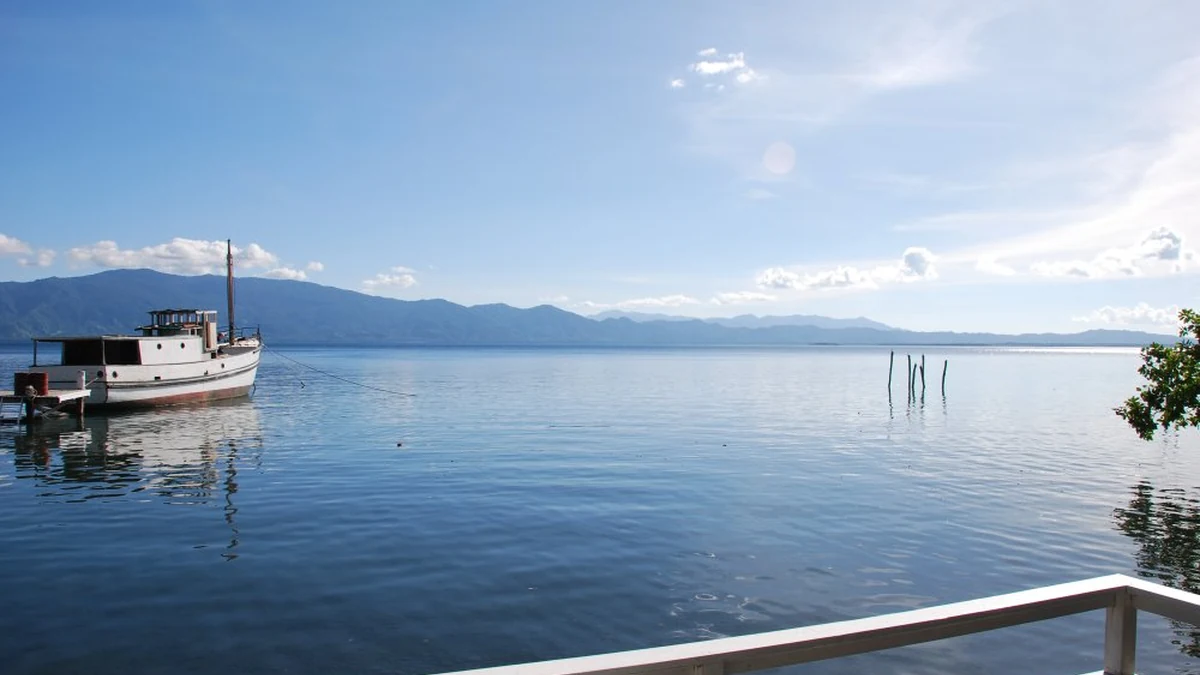
Papua New Guinea Tourism describes Alotau as the capital and transport hub of Milne Bay and the country’s principal cruise-call gateway. Alotau cruise port is a working waterfront arrival rather than a polished terminal district. Some vessels berth at the wharf while arrangements can vary with ship size and port operations; use the daily programme for the actual gangway, tender or shuttle instructions.
The strongest day is organised around people and history: a cultural village visit, Milne Bay wartime sites, local performance or a carefully guided town and market route. Independent transport and visitor infrastructure are limited, heat is significant, and current travel advice requires sensible caution. This is a port where a reputable ship or locally verified excursion usually adds more value than improvised wandering.
Alotau Cruise Port at a Glance
| Port name | Alotau, Milne Bay Province |
|---|---|
| Main arrival area | Alotau wharf or the ship’s designated landing and reception area; arrangements vary by call |
| Cruise region | Australasia / Pacific Islands |
| Country / Territory | Papua New Guinea |
| Currency | Papua New Guinean kina (PGK) |
| Languages | English, Tok Pisin and local Milne Bay languages |
| Port role | Day call |
| Disembarkation | Usually docked; ship-specific arrangements may vary |
| Walkability | Limited to the immediate waterfront and town; heat, traffic and uneven surfaces reduce comfort |
| Shuttle required | Depends on the call; organised transport is strongly recommended for attractions beyond the waterfront |
| Main transport | Ship excursions, vetted local tours, arranged minibuses, limited taxis and short guided walks |
| Best first-time plan | Take a verified cultural and Milne Bay history tour, then use any remaining time close to the ship |
| Main caution | Limited infrastructure, heat, cash handling and current security advice make unplanned independent transport a weak choice |
Arrival Arrangements Need Ship-Specific Confirmation
Alotau can receive cruise vessels at the town’s port facilities, but berth availability, gangway position and local reception vary. Do not make a fixed meeting plan based only on a map pin. Read the onboard notice and ask whether independent tour operators meet at the gangway, port gate or a separate assembly point.
Port operations may include local market stalls, performances or transport dispatch close to the ship. These arrangements are valuable but not guaranteed. Keep the operator’s phone details and the ship’s emergency contact offline because mobile coverage and power can be inconsistent.
A Guided Day Is the Sensible Default
The current UK travel advice for Papua New Guinea does not single out Milne Bay as one of the regions under the strongest warning, but it advises care across the country and highlights crime, weak infrastructure and limited medical support. That is not a reason to stay aboard; it is a reason to use trusted transport, avoid isolated independent wandering and follow local instructions.
A ship excursion or vetted local operator supplies a known vehicle, guide and return time. It also makes the cultural content more meaningful. Alotau is not best understood through a self-guided checklist of buildings; the value lies in explanation, performance, community visits and the landscape of Milne Bay.
Best Things to Do in Alotau
Papua New Guinea Tourism’s Milne Bay page and its cruise-destination material frame Alotau as the gateway to cultural, historical and marine experiences. On a single call, culture and wartime history are the most reliable land-based themes. Remote islands and diving belong to longer stays or a specifically designed ship excursion.
Ask what is included, how much time is spent driving and whether admission or community fees are part of the price. A short list of well-hosted stops is preferable to a vehicle that pauses briefly at many unnamed viewpoints.
Milne Bay History Gives the Day Its Wider Significance
The Battle of Milne Bay in 1942 was a major Allied victory in the Pacific war, and tours may visit memorials, former airfield areas or interpretive sites around Alotau. The physical remains can be modest, so a knowledgeable guide is essential. Do not judge the experience by the size of a monument alone.
The region also contains unexploded wartime ordnance. Remain on established routes and never touch unfamiliar metal objects; official travel advice specifically notes this risk in Milne Bay and other wartime areas.
Cultural Village Visits Need Respect, Not Spectator Behaviour
Cruise-day cultural programmes may include dance, music, cooking, craft, canoe or village interpretation. They can be among the call’s strongest experiences when organised with community participation. Ask before photographing individuals, follow directions on where to stand and do not enter buildings or gardens without invitation.
Small purchases can support local makers. Carry modest kina notes, agree prices clearly and avoid aggressive bargaining. The experience is an exchange with hosts, not a staged theme park whose timetable overrides community customs.
The Town Market Is Best with a Guide or Clear Route
Alotau’s market can show produce, fish, betel nut, woven goods and daily commerce, but it is a working local place. Keep valuables unobtrusive, remain aware of traffic and follow your guide’s advice on photography. Cruise-day stalls near the port may be simpler for passengers who do not want to navigate the wider town.
Do not display large cash bundles or expensive jewellery. A lightweight bag worn securely and a small purchase budget are sufficient.
Marine and Island Excursions Carry More Timing Risk
Milne Bay is celebrated for reefs, islands and diving, yet the best-known marine experiences can involve long boat transfers and highly variable local operating conditions. A generic island trip booked after arrival is not equivalent to a ship-vetted excursion with fuel, safety equipment and return arrangements confirmed.
Choose a marine day only when the ship or a reputable operator has designed it specifically for the call. Ask about shade, lifejackets, toilet access, weather cancellation and the actual time on the island or reef.
Independent Walking Should Stay Purposeful and Close
A short guided waterfront or market route may be possible, but Alotau is hot, humid and spread along the bay. Pavements can be inconsistent, traffic awareness matters and obvious tourist wandering can attract unwanted attention. Walking farther does not necessarily reveal a stronger attraction.
Passengers choosing independent time should remain in active areas, travel with companions and return before the main excursion coaches create congestion. Follow the ship’s local security briefing even if it seems more cautious than online accounts.
Use the Port Welcome Area Before Committing to a Day
When a cruise call includes market stalls, cultural groups or transport representatives near the berth, spend the first few minutes understanding the layout rather than accepting the first offer. Identify the official information point, confirm where ship excursions assemble and ask which local operators have been authorised to enter the reception area. A clearly displayed destination, duration and price are more useful than a vague promise of “all the sights”. Photograph the vehicle registration and agreed route if travelling independently, and keep the return location written down.
The welcome area can also be the most practical place to buy small crafts, observe performances and speak with local representatives if weather or mobility makes a longer outing unsuitable. Buy directly and respectfully, ask before photographing people or ceremonial dress, and avoid treating every performance as a staged attraction detached from community life. Papua New Guinea Tourism’s Milne Bay destination information is a useful starting point, but arrangements on a cruise-call day are local and may change. Leave time at the end for purchases rather than carrying cash and souvenirs through every stop.
Money and Purchases Work Best with Small Kina Notes
The Papua New Guinean kina is the useful currency for markets and local sellers. Cards cannot be assumed outside established businesses, and ATMs may be unreliable or inappropriate for a short port call. Obtain a modest amount through the ship or a dependable source rather than withdrawing a large sum ashore.
Agree the price before accepting transport or goods. Crafts should be checked against ship and home-country biosecurity rules, particularly items made from plant, shell, feather or animal material. A seller’s assurance does not replace customs regulations.
Health Preparation Should Be Proportionate but Real
Heat, dehydration, mosquitoes and uneven access are more likely cruise-day problems than exotic adventure. Carry water, sun protection and insect repellent, and use closed footwear for village or historical sites. Food and drink choices should follow the ship and guide’s advice.
Medical facilities are limited, and serious treatment may require evacuation. Passengers with significant health needs should choose a low-transfer tour and ensure insurance covers the itinerary. Do not separate from the group without a clear return plan.
Photography Requires Permission and Restraint
Ask before photographing people, ceremonies, homes, children or market sellers. A wide crowd photograph is not automatically consent. Some performances are organised for visitors and may be freely photographed; the guide should explain the expectation.
Avoid military, port-security and operational infrastructure unless permission is clear. Keep the camera discreet while walking and store it when it distracts from personal safety or respectful interaction.
Road Conditions Make Distance an Unreliable Guide
Attractions that look close can take longer because of road surface, traffic, stops and vehicle loading. A well-run tour will build slack around the ship’s departure. Independent plans should not rely on urban taxi frequency or precise online journey times.
If rain becomes heavy, roads and site access can deteriorate. Let the guide shorten the route rather than press for every advertised stop. Returning safely is more important than extracting an exact itinerary from changing conditions.
Choose the Operator as Carefully as the Itinerary
Ask who owns the vehicle, who guides the group, how communication with the ship is maintained and what return margin is built in. A polished online description is less important than reliable local logistics. The cruise line’s shore-excursion team or Papua New Guinea Tourism listings can help identify established operators.
Avoid accepting an unplanned ride from someone who cannot show a clear route, price and return arrangement. If a tour changes after departure, the guide should explain why. Weather, community events and road conditions can justify changes; pressure for extra payment without explanation should not.
Milne Bay’s Wartime Story Extends Beyond One Memorial
The 1942 campaign involved airfields, difficult terrain, local carriers, Australian forces and Japanese landings around the bay. A good tour connects the geography: why the airstrips mattered, how rain and mud shaped movement, and why the Allied victory became significant. The landscape can otherwise look peaceful and reveal little of the campaign.
Ask whether the guide uses reliable historical material and whether the route includes actual sites or only a general talk. Surviving remains may be vulnerable or on customary land. Do not remove artefacts or leave marked paths.
Community Visits Should State Where Fees Go
A reputable cultural tour should be transparent about community entry, performance and guide payments. Visitors need not interrogate hosts, but the operator should explain what is included and whether craft purchases are separate. This protects both passengers and communities from awkward disputes.
Bring small notes, distribute purchases rather than crowding one seller, and listen to the welcome before moving around. If a village asks visitors not to enter a place or photograph an activity, that boundary is part of the experience, not poor service.
Dress for Heat While Respecting Local Expectations
Lightweight breathable clothing, covered shoulders for village contexts, a hat and closed shoes form a practical base. Swimwear belongs at a designated marine activity, not in markets or villages. Rain protection should be light enough to carry when the sun returns.
The strongest photographs and conversations often happen when passengers are comfortable and not preoccupied with heat. Pace the day, use shade and tell the guide early if someone is struggling rather than waiting for dehydration to become urgent.
A Short Call Should Stay with Culture and Town History
When the usable shore window is limited, choose a cultural programme close to Alotau and one historical stop. Remote islands, distant villages and extensive road touring are poor fits. The call can still be meaningful because performance, weaving, market life and Milne Bay interpretation do not require a long transfer.
A longer call may support an East Cape or village route, but it should remain one guided circuit. Return to the port well before sailing and use the final period for approved stalls rather than another vehicle movement.
Accessibility and Toilets Need Direct Questions
Vehicles may be minibuses with high steps, village grounds may be uneven and toilet standards can be basic. Ask the shore-excursion desk for the actual walking and boarding description. A tour called “easy” may refer to distance rather than surfaces or heat.
Passengers with limited mobility may prefer a panoramic drive, port-area cultural programme or short guided market visit. It is better to choose a modest route that can be completed comfortably than to become stranded at a site without accessible transport.
Three Sensible Alotau Day Shapes
Culture and community: join a verified village or performance programme, learn how hosts wish visitors to behave, buy craft directly where appropriate and return through Alotau with time near the port. This is the strongest first choice when cultural exchange is the reason for visiting Papua New Guinea.
Milne Bay history: use a knowledgeable guide to connect wartime sites, airfield geography and memorials. Ask how much interpretation is included, because the landscape does not explain itself. Add the market or a cultural stop only when it lies naturally on the route.
Marine or coastal scenery: choose only a ship-designed or demonstrably reputable excursion with proper safety equipment, shade, drinking water and a protected return. It should replace the land day rather than serve as a morning prelude to a distant village tour.
Each shape can produce a worthwhile call. The weak plan is an improvised mixture of unverified taxi rides, remote beaches and a late market stop. Select one organising idea, stay with the guide or group and preserve enough time for port procedures before sailing.
CruisePing Recommended Port Day
CruisePing would book a ship excursion or directly verified local tour combining a cultural programme with one Milne Bay history component. The guide should explain community customs, manage transport and return well before sailing. Use remaining time for approved craft stalls or a short waterfront look close to the ship.
We would not recommend assembling separate taxis, markets and remote stops after arrival. Alotau’s strength is depth of encounter, not independent ease. A smaller number of well-hosted experiences will produce a better and more respectful day.
Weather & Best Time to Visit Alotau
Alotau is hot, humid and rainy through much of the year. Showers can be intense, while tropical sun remains strong between them. Rain and road conditions can alter village or historical tours, and marine trips depend on wind and swell.
| Month/season | Typical high | Typical low | Rain/conditions |
|---|---|---|---|
| December–April | 31°C | 24°C | Hottest and wetter; heavy tropical showers, high humidity and thunderstorms possible |
| May–August | 29°C | 23°C | Often relatively drier and slightly cooler, though rain remains common |
| September–November | 30°C | 24°C | Heat and humidity build; showers and unsettled marine conditions can increase |
Use the Papua New Guinea National Weather Service for current forecasts and follow the ship or operator for port-specific conditions. Carry both sun and rain protection.
Practical Questions for an Alotau Cruise Call
Will the ship dock?
Many calls use Alotau’s wharf, but arrangements vary. Follow the ship’s daily programme for the actual landing.
Can I explore independently?
A short, purposeful visit close to the port may be possible, but a vetted guide or ship excursion is the sensible default.
Is Milne Bay safe to visit?
Review current official travel advice, follow the cruise line’s local briefing, use trusted transport and avoid isolated areas.
What should I buy?
Local weaving and crafts can be meaningful purchases. Ask permission, use small kina notes and check biosecurity rules.
Can I visit a remote island?
Only through a call-specific reputable excursion with clear safety and return arrangements.
What currency is used?
Papua New Guinean kina. Do not rely on card acceptance or ATMs for small local purchases.
Useful Official Links for Alotau
Use these current sources to confirm arrival arrangements, attraction access, tour timings and live weather before your call.
- Papua New Guinea Tourism: Milne Bay
- Things to do in Milne Bay
- Milne Bay cruise destination flyer
- UK travel advice for Papua New Guinea
- PNG safety and security advice
- PNG National Weather Service
CruisePing Port Verdict
Alotau offers something many polished cruise ports cannot: direct access to Milne Bay culture and history. It also has limited infrastructure and a need for sensible personal-security and transport planning. Treating it like an easy walk-off resort would miss both realities.
Our recommendation is a verified guided day with cultural depth and one historical theme. Keep cash modest, photography respectful and the route protected. This is a port where the quality of the guide matters more than the length of the attraction list.
Ready to browse our article library?
Explore more ports in the Australasia / Pacific Islands region, browse Papua New Guinea cruise ports, or return to the main CruisePing article library.