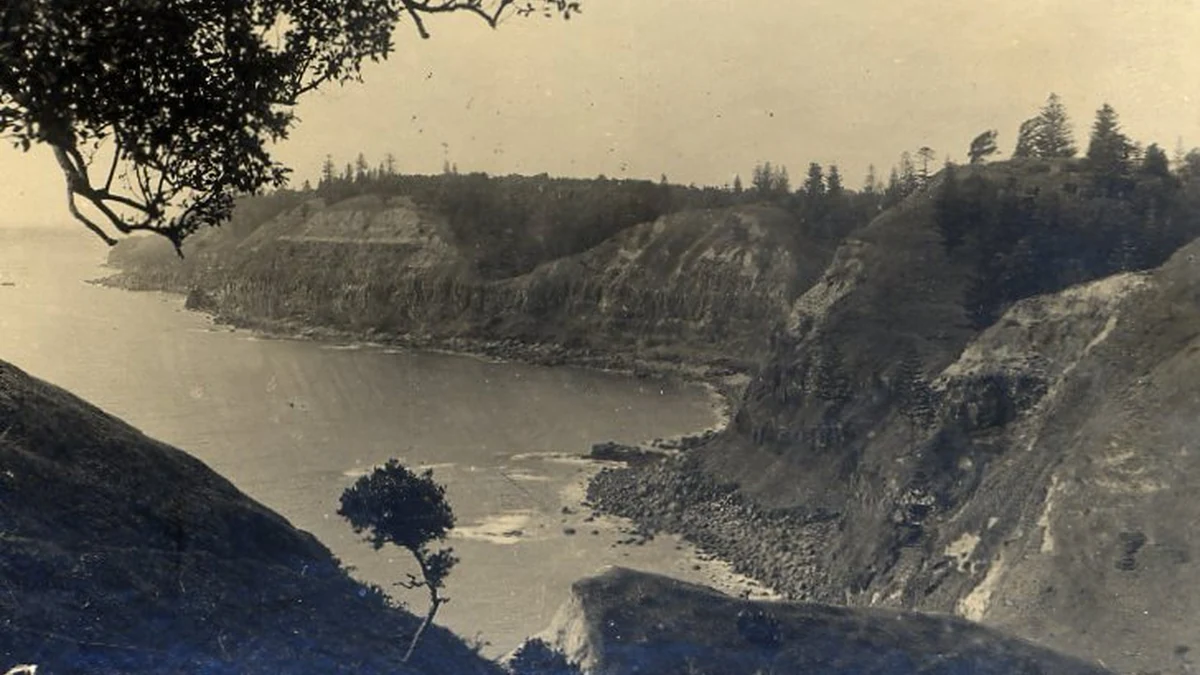
Norfolk Island tourism’s Cascade Bay guide describes a rugged working harbour with one of the island’s two piers, no visitor facilities and unsuitable swimming conditions. Cascade Norfolk Island cruise port is therefore not a conventional walk-off destination. When tenders land here, a ship shuttle normally carries passengers from the north-coast pier to Burnt Pine.
The practical complication is that Norfolk Island may use Kingston on the opposite coast when conditions favour it. The cruise shuttle guidance gives separate instructions for both landing areas. Plan a flexible island day—Kingston heritage, Emily Bay, viewpoints and Burnt Pine—rather than an itinerary that only works from one pier.
Cascade Cruise Port at a Glance
| Port name | Cascade, Norfolk Island |
|---|---|
| Main arrival area | Cascade Pier on the north coast, followed by a ship shuttle to Burnt Pine; Kingston may be used instead when conditions require |
| Cruise region | Australasia / Pacific Islands |
| Country / Territory | Norfolk Island |
| Currency | Australian dollar (AUD) |
| Languages | English and Norf’k |
| Port role | Day call |
| Disembarkation | Tender |
| Walkability | Poor at the working pier; good in sections of Burnt Pine and Kingston after transfer |
| Shuttle required | Yes from Cascade to Burnt Pine |
| Main transport | Tender, ship shuttle, island coach tours, hop-on bus, taxis and limited rental cars |
| Best first-time plan | Take an island circuit centred on Kingston and Emily Bay, with Burnt Pine as the transport hub |
| Main caution | The landing side can change and open-ocean conditions can cancel or slow the call |
Cascade Norfolk Island cruise port may not be the day’s only landing possibility
Norfolk Island has two working landing areas, Cascade on the north coast and Kingston on the south. The cruise-day shuttle operator’s current directions explain that passengers coming ashore at Cascade use the ship shuttle to Burnt Pine, while Kingston arrivals can join transport near the pier. Wind and swell can influence which side of the island is workable.
Plan the island rather than a fixed first walk from Cascade. The ship’s morning announcement is the authority. A tour operator should be ready to meet passengers from the confirmed landing or explain the connection. A plan that depends on walking directly from Cascade to a distant attraction is too fragile.
Cascade Pier is a working access point, not a resort promenade
Official Norfolk Island tourism information describes Cascade Bay as an active harbour beneath steep cliffs, used by fishing boats and supply tenders. It has no public toilets or visitor amenities, and swimming is not recommended because of ocean conditions. The pier is visually dramatic, but it is the beginning of the transfer rather than the day’s principal leisure area.
Follow crew directions during landing and do not obstruct freight or harbour work. The rocky shoreline, exposed sea and operational equipment make independent lingering unsuitable when vehicles are loading. Take the provided connection towards Burnt Pine or your booked tour, then return only under the call’s organised arrangements.
Burnt Pine is the practical transport hub
The ship shuttle normally moves Cascade passengers uphill to Burnt Pine, the island’s main shopping and service centre. This is where independent passengers can find the Visitor Information Centre, cafés, shops and some tour departures. The distance is short by road but not a sensible cruise-day walk because of gradients, narrow sections and the need to preserve time.
Confirm the final shuttle back to Cascade before leaving the town centre. Norfolk Island’s small scale can encourage overconfidence, yet the final kilometres cannot be recovered easily if taxis are busy. Photograph the stop or timetable and build the island route backwards from it.
What to see around Norfolk Island
Kingston and Arthurs Vale should anchor a first visit
The Kingston and Arthurs Vale Historic Area is part of the Australian Convict Sites World Heritage property and contains layers of Polynesian, colonial, penal and Pitcairn-descendant history. The government buildings, ruins, cemetery, foreshore and museum landscape deserve more than a quick coach photograph.
An island tour that explains the site is stronger than one that simply drives through. The history can be confronting, and the modern community’s identity should not be reduced to convict stories alone. Give space to the Pitcairn settlement, Norf’k language and continuing connection to the island.
Emily Bay is the better swimming choice
Emily Bay lies beside Kingston within a reef-protected setting and is usually the island’s most practical beach for cruise visitors. Conditions still vary, and no beach should be treated as automatically supervised. Check local advice, reef access and any marine warning before entering the water.
Swimming fits naturally with a Kingston-focused route because it avoids crossing the island again. Carry footwear for coral and hot surfaces, protect against strong UV and leave wet gear time to dry before boarding the return vehicle and tender.
An island circuit is more efficient than point-to-point taxis
Norfolk Island’s attractions are scattered among lookouts, heritage sites, gardens and small museums. A guided circuit links them with local explanation and avoids repeated waits for a limited taxi supply. It also adapts more easily if the tender lands on the opposite coast from the original plan.
The best circuit should spend meaningful time at Kingston and one or two landscape stops rather than racing through every advertised location. Mount Pitt or Queen Elizabeth Lookout can reveal the island’s scale, but weather and coach congestion affect the view.
The national park adds nature but requires transport
Norfolk Island National Park protects native forest, walking tracks and Mount Pitt. It is a valuable contrast to the settled landscapes, although tracks, gradients and wet surfaces vary. A short guided nature stop is more realistic than a long independent hike on an uncertain tender day.
Passengers wanting a walk should confirm distance, footwear and collection point. Mobile coverage and taxi availability should not be assumed on a remote track. Do not begin a one-way route without a verified vehicle at the far end.
Museums and local stories reward a slower route
Norfolk Island’s small museums and heritage displays can explain the Bounty descendants, penal settlements, maritime isolation and everyday island life. Opening hours may be adjusted around cruise calls, but they are not guaranteed merely because a ship is offshore.
Choose one museum that supports the day’s main theme. Several brief admissions can become a bus timetable rather than a coherent story. A local guide often provides the connecting narrative that individual displays cannot.
Practical transport and return planning
Food, shopping and payment need modest expectations
Burnt Pine has cafés, shops and locally made products, but a large ship can place sudden pressure on a very small service base. Eat early or after the main tour, carry water and avoid assuming every business will open for the call. Australian dollars are used, and cards are common, though a small cash reserve is sensible.
Biosecurity rules matter when returning to the ship and later Australian ports. Do not collect plants, seeds, shells or agricultural material without checking the rules. Buy packaged, clearly labelled goods from established businesses.
Sea conditions can cancel the entire call
Norfolk Island has no sheltered cruise terminal. Tendering depends on swell, wind and the ability to use one of the two piers. A bright island forecast can coexist with an unsafe landing, and the captain may cancel after the ship arrives offshore.
Bookings should have a clear cruise-ship cancellation policy. Keep expectations flexible and avoid non-refundable independent arrangements. If the call operates, return early because the same sea state that delayed the first tender can slow the final sequence.
Mobility planning begins with the tender
Even a comfortable coach tour follows an open-water transfer, pier steps and vehicle boarding. Ask the cruise line whether mobility aids can be taken in the expected conditions. At Kingston, grass, slopes and historic surfaces can be uneven; at Cascade, the working pier is not a leisurely accessible promenade.
A passenger who can tender but cannot walk far can still see much of the island on a coach circuit. Confirm toilet stops, seat height and how much standing is expected. The central Burnt Pine fallback is easier than trying to improvise transport at the pier.
Protect the final Cascade shuttle and tender
The key deadline is not the time a tour reaches Burnt Pine. It is the last vehicle that reconnects with the landing and the last tender the ship will operate. If the call uses Cascade, allow for the road descent, pier processing and possible queue before the boat leaves shore.
CruisePing would finish independent sightseeing in Burnt Pine well before the published final shuttle. The island is too small to justify a missed connection and too transport-limited to rely on finding an emergency taxi at the last moment.
Local stories and independent touring
Norf’k culture and the Pitcairn story need local voices
Norfolk Island’s modern community was profoundly shaped by the arrival of Pitcairn Islanders in 1856. Norf’k language, family histories, food and customs are living parts of the island rather than decorative references to the Bounty. A local guide can explain how the community understands its own identity and how it relates to earlier Polynesian and colonial periods.
Use the names and pronunciations offered by residents, ask before recording people and avoid treating family connections as public entertainment. Cultural context makes the Kingston buildings and Burnt Pine community much more meaningful.
St Barnabas and the Melanesian Mission form a separate heritage thread
St Barnabas Chapel and the former Melanesian Mission area lie outside the main Kingston route. The chapel is known for detailed craftsmanship and a history connected with missionary work across the Pacific, but current access and service use must be respected. It is best visited on an island tour that explains the mission critically rather than simply praising the building.
Do not try to add it by an unplanned taxi after a full Kingston visit. Opening, worship and private-event arrangements can change, and the final transport back to the landing remains the controlling deadline.
Self-driving is possible only with preparation
A rental car can give flexibility, but vehicles are limited and island road customs may differ from mainland expectations. Reserve well ahead, confirm collection from the cruise shuttle hub and ask whether the rental accepts a one-day cruise arrangement. Drive cautiously around livestock, narrow roads and unfamiliar junctions.
The island is small but navigation mistakes still consume time. Mark the final shuttle point, refuel if required and finish the outer circuit early. A rental does not remove the risk that the ship changes from Cascade to Kingston on the morning of arrival.
CruisePing Recommended Port Day
For a first visit, use a ship or locally coordinated island circuit that collects from the confirmed landing. Give the largest share of time to Kingston and Arthurs Vale, add Emily Bay or a major lookout, and finish in Burnt Pine with a protected shuttle connection. This route explains the island rather than merely photographing it.
Passengers who prefer less touring should transfer to Burnt Pine, select one heritage or nature attraction and return early. Do not attempt to turn Cascade Pier itself into a beach day: it is an exposed working access point without the facilities or swimming conditions that would support that plan.
Weather & Best Time to Visit Cascade
Norfolk Island has a mild subtropical maritime climate. Conditions can change quickly, and the wind and swell at the piers matter more to cruise operations than the temperature alone. Rain is possible throughout the year; winter is cooler and windier, while summer is warmer and more humid.
| Month/season | Typical high | Typical low | Rain/conditions |
|---|---|---|---|
| December–February | 25°C | 19°C | Warm and humid with showers; tropical systems can affect sea conditions |
| March–May | 23°C | 17°C | Mild with mixed sun, rain and changing swell |
| June–August | 19°C | 13°C | Cooler, often windier and showery; exposed tender conditions can be difficult |
| September–November | 22°C | 16°C | Warming with variable rain, strong UV and unsettled marine periods |
Check the Bureau of Meteorology Norfolk Island forecast and follow the ship’s landing announcement. The vessel may change from Cascade to Kingston or cancel tendering even when conditions inland appear pleasant.
Practical Questions for a Cascade Cruise Call
Will my ship definitely land at Cascade?
No. Kingston may be used when the opposite side offers safer conditions; the ship’s announcement controls.
Can I walk from Cascade Pier to Burnt Pine?
It is not recommended for a cruise day. Use the ship shuttle.
Can I swim at Cascade Bay?
Official tourism guidance says swimming is not recommended because of ocean conditions.
What is the best first-time attraction?
Kingston and Arthurs Vale Historic Area, ideally with local interpretation.
Are taxis plentiful?
Supply is limited. Pre-book or use coordinated cruise transport.
What currency is used?
Australian dollars.
Useful Official Links for Cascade
Use these current sources to confirm arrival arrangements, attraction access, tour timings and live weather before your call.
- Cascade Bay visitor information
- Cruise shuttle and landing directions
- Norfolk Island tourism
- Kingston and Arthurs Vale Historic Area
- Norfolk Island National Park
- Bureau of Meteorology forecast
CruisePing Port Verdict
Cascade is a landing point whose importance lies in what it reveals about Norfolk Island’s isolation and transport, not in a large set of attractions beside the pier. The call becomes easy to understand once the shuttle to Burnt Pine and the possible Kingston alternative are accepted.
Our recommendation is a coordinated island day with Kingston at its centre. Preserve flexibility for the landing side, respect the final shuttle and treat sea conditions as a genuine operational constraint rather than a minor weather inconvenience.
Ready to browse our article library?
Explore more ports in the Australasia / Pacific Islands region, browse Norfolk Island cruise ports, or return to the main CruisePing article library.