
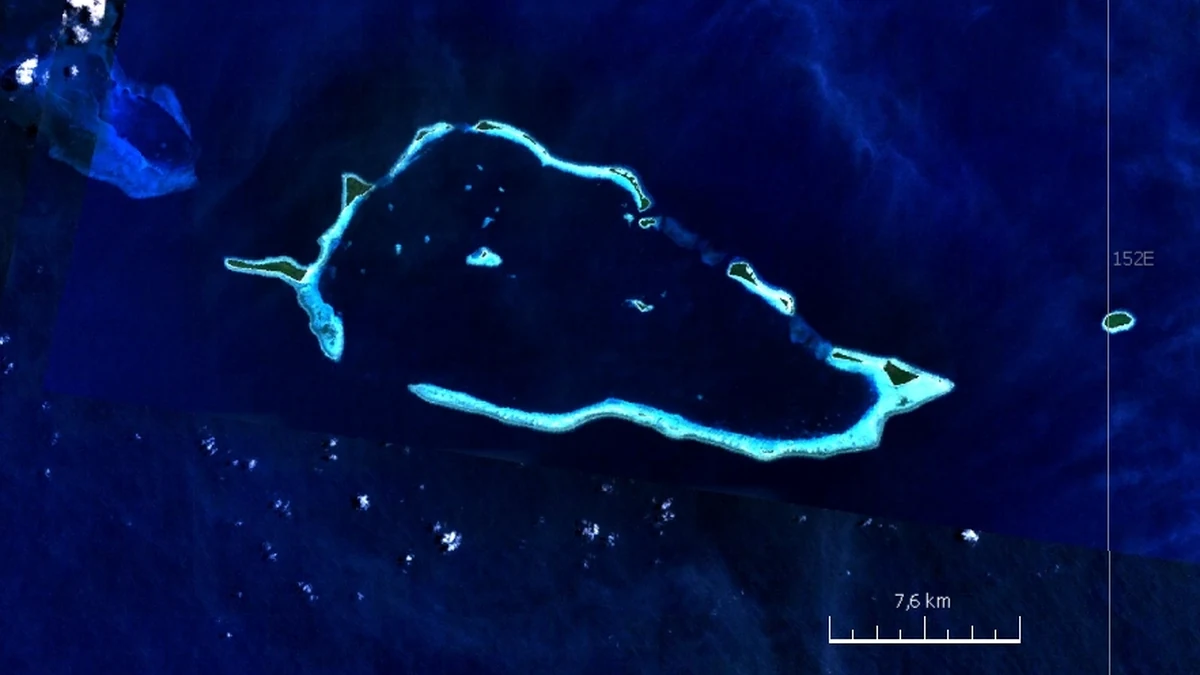
Papua New Guinea Tourism includes remote island cruising among the country’s distinctive experiences. Conflict Island cruise port is one of the clearest examples: ships anchor beside an isolated Coral Sea atoll and tender passengers into a self-contained beach and marine day rather than a town or conventional harbour.
The Conflict Islands Conservation Initiative links the archipelago to coral, turtle, manta, shark and ray conservation. That ecological value should shape behaviour ashore. Plan for swimming, snorkelling and any official activities offered on the day, but expect limited facilities and no independent transport beyond the island.
Conflict Island Cruise Port at a Glance
| Port name | Conflict Island, Conflict Group |
|---|---|
| Main arrival area | Designated tender beach within the privately managed island visitor area |
| Cruise region | Australasia / Pacific Islands |
| Country / Territory | Papua New Guinea |
| Currency | Papua New Guinean kina (PGK); follow ship advice on accepted cruise-day currencies |
| Languages | English and Tok Pisin, with local Milne Bay languages |
| Port role | Day call |
| Disembarkation | Tender |
| Walkability | Good within the beach area; no independent road network |
| Shuttle required | No |
| Main transport | Tender, walking and official marine activities |
| Best first-time plan | Keep the day island-based: beach, a managed snorkel or marine activity and conservation interpretation |
| Main caution | Remote medical support, intense sun, limited facilities and a single tender return route |
Conflict Island cruise port is a private atoll beach call
Ships anchor offshore and use tenders to a designated island landing. There is no town, road network or independent taxi service. The visitor experience is normally arranged between the cruise line and the island operator, so the ship’s programme is more useful than a generic timetable found online.
Once ashore, the practical choices are beach time, swimming, snorkelling and any conservation or marine activities offered for that call. Do not plan a transfer to mainland Papua New Guinea; the Conflict Group is isolated in the Coral Sea and the visit is intentionally self-contained.
The atoll’s isolation is the attraction and the constraint
The Conflict Islands Conservation Initiative describes an isolated Milne Bay archipelago with significant coral, turtle, manta, shark and ray habitat. That remoteness creates clear water and a strong sense of place, but it also means limited shelter, medical support, communications and replacement equipment.
Bring what you need from the ship: sun protection, water where permitted, required medication and secure footwear. Treat every activity as weather-dependent. If a tour or snorkel area is closed, there may be no equivalent alternative elsewhere on the island.
Tender operation can shorten a seemingly long call
An offshore anchorage requires time to launch boats, prioritise excursions and move passengers across open water. Sea state can delay the first landing or lead to an early final tender. The published hours are therefore not the same as usable beach time.
Record the last tender and any numbered-boat process before entering the water. Keep clothes and valuables organised in a dry bag. When conditions begin to deteriorate, return before queues build rather than waiting for the final possible departure.
Water activities and on-island facilities
Swimming and snorkelling should follow the marked plan
The lagoon and reef may offer excellent visibility, but currents, boat lanes and coral heads vary. Use the area identified by staff, enter from the advised point and remain within your ability. A beautiful atoll does not remove normal open-water risks.
Do not stand on coral, chase turtles or touch marine animals. Reef shoes protect feet in some areas but do not make walking over living reef acceptable. If hiring equipment, inspect the fit before leaving shore and keep a buddy throughout the swim.
Conservation activities need realistic expectations
A turtle nursery, educational display or conservation talk may be offered, depending on the operator and season. These should be approached as interpretation rather than a guaranteed wildlife encounter. Animals may not be available for viewing, and handling should occur only under an authorised programme.
Ask how fees or donations support the work. The strongest visit connects the attractive beach to the wider pressures on turtles, coral and migratory species rather than treating conservation as a photograph between swims.
Marine tours are the main optional upgrade
Glass-bottom boats, snorkel trips, kayaks or other water activities can extend the day beyond the landing beach. Availability, minimum numbers and safety requirements are call-specific. Book through the ship or official island operation rather than expecting an independent vendor to appear.
Read the boarding requirements carefully. Small craft may involve wet entry, ladders and limited shade. A passenger who is uncomfortable with the transfer can still have a worthwhile shore day without taking another boat.
Facilities and payments are intentionally limited
Temporary or small-scale toilets, shade, food, drinks and stalls may operate for a cruise call, but availability should not be assumed. There is no normal urban backup. Carry a small amount of Papua New Guinean kina or the currency advised by the ship and ask before relying on cards.
Eat and drink conservatively if storage or ingredients are unclear. Sealed water and thoroughly cooked food are the safer choices. Take all litter to the designated point and avoid single-use items that can blow into the lagoon.
Health, heat and respectful behaviour
Heat, shade and dehydration shape the day
The white sand and water reflect intense tropical UV. Passengers can burn quickly even under thin cloud. Apply sunscreen before tendering, wear a hat and alternate activity with shade. Snorkelling can disguise dehydration because the body feels cool while still losing fluid.
Anyone with limited heat tolerance should remain close to the landing and avoid a long shoreline walk. There are few places to recover from exhaustion away from the organised visitor area.
Papua New Guinea entry and health rules still apply
Papua New Guinea Customs requires cruise operators to meet arrival and permission rules, including additional approval for unproclaimed ports. Passengers should complete any declaration requested by the ship and must not carry restricted food, plants or wildlife products ashore or aboard.
The UK health advice for Papua New Guinea highlights limited medical facilities and mosquito-borne disease risks. Use insect protection where vegetation is present, carry essential medicine and ensure travel insurance covers evacuation. The ship is the principal medical resource during this isolated call.
Respect the island as managed land, not an empty beach
The Conflict Islands are not unowned space simply because no town is visible. Stay within the visitor area, follow staff directions and do not enter buildings, research zones or nesting areas without permission. Ask before photographing workers or local visitors.
Do not collect shells, coral, sand, plants or animal material. The meaningful souvenir is the experience and any authorised locally sold item, not part of the ecosystem.
Tender, weather and group planning
Weather can remove activities without cancelling the whole call
Wind may prevent a snorkel boat while the landing beach remains usable; heavy rain may reduce visibility but leave a conservation talk possible. Treat the published programme as a menu subject to conditions. The operator may move or shorten activities for safety.
If the entire tender operation is cancelled, there is no independent route ashore. Refund terms for optional activities should be understood before booking, and the day should not depend emotionally on one guaranteed animal sighting.
The final tender is the only return route
There is no road, ferry terminal or alternative harbour. Keep the ship’s time, meeting point and tender instructions clear. Do not walk far along the shore in the last hour or leave belongings scattered between activity areas.
CruisePing would be ready to board before the final wave of passengers. The benefit of another fifteen minutes in the water is small compared with the complexity of recovering someone left on a remote atoll.
Mixed-mobility groups should not split without a clear meeting plan
Some passengers may snorkel while others remain on the beach or join a glass-bottom activity. Establish a shaded meeting point and time before the group separates. Mobile service cannot be assumed, and the island may have several temporary activity areas that look similar from the shoreline.
Keep one person responsible for the ship’s time and tender instructions. A relaxed beach companion should not be left to discover that the snorkel boat has returned to a different point shortly before final boarding.
Children need close supervision around boats and coral
Shallow tropical water can encourage children to move farther from shore than intended. Tender lanes, coral cuts and changing current require active supervision. Use flotation only as directed and never allow an inflatable to replace a capable adult within reach.
The heat can affect children quickly. Schedule shade and water, use protective clothing and shorten activities before tiredness becomes an emergency. Check age and swimming requirements for every paid marine product.
Photography, biosecurity and booking terms
Photography and drones require restraint
Aerial views make the atoll’s shape obvious, but passengers should not launch drones without explicit permission from the island operator, ship and relevant aviation authorities. A drone can interfere with wildlife research, nesting birds and small-boat operations.
On the beach, use a zoom rather than approaching turtles or conservation work. Ask before photographing staff and any visiting community members. Do not stage wildlife or move natural material for a better image.
Biosecurity matters in both directions
Remote islands can be harmed by seeds, insects and pathogens carried on shoes or bags. Clean footwear before landing, follow any disinfection process and keep food contained. On return, comply with the ship’s and later ports’ declarations for natural products.
Never take coral, shells, sand, feathers or plants. Even an apparently empty shell may be habitat, and removal repeated across cruise calls can become significant.
Refund and cancellation terms should be understood before sailing
Optional island activities may be cancelled because of swell, visibility, equipment or wildlife protection. Ask whether the charge is automatically refunded to the ship account or handled by the operator. Keep receipts and avoid paying twice for a replacement activity.
A cancelled snorkel tour does not invalidate the call. The beach and conservation setting remain worthwhile, provided the passenger has not built the entire day around one guaranteed product.
Choose shade before the beach becomes crowded
Early tenders may have the best choice of natural or temporary shade. Select a base that does not block access routes, nesting areas or vendor space, and secure lightweight belongings against wind. Passengers arriving later should not move another group’s equipment or create an improvised shelter where staff have restricted access.
Before leaving the base for an activity, agree who will remain with valuables and what happens if staff ask visitors to relocate. The visitor area can change with tide, boat movement or conservation work.
CruisePing Recommended Port Day
For a first visit, arrive ready for a simple atoll day. Establish a shaded base, take one official snorkel or marine activity suited to your ability, attend any available conservation interpretation and leave unstructured time for the beach. Keep water, medication and the return instructions secure.
Passengers who do not swim can still enjoy the island’s landscape and educational activities. There is no need to force an additional boat trip. Remain near the organised visitor area, support conservation where the arrangement is transparent and board before the final tender rush.
Weather & Best Time to Visit Conflict Island
The Conflict Group has a hot tropical maritime climate. Rain and humidity occur throughout the year, with wetter periods and tropical systems capable of changing itineraries. Wind and swell are decisive for tendering and snorkelling even when the island itself is sunny.
| Month/season | Typical high | Typical low | Rain/conditions |
|---|---|---|---|
| December–March | 31°C | 24°C | Hot, humid and very wet; thunderstorms and tropical-system disruption possible |
| April–May | 30°C | 24°C | Warm with easing rain but continuing marine variability |
| June–August | 29°C | 23°C | Often relatively drier; trade winds may create chop and affect small boats |
| September–November | 30°C | 24°C | Heat and humidity rise, with increasing showers before the wettest season |
Use the ship’s specialist marine update and consult official PNG sources linked through Papua New Guinea Tourism. The remoteness means the captain and island operator, not a general city forecast, determine whether the call can run.
Practical Questions for a Conflict Island Cruise Call
Is there a town on Conflict Island?
No. The cruise visit is a self-contained island and marine experience.
Can I arrange an independent taxi or tour?
No normal transport network exists; use official ship or island activities.
Are cards accepted?
Do not rely on them. Follow the ship’s advice on cash and accepted currencies.
Can I snorkel from the beach?
Only in the area and conditions advised by staff on the day.
Will I see turtles?
Wildlife is not guaranteed. Conservation displays or programmes vary by call and season.
What happens if tenders are cancelled?
There is no alternative route ashore.
Useful Official Links for Conflict Island
Use these current sources to confirm arrival arrangements, attraction access, tour timings and live weather before your call.
- Papua New Guinea cruising
- Conflict Islands Conservation Initiative
- Papua New Guinea Customs cruise ships
- UK travel advice for Papua New Guinea
- PNG health advice
CruisePing Port Verdict
Conflict Island is not difficult because the itinerary is complicated; it is demanding because everything depends on one remote marine operation. Once that is respected, the day can be beautifully simple: sand, water, reef and a clearer understanding of the atoll’s ecology.
Our recommendation is to avoid inventing complexity. Use official activities, protect the habitat, manage heat and cash, and return before the tender deadline. The island’s value lies in its remoteness, not in a long attraction list.
Ready to browse our article library?
Explore more ports in the Australasia / Pacific Islands region, browse Papua New Guinea cruise ports, or return to the main CruisePing article library.