
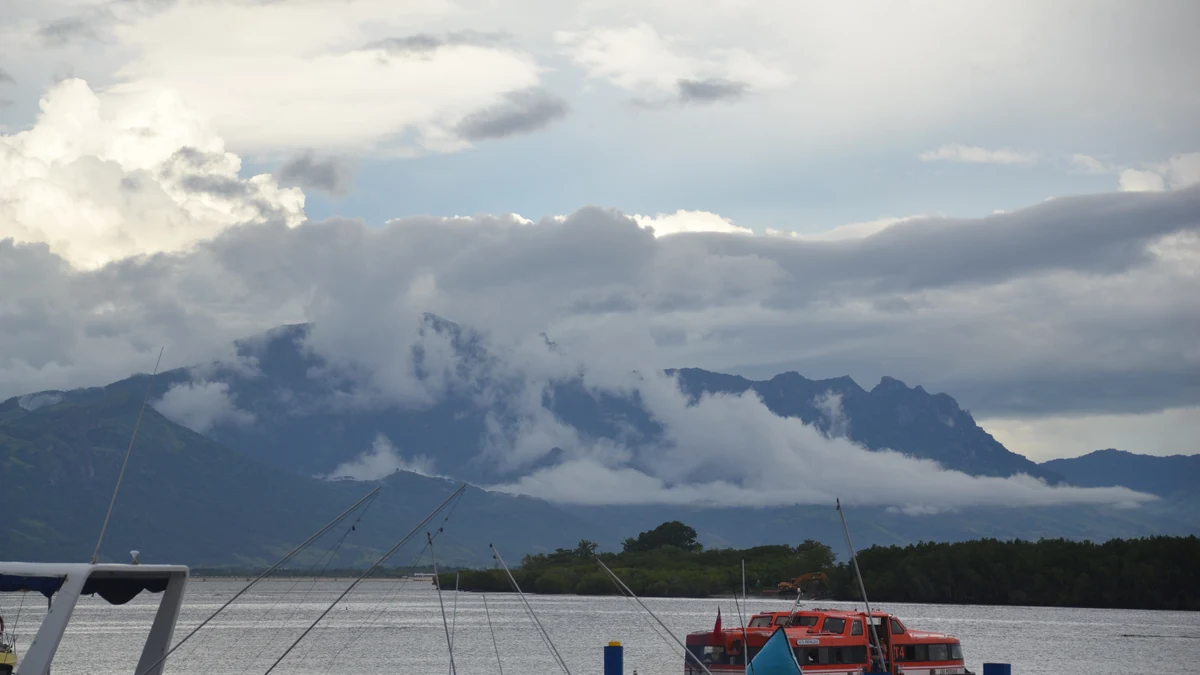
Port Denarau cruise portbrings passengers into Fiji’s busiest visitor marina, a compact waterfront hub for Mamanuca ferries, day cruises, resort transport and mainland taxis. It is an efficient place to start a shore day, but the ship may still use a tender or managed transfer, so the marina’s public timetable cannot be separated from the cruise line’s own landing process.
The best first visit has one clear direction. Choose a properly timed Mamanuca island cruise, build a mainland route through Nadi and nearby attractions, or keep the day deliberately easy around Denarau. Trying to fit an island, Nadi and resort time into one call usually replaces useful time ashore with check-ins and transport.
Port Denarau Cruise Port at a Glance
| Port name | Port Denarau |
|---|---|
| Main arrival area | Port Denarau Marina; ship-specific tender or transfer arrangements may apply |
| Cruise region | Australasia / Pacific Islands |
| Country / Territory | Fiji |
| Currency | Fijian dollar (FJD) |
| Languages | English, Fijian and Fiji Hindi |
| Port role | Day Call and regional marine gateway |
| Disembarkation | Usually tender or managed small-craft transfer for cruise calls |
| Walkability | Easy within the marina and nearby resort zone |
| Shuttle required | No within the marina; vehicle or boat required for Nadi, islands and wider Viti Levu |
| Main transport | Tender, ferries, excursion boats, taxis, private drivers and Bula Bus |
| Best first-time plan | Choose one: Mamanuca island cruise, Nadi cultural circuit or relaxed Denarau day |
| Main caution | Public boat check-in and return times must fit the ship’s tender or transfer window |
Port Denarau is a marina call, not a conventional city-centre berth
Port Denarau Marinais the passenger hub for ferries, day cruises, restaurants and resort transfers on Denarau Island. The choice works best when many shore plans begin within one compact waterfront complex confirm the landing point and the time independent excursion desks expect you. Otherwise, the exact ship-to-shore arrangement may still involve tenders or a cruise-line transfer rather than a direct walk from the gangway.
The marina is easy to navigate once ashore, with ticket counters, cafés, toilets and vehicle pick-up points close together. Be back at the designated cruise meeting point before the line’s published last tender or shuttle time.
Choose the Mamanuca Islands or mainland Viti Levu
The strongest decision is not which attraction is best in isolation, but which transport system you want to depend on. Theofficial Tourism Fiji marina guidepresents Port Denarau as the departure point for island cruises as well as a gateway to Nadi and western Viti Levu. The practical advantage is a first visit can be built around either a marine day or a land-based day without wasting time crossing between the two; the weakness is trying to combine a distant island with Nadi sightseeing usually leaves both experiences compressed. Select one principal direction before booking anything.
Independent planning is realistic only when every transfer is understood. Island products are governed by vessel check-in and return schedules, while mainland plans are governed by road traffic and taxi availability. Keep the final hour simple and close to the marina. Where one connection is uncertain, a ship excursion or cruise-aware local operator is the stronger choice.
Short Mamanuca day cruises fit better than ambitious island hopping
Prefer one well-matched cruise over several loosely connected ferry legs.South Sea Cruisesoperates from Port Denarau and publishes products to the Mamanuca Islands. The practical advantage is a cruise-compatible island day can deliver beach time, swimming and a clear boat-based structure; the weakness is standard tourist departures may close check-in before tender passengers have reached the marina. Use a ship excursion or obtain written confirmation that the operator accepts your vessel’s arrival window.
Compare departure time, check-in cut-off, number of island stops, included equipment, lunch and the scheduled marina return. Allow unloading time after the vessel docks before walking back to the cruise meeting point.
Published ferry timetables are only the starting point
Use the timetable to prove a plan works; do not use it to justify a plan that is already too tight. The operator’scurrent timetableshelp identify realistic departure and return combinations. The practical advantage is you can reject plans that depend on an impossible morning check-in or an uncomfortably late return; the weakness is seasonal changes, weather and operational substitutions can alter a timetable after an itinerary was booked. Recheck the service shortly before sailing and again on arrival.
Record the final scheduled arrival at Port Denarau and ask whether the boat returns to the same berth from which it left. Build a margin after the listed arrival rather than treating it as the moment you are safely back with the ship.
The Yasawa Flyer is usually too ambitious for a single cruise call
TheYasawa Flyeris designed for travel through the Yasawa Islands rather than a short shore visit. This matters because its route is valuable for pre-cruise or post-cruise stays but rarely suits a fixed same-day ship departure. A long northbound sector can consume the day and leave no resilient alternative if the return is disrupted. The sensible response is to save the Yasawas for an itinerary with an overnight stay
Do not confuse a ferry that technically returns the same day with a cruise-safe excursion; boarding, resort transfer and sea conditions all add uncertainty. For a normal call, favour the nearer Mamanuca network or remain on Viti Levu.
Denarau itself is the low-stress option
The marina and resort zone are connected by theBula Buscircuit. The choice works best when passengers who want a gentle day can combine the waterfront, a resort meal and a short coastal stop without committing to a remote excursion check the current route before boarding and retain taxi money. Otherwise, the bus is a visitor service rather than a protected cruise transfer and its stops or frequency can change.
Resort facilities may have day-use rules, minimum spends or restricted beach access, so ask before assuming every pool or lounger is available. Return to the marina well before the final ship transfer because traffic within the resort zone can still build.
Nadi adds culture and local life but needs road transport
a mainland day offers more local context than remaining inside the resort enclaveTourism Fiji’s Nadi guidecovers the town, markets, gardens and nearby cultural stops. Do not overlook that denarau-to-Nadi journey times vary with traffic and the central streets can feel hectic when several tours arrive. Agree a return time and pick-up place with a licensed driver.
The produce market and town centre are easier to combine than distant attractions in opposite directions. Finish the Nadi portion early enough to absorb congestion on the road back to Denarau.
The Sri Siva Subramaniya Temple deserves respectful time
it gives a mainland excursion a clear purpose beyond shopping TheSri Siva Subramaniya Templeis one of Nadi’s most distinctive cultural landmarks. Do not overlook that dress rules, worship, photography restrictions and visitor access must be respected. Carry clothing that covers shoulders and knees and follow instructions at the entrance.
A driver can wait or arrange a precise collection, avoiding the need to find transport after the visit. Do not leave the temple as the final stop before the ship; place it earlier in the route.
Gardens and thermal pools are separate half-day commitments
Choose one garden-and-Sabeto circuit rather than adding it to every Nadi stop. The Garden of the Sleeping Giant and Sabeto area lie beyond central Nadi and require a dedicated vehicle. The practical advantage is they suit passengers who prefer tropical planting, a quieter landscape or bathing to a boat day; the weakness is road time increases and facilities may be uneven for passengers with limited mobility. Book a driver who understands the cruise return time and the exact sites requested.
Confirm whether entry fees, changing facilities, towels and waiting time are included in the quoted price. Turn back before traffic risk begins to dominate the final drive.
Taxis work well when the fare and waiting arrangement are explicit
Port Denarau normally has taxis and transfer vehicles serving the marina and resorts. This matters because a private vehicle can make a mainland day more efficient than repeatedly finding new transport. Verbal assumptions about currency, waiting time or one-way fares can cause disagreement. The sensible response is to write down the destination sequence, total price and return time before leaving
Use Fiji dollars for small expenses and keep the driver’s name or contact details. Arrange to be dropped at the exact cruise collection point rather than elsewhere in the resort complex.
Heat and sun exposure accumulate quickly
Build physical comfort into the choice of excursion. The key local detail is thatFiji Meteorological Serviceforecasts should be checked for rain, wind and tropical systems. In practice, even an easy marina day can become tiring when queuing outdoors or transferring between boats. Carry water, sun protection and a light rain layer. Dehydration and sunburn can reduce mobility long before the scheduled return.
Marine excursions should also be judged by shade, seating and sea conditions, not only by snorkelling time. If weather deteriorates, a mainland or marina plan gives more options to shorten the day.
Accessibility changes at every boat or vehicle transfer
The marina concourse is comparatively level, but an island day can involve tender steps, floating pontoons, small boats, sand and wet surfaces. For a cruise passenger, that means the destination may be accessible while the route to it is not. Ask about gangways, transfer assistance, toilets and beach access. Generic claims of accessibility may not cover the actual vessel used on your sailing.
For a lower-transfer day, remain around Denarau or use a pre-arranged accessible vehicle into Nadi. Protect enough energy for the final ship transfer.
Village visits require a host-led approach
Some excursions include a Fijian village, school or cultural ceremony. This matters because a properly hosted visit can add understanding that a resort or beach stop cannot provide. Uninvited wandering, intrusive photography or casual dress can be disrespectful. The sensible response is to follow the guide’s instructions on dress, gifts, ceremony and where cameras are welcome
Do not assume every advertised cultural element operates on every call. Allow the host or guide to control timing, while keeping the tour operator responsible for the ship return.
The final marina return needs its own buffer
Port Denarau may look reassuringly compact when the return boat enters the harbour. The choice works best when passengers still need to disembark, retrieve belongings, find the cruise queue and complete the tender or shuttle leg measure the buffer from passenger disembarkation, not from the boat’s advertised docking time. Otherwise, a late excursion vessel can leave no recovery time even though it has technically reached the marina.
Ask where ship excursion groups and independent passengers report on return. Be inside the cruise-controlled process before the published cut-off.
Resort access should be confirmed rather than assumed
Choose a named resort experience, not a vague plan to look around. The key local detail is that denarau’s hotels and resorts sit close together, but their pools, beaches and day facilities are privately managed. In practice, a confirmed day pass or dining reservation can turn the resort zone into a dependable low-transfer plan. Contact the resort or use a recognised day-pass arrangement. Walking into a property does not guarantee use of loungers, changing rooms or pools.
Ask what is included, whether towels are supplied and how far the property is from the marina collection point. Return to the marina rather than relying on a hotel desk to monitor the ship.
Embarkation and disembarkation days need a luggage plan
Treat a turnaround day as logistics with leisure around it. The key local detail is that port Denarau is also used by passengers connecting between cruises, resorts and island stays. In practice, the marina can support a useful transition day when bags and onward transport are controlled. Confirm secure storage and the complete transfer before sightseeing. Unverified luggage storage or a late island ferry can jeopardise an airport or ship check-in.
Keep travel documents, medication and a change of clothes in hand luggage. Return from any short activity before the fixed airport or embarkation transfer.
Resort Gateway or Outer-Island Trip
Passengers who do not want a full boat day can keep the plan on Denarau or use a controlled Nadi cultural circuit. Trying to add Nadi after a long island cruise makes the final road transfer unnecessarily fragile.
Port Denarau is a transport hub for resorts and Mamanuca sailings rather than a traditional town centre. A marine excursion should be booked as the day’s main event, with its check-in and return matched to the ship’s tender or transfer window.
CruisePing Recommended Port Day
For a first Port Denarau call, CruisePing would choose one cruise-compatible Mamanuca product only when the operator has confirmed the ship’s landing and return window. Select a departure with a comfortable check-in, a scheduled marina return well before the final ship transfer, and enough included activity to make the boat journey worthwhile.
Where the call is short, weather is doubtful or the morning landing runs late, switch to a private Nadi circuit or a relaxed Denarau day. Visit the temple and market, add one garden or cultural stop, then return early for food or a marina walk. That fallback preserves the character of Fiji without gambling on a fragile marine timetable.
Weather & Best Time to Visit Port Denarau
| Month / season | Typical high | Typical low | Rain / conditions |
|---|---|---|---|
| May–October | 27°C | 19°C | Drier season; warm sun and generally lower humidity |
| November–April | 31°C | 23°C | Hot, humid and wetter; tropical systems possible |
| Shoulder months | 29°C | 21°C | Mixed conditions; showers and marine wind still matter |
Port Denarau is usable year-round, but marine wind, heavy rain and tropical systems matter more to an island excursion than the headline temperature. Shade and hydration are important even during the drier season. Check thecurrent official forecastbefore committing to the day.
Frequently Asked Questions
Can you walk from Port Denarau cruise port?
You can walk easily around the marina complex and nearby resort area. Nadi, the temple, gardens and island departures require a vehicle or boat.
Is Port Denarau the same as Nadi?
No. Port Denarau is the marina and resort hub on Denarau Island, while central Nadi is reached by road.
Can cruise passengers book a Mamanuca ferry independently?
Sometimes, but only when check-in and return times leave a clear margin around the ship’s tender or transfer process.
What is the safest bad-weather plan?
Stay on Viti Levu: use a taxi or driver for Nadi, the temple and one nearby attraction, then return to Denarau early.
Useful Official Links
- Port Denarau Marina
- Tourism Fiji: Port Denarau Marina
- Bula Bus
- South Sea Cruises
- Fiji Meteorological Service
CruisePing Port Verdict
Port Denarau is one of Fiji’s easiest places to organise a polished island day, but the marina’s efficiency can encourage overconfidence. The strongest plan respects the ship-to-marina transfer, chooses one main direction and protects the final return. For most first-time passengers, a well-timed Mamanuca cruise is the headline choice; Nadi is the better answer when the call or weather makes the sea timetable fragile.
Ready to browse our article library?
Looking beyond Port Denarau? Explore more ports in theAustralasia / Pacific Islandsregion, or narrow it toFijiin particular. For cruise comparisons, planning shortcuts and value guides, head over to ourmain article archive.