
If you are planning a cruise for 2026, you will quickly notice one thing: every single cruise line claims to be the “best.” They all have award-winning dining, world-class entertainment, and spectacular itineraries.
But here is the industry secret: the objectively “best” cruise line doesn’t exist. The biggest mistake first-time cruisers make is booking a sailing purely because it has the cheapest base fare, only to step on board and realise the ship’s personality completely clashes with their own. A couple looking for a quiet, romantic retreat with premium wine will be miserable on a mega-ship packed with 4,000 energetic children. Conversely, a multi-generational family will be bored to tears on a traditional luxury liner that shuts down at 10:00 PM.
Choosing a cruise line is like matchmaking. You aren’t looking for perfection; you are looking for the perfect fit for you.
Before you even look at a deck plan, ask yourself these three crucial questions:
- Who am I travelling with? (Are there toddlers needing kids’ clubs, teenagers needing waterslides, or older relatives needing accessible cabins?)
- What is my actual budget? (Are you looking for a low upfront fare, or do you want a fare that includes your drinks, Wi-Fi, and gratuities so you don’t face a massive bill at the end?)
- Am I looking for a floating resort, or a basecamp for exploration? (Do you care more about the ship’s rollercoasters, or the fact that it stays late in port?)
Once you know what matters to you, the field narrows quickly. Let’s break down the major cruise lines by personality, starting with the heavyweights that dominate the UK market.
(Not sure where you want to sail yet? Start with our master guide: Destinations, Ports & Itineraries: The Global Blueprint).
1. The British Heavyweights (Home Comforts & No-Fly Cruising)
If you prefer to pay in Pounds Sterling, enjoy a proper cup of tea in your cabin, and want to avoid the hassle of international airports, these cruise lines are tailored specifically for the British cruiser.
P&O Cruises: The British All-Rounder
P&O is the quintessential British cruise line. It offers a fantastic balance of value, familiarity, and modern hardware. Because everything onboard is priced in GBP and daily gratuities (tips) are completely included in your base fare, budgeting for a P&O cruise is incredibly straightforward.
- Best for: Families, first-timers, and budget-conscious couples.
- The Vibe: Relaxed but distinctly British. You’ll find great pub entertainment, West End-style shows, and excellent Indian cuisine (thanks to their partnership with Sindhu).
- The Fleet: If you want massive resorts with sky domes, gin distilleries, and endless dining options, look to their newer Excel-class ships (Iona and Arvia). If you want an adults-only escape, opt for Arcadia or Aurora.
- CruisePing Tip: P&O prices can fluctuate heavily based on the UK school holidays. Set an alert on our Track P&O Cruise Prices page to catch off-peak bargains.
Cunard: The Golden Age of Travel
If P&O is a bustling high-street pub, Cunard is afternoon tea at the Ritz. Cunard is famous for its strict dress codes, white-gloved bellhops, and regular transatlantic crossings.
- Best for: Traditionalists, solo travellers, and those who love dressing up.
- The Vibe: Formal and deeply historic. Days are spent attending guest lectures, ballroom dancing, and reading in the ship’s massive library. Nights are glamorous, with passengers genuinely embracing the black-tie Gala Evenings.
- The Fleet: The iconic Queen Mary 2 remains the only true ocean liner at sea, built specifically to handle the rough Atlantic waters. The fleet recently welcomed the Queen Anne, bringing a slightly more modern, luxurious touch to the classic Cunard experience.
Fred. Olsen & Ambassador: The Traditional Small-Ship Experience
While the mega-ships dominate the headlines, Fred. Olsen and Ambassador Cruise Line quietly command a fiercely loyal following of mature UK cruisers. These lines focus on smaller, older ships that can navigate into boutique ports the mega-ships simply cannot reach.
- Best for: Mature cruisers, destination-focused travellers, and solo passengers.
- The Vibe: Intimate, friendly, and unpretentious. You will likely get to know your bar staff and fellow passengers by name within a few days. The onboard entertainment is traditional (cabaret, guest speakers, quizzes) rather than flashy.
- The Logistics: Their biggest selling point is convenience. Both lines offer extensive No-Fly Cruises from the UK, sailing out of regional ports like Newcastle, Liverpool, Dundee, and Dover, saving you the trek down to Southampton.
Marella Cruises: The All-Inclusive Package Holiday at Sea
Operated by the UK holiday giant TUI, Marella Cruises is the ultimate hassle-free option for British travellers. They are famous for their seamless “Fly-Cruise” packages, which allow you to fly directly from smaller regional UK airports to your ship in the Mediterranean or Caribbean.
- Best for: Budget-conscious families, young couples, and those who want total cost certainty.
- The Vibe: Fun, unpretentious, and incredibly friendly. It feels like a high-quality TUI resort that happens to float. Every cabin comes with a kettle and Yorkshire Tea.
- The Economics: Marella’s biggest selling point is that they are totally all-inclusive as standard. Your base fare covers your flights, transfers, luggage, all gratuities, and a standard drinks package.
2. The Mega-Resorts (Best for Families, Teens & Adrenaline)
If your idea of a perfect holiday involves West End-calibre shows, multiple swimming pools, waterslides, and dining at a different restaurant every night, you need a mega-resort. These ships are so massive that they are destinations in their own right. For UK cruisers, this usually means a fly-cruise to the Mediterranean or the Caribbean, or catching one of the giants when they homeport in Southampton for the summer.
Royal Caribbean: The Floating Theme Park
Royal Caribbean is the undisputed king of cruise ship hardware. They build the largest passenger ships in the world, and they pack them with an absurd amount of entertainment: ice skating rinks, surf simulators, zip lines, and Broadway musicals.
- Best for: Multi-generational families, adrenaline junkies, and those who fear they might get “bored” on a ship.
- The Vibe: High-energy, loud, and incredibly fun. It is designed to cater to everyone, from toddlers to grandparents, simultaneously.
- The Fleet: Their Oasis-class and Icon-class ships are divided into distinct “neighbourhoods” to manage the crowds. This design is crucial to understand, as it spreads 6,000+ passengers across areas like Central Park (an open-air park with live plants) and the Boardwalk. 2026 sees the highly anticipated arrival of Legend of the Seas, pushing its architectural limits even further.
- Cabin Tip: Because these ships are so large, where your room is located matters immensely. Before booking, read our guide: Midship vs. Aft vs. Forward: Which Cabin is Best? to avoid long walks or noisy venues.
MSC Cruises: The Budget-Friendly European Giant
MSC is a rapidly expanding, privately owned European line known for building absolutely gorgeous, glittering ships (complete with Swarovski crystal staircases). They frequently sail out of Southampton and dominate the Mediterranean market.
- Best for: Budget-conscious families, European city-hoppers, and those who want glitz for a lower base fare.
- The Vibe: Cosmopolitan, busy, and multi-lingual. Announcements are often made in five languages. The atmosphere is distinctly European – dinner is served later, the nightlife goes into the early hours, and the food leans heavily Italian.
- The Catch: MSC’s base fares are exceptionally low, but they charge for many extras onboard. If you want a more premium experience, look into the MSC Yacht Club – a highly exclusive “ship within a ship” complex that offers butler service, private pools, and all-inclusive drinks, often pricing out cheaper than standard luxury lines.
Norwegian Cruise Line (NCL): The Rule-Breakers
NCL pioneered the concept of “Freestyle Cruising.” They threw out the rulebook: there are no set dining times, no assigned tables, and absolutely no formal dress codes. You eat when you want, where you want, wearing whatever you feel comfortable in.
- Best for: Solo travellers, laid-back cruisers, and families with teenagers.
- The Vibe: Casual, flexible, and action-packed. Their newest ships (like the recently debuted 2026 Norwegian Luna) feature massive go-kart tracks, laser tag arenas, and virtual reality pavilions on the top decks.
- The Logistics: NCL is also famous for its Studio Cabins – purpose-built interior rooms for solo travellers that grant access to a private solo lounge, making it one of the most cost-effective lines for single cruisers. (Unsure about interior rooms? Read: Cruise Ships & Cabins: How to Choose and Save Money).
Disney Cruise Line: The Premium Family Experience
Do not let the brand name fool you – Disney operates some of the most elegant, classically designed cruise ships in the world. They just happen to feature the best children’s entertainment at sea. In a massive win for UK cruisers, the Disney Dream is homeporting in Southampton for the summer of 2026, offering no-fly sailings to Spain, France, and the Norwegian Fjords.
- Best for: Families with young children, multi-generational groups, and Disney enthusiasts.
- The Vibe: Immersive and nostalgic. You won’t find casinos onboard. Instead, you get Broadway-quality Disney musicals, pirate-themed deck parties, and “rotational dining” where your servers follow you to a newly themed restaurant every night.
- The Catch: Disney commands a massive premium. A 7-night Disney cruise can often cost double the price of a Royal Caribbean cruise on the same route.
3. The Premium Tier (Best for Couples, Foodies & “Relaxed Luxury”)
What if you want a large, modern ship, but you don’t want to share a pool with screaming children or wait in line for a go-kart? Enter the Premium Tier. These lines sit directly between the mainstream mega-ships and the ultra-luxury yachts. They offer relaxed luxury, sophisticated design, incredible culinary programs, and an atmosphere geared heavily toward adults.
Celebrity Cruises: Modern, Resort-Style Luxury
Celebrity Cruises (owned by the same parent company as Royal Caribbean) is designed to feel like a high-end boutique hotel in London or a chic resort in Ibiza.
- Best for: Couples, foodies, and design enthusiasts who want a sophisticated, child-light environment.
- The Vibe: Elegantly modern. There are no waterslides here. Instead, you’ll find the Magic Carpet (a cantilevered floating bar), rooftop gardens, and martini bars where the bartenders juggle shakers. The food is widely considered some of the best in the premium category.
- The Fleet: The Edge-class ships (Celebrity Edge, Apex, Beyond, Ascent, and the new Xcel) are architectural marvels. They feature unique “Infinite Verandas” instead of traditional balconies. (If you are debating balcony types, check our guide: Obstructed View Balconies: Are They Worth It?).
Princess Cruises: The Traditional Tech-Pioneers
Princess is famous for two things: being the original “Love Boat” and having the best destination-focused itineraries of the big-ship lines. They are the absolute masters of the Alaska cruise season and offer incredible depth in the Mediterranean and Scandinavia.
- Best for: Destination-collectors, older couples, and traditionalists who still like modern conveniences.
- The Vibe: Classic cruising with a massive technological upgrade. Princess utilises the MedallionClass system – a wearable coin that unlocks your door as you approach, allows you to order a cocktail to your exact location anywhere on the ship, and drastically speeds up embarkation.
- CruisePing Tip: Because Princess excels at complex itineraries, the shore excursions sell out fast. Read Ship-Sponsored vs. Independent Shore Excursions to plan your port days without overpaying.
Virgin Voyages: The Adults-Only Disruptor
When Richard Branson launched Virgin Voyages, he set out to fix everything people hated about traditional cruising. The result is a strictly adults-only (18+) cruise line that operates more like a trendy beach club.
- Best for: Millennials, Gen Z, young-at-heart couples, and first-timers who “aren’t cruise people.”
- The Vibe: Cheeky, vibrant, and wellness-focused. You won’t find a buffet; instead, there is an upscale food hall. There are no massive Broadway shows; instead, you get immersive acrobatics, drag brunches, and late-night DJ sets.
- The Economics: Virgin is aggressively inclusive. While their base fare might look higher than Royal Caribbean or MSC, Virgin includes all your gratuities, basic Wi-Fi, fitness classes, and all specialty dining in the upfront ticket price.
4. The Ultra-Luxury & Boutique Explorer Lines
If you despise crowds, detest queuing, and want a holiday where your every whim is anticipated before you even ask, you are looking for the ultra-luxury tier. These ships are much smaller – often carrying fewer than 600 passengers – allowing them to dock in the heart of boutique ports like Monaco, Portofino, or tiny Greek islands where the mega-ships simply cannot fit.
Regent Seven Seas & Silversea: The All-Inclusive Elite
These two lines represent the pinnacle of traditional ultra-luxury ocean cruising. They operate on an “all-suite” model, meaning there are no cramped interior cabins; almost every room has a balcony, a walk-in wardrobe, and a marble bathroom.
- Best for: Affluent cruisers, retirees, and those celebrating major milestone anniversaries.
- The Vibe: Exceptionally refined. The crew-to-guest ratio is nearly one-to-one, meaning the bartender knows your favourite drink by day two, and your personal butler handles your laundry and dinner reservations.
- The Economics: These lines operate on a truly all-inclusive basis. Your base fare covers unlimited premium spirits, champagne, all speciality dining, Wi-Fi, gratuities, and – in the case of Regent – even your business-class flights and unlimited shore excursions.
Explora Journeys: The Boutique Hotel at Sea
Backed by the MSC Group, Explora Journeys is the newest disruptor in the luxury space, having launched to cater to a slightly younger, highly affluent demographic.
- Best for: Sophisticated travellers who usually book five-star boutique hotels (like Aman or Four Seasons) rather than traditional cruises.
- The Vibe: Cosmopolitan, wellness-centric, and intensely stylish. The spaces feel like high-end European lounges rather than traditional cruise ship atriums. They focus heavily on “Ocean State of Mind” programming, meaning longer stays in port, overnight calls, and a slower, more immersive pace of travel.
5. The “Hidden Economics” of Choosing a Cruise Line
By now, you likely have a good idea of which brand matches your personality. But before you look at a booking engine, you must understand the “Base Fare Illusion.”
When you see an advert for a 7-night Mediterranean cruise for £499, that is the base fare. It secures your cabin, basic food, and entertainment. It does not cover the reality of your onboard spend.
Different cruise lines include completely different things in their base fare. This is why comparing a £600 mainstream cruise to a £1,000 premium cruise requires you to do a little bit of hidden maths:
- The Budget Mainstream Model (e.g., MSC, Royal Caribbean): You might pay £600 to get on the ship. But once onboard, you will pay an additional £100 for a drinks package per day, £20 a day for Wi-Fi, and £15 a day in mandatory gratuities. Suddenly, your £600 cruise costs £1,500.
- The Inclusive Premium Model (e.g., Virgin Voyages, P&O): A line like Virgin might charge £1,200 upfront. But because that fare includes your tips, your Wi-Fi, and all your speciality dining, the final cost of the holiday is actually cheaper than the budget line once you step off the ship.
Always calculate your expected daily spend before ruling a cruise line out for being “too expensive.”
It is also crucial to remember that your cruise fare does not protect you from the unexpected. Whether you book a budget inside cabin or an ultra-luxury suite, you need to factor in third-party costs. Read Why Cruise Travel Insurance is Essential to understand why your base fare never covers medical evacuations at sea.
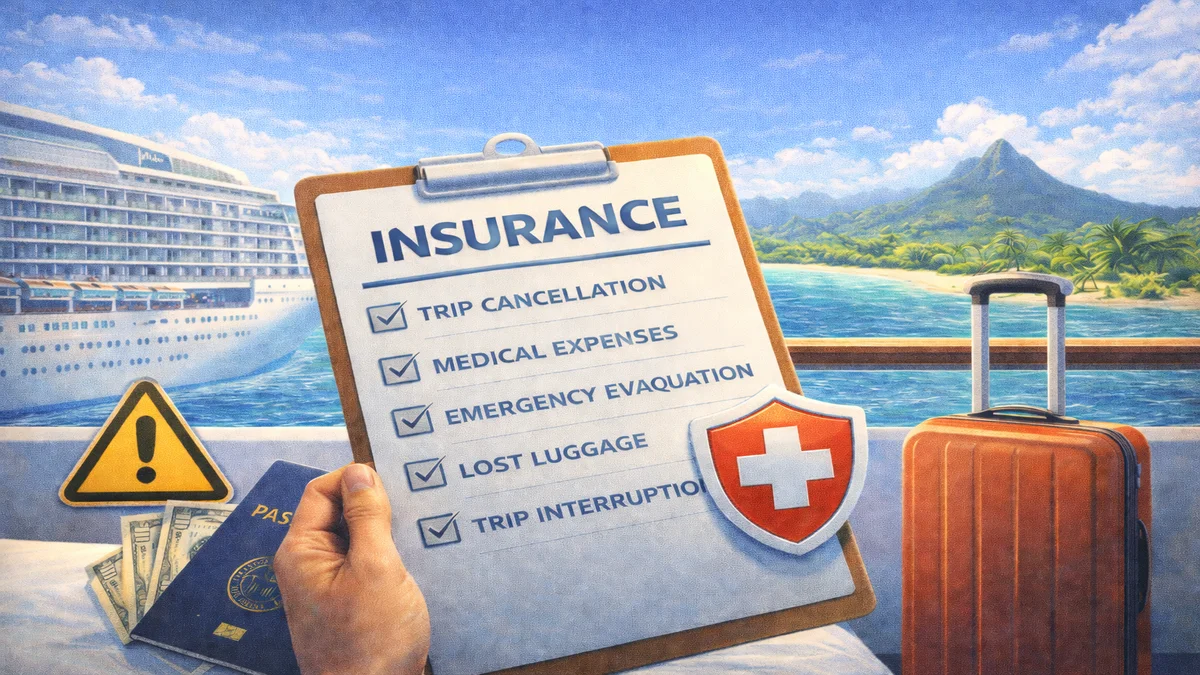
Three comparisons illustrate how personal the choice can be: solo cruisers need to examine supplements and single cabins, Princess passengers should understand the Medallion onboard system, and P&O customers may need to choose between Iona and Arvia.
6. Conclusion: How to Never Overpay for Your Perfect Cruise
Choosing the right cruise line is the most important decision you will make. It dictates the food you eat, the bed you sleep in, and the people you share your holiday with.
But once you have decided between the high-energy fun of Royal Caribbean, the British comforts of P&O, or the relaxed luxury of Celebrity, you face a new problem: Cruise pricing is notoriously volatile.
Cruise lines use dynamic pricing algorithms. The price of that perfect balcony cabin on P&O Iona might be £1,200 on Tuesday, spike to £1,500 on Friday, and drop to £999 three weeks later as the ship tries to fill unsold inventory. Trying to track these daily price drops manually is impossible.
That is where CruisePing comes in.
Instead of checking the cruise line websites every day, let our software do the heavy lifting for you. Simply find your perfect itinerary, set your target price, and we will send you an automated email when the cruise line drops the fare.
Ready to start tracking?
- Learn the strategy: Cruise Price Alerts: How They Work & Best Use Cases
- Sailing from the UK? Track Cruises from Southampton
- Looking for British favourites? Track P&O and Princess Cruise Prices
Don’t just book a cruise. Book the right cruise, at the exact right time.
Happy cruising!