
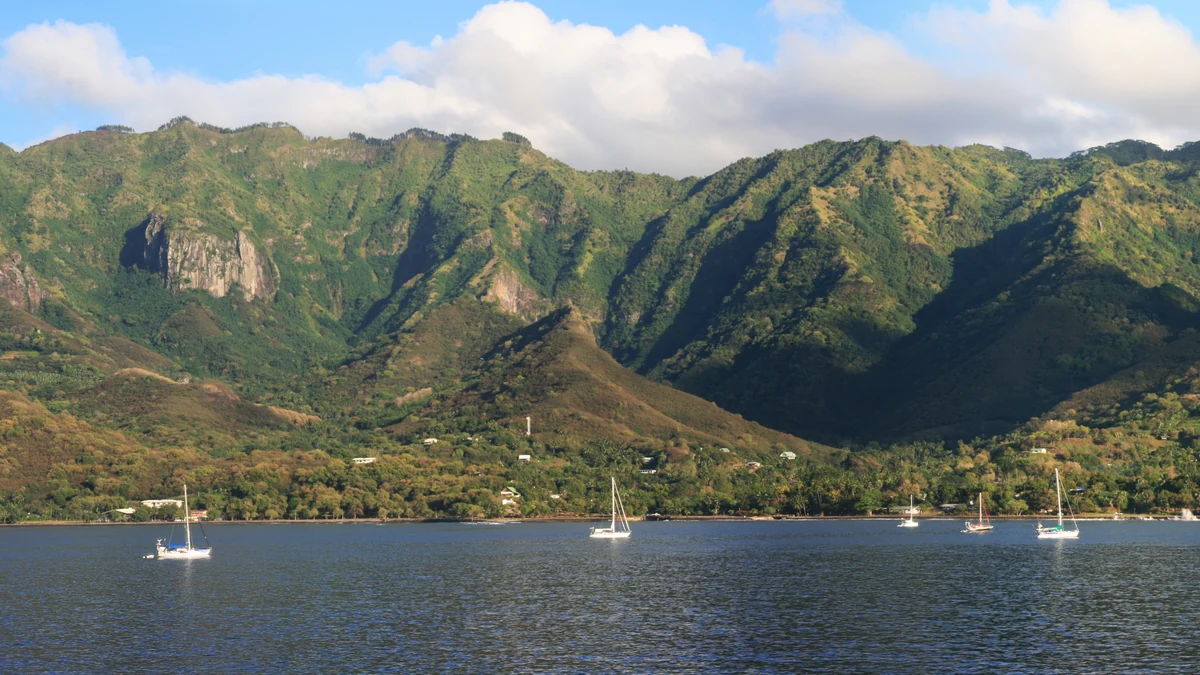
Nuku Hiva cruise port uses Taiohae Bay, where ships anchor beneath steep volcanic ridges and tender passengers to the island’s main village. Taiohae is independently walkable, but Nuku Hiva’s strongest landscapes, valleys and archaeological sites sit behind demanding roads and need a capable local 4WD guide.
For a first visit, organised touring is the clear winner. Choose a 4WD route to Taipivai and Hatiheu when the call is long, or a shorter Taipivai-and-viewpoint route when time is tighter. DIY Taiohae—cathedral, tohua, craft centre and waterfront—is the excellent fallback. We would not attempt Vaipo waterfall or Anaho Bay on a normal cruise day.
Nuku Hiva Cruise Port at a Glance
| Port name | Nuku Hiva |
|---|---|
| Main arrival area | Tender to Taiohae wharf in Taiohae Bay |
| Cruise region | Australasia / Pacific Islands |
| Country / Territory | French Polynesia |
| Currency | CFP franc (XPF) |
| Languages | French and Marquesan |
| Port role | Day Call |
| Disembarkation | Tender |
| Walkability | Good in Taiohae; island exploration requires steep-road 4WD transport |
| Shuttle required | No general shuttle; organised tours collect near the wharf |
| Main transport | Walking, pre-booked 4WD, ship excursion and local boat |
| Best first-time plan | Organised Taipivai and Hatiheu archaeological route, with Taiohae before or after |
| Main caution | Limited vehicles, steep slow roads and tender timing make distant hiking or improvised touring risky |
Taiohae is the physical cruise port
Cruise ships anchor in the broad bay and use tenders to reach the village wharf. Taiohae is the administrative centre and the starting point for almost every land excursion.
Keep the landing name and return time clear. Nuku Hiva is the island; Taiohae is the harbour, and later transport must return to this same village rather than simply reaching the south coast.
DIY or organised tour? Organised touring wins
The island’s scale, steep roads and cultural sites make a local guide essential. A 4WD is not just transport; commentary connects valleys, archaeological remains and living Marquesan culture.
DIY is the correct choice only for Taiohae. Do not hire a scooter or accept an improvised long route simply because a driver is available at the wharf.
Taipivai is the best shorter island excursion
The valley east of Taiohae combines dramatic scenery, village life and literary associations with Herman Melville. It is closer and more adaptable than a full Hatiheu circuit.
Choose it when the call is medium length or tendering starts late. A good guide can add archaeological or cultural stops without turning the day into continuous driving.
Hatiheu is the strongest long-call destination
Tahiti Tourisme describes Hatiheu as a remarkable valley reached by car, with tiki, petroglyphs, paepae and major ceremonial sites.
On a long call, this is the excursion we would prioritise above waterfalls or beach time. The road is slow and the return must be protected, so use a ship excursion or a recognised local operator.
Kamuihei deserves proper interpretation
The archaeological complex includes platforms, ritual areas, petroglyphs and a powerful banyan setting. Without explanation, passengers may see only scattered stone walls.
Allow time to walk carefully, listen and understand how the site relates to settlement and ceremony. Do not climb structures or move stones for a photograph.
Hikokua and the Hatiheu landscape belong together
The ceremonial spaces near the village make more sense when viewed with the bay, cliffs and surrounding valley rather than as isolated ruins.
A tour should include context and a measured walk, not a five-minute stop. We would skip a minor roadside lookout before shortening this visit.
The road is part of the excursion
Nuku Hiva’s mountain roads climb through ridges and valleys with exceptional viewpoints. They can also be narrow, rough and slow.
Choose a covered, well-maintained 4WD with an experienced local driver. Passengers prone to motion sickness should prepare and avoid sitting in an exposed rear bench if alternatives exist.
A 4WD tour should not promise the whole island
Routes naming Taipivai, Hatiheu, Aakapa, Anaho and multiple archaeological sites may spend most of the call driving. Weather and road conditions can further compress stops.
Ask which valley is the true priority and what will be dropped after a late tender. We prefer a coherent east-and-north route to an island checklist.
Taiohae Cathedral is the town priority
The cathedral and its carved decoration connect Catholic history with Marquesan materials and craftsmanship. It is close enough to visit independently.
Enter respectfully around services and give the carving more than a quick photograph. We would prioritise it above routine shopping.
The Taiohae tohua adds cultural scale
The large ceremonial and public space near the waterfront helps passengers understand the importance of communal gathering, performance and stone architecture.
Walk it slowly and follow any access guidance. If an event or rehearsal is taking place, remain outside active areas unless invited.
The craft workshop is worth targeted time
Tahiti Tourisme lists the Taiohae Craft Workshop as a year-round interpretation and artisan centre.
Visit after the cathedral or excursion, compare workmanship and ask about materials. Bone, shell and wood products may create biosecurity or wildlife-import issues later, so verify before purchasing.
Taiohae waterfront is the best final hour
The bay, boats, small shops and village activity create a relaxed close to the day beside the tender.
Use the final period for food, crafts and photographs rather than another steep taxi journey. Taiohae is substantial enough to absorb spare time without padding the itinerary.
A local market depends on the call
Produce, crafts and food may become more visible when a ship arrives, but supply and opening are not guaranteed.
Carry small XPF notes and buy directly. Avoid treating every stall as a bargaining contest; the community has limited opportunities to sell to visitors.
Vaipo waterfall is too ambitious for most calls
Tahiti Tourisme describes the Hakaui valley and Vaipo waterfall as a major hiking experience more than five kilometres inland from the sea. Access can involve boat transport, guide arrangements and a substantial trail.
We would not recommend it on a normal cruise call. Attempt it only as a ship-protected expedition with the physical demands and return clearly specified.
Hakaui by boat still needs a hiking plan
A boat transfer may shorten the approach to Hakaui, but it does not remove wet landings, trail conditions, heat or the long return chain.
Do not book because the operator says “waterfall” without explaining the walk. The Hatiheu archaeological route offers more reliable value for most first visitors.
Anaho Bay is not a casual beach excursion
Anaho is celebrated for scenery and relative shelter, but access usually requires road, trail or boat coordination beyond a straightforward beach transfer.
Leave it for a longer stay or a specifically protected expedition. Taiohae and Hatiheu provide stronger cruise-day choices.
A boat tour is a specialist alternative
Coastal boats can show cliffs, bays and marine life from a different perspective. Weather, shade, boarding and the final tender still require coordination.
Choose a recognised operator listed through official tourism or the ship. We would select a 4WD first because it provides the island’s archaeological and cultural depth.
Horseback riding is not a cruise default
Official island information promotes horseback exploration, which can suit experienced riders during a land stay. Cruise timing, equipment matching and road transfer make it less resilient.
Book only through a ship-vetted product with clear ability requirements. Do not accept an informal ride without helmets, insurance and return discipline.
Scooter hire is a poor idea
Steep roads, variable surfaces, unfamiliar traffic and sudden rain make a scooter much riskier than the village’s quiet appearance suggests.
Use a local driver. The money saved does not compensate for navigation, breakdown or injury far from Taiohae.
A private 4WD can be better than a coach
Small groups can stop at viewpoints, adjust walking and hear the guide more easily. The value is flexibility, not squeezing in more distant valleys.
Pre-book through a recognised provider such as an official tourism-listed driver. Agree the route and Taiohae return time before departure.
Local guides provide the essential cultural layer
Official operators such as Mate Excursions advertise guided 4WD visits to Taipivai, Hatiheu, Aakapa and archaeological sites.
Choose a guide rooted in Nuku Hiva who can explain place names, histories and current life. A driver who only points at views does not deliver the full value.
Archaeological sites are not abandoned playgrounds
Stone platforms, tiki and petroglyphs remain culturally significant. Vegetation or lack of fencing does not make them open for climbing or touching.
Stay on the guide’s route, avoid food near sacred areas and never remove stones, seeds or fragments.
Craft materials need later-border checks
Marquesan carving can use wood, bone, shell or stone. The object may be legal locally yet restricted by the ship or a future country.
Ask for material information and declare purchases when required. A small documented piece is safer than an uncertain animal-derived souvenir.
French is useful
Many guides and vendors speak French, while Marquesan language and names carry local identity. English availability varies.
Confirm the tour language before booking and keep the ship time in writing. A small-group French tour can still work with patient interpretation, but do not assume full English commentary.
Cash improves flexibility
Cards may work with some established operators, but small purchases and drivers often prefer CFP francs. Connectivity can be inconsistent.
Carry small notes and settle terms before departure. Do not rely on finding an ATM immediately after tendering.
Food is best included with the tour or in Taiohae
A local meal can add fish, fruit and Marquesan flavours to the valley route, but restaurant capacity is limited.
Pre-arrange lunch with the operator and disclose dietary needs. A long unplanned meal in Hatiheu can threaten the mountain-road return.
Rain changes roads and sites
The Météo-France Polynésie Marquesas forecast should be checked for heavy showers, wind and marine conditions.
Rain can make archaeological paths slippery and reduce viewpoint visibility while leaving the cathedral and craft centre usable. Let the guide shorten the route rather than rushing.
The Marquesas sun is deceptive
Cloud and mountain breeze can reduce the sensation of heat while UV remains strong. Open 4WD seating adds exposure.
Carry water, secure a hat and use sun protection. A light rain layer is useful even when the morning is clear.
Accessibility requires a route-specific assessment
Tender transfer, high vehicle steps, rough roads and uneven stone sites create distinct barriers. Taiohae itself is the easiest part of the call.
Ask whether the vehicle has a lower step and which sites can be viewed with minimal walking. A town-focused day is a genuine cultural experience, not merely a compromise.
What to skip on Nuku Hiva
Skip scooters, skip Vaipo waterfall without ship protection, skip a route promising every valley and skip buying an uncertain bone or shell item.
Choose Hatiheu on a long call, Taipivai on a shorter one, or Taiohae independently.
The final mountain crossing needs a buffer
A tour leaving Hatiheu has no quick alternative route back to the tender. Rain, road work, vehicles and stops can all slow the drive.
The operator should begin the return well before the buffer is needed. Use spare time in Taiohae rather than asking for one more valley.
Notre-Dame Cathedral is the Taiohae priority
The cathedral uses local stone and carved wood and provides a concentrated introduction to Marquesan religious art and craftsmanship. It is an active place of worship rather than a museum display.
Visit early or after the road tour, dress respectfully and keep silent during services. We would prioritise it above shopping or a speculative taxi ride.
The tohua explains public space
Taiohae’s ceremonial and gathering spaces help connect modern village life with older Marquesan forms. Without interpretation they can look like open plazas or isolated stonework.
Use a guide, signage or the craft-centre context, and avoid climbing or sitting on structures where access is not invited.
The craft workshop deserves time
The Taiohae craft workshop brings together carving, jewellery, textiles and other work from local makers. It is more useful than a generic souvenir stop because passengers can compare quality and ask about materials.
Carry CFP francs, buy from recognised sellers and check later biosecurity restrictions on wood, bone, seeds and shell. Do not bargain aggressively over skilled work.
Taiohae viewpoints are a good shortened-call choice
Elevated roadside stops above the bay reveal the volcanic amphitheatre and ship anchorage without committing to a full cross-island route. Visibility changes quickly with rain and cloud.
Use a local taxi or a shortened 4WD tour, then return to the cathedral and waterfront. Do not rent a scooter for the same purpose.
Hatiheu lunch should be organised
A meal in Hatiheu can add local fish, fruit and Marquesan cooking to the archaeological route, but capacity and service are limited.
Pre-book through the operator and state dietary needs. A leisurely lunch is worthwhile only when the guide has protected the mountain-road return.
Aakapa is too much for most first calls
Aakapa and the north-coast scenery can be impressive, but adding another remote valley to Hatiheu lengthens the return and reduces time at the strongest cultural sites.
Choose it for a repeat visit or a specialist ship excursion. We would not include it merely to claim a wider island circuit.
Taipivai should not be reduced to a literary reference
The valley is often linked with Herman Melville, but its importance is not confined to an outsider’s nineteenth-century account. Archaeology, living community and landscape deserve the main attention.
Choose a local guide who places literary history inside Marquesan history rather than allowing it to dominate the visit.
Animals on the road require slower driving
Horses, dogs and other animals may appear around villages and roadside areas. Narrow bends and changing surfaces already limit speed.
This is another reason to use an experienced local driver. Do not pressure the guide to recover lost time by driving faster after a long stop.
Medical backup declines beyond Taiohae
The farther the route crosses the island, the longer it takes to reach the ship or local medical support. Heat, vehicle motion, falls and food allergies need realistic planning.
Carry medication and water, disclose conditions and choose a town-focused day when the rough road or remoteness is unsuitable.
The UNESCO recognition is island-wide context
The Marquesas’ World Heritage recognition reflects living cultural landscapes and exceptional natural values rather than one isolated monument. Valleys, ridges, archaeology and settlement belong together.
Use authorised paths, respect customary restrictions and avoid removing stone, plant or carved material. The best tour explains stewardship as well as history.
A late tender should stop at Taipivai
When shore operations begin late, Hatiheu becomes the first element to remove. A shorter route to Taipivai still provides mountain scenery, archaeology and village context.
Switch decisively and reserve the final period for Taiohae. Do not ask the driver to preserve the full north-coast plan at road speed.
Kamuihei deserves more than a brief stop
The Hatiheu archaeological complex becomes meaningful through the relationship between platforms, gathering spaces, carvings and surrounding valley. A rapid walk past scattered stones wastes the long road journey.
Use a guide authorised to interpret the site and allow enough time to walk safely. We would drop a minor viewpoint before shortening Kamuihei.
Road viewpoints should not dominate the tour
Nuku Hiva offers dramatic ridge and bay views, but repeated photo stops can quietly consume the archaeological and village time. Cloud can also remove the promised panorama.
Choose two excellent viewpoints and move on. A strong guide uses the landscape to explain settlement rather than treating every bend as a separate attraction.
Anaho Bay is not a normal cruise excursion
Anaho is renowned for its remote bay, but access usually involves a demanding trail or carefully organised boat. It cannot be added casually to Hatiheu.
Consider it only on a specialist ship expedition with protected logistics. For most passengers, the Hatiheu cultural route is the more complete first visit.
Local operators may use open 4WD vehicles
Open vehicles improve views but expose passengers to sun, rain, dust and motion. Seating and handholds vary, and the mountain road can be uncomfortable.
Ask about the vehicle before booking, secure belongings and choose an enclosed option when back, neck or heat issues make open transport unsuitable.
Taiohae is the correct final buffer
The cathedral, waterfront and craft workshop lie close enough to absorb an early tour return without wasting the call. This flexibility is one of the bay’s strongest planning advantages.
Ask the driver to finish in town rather than adding one last remote viewpoint. Shop or walk only after the tender margin is protected.
CruisePing Recommended Port Day
On a long call, book a recognised 4WD tour through Taipivai to Hatiheu, prioritising Kamuihei, the ceremonial landscape and proper local interpretation. Use the ship excursion when timing is tight. The guide should begin the Taiohae return early enough to absorb slow roads and the tender queue.
On a medium or shortened call, choose Taipivai and selected viewpoints, then explore Taiohae independently: cathedral, tohua, craft workshop and waterfront. Do not chase Vaipo waterfall or Anaho Bay. Nuku Hiva rewards cultural depth and landscape context more than the number of valleys reached. If rain removes the viewpoints, keep the cultural stops rather than extending the drive. The island’s strongest story lies in the relationship between people, archaeology and valley, not in uninterrupted panoramic visibility.
Weather & Best Time to Visit Nuku Hiva
| Month / season | Typical high | Typical low | Rain / conditions |
|---|---|---|---|
| January–April | 30°C | 24°C | Hot, humid and generally wetter; heavy showers possible |
| May–August | 29°C | 23°C | Warm with variable rain and trade-wind exposure |
| September–December | 29°C | 23°C | Often relatively drier, though tropical showers remain possible |
Nuku Hiva is warm year-round. Mountain rain, road surfaces, bay wind and tender conditions matter more than seasonal temperature changes. Check the current official forecast before finalising the day.
Frequently Asked Questions
Where do cruise passengers land on Nuku Hiva?
Ships anchor in Taiohae Bay and tender passengers to Taiohae wharf.
Can Taiohae be explored independently?
Yes. The cathedral, tohua, craft workshop and waterfront form a strong DIY route.
Which organised tour is best?
A 4WD to Taipivai and Hatiheu is the strongest long-call option; choose Taipivai alone when time is shorter.
Can you hike to Vaipo waterfall?
Not sensibly on most cruise calls. It needs protected boat and hiking logistics and should be treated as a specialist expedition.
Should you rent a scooter?
No. Steep, variable roads and the tender return make a local 4WD driver much safer and more informative.
Useful Official Links
- Tahiti Tourisme: Nuku Hiva
- Tahiti Tourisme: Hatiheu archaeological sites
- Tahiti Tourisme: Taiohae Craft Workshop
- Tahiti Tourisme: Mate Excursions
- Météo-France Polynésie: Marquesas
CruisePing Port Verdict
Nuku Hiva is worth organising properly. A local 4WD guide turns steep roads and scattered stones into a coherent story of valleys, archaeology and living Marquesan culture. Hatiheu is the long-call prize, Taipivai is the resilient alternative, and Taiohae is an excellent independent fallback. Waterfall ambitions and scooter freedom are poor cruise-day trades. The decisive question is not how much of the island can be crossed, but how much can be understood before the vehicle must turn back. A well-paced Hatiheu route should protect Kamuihei, local explanation and the mountain return; a shorter Taipivai route should leave generous time for the cathedral and craft workshop. Both are better than a tour that treats every valley as a photograph and reaches Taiohae under pressure. Local knowledge is the excursion: the 4WD is simply the means of reaching it safely and returning before the tender closes. Passengers who accept that principle will see fewer names on a map but leave with a far stronger understanding of Nuku Hiva.
Ready to browse our article library?
Looking beyond Nuku Hiva? Explore more ports in the Australasia / Pacific Islands region, or narrow it to French Polynesia in particular. For cruise comparisons, planning shortcuts and value guides, head over to our main article archive.