
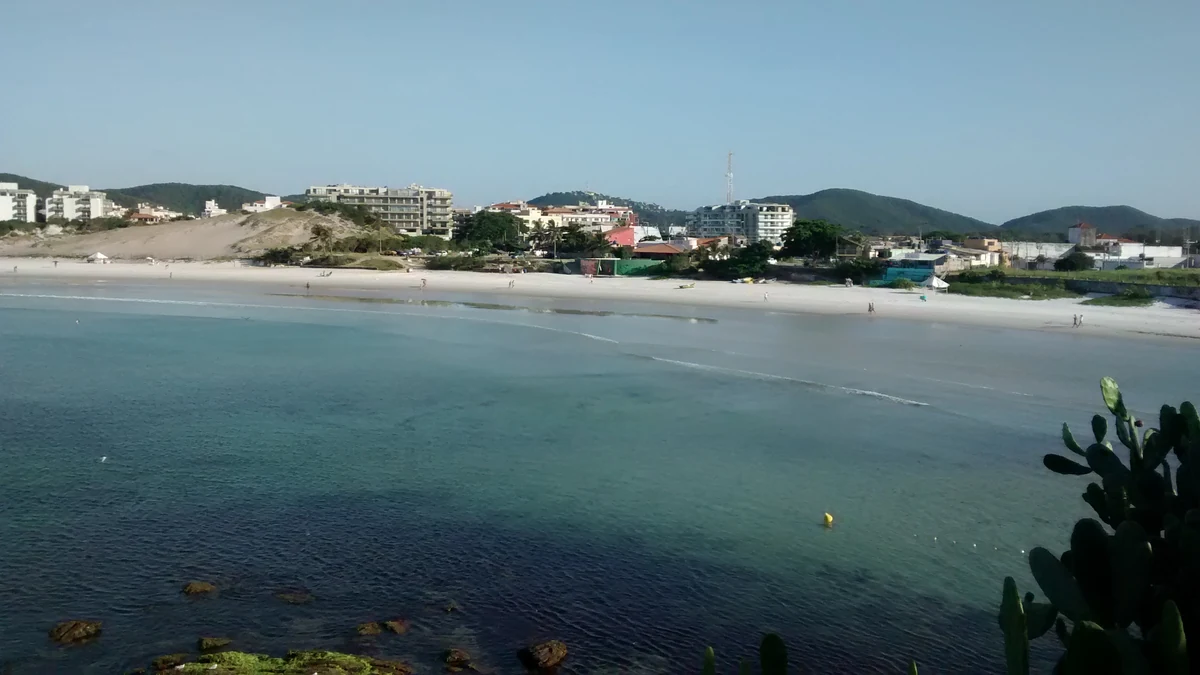
Cabo Frio cruise port is a tender call near the historic Passagem district. The strongest first visit is walkable: Passagem, Forte São Mateus and Praia do Forte form a coherent route from the passenger terminal.
Do not pay for a generic city coach to cover sights that are close together. Use an organised excursion only when it genuinely reaches Arraial do Cabo’s boat scenery or another destination beyond the central route. Búzios is a separate cruise port and not a sensible add-on.
Cabo Frio Cruise Port at a Glance
| Port name | Cabo Frio |
|---|---|
| Main arrival area | Terminal de Transatlânticos on the Passagem waterfront |
| Cruise region | South America / Galapagos |
| Country / Territory | Brazil |
| Currency | Brazilian real (BRL) |
| Languages | Portuguese |
| Port role | Day Call |
| Disembarkation | Tender |
| Walkability | Good for Passagem, Forte São Mateus and Praia do Forte |
| Shuttle required | No |
| Main transport | Walking, taxi, water taxi and ship excursion |
| Best first-time plan | DIY Passagem, fort and Praia do Forte; organise Arraial do Cabo only as the headline excursion |
| Main caution | Tender queues, heat, beach crowds and boat timings can compress the return |
Tenders arrive in the Passagem waterfront area
Municipal cruise information places passenger reception at the Cabo Frio transatlantic terminal in Passagem. Ships anchor off the coast and the tender controls the start and finish.
The coordinate marks the terminal waterfront rather than the city centre or the beach. Follow the ship notice if the landing changes, because local boat traffic and sea conditions can alter the exact tender operation.
DIY or organised tour? Go DIY in Cabo Frio
The central historic district, fort and beach do not require an excursion. Walking lets passengers decide whether to spend more time on architecture, views or sand without waiting for a coach.
Pay for an organised trip only when it unlocks a boat route or distant landscape, principally Arraial do Cabo. A city tour that drives between Passagem and Praia do Forte offers less flexibility than walking and one taxi.
Passagem is the correct place to begin
The neighbourhood around the terminal preserves low buildings, cobbled streets, a church and a waterfront atmosphere distinct from the modern beach strip.
Walk it before the day becomes hotter and before lunch tables fill. It is compact enough to explore without a fixed route, but remain respectful around homes and religious buildings.
Walk the lanes before the beach crowds grow. The district’s low buildings, church, small squares and waterside setting are more rewarding when treated as a coherent historic quarter rather than as a corridor between the pier and Forte São Mateus.
A guide is useful only when history and architecture are the purpose. For most passengers, a map, comfortable shoes and time to stop for coffee or a photograph provide a better experience than following a large group through narrow streets.
The historic route gives the day structure
The municipality’s historic itinerary links Forte São Mateus, Passagem, São Bento, Charitas and the traditional centre.
Cruise passengers should use the route selectively. Forte São Mateus and Passagem are the priorities; adding every inland stop can dilute the beach and tender margin.
Forte São Mateus is the first major sight
The seventeenth-century fort sits at the entrance to Praia do Forte and provides coastal views, history and a natural transition from the old district to the beach.
Allow time for uneven stone, steps and photography. The fort deserves more than a drive-by stop, but it does not require a guide unless historical interpretation is a particular interest.
The fort’s position explains why it matters: it watches the channel and the long curve of Praia do Forte. Give time to the exterior, defensive setting and coastal view rather than treating the building as a quick backdrop before the sand.
The approach includes exposed rock and uneven surfaces. Strong sun, wind or spray can make the final section uncomfortable, so passengers with limited balance should use the best accessible viewpoint instead of pushing to every edge.
Praia do Forte is the best beach choice
The long urban beach is Cabo Frio’s obvious first-time swimming and walking option. Its width, pale sand and proximity to the fort make it easier to combine than more distant coves.
Choose a section according to facilities and crowding. Keep valuables minimal, use only current lifeguard advice and do not assume the water is calm simply because the sand is busy.
Choose a serviced section close enough to return on foot or by a short confirmed taxi. Beach-chair prices, shade and facilities vary, and a crowded summer day can make a quieter stretch less practical than remaining near established kiosks.
Swimming conditions should be judged on the day. Atlantic swell and wind can create a stronger shore break than the broad pale beach suggests. A shoreline walk and lunch are still worthwhile when entering the water is not sensible.
Beach wind can be stronger than expected
Cabo Frio’s name reflects the cool upwelling and wind that can make the water and exposed sand feel different from nearby Rio beaches.
Carry a light layer outside midsummer and secure hats or towels. A windy day may favour the historic route, fort and lunch over a long period on the sand.
Ilha do Japonês is optional, not essential
The Ilha do Japonês sits inside the channel and can offer shallow water and a calmer setting, but access varies with tide and local transport.
Use a recognised water taxi or a pre-agreed vehicle route. We would add it only after confirming the return, and would skip it when Praia do Forte already provides the beach time wanted.
At lower water levels the approach can look deceptively simple, yet depth, current, boat traffic and footing change. Use a recognised boat or water-taxi arrangement and ask where the return departs; do not wade with valuables because other visitors appear to be doing so.
The island is best used as a short scenic addition to Passagem, not as a substitute for the whole Cabo Frio day. When it is crowded or the tide is awkward, Praia do Forte offers the more resilient first visit.
Tide changes the Ilha do Japonês experience
At lower water, shallow approaches and exposed sand can alter where boats leave passengers; at higher water, the usable space may shrink.
Ask about the current pickup point before boarding. Do not assume the outward boat will remain waiting or that walking through water will be appropriate for footwear and mobility.
Arraial do Cabo is the organised headline alternative
The neighbouring town is known for dramatic water colour, offshore scenery and boat routes. It offers a genuinely different day rather than a repeat of Cabo Frio’s central beach.
Use a ship excursion or cruise-aware operator because the road transfer, boat check-in, marine tour and return create several fixed stages. It should replace the Cabo Frio walking day, not be combined with it.
A good excursion should state whether the principal experience is a boat circuit, beach time or viewpoints, because the road transfer and harbour boarding already consume part of the call. A long list of named beaches does not guarantee meaningful time at any of them.
Use a ship excursion when the schedule is tight. An independent boat operator may manage the marine trip well but cannot control a late cruise tender, road congestion or the separate return from the Arraial harbour to Cabo Frio.
Choose an Arraial boat by its full timetable
Compare departure point, vessel size, number of swim stops, shade, toilets and the time the coach reaches the tender terminal.
A trip advertised as four hours may require much longer once road transport and boarding are included. The best product leaves a substantial margin before the last tender.
Do not use Cabo Frio as a route to Búzios
Búzios has its own beaches, centre and cruise calls. Road traffic can make the journey unpredictable, while the destination needs more than a short coach pause.
Passengers seeing both ports on an itinerary should keep them separate. Those visiting only Cabo Frio still gain more from the fort, beach or Arraial than from a rushed Búzios transfer.
One taxi can improve the walking route
A taxi or rideshare is useful when heat, mobility or a shortened call makes the full stretch uncomfortable. It can connect the fort or beach with the central market and shopping area.
Agree the destination in Portuguese and keep the terminal address offline. The driver should return to Passagem, not to an unrelated marina or bus terminal.
Water taxis are useful only with a clear return
Small boats operate in the channel and can link shoreline points, but services and landing places are not a formal cruise shuttle.
Confirm price, destination and final collection before boarding. Avoid treating any boat beside the terminal as an on-demand route that will automatically understand the ship schedule.
Lunch belongs in Passagem or near the beach
Seafood and Brazilian dishes can be part of the day, but a long restaurant wait can consume the same margin needed for the tender.
Eat after the main sight rather than before it. Passagem provides atmosphere, while the beach area offers more capacity; choose according to the planned final route.
Choose a venue already on the return route and ask for the bill before the tender margin begins. A leisurely seafood meal is valuable only when it does not create a final taxi search.
Cash remains useful
Cards are common in established restaurants and shops, yet small transport, beach purchases and informal services may be easier with Brazilian reais.
Carry modest notes and keep them separate from the main wallet. Do not exchange money at the tender queue or rely on foreign cash.
Summer crowds change walking speed
Cabo Frio is a major domestic holiday destination. Beach access, pavements and taxis can become much busier during Brazilian summer and weekends.
Start with the fort and history before crowding peaks. If traffic is heavy, drop a distant beach or island rather than sacrificing the tender margin.
Accessibility differs by component
The terminal and neighbourhood may be manageable, but tender steps, cobbles, fort stone and sand create separate barriers.
Ask the ship about the transfer and use a taxi to reduce exposed walking. A Passagem lunch and beachfront drive can still provide a worthwhile day without climbing every fort surface.
A satisfying reduced-mobility route can use a vehicle between Passagem, a fort viewpoint and the level beachfront promenade, avoiding exposed rocks and the Ilha do Japonês transfer. Ask the driver to wait or set an exact collection because accessible vehicles cannot be assumed near every beach. The central district still provides architecture, sea views and lunch without requiring every stair or sandy section.
What to skip in Cabo Frio
Skip a generic coach circuit, an improvised Búzios transfer and an Ilha do Japonês visit without tide or return information. Also skip trying to fit a full Arraial boat trip around a complete Cabo Frio walk.
The port rewards one clear combination: historic Cabo Frio plus its beach, or an organised Arraial headline day.
Return to the transatlantic terminal early
Tender loading can queue when passengers leave Praia do Forte at the same time. A walk that seemed short in the morning may feel longer after sun and sand.
Finish in Passagem or beside the terminal and join an earlier boat. Keep any last purchase close to the landing rather than at the far end of the beach.
Keep the exact terminal or tender point on the phone and show it to a driver in Portuguese. Cabo Frio has several waterfront areas, and asking only for the port can create confusion between fishing, tour-boat and cruise facilities.
Finish the final meal or beach period before the formal tender margin begins. Sand, changing clothes, paying a beach account and finding a taxi often take longer than the map distance suggests.
Keep the final walk unhurried and direct, with the terminal name ready for any driver.
Allow the terminal approach to absorb beach crowds and tender loading.
CruisePing Recommended Port Day
Leave the tender terminal on foot, explore Passagem and follow the waterfront towards Forte São Mateus. Spend proper time at the fort, then choose a measured section of Praia do Forte and return through Passagem for lunch or a drink.
Book Arraial do Cabo only when its boat scenery is the main purpose of the call and the operator protects the ship return. Do not add Búzios, and do not let Ilha do Japonês turn a simple day into several uncertain boat connections.
Weather & Best Time to Visit Cabo Frio
| Month / season | Typical high | Typical low | Rain / conditions |
|---|---|---|---|
| December–March | 29°C | 22°C | Warmest and busiest; sun, showers and strong beach demand |
| April–June | 27°C | 19°C | Milder with changing wind and generally comfortable walking |
| July–September | 25°C | 17°C | Drier and cooler; water can feel notably cold |
| October–November | 27°C | 20°C | Warming with variable showers and strong UV |
Cabo Frio can be sunny but windy, and its sea temperature may feel cooler than expected. Marine conditions determine tender and excursion boats. Check the current official forecast before finalising the day.
Frequently Asked Questions
Where do cruise tenders land in Cabo Frio?
They normally use the transatlantic terminal on the Passagem waterfront.
Can Cabo Frio be explored independently?
Yes. Passagem, Forte São Mateus and Praia do Forte form the best DIY route.
Is Arraial do Cabo worth an excursion?
Yes when boat scenery and swimming are the headline; use a cruise-aware organised trip.
Should you visit Búzios from Cabo Frio?
No. It is a separate destination and road time weakens the Cabo Frio call.
Is Ilha do Japonês easy to visit?
It can be, but tide, boat pickup and the return must be confirmed.
Useful Official Links
- Cabo Frio tourism attractions
- Cabo Frio historic itinerary
- Municipality cruise information
- Ilha do Japonês
- INMET weather
CruisePing Port Verdict
Cabo Frio is a strong DIY port. Passagem, Forte São Mateus and Praia do Forte provide history, views and beach time without paying for a coach or introducing unnecessary road risk.
Choose an organised Arraial do Cabo boat day only as a complete alternative. Skip Búzios and protect the tender return; variety comes from choosing the right headline, not collecting every nearby place name.
Ready to browse our article library?
Looking beyond Cabo Frio? Explore more ports in the South America / Galapagos region, or narrow it to Brazil in particular. For cruise comparisons, planning shortcuts and value guides, head over to our main article archive.