
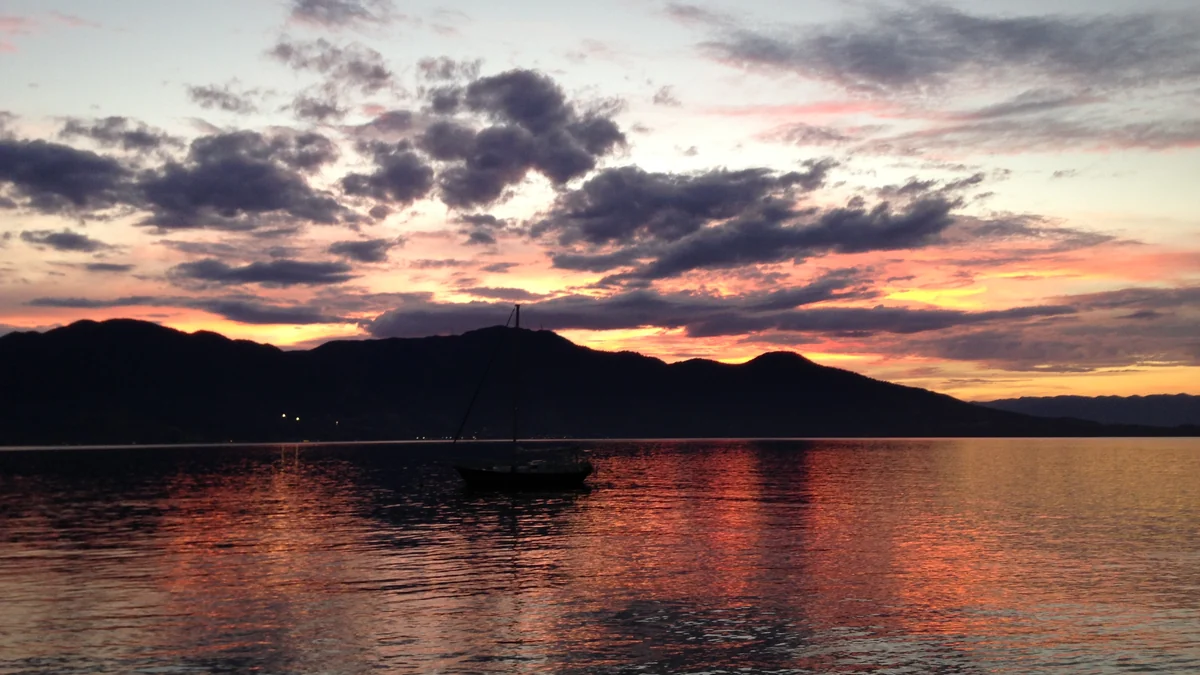
Ilhabela cruise port normally brings passengers ashore at Píer da Vila, directly beside the island’s compact historic centre. That makes the first hour simple: church, lanes, cafés, waterfront views and tour desks are all close to the tender landing.
The harder choice is whether to keep that advantage or spend it on a longer beach, waterfall or 4×4 trip. First-time visitors with a normal full-day call are best served by combining Vila with one controlled extension. Castelhanos is memorable, but it should be booked as the day’s main event rather than squeezed around a casual town visit.
Ilhabela Cruise Port at a Glance
| Port name | Ilhabela |
|---|---|
| Main arrival area | Píer da Vila beside the historic centre |
| Cruise region | South America / Galapagos |
| Country / Territory | Brazil |
| Currency | Brazilian real (BRL) |
| Languages | Portuguese |
| Port role | Day Call |
| Disembarkation | Tender |
| Walkability | Very good in Vila; limited for the wider island |
| Shuttle required | No for Vila |
| Main transport | Walking, Aquabus, local bus, taxi, jeep or boat |
| Best first-time plan | Walk Vila, then choose one nearby beach or a pre-booked island excursion |
| Main caution | Tender queues and island traffic can erode the return margin after a distant beach or jeep trip |
The Tender Puts You in the Right Place
The municipality lists the official coordinates for Píer da Vila, and the map above marks that landing rather than the mainland ferry terminal or a generic point on São Sebastião Island. On a busy cruise morning the pier may be controlled so passenger boats, local services and commercial activity do not compete for the same space.
Ilhabela’s seasonal pier-management notice is useful evidence that arrangements can tighten when several ships or high visitor numbers coincide. Photograph the landing, note the last tender and allow more time than the short distance from the old centre might suggest. The return queue, not the walk, is the operational risk.
Start with Vila Before the Island Spreads Out
Vila is the old centre clustered behind the waterfront. The Igreja Matriz, small civic buildings, shaded lanes and seafront make a coherent walk without a guide. It is not a museum district with a fixed route, so the best approach is to take the uphill lanes first while the temperature is lower, then return through the flatter shopping and café streets.
A paid walking tour is worthwhile only when it provides local history and interpretation rather than simply escorting passengers around a few blocks. Independent visitors can see the physical centre easily. Spend money on a specialist nature, boat or jeep guide instead of buying transport for a place that begins at the pier.
Choose One Island Direction, Not Three
Ilhabela looks compact on a map, but the inhabited road corridor stretches north and south while the mountainous interior and protected Atlantic Forest interrupt easy cross-island movement. Cruise-day plans fail when passengers combine Vila, a southern beach, a waterfall and a far-side excursion as though each were a short urban stop.
Make one decision after Vila: stay on the accessible coast for a beach and lunch, use a taxi or bus for a waterfall, or commit to a structured jeep or boat trip. The island rewards depth. Two hours at one good beach with a secure return is better than collecting rushed photographs from several bays.
Aquabus Is Useful, but It Is Not a Cruise Shuttle
The municipal Aquabus service links waterfront points including Vila and Perequê. It can be a pleasant way to shift along the coast without sitting in road traffic, provided the operating times fit the call and the service is running normally on that date.
Do not build the whole return around the final possible boat. Public operations can change for weather, maintenance or events, and a cruise tender does not wait because a local service was delayed. Use Aquabus for the outward leg when timing is clear; return by an earlier sailing or keep a taxi alternative.
Perequê Is the Sensible Independent Extension
Perequê gives passengers a broader beach, more everyday island life and a larger choice of casual food without committing to the far south. It is a practical middle option for travellers who want more than Vila but do not want the logistics of Castelhanos or a remote boat beach.
The beach itself is not Ilhabela’s most dramatic, yet that is not the point. Its strength is flexibility: arrive by Aquabus, bus or taxi, walk the shore, eat, and return with several transport options. For a first cruise call, this is often a better independent choice than chasing a famous beach that leaves no recovery time.
Southern Beaches Need a Return Strategy
The municipality’s guide to the south of Ilhabela covers Praia das Pedras Miúdas, Feiticeira, Curral and nearby waterfalls. These are realistic cruise-day options, but they sit along the same road corridor used by residents, ferry traffic and visitors. A clear pick-up time matters more than adding another stop.
Curral offers more facilities and a straightforward beach day. Feiticeira is prettier for some visitors but can involve a less convenient final approach. Pedras Miúdas faces Ilha das Cabras and can pair with snorkelling when conditions and a reputable operator align. Choose according to access and return security, not merely the most polished photograph.
Castelhanos Is a Full Excursion
Praia de Castelhanos sits on the ocean-facing side of the island and is reached by authorised 4×4 routes through protected terrain or by boat. The journey is part of the experience, but it also consumes the flexibility that makes Vila easy. This is not the place to improvise with an operator who cannot state the complete duration and return plan.
The official overview of Ilhabela attractions identifies the island’s nature options, while municipal material on beaches explains why Castelhanos is exceptional. Book it through the ship or a well-established local company that understands tender deadlines. Skip it on a short call, a late first tender or a day with unstable sea conditions.
Waterfalls Range from Easy to Demanding
A waterfall can provide welcome shade on a hot day, but “waterfall tour” describes very different physical experiences. Some routes use formed paths and short approaches; others include wet rock, roots, steps and steep forest trails. Ask about the walking surface and total time outside the vehicle rather than accepting a generic difficulty label.
The municipality’s trail guidance distinguishes routes of different levels. The Parque Municipal das Cachoeiras or an accessible lower waterfall is a safer cruise-day choice than an ambitious summit trail. Pico do Baepi and long back-country routes deserve a separate land stay, not a race against the last tender.
Boat Tours Depend on the Sea, Not the Brochure
Boat trips can reach beaches inaccessible by the main road and reveal the scale of Ilhabela’s coastline. They also duplicate the tender environment: another small-boat boarding, more exposure to swell and an operating plan controlled by wind and sea state. Passengers prone to motion sickness should not assume the coastal boat will feel calmer than the ship’s tender.
Before paying, confirm the exact beaches, whether landing is wet or from a pier, shade aboard, flotation, toilet arrangements and the scheduled return to Vila. A shorter north-coast boat with a generous buffer can be excellent. A long circuit that arrives back close to final tender is a poor independent gamble.
Borrachudos Can Change the Day
Ilhabela is known for tiny biting black flies, commonly called borrachudos, especially near vegetation and fresh water. Their presence varies by place, weather and time, but waterfall and forest visitors should take the issue seriously. Standard mosquito advice does not always translate into effective protection against these persistent insects.
Use repellent suitable for the local conditions, reapply after swimming and cover ankles and lower legs on forest paths. Do not let this warning deter you from nature; it should influence clothing and preparation. Passengers with strong reactions to insect bites may prefer the breezier waterfront, Vila and a coastal beach.
Mobility: The Centre Is Easier Than the Tender
Vila is relatively compact, and the municipality has publicised accessible beach and waterfall initiatives. Even so, cruise passengers first have to manage the tender transfer, which can exclude travellers who cannot step safely between moving vessels.
Cobbles, kerbs and heat add effort in the historic lanes. A companion-friendly plan is Vila plus a vehicle to an accessible coastal stop, not a waterfall path or jeep crossing. Confirm whether the ship will allow mobility aids into the tender and whether the chosen beach has a firm approach, toilets and shade.
Food Works Best as Part of the Route
Seafood, Brazilian plates and café stops are easy to find around Vila and Perequê. There is no need to cross the island solely for lunch. Eat where the day already places you, and keep the meal before the final return window rather than sitting down after a distant excursion has run late.
Menus near the pier may become busy when several tenders arrive together. Walking one or two streets back can produce a calmer meal. Check whether a service charge is included, carry a card plus some reais, and avoid relying on shipboard departure time as the moment you should reach the pier.
A Short Call Should Stay Close to Vila
With only four or five hours ashore, the historic centre, a waterfront walk and perhaps Perequê are enough. A late tender release can remove an hour before the day begins, and remote excursions do not become safer simply because an operator promises to drive faster.
Use the short call to understand the island’s geography and enjoy its immediate waterfront. Save Castelhanos or a long boat trip for a sailing with a genuinely long stay or for a future land holiday. The nearby plan is not second best when it protects the parts of Ilhabela that are already worth seeing.
North Coast and South Coast Are Different Excursions
The coast north of Vila becomes quieter and more residential, with smaller beaches, rocky viewpoints and less continuous visitor infrastructure. It suits passengers who want a scenic drive with short stops rather than one famous beach. The southern route offers a denser sequence of beaches and is easier to understand as a first excursion, but cruise-day traffic can make the return less predictable.
Do not ask a taxi to “show the whole island”. The road does not form a convenient loop and much of the east coast is reached only by rough tracks or boat. Agree a northern or southern limit before leaving Vila, identify two priority stops and keep the driver for the return if the ship has a firm tender deadline. A one-way drop at a distant beach is a weaker plan when app cars are scarce.
Taxi and App-Car Plans Need a Return Agreement
Taxis wait around Vila and established visitor areas, while app-based cars can be available unevenly. For a short beach extension, ask for the complete price or metered basis, waiting arrangement and return time before setting off. Photograph the vehicle details and keep the pier name written in Portuguese: Píer da Vila.
A driver retained for two or three hours costs more than separate rides, but removes the largest independent risk: finding transport at the beach when several tenders are returning at once. This is particularly useful at Feiticeira, Curral or a waterfall trailhead. Pay only after the agreed service unless a normal deposit has been clearly explained.
Vila Has Enough Substance for a Deliberate Half-Day
The historic centre is not merely a holding area before a tour. The Igreja Matriz, colonial-scale streets, small museums or cultural spaces, waterfront and restaurants make a coherent route, especially in poor weather. Begin inland while the lanes are quiet, return to the water for lunch and leave shopping until the final hour when tender timing is clearer.
This slower plan is the right choice for passengers who dislike rough boats, jeep tracks or insects. It also works when a late first tender removes the margin needed for Castelhanos. Ilhabela does not have to become an all-island race: Vila plus Perequê or one nearby beach is a complete port day when the call is shortened.
DIY or Organised Tour?
Stay DIY for Vila, Perequê and a straightforward accessible-coast beach. The arrival point is central, the choices are understandable and paying for an escort does not remove tender queues. Use a taxi or Aquabus as a tool rather than buying a full sightseeing circuit.
Choose an organised excursion for Castelhanos, a multi-stop boat, specialist snorkelling or any plan that enters protected forest on a timed route. A ship excursion is strongest when the distance or return risk is high. A reputable local operator can be better value when it provides a written itinerary, passenger licensing and a return comfortably ahead of the tender cut-off.
CruisePing Recommended Port Day
Begin with a 60–90 minute independent walk through Vila while the lanes are cooler and the tender landing is still familiar. Then take Aquabus, a bus or a taxi to Perequê or one chosen accessible-coast beach. Allow time for lunch near that stop and return to Vila well before the last tender rush.
Passengers who care most about wild scenery should replace the beach extension with one pre-booked Castelhanos jeep or controlled boat excursion. Do not try to add Castelhanos after a leisurely morning in town. The best Ilhabela day has one clear centre of gravity: either the easy historic-and-coastal plan or the remote nature excursion.
When the first tender reaches Vila late, remove the distant excursion rather than compressing it. Use the historic centre, Perequê and one nearby beach as the replacement. This keeps the return simple and still shows both Ilhabela’s town life and coastline without paying for transport that spends most of the shortened call in traffic. It is also the better choice when rain has made waterfall paths slippery or the ship has warned that tender queues may build earlier than expected near the end of the call.
Weather & Best Time to Visit Ilhabela
| Period | Typical high | Typical low | Cruise-day implication |
|---|---|---|---|
| December–February | 29°C | 22°C | Hot, humid and storm-prone; carry water and expect strong sun between showers |
| March–May | 27°C | 19°C | Warm with gradually lower humidity; often a good balance for walking and beaches |
| June–August | 24°C | 16°C | Milder and usually drier; sea and wind still control tenders and boat tours |
| September–November | 27°C | 19°C | Warming quickly with variable rain; forest paths can be wet and insects active |
The figures are rounded planning ranges rather than a sailing forecast. Check Brazil’s INMET weather information close to arrival and follow the ship’s tender instructions. A sunny town forecast does not guarantee comfortable conditions on the exposed ocean side of the island.
Heat changes the order of the day: walk Vila early, use the middle hours for water, shade or vehicle travel, and avoid starting an exposed trail in the afternoon. Heavy rain can make waterfall approaches slippery, while wind or swell may cancel a boat plan even when the roads remain usable.
Ilhabela Cruise Port FAQs
Where do cruise tenders land in Ilhabela?
Most cruise passengers arrive at Píer da Vila beside the historic centre. Ship and municipal controls can alter the exact handling, so use the sailing instructions rather than assuming every small boat will share the same side of the pier.
Can I walk from the Ilhabela cruise port?
Yes. Vila begins at the tender landing and is the easiest independent part of the island. The better-known remote beaches, waterfalls and Castelhanos require public transport, a taxi, jeep or boat.
Is Castelhanos worth it on a cruise call?
Yes on a long call when it is the main pre-booked excursion. No when the ship arrives late, the tender is slow or you also want an unhurried town-and-beach day.
What should I take ashore?
Take sun protection, water, effective insect repellent, a light rain layer, secure footwear and the ship’s tender information. Add a waterproof pouch for boat or waterfall plans.
Useful Official Links
- Ilhabela municipal information
- Ilhabela Aquabus
- Ilhabela attractions
- Ilhabela trail guidance
- INMET weather
CruisePing Port Verdict
Ilhabela is one of the easier tender ports to enjoy independently because Vila begins at the landing. First-time passengers should use that advantage, then add only one coastal beach, waterfall or transport-led extension.
Castelhanos is the standout adventure, but it is not automatically the best plan for every call. Book it when the schedule and conditions support a full excursion. Otherwise, Vila plus Perequê or one southern beach gives a richer and safer day than an overfilled island circuit.
Ready to browse our article library?
Looking beyond Ilhabela? Explore more ports in the South America / Galapagos region, or narrow it to Brazil in particular. For cruise comparisons, planning shortcuts and value guides, head over to our main article archive.