
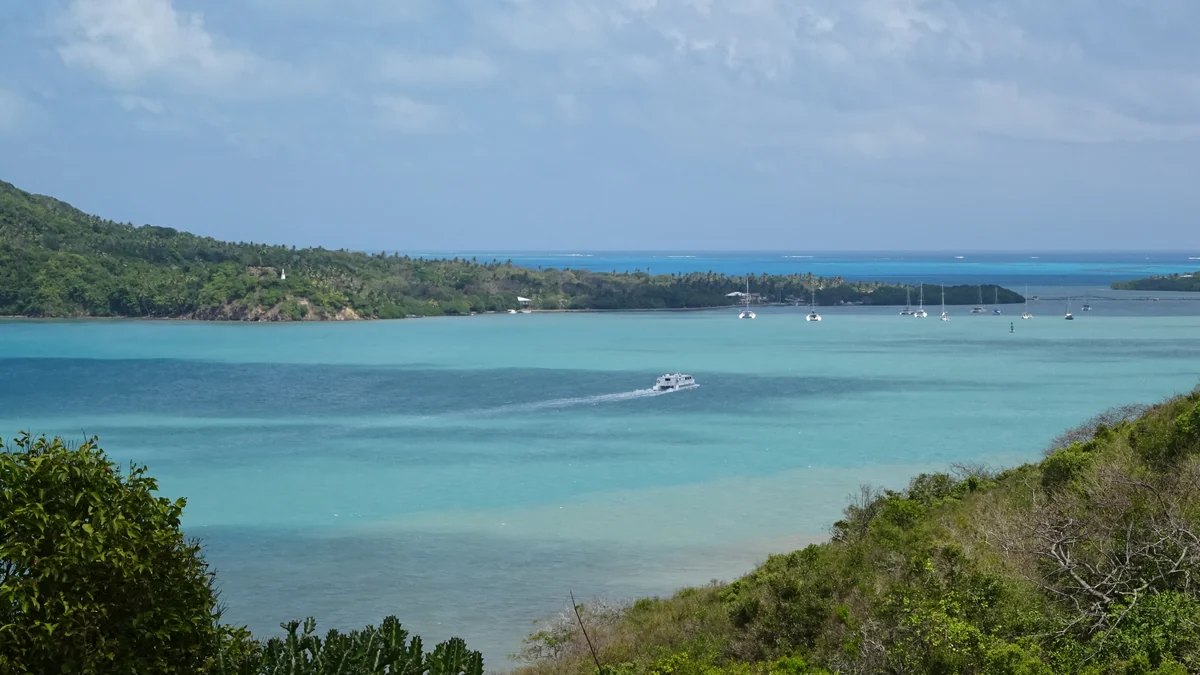
Isla de Providencia cruise port is a low-capacity Caribbean call where the ship anchors and passengers come ashore by tender near Santa Isabel. The island’s appeal is not a polished terminal or a long attraction list; it is the combination of Raizal culture, a mountainous interior, quiet beaches and the protected waters of the Seaflower region.
The best first visit is controlled and local: walk across to Santa Catalina, then use one pre-arranged island driver or marine operator. Do not try to copy a San Andrés resort day. Providencia has fewer vehicles, fewer boats and less spare capacity, so an overcomplicated independent plan can take services away from residents while still leaving you late for the tender.
Isla de Providencia Cruise Port at a Glance
| Port name | Isla de Providencia |
|---|---|
| Main arrival area | Santa Isabel waterfront on Providencia’s sheltered north-west side |
| Cruise region | Caribbean & Bahamas |
| Country / Territory | Colombia |
| Currency | Colombian peso (COP) |
| Languages | Spanish and English-based Creole |
| Port role | Day Call |
| Disembarkation | Tender |
| Walkability | Good around Santa Isabel and Santa Catalina only |
| Shuttle required | No formal shuttle |
| Main transport | Walking, local driver, small tour vehicle and boat |
| Best first-time plan | Santa Isabel and Santa Catalina walk, followed by one island loop or protected-water boat trip |
| Main caution | Limited capacity, weather-sensitive tendering and marine protection rules make improvised multi-stop plans unreliable |
This Is a Small-Island Tender, Not a Cruise Terminal
Expect a ship-controlled transfer into a working local waterfront rather than a purpose-built passenger complex. The map pin marks the Santa Isabel shore where small passenger craft and local boats operate; the precise tender step can shift with the vessel, sea state and harbour instructions.
Colombia’s official cruise overview presents the country’s broader cruise offer, but Providencia needs a much smaller-scale mindset. Listen carefully to tender-group instructions and photograph the landing. There may be no taxi rank, information hall or second pier able to solve a late return.
Santa Isabel Is the Practical Starting Point
Santa Isabel, often called Town, is the island’s main settlement and the place to confirm transport, buy water and understand what is actually operating. It is compact rather than monumental. Give it enough time to notice everyday island life, but do not expect a conventional Caribbean capital with a dense shopping district.
The official Providencia destination guide rightly emphasises the island’s natural and cultural character. Use the first half-hour to verify the last tender, meet a pre-arranged driver and check whether a marine trip is proceeding. Once a vehicle or boat leaves, alternative capacity can be thin.
Cross the Lovers’ Bridge to Santa Catalina
The brightly painted footbridge between Providencia and Santa Catalina creates the easiest independent excursion from the landing. The walk gives harbour views, local houses and access to a smaller island without committing to a vehicle. It is the logical first element of a day when tendering or weather has shortened the schedule.
Continue only as far as time, heat and path conditions allow. Fort Warwick and coastal viewpoints add context, but some surfaces are uneven and shade is limited. The bridge itself can become busy when a tender arrives, so let the first group disperse rather than treating it as a quick photo queue.
An Island Circuit Needs a Local Driver
Providencia’s ring road makes a circuit sound effortless, yet stops, road conditions and limited vehicles determine whether it works. A locally arranged driver is the best choice for first-time passengers who want the mountain profile, coastal communities, viewpoints and a beach without losing track of the ship.
Agree the complete route, duration, vehicle type and return point before leaving Santa Isabel. Avoid vague offers to “see everything”. A two- to three-hour loop with two meaningful stops is stronger than a rushed lap of photo pull-ins. Pay a fair local rate and do not bargain an operator below the cost of keeping a small vehicle available for the day.
South West Bay Is the Most Useful Beach Stop
South West Bay offers a long curve of sand, food options and a realistic place to spend beach time within an island loop. It works better for most cruise passengers than chasing the most secluded cove because a driver can set a clear collection point and the surrounding area has more visitor services.
Check sea conditions before swimming and ask where shade, toilets and changing facilities are available. A beach stop should be long enough to swim and dry off, not a ten-minute photograph. If the call is short, choose South West Bay plus Santa Catalina rather than attempting several beaches around the island.
Freshwater Bay Is Better for a Quieter Pause
Freshwater Bay is smaller and often feels more intimate than South West Bay. It suits passengers who value a gentle swim, a drink and a slower atmosphere over a broad beach walk. Its scale also means cruise arrivals can change the feel quickly when several vehicles stop together.
Ask the driver to judge crowding and conditions on the day rather than locking the plan to a single beach from photographs. If one bay is busy or exposed, a local operator can switch. That flexibility is a reason to hire a driver who lives on Providencia rather than purchasing a rigid route from an intermediary.
McBean Lagoon Is a Protected-Area Decision
The Old Providence McBean Lagoon protected area contains mangroves, seagrass, coral and small cays. It is one of the island’s most important marine experiences, but access should be through an operator who follows park instructions and understands where landing, swimming and snorkelling are permitted.
Do not treat every boat at the waterfront as interchangeable. Confirm flotation, shade, passenger capacity, guide knowledge and whether the trip includes a wet beach landing. The best excursion explains the ecosystem and keeps visitors from standing on coral or entering sensitive shallows, rather than simply accelerating between photo stops.
Crab Cay Is Worth It When the Water Cooperates
Crab Cay, often included in McBean Lagoon trips, offers striking colour and a compact climb for a broad view over protected water. It is genuinely worth prioritising on a clear, calm day. It is not worth forcing when wind, rain or a crowded boat makes the transfer uncomfortable.
The climb is short but can be steep, hot and slippery. Passengers who cannot manage it can still enjoy the boat setting and water from below. Ask whether the operator provides snorkelling equipment and whether there is time to enter the water without compressing the return to Santa Isabel.
Snorkelling Quality Depends on Conduct
Providencia’s reef value is why protected-area management matters. Clear water does not make a site indestructible. Never stand on coral, feed fish, chase turtles or accept an anchor dropped into a living reef. Use reef-conscious sun protection and follow the guide’s entry route.
CORALINA has documented coral restoration work, which is a reminder that damage and recovery are real, not abstract tourism messages. Choose a small operator that briefs passengers before they enter the water. A cheaper trip with no environmental controls is poor value even if the photographs look identical.
The Peak Is Not a Casual Cruise Walk
El Pico gives the island its dramatic height, but the route is a proper tropical hike involving gradient, heat, roots and potentially wet ground. It requires an early start, a guide and enough call time to descend without pressure. It should not be added after an island circuit or snorkelling trip.
Strong walkers with a long expedition call may find it rewarding. Most first-time cruise passengers should skip it in favour of Santa Catalina, a local circuit and one marine or beach experience. The view from a road viewpoint or Crab Cay gives substantial geographic context without turning the day into a deadline hike.
Raizal Culture Is Central, Not Decorative
Providencia’s English-based Creole, churches, music, food and maritime traditions distinguish it from mainland Colombia. Treat local language and culture as part of the island’s present life rather than a performance arranged for visitors. Ask before photographing people, homes or rebuilding work.
A local guide can explain family names, settlement patterns and the relationship between Providencia, Santa Catalina and San Andrés. Spend directly through local drivers, cooks, guides and craftspeople where possible. The island receives relatively few cruise passengers; respectful small transactions matter more than aggressive souvenir bargaining.
Hurricane Recovery Still Shapes the Landscape
Hurricane Iota caused catastrophic damage in 2020, and reconstruction has altered buildings, vegetation and infrastructure. Visitors should not seek disaster imagery or ask residents for traumatic stories. Notice recovery where a guide chooses to discuss it, while recognising that homes and community facilities are not an open-air exhibit.
Operationally, rebuilding and maintenance can also affect roads, jetties and services. Online descriptions written before the hurricane may be unreliable. Use current ship information and local advice rather than assuming a restaurant, path or boat arrangement still functions exactly as an older review describes.
Food Should Be Local and Unhurried
Fish, crab when legally available, coconut rice and island preparations can be a highlight, but small kitchens need time. Pre-arrange lunch through the driver or accept a simpler meal rather than demanding a large group menu without notice. Ask about availability instead of treating a famous dish as guaranteed.
Pay in Colombian pesos where practical, though some operators may quote other currencies. Carry small notes and confirm whether cards work before ordering. Build lunch into the route near the chosen beach or settlement so it supports the day rather than creating another separate transfer.
Mobility and Medical Backup Are Limited
Tender boarding is the first barrier. Once ashore, small vehicles may have high steps and narrow seats, while boat excursions can involve wet landings and ladders. A traveller who needs a particular vehicle or assistance should arrange it through the ship in advance rather than relying on equipment appearing at Santa Isabel.
Medical resources are limited compared with San Andrés or mainland Colombia. Bring essential medication, avoid ambitious water activity when conditions are marginal and disclose relevant needs to the operator. The island’s remoteness is part of its appeal, but it reduces the safety margin for preventable injuries.
Weather Can Collapse the Plan to a Village Walk
Wind and swell can delay tendering or cancel a marine excursion while leaving Santa Isabel accessible. A useful plan therefore has layers: Santa Isabel and Santa Catalina first, a road circuit second, and McBean Lagoon only when the ship and operator confirm conditions.
Do not regard the land fallback as a failed day. A bridge walk, local lunch and conversation with a guide may reveal more of Providencia than a hurried boat ride. The mistake is waiting at the waterfront for conditions to improve until there is no time left for either plan.
A Full Island Loop Must Remain Flexible
Providencia’s road circles much of the inhabited coast, but “island tour” does not mean every stop will be available. Road works, storm repairs, beach access and local events can change the sequence. Ask the driver to name the proposed stops before departure and prioritise two: normally a viewpoint or cultural stop plus South West Bay or Freshwater Bay.
The loop is useful because it reveals the island beyond Santa Isabel, yet repeated ten-minute photo pauses can consume the day without creating much understanding. Choose a local driver who explains Raizal history, recovery and daily life. Leave enough time to cross to Santa Catalina or walk the waterfront after the vehicle returns.
Diving Is a Specialist Choice, Not a Casual Add-On
Providencia is valued by experienced divers, but a cruise call is a poor time to improvise equipment, certification checks and boat logistics after landing. A dive should be pre-arranged with a recognised operator who understands the ship’s tender schedule, marine-area rules and the diver’s recent experience. Confirm whether cylinders, weights and exposure protection are included.
Non-diving companions should not be promised that the same boat will provide an equally good beach day. A dedicated snorkelling or Crab Cay trip is usually better for mixed groups. If sea conditions threaten the return, accept cancellation rather than pressuring an operator to run because the island is a rare port.
Cash and Limited Services Reward a Simple Plan
Bring Colombian pesos in small denominations. Card acceptance, cash machines, fuel and mobile data are more limited than on San Andrés, and a cruise arrival can concentrate demand quickly. Pay agreed drivers and guides fairly, but do not hand over the full amount before the service unless that is the operator’s clear booking policy.
Carry water, basic sun protection and any essential medication ashore. Providencia has local services, not the redundancy of a large resort destination. The most resilient plan uses one driver or boat, one principal activity and a nearby fallback. Trying to assemble several unrelated bookings after the tender lands increases both delay and misunderstanding.
DIY or Organised Tour?
Go DIY for Santa Isabel and the Lovers’ Bridge walk. Those immediate areas are understandable and do not require paid escorting. For the rest of the island, use a pre-arranged local driver or the ship’s small-group programme because vehicle supply is limited and return timing matters.
Use an accountable marine operator or ship excursion for McBean Lagoon and snorkelling. Do not assemble a long sequence from separate informal boats, taxis and beach collections. Providencia rewards one continuous local relationship: a driver or guide who knows the ship’s schedule and can adjust the day as conditions change.
CruisePing Recommended Port Day
Walk from Santa Isabel across the Lovers’ Bridge to Santa Catalina soon after landing, then return to meet one pre-arranged local driver. Complete a measured island circuit with a viewpoint and a proper stop at South West Bay or Freshwater Bay, including lunch if the call is long enough.
On a calm day, replace the road circuit with a protected-area boat to McBean Lagoon and Crab Cay, keeping Santa Catalina as the shore-based element before or after. Do not attempt the full island loop and a substantial marine trip unless the ship’s programme combines them with a protected return. One high-quality local experience is the right scale.
Keep a dry fallback agreed with the driver before leaving Santa Isabel. Heavy rain or wind may remove Crab Cay while leaving the island loop, local food and Santa Catalina entirely worthwhile.
Weather & Best Time to Visit Isla de Providencia
| Period | Typical high | Typical low | Cruise-day implication |
|---|---|---|---|
| December–April | 28°C | 24°C | Often the drier period, but trade winds and swell can still affect tenders and boats |
| May–June | 29°C | 25°C | Humidity and showers increase; keep a flexible land fallback |
| July–August | 29°C | 25°C | Warm and breezy with variable showers; reef trips remain condition-dependent |
| September–November | 29°C | 25°C | Wetter and within the Caribbean storm season; itinerary changes are more likely |
Check Colombia’s IDEAM weather information and, more importantly, the ship’s marine assessment. Island weather can be localised, and the harbour may be workable while exposed reef or beach water is not.
Heat is steady throughout the year. Carry water, sun protection and a rain layer even on the drier-season itinerary. After heavy rain, trails and unmade approaches can be slippery; after strong wind, a road circuit is usually a better choice than pushing for a snorkelling boat.
Isla de Providencia Cruise Port FAQs
Where do cruise passengers land on Providencia?
Ships anchor and tender passengers toward the Santa Isabel waterfront. The precise small-boat landing is controlled locally and can vary with the ship and conditions.
Can I explore Providencia without a tour?
You can independently walk Santa Isabel and Santa Catalina. Arrange a local driver for the island circuit and an authorised operator for protected-water or snorkelling trips.
Is Crab Cay worth visiting?
Yes when the sea is calm and the boat plan leaves a safe return margin. The views and water colour are excellent, but the short climb is steep and a rough transfer can make the outing unsuitable.
Should I take Colombian pesos?
Yes. Cards and foreign currency may work in some places, but small Colombian-peso notes are fairer and more practical for local food, guides and crafts.
Useful Official Links
- Colombia Travel: Providencia
- Colombia cruise information
- Old Providence McBean Lagoon
- CORALINA protected areas
- IDEAM weather
CruisePing Port Verdict
Providencia is a rare and rewarding cruise call precisely because it has not been built around mass tourism. The right day is small, locally guided and flexible: Santa Catalina plus one road or marine experience.
Do not judge value by the number of stops. A good driver, a respectful lunch and one protected-water excursion reveal more than a hurried island checklist. The ship’s programme is often worth paying for here when it secures scarce transport and marine coordination without overwhelming local capacity.
Ready to browse our article library?
Looking beyond Isla de Providencia? Explore more ports in the Caribbean & Bahamas region, or narrow it to Colombia in particular. For cruise comparisons, planning shortcuts and value guides, head over to our main article archive.