
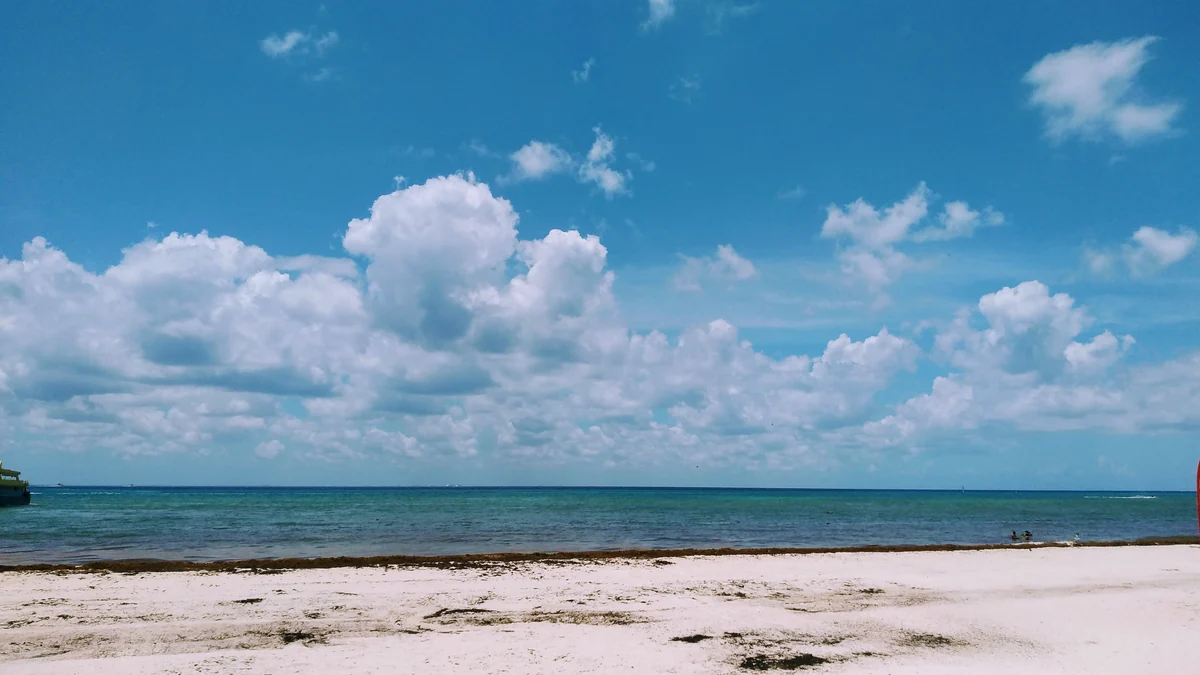
Playa del Carmen cruise port is unusual because the arrival method can change the entire day. Some passengers come ashore at the downtown maritime terminal beside Playacar and Quinta Avenida, while other calls use the industrial Punta Venado or Calica facility south of the city. A few itineraries also move passengers between a ship at Cozumel and the mainland by ferry.
Read the ship notice before booking anything independently. From downtown, the beach, ferry pier and pedestrian centre are immediately accessible. From Punta Venado, transport is mandatory and return traffic matters. The best first visit is either a relaxed Playa day or one major mainland excursion such as Tulum, a cenote or an eco-park—not several headline attractions forced into one schedule.
Playa del Carmen Cruise Port at a Glance
| Port name | Playa del Carmen |
|---|---|
| Main arrival area | Downtown maritime terminal beside Playacar; Punta Venado/Calica on some calls |
| Cruise region | Mexico / Central America / Panama Canal |
| Country / Territory | Mexico |
| Currency | Mexican peso (MXN) |
| Languages | Spanish; English is common in tourism |
| Port role | Day Call |
| Disembarkation | Tender, ferry transfer or docking at Punta Venado depending on the ship |
| Walkability | Excellent downtown; not practical from Punta Venado |
| Shuttle required | Arrival-dependent |
| Main transport | Walking, taxi, pre-booked van or ship excursion |
| Best first-time plan | Choose either central Playa plus beach or one protected mainland excursion |
| Main caution | Do not assume the arrival pier, ferry sequence or return deadline |
Confirm the Arrival Pattern Before Spending Money
The maritime rules recognise both the Playa del Carmen terminal and Punta Venado. Your cruise line, however, decides which facility or transfer sequence applies to the sailing. The berth shown in a generic itinerary can be less useful than the onboard landing card, because passengers may be moved by tender, local ferry or coach before the independent part of the day begins.
Check three details: the public point where you are released, whether a return ferry is compulsory, and the final time at that public point. A tour that promises hotel pickup in central Playa is unsuitable when the ship is at Punta Venado unless the operator explicitly covers the port gate. Keep screenshots of the meeting instructions because mobile data can be unreliable around the transfer.
Downtown Arrival Makes an Independent Day Genuinely Easy
The central terminal stands beside the beach and close to the pedestrian core promoted by Mexican Caribbean tourism. Quinta Avenida runs parallel to the sea with cafés, shops and side streets leading toward the waterfront. Passengers who want a low-stress call can walk, swim, eat and return without using a vehicle.
Do not mistake convenience for quiet. The ferry area is busy, beach width can change, and seaweed conditions vary by season and recent weather. Walk several blocks away from the terminal before choosing a restaurant or beach position. Keep valuables out of sight and avoid accepting an open-ended sales presentation when your real priority is a simple day.
Punta Venado Changes the Calculation
Punta Venado, often called Calica in cruise material, is a working deep-water terminal south of Playa del Carmen. It is not a pleasant promenade from the gangway. If the ship docks there, use the organised shuttle, a clearly authorised taxi or a pre-booked driver who has confirmed access to the terminal.
The road journey to central Playa is manageable, but the port gate and traffic add uncertainty. For Tulum, Xcaret or a cenote, leaving directly from Punta Venado can be efficient because the dock is already south of town. For a beach-and-shopping day, confirm the ship shuttle rather than paying twice for a private transfer that duplicates it.
Quinta Avenida Is Best Used Selectively
Quinta Avenida is long and commercially intense. The useful approach is not to march from one end to the other, but to choose a manageable stretch, step into the parallel streets and return to the sea. Early morning is more comfortable; late morning becomes hotter and busier as resort visitors arrive.
Shops range from local design and craft to international brands and aggressive souvenir sales. Compare prices, keep small peso notes and ask whether quoted card charges are in pesos or another currency. A calm lunch a street or two inland often provides better value than a front-row table beside the ferry queues.
A Beach Day Needs a Realistic Seaweed Plan
Playa del Carmen sells itself through the Caribbean, but shore conditions are not fixed. Wind, currents and seasonal sargassum can change the appearance and swimming quality of a beach overnight. Look at the water before committing to a paid bed or long walk, and ask whether showers, toilets and a secure return route are included.
When the central shoreline is poor, do not automatically hire a taxi to chase a perfect beach based on an old photograph. Nearby stretches may be affected by the same conditions. Use the day for food, the centre and a short pool or beach-club visit only if the price and access are clear. The cruise ship remains the easiest fallback.
Tulum Is the Strongest First-Time Excursion for History
The clifftop setting makes the Tulum archaeological zone visually distinctive, and it is close enough to be a realistic cruise excursion from either Playa or Punta Venado. It still requires transport, timed entry management, a walk from the drop-off and exposure to heat. Book a guide or transfer that understands the ship’s actual landing arrangement.
Tulum is worth prioritising for passengers who have not seen a major Maya site and want one memorable mainland destination. It is not the place to add a distant cenote, long beach lunch and extensive shopping unless the call is unusually long. Leave the site with a generous road and port buffer; queues can build at the entrance and on the return corridor.
A Cenote Can Be Better Than a Second Major Attraction
Cenotes vary enormously: some are open pools, others caves with stairs, helmets or compulsory lifejackets. Choose by mobility, swimming confidence and transfer time rather than by the most dramatic promotional image. Ask whether lockers, showers, footwear and a guide are included, and whether the water activity is optional.
A well-run cenote visit pairs sensibly with a shorter cultural stop or an eco-park transfer. Two separate cenotes plus Tulum usually creates more changing, queuing and driving than enjoyment. Passengers with respiratory, balance or claustrophobia concerns should choose an open site and tell the operator before paying.
Eco-Parks Work Best as the Whole Day
Xcaret, Xplor and similar parks are designed as substantial experiences, not quick attractions. Their advantage is controlled transport, facilities and a wide activity range. Their disadvantage on a cruise call is price and the feeling of leaving before the programme has properly unfolded.
Choose an eco-park when the activities match your priorities and the transfer is protected. Do not book one merely because it appears on every excursion list. A passenger who mainly wants Tulum will gain little from rushing through both; a family that values swimming, wildlife displays and reliable facilities may find the park much easier than assembling separate stops.
Cozumel Is Usually the Wrong Independent Detour
The official Playa del Carmen–Cozumel ferry is useful when the cruise line has built the crossing into its operation. It is a weak spontaneous excursion from a mainland call because it introduces two public ferry queues, possible weather disruption and another layer of transport on Cozumel.
Stay on the mainland unless the itinerary specifically requires the crossing or you have a compelling pre-arranged reason. Playa, Tulum, cenotes and the Riviera Maya already offer more than enough for one day. Crossing to Cozumel simply to say you visited another island gives away the margin that protects the ship return.
Taxis Are Useful but the Agreement Must Be Specific
Use an authorised rank or a driver arranged by the ship, terminal or established operator. State the destination, total fare, currency, waiting time and return plan before the car moves. For a longer excursion, photograph the vehicle details and confirm whether tolls, parking and site admissions are separate.
A taxi dropped at Tulum or a remote cenote is not automatically available for the return. Retaining the driver costs more but provides accountability. App-based transport may face pickup restrictions at terminals or attractions, so it should not be the only return strategy when the ship is at Punta Venado.
Public Transport Is Not the Best Cruise-Day Experiment
Colectivos serve the Riviera Maya cheaply, but they are designed for local and resort journeys rather than cruise deadlines. Stops, capacity and luggage rules can be unclear to a first-time visitor, and reaching a site often requires a roadside drop followed by another transfer.
Experienced Spanish-speaking travellers with a long call may use them for a simple route, but most cruise passengers should not build Tulum or a cenote day around improvisation. The saving is small compared with the cost of missing a ferry, terminal shuttle or ship. Walking downtown and paying for protected transport only when leaving the city is the stronger compromise.
Food Is a Better Use of Time Than Generic Shopping
Playa has restaurants for every budget, but the best short meal is usually away from the loudest terminal frontage. Look for a concise menu, visible prices and steady local trade. Tacos, ceviche and Yucatecan dishes can make the port day feel specific without turning lunch into a long resort experience.
Check seafood handling and avoid accepting tap water unless the venue confirms its system. Card terminals may offer dynamic currency conversion; choose pesos when your bank terms support it. Leave time to walk back rather than arranging a meal that depends on a final taxi through the centre.
Mobility Planning Starts with the Transfer Vessel
Tender platforms and ferries can involve moving gangways, steps and crowding. Ask the ship whether wheelchair or scooter transfer is possible before assuming the flat streets of Playa make the call accessible. At Punta Venado, an accessible coach and port gate matter more than the terrain at the attraction.
Tulum has exposed paths and distances between transport, entrance and monuments. Cenotes may have steep wet stairs. A central day around Playacar, Quinta Avenida and an accessible restaurant is the better choice when transfers or site surfaces are uncertain. The ship’s accessibility team should be the first source for the landing.
Heat Changes the Order of the Day
The archaeological site, road transfers and pedestrian streets become tiring around midday. Put Tulum, an outdoor walk or beach activity first, then use lunch and shopping during the hottest period. Carry water, a hat and reef-conscious sun protection, but follow site rules about containers and products.
The afternoon return can feel shorter than expected once a group assembles, vehicles load and the terminal processes passengers. Do not use a comfortable morning as evidence that the last hour will be equally easy. Start moving back while you still have a choice of transport.
Rain Does Not Automatically Ruin the Call
Tropical showers can be intense and brief. A waterproof phone pouch, light layer and footwear with grip are more useful than a heavy umbrella in crowded streets. Tulum can remain open in rain, but stone and paths become slippery and the exposed setting offers limited shelter.
When thunderstorms threaten marine transfers, follow ship updates closely. Use the centre, a meal and covered shopping rather than moving farther inland while ferry or tender operations are under review. The strongest fallback stays close to the terminal and can be abandoned quickly.
Protect the Final Transfer, Not Just the Ship Time
A published all-aboard time may sit behind a ferry departure, coach cutoff or tender queue. The relevant deadline is the time the cruise line requires you at the public meeting point. Write that down and set an earlier personal target.
Independent operators sometimes promise to return “before the ship leaves” without understanding the intermediate transfer. Ask them to repeat the exact terminal and required arrival time. If they cannot, choose a ship excursion or remain downtown. Playa is enjoyable enough that there is no reason to gamble the return for one extra stop.
A Short Call Should Stay in Playa del Carmen
A late arrival or early final tender changes the recommendation completely. From the downtown terminal, keep the day within the centre: walk the waterfront, choose a short section of Quinta Avenida, eat somewhere one or two streets back and use a beach club only when the sea and seaweed conditions are inviting. That still feels like Mexico and avoids spending most of the call in a vehicle.
From Punta Venado, a short call should usually remain within the cruise line’s organised transfer plan. A taxi into town can work only when the driver is retained and the port return arrangements are fully understood. Do not attempt Tulum, a cenote and central Playa in a compressed window; the road may look fast on a map but loading, entrance queues and traffic remove the margin.
Choose One Riviera Maya Theme, Not Three
The coastline offers archaeology, cenotes, eco-parks, beaches and resort shopping, but they are not neighbouring attractions once admission, changing, security and transport are included. A strong cruise day commits to one theme: Tulum for Maya history, a carefully selected cenote for swimming and geology, or an eco-park for a controlled all-day experience.
Combining themes usually produces the least satisfying version of each. Visitors reach Tulum after the best light, hurry through a cenote and arrive back too tired to enjoy Playa del Carmen. CruisePing recommends choosing the experience that is hardest to reproduce elsewhere on the itinerary, then using any remaining time for food and a short waterfront walk close to the return point.
CruisePing Recommended Port Day
For a downtown arrival, walk the Playacar waterfront and central streets early, choose either a relaxed beach period or a good lunch, and keep the last hour within easy reach of the maritime terminal. Add Tulum only when it is pre-booked and the meeting point is close to the landing.
For a Punta Venado arrival, make the dock work for you: take a protected transfer to one southern Riviera Maya attraction, preferably Tulum, a compatible cenote or a single eco-park. Return directly to the terminal rather than finishing with hurried shopping in central Playa.
CruisePing would not take the public ferry to Cozumel on a normal Playa call. It duplicates transfer risk and sacrifices the best mainland choices. The right decision is one coherent day, built around the actual arrival facility.
Weather & Best Time to Visit Playa del Carmen
| Period | Typical high | Typical low | Cruise-day implication |
|---|---|---|---|
| December to February | 28°C | 19°C | Warm and comparatively comfortable; strong season for ruins and walking. |
| March to May | 31°C | 22°C | Hotter, with powerful sun; start outdoor sites early. |
| June to October | 32°C | 24°C | Humid with heavier showers, storms and variable sea conditions. |
| November | 29°C | 22°C | Transitional month; often pleasant but still monitor rain and wind. |
Use the Mexican national weather service for the live forecast rather than treating seasonal averages as a guarantee. Wind matters because it can affect tenders and ferries even when rain over the city is limited.
Sargassum is a separate shoreline issue and can change quickly. Judge the beach you can actually see on arrival; do not let an old resort photograph dictate an expensive taxi search.
Playa del Carmen Cruise Port FAQs
Do cruise ships dock in Playa del Carmen?
Some calls use Punta Venado/Calica, while others transfer passengers to the downtown maritime terminal or route them by ferry from Cozumel. Check the sailing instructions.
Can I walk from the cruise arrival?
Yes from the downtown terminal. No from Punta Venado, where authorised transport is required.
Is Tulum worth it on a cruise day?
Yes for a first visit, provided the transfer is protected and it is treated as the main excursion rather than one stop in an overloaded itinerary.
Should I visit Cozumel from Playa del Carmen?
Usually not. The extra ferry journeys add risk and consume time that is better used on the mainland.
Useful Official Links
- APIQROO port-operating rules
- Mexican Caribbean tourism
- Tulum archaeological zone
- Playa del Carmen–Cozumel ferry
- Mexico weather service
CruisePing Port Verdict
Playa del Carmen is a strong port only after you establish where the cruise line will put you ashore. Downtown rewards a largely independent day; Punta Venado rewards one pre-arranged mainland excursion.
Prioritise Tulum if Maya history matters, choose a cenote or eco-park when the activity itself is the goal, and resist the urge to collect Playa, Tulum, a cenote and Cozumel in one call.
Ready to browse our article library?
Looking beyond Playa del Carmen? Explore more ports in the Mexico / Central America / Panama Canal region, or narrow it to Mexico in particular. For cruise comparisons, planning shortcuts and value guides, head over to our main article archive.