
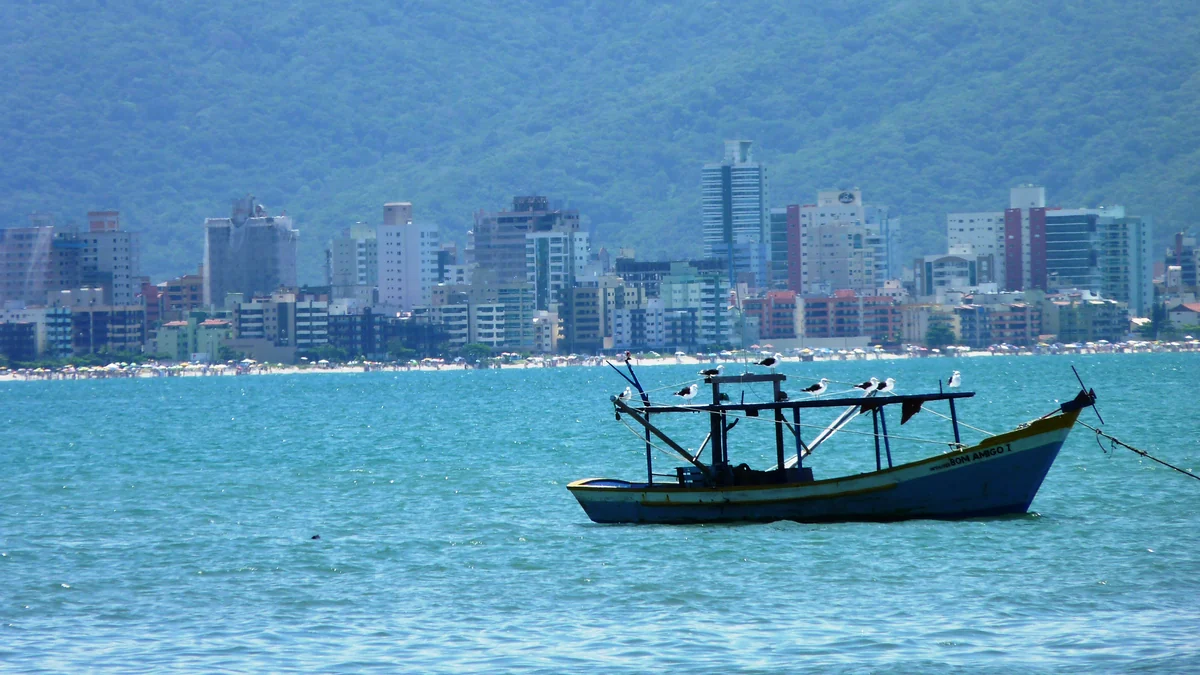
Porto Belo cruise port lands passengers at the municipal tourist pier, known through IPTur as the visitor reception point. The tender arrives close to the old waterfront, restaurants, small-scale heritage and local boat operators, so passengers do not need to leave town simply to justify going ashore.
The best choice is between a compact independent Porto Belo day and one controlled coastal extension. Bombinhas has stronger beach scenery but can be slowed by summer traffic. Ilha de Porto Belo and local boat trips are more natural additions, provided the operator works around the ship tender. A first visit should not attempt every beach on the peninsula.
Porto Belo Cruise Port at a Glance
| Port name | Porto Belo |
|---|---|
| Main arrival area | Píer Turístico Municipal / IPTur |
| Cruise region | South America / Galapagos |
| Country / Territory | Brazil |
| Currency | Brazilian real (BRL) |
| Languages | Portuguese |
| Port role | Day Call |
| Disembarkation | Tender to the municipal tourist pier |
| Walkability | Good around the central waterfront |
| Shuttle required | No for the centre |
| Main transport | Walking, taxi, local van and boat excursion |
| Best first-time plan | Waterfront and old centre plus one beach or short boat trip |
| Main caution | Summer road traffic and tender queues can tighten the return |
The Tender Pier Is the Right Starting Point
The municipality identifies IPTur as the place where cruise visitors disembark, while the official landing list gives the municipal tourist pier as a recognised waterfront point. Use that certainty: note the exact tender entrance, last-boat instructions and any colour-coded queue before walking away.
The pier is close enough to cafés, boats and the historic centre that an early independent hour is sensible. Do not accept the first excursion pitch merely because it is beside the landing. Compare the route, duration, return guarantee and whether the boat or van departs immediately or waits to fill.
Porto Belo Is More Than a Transfer to Bombinhas
The town is smaller and less polished than its famous neighbour, but that is part of its value. Fishing boats, the bay, low-rise streets and local restaurants create a coherent short call. Walk the waterfront first and look back across the sheltered water toward the ship before deciding whether a longer excursion is necessary.
Passengers who want a calm day can remain close to the pier, add a local lunch and still feel they have visited a real coastal community. Porto Belo should not be dismissed as a bus park for Bombinhas; equally, its modest centre should not be oversold as a full catalogue of major monuments.
The Historic Core Works Best with Context
Old houses, churches and the shape of the waterfront make more sense with a short local explanation of Portuguese settlement, fishing and regional growth. A compact guided walk is useful if it begins promptly and does not become a sequence of souvenir stops.
Independent visitors should keep the route tight, using the waterfront and central streets rather than climbing random residential roads. Opening hours can be limited on a cruise morning. Exterior architecture, the bay and local food are reliable; a small museum or church interior should be treated as a bonus.
Ilha de Porto Belo Is the Most Natural Extension
The visitor information around IPTur helps explain why short marine trips are prominent. The nearby island can add beach time, trails or views without committing to a long road transfer. Confirm whether the boat returns to the same municipal pier and how often it runs during the cruise call.
A short crossing is still a separate marine operation. Ask about lifejackets, boarding steps, shade and the last safe return. Passengers with limited mobility may enjoy the bay from the waterfront more than transferring between tender, pier and another small boat.
Bombinhas Is Worth It for a Deliberate Beach Day
Bombinhas offers clearer resort beaches and a broader choice of coastal settings. It is the right excursion for passengers whose main goal is swimming, viewpoints or snorkelling rather than town history. Choose one beach area and perhaps one viewpoint, not a tour that promises every cove.
Road congestion is the weakness. In peak summer, a short distance can become unpredictable, especially when several ships or holiday crowds are present. Keep the driver, agree the return time and start back before the tender rush. A ship excursion provides useful protection when the route consumes most of the call.
Do Not Chase a Perfect Beach by Taxi
Beach quality depends on wind, swell, crowding and recent rain. A driver can recommend a sheltered option, but “best beach” is not a permanent fact. State whether you want swimming, calm water, scenery, facilities or fewer crowds, because those priorities lead to different places.
Agree the complete taxi plan before departure. A one-way drop can leave you competing for scarce vehicles later. Retaining a driver for a compact circuit costs more but protects the return and allows a change if the first beach is crowded or unsuitable.
Boat Tours Need Clear Boundaries
Local schooner and speedboat offers can sound similar while delivering very different days. Ask for the exact route, number of swim stops, passenger capacity, toilet availability, shade and planned return to the cruise pier. Loud music and a party atmosphere may be central to some departures.
Choose a smaller scenic trip when you want coastline and interpretation. Choose a social schooner only when that mood is genuinely appealing. Do not book a late departure whose advertised duration leaves no buffer; local operators cannot override the ship’s tender deadline.
A Seafood Lunch Is One of the Best Local Experiences
The bay supports a strong maritime identity, and a simple fish or seafood meal can be more satisfying than another rushed attraction. Choose a restaurant with visible prices and enough turnover, and ask about preparation rather than assuming every dish is light. Moqueca and fried platters can take longer than a quick grill.
Order before the final hour and pay while there is still time to resolve a card problem. Carry some reais because connectivity can fail during a busy call. A table overlooking the bay is worthwhile, but do not let a slow bill push you into the last tender queue.
Summer Heat and Sun Make Sequence Important
Walk the centre early, take a boat or beach extension before the strongest afternoon heat, and use lunch as the recovery period. Shade can be limited on small boats and open beaches. Carry water, a hat and sun protection that is compatible with local marine guidance.
The tender ride itself adds exposure. Keep a light layer or towel accessible and protect electronics from spray. Passengers who overheat easily should favour the central waterfront and a shaded lunch rather than a multi-stop open-vehicle tour.
Rain Changes Roads More Than the Town
A shower does not remove the value of the waterfront, church exteriors and lunch, but it can make viewpoints, trails and small-boat boarding less appealing. Ask whether the boat will run a shortened route and whether a cancellation is refundable before paying.
Heavy rain can slow traffic between Porto Belo and Bombinhas. When the forecast is unsettled, keep the day on the Porto Belo side of the plan. A flexible local walk has more value than spending the call inside a vehicle chasing a view hidden by cloud.
Mobility Is Mostly About Repeated Boarding
The centre is relatively manageable, but passengers may face the ship tender, a floating pier and then another excursion boat. Each transfer can involve height changes and crew assistance. Ask the ship about the first landing and the local operator about the second before buying.
A taxi circuit with short stops is the strongest alternative for someone who wants to leave the pier area without another boat. Keep expectations realistic: sand, kerbs and slopes remain. The most accessible day may be the pier, waterfront, lunch and a short level stroll.
Shopping Should Support the Coastal Place
Look for small-scale food products, craft or work connected to local makers rather than mass-produced beach souvenirs. Ask where an item was made and keep fragile purchases protected during the tender.
The pier reception area can concentrate sellers when a ship arrives. Browse after the main walk or excursion, when the return time is known. This avoids carrying bags all day and keeps the first hour available for the quieter waterfront.
The Final Tender Can Develop a Queue
A compact port encourages passengers to return at the same time after lunch. Do not assume proximity eliminates risk. Arrive before the final tender window, especially if weather has slowed the operation or several excursion boats are unloading together.
If the queue is already long, follow ship staff rather than trying another pier or private boat. The cruise tender is the only authorised return. Keep your cruise card and photo identification accessible, not buried under wet beach gear.
The Bay Itself Deserves Attention
Porto Belo’s sheltered bay explains why the settlement developed around fishing, small boats and seasonal maritime tourism. Pause at the waterfront before leaving on an excursion and look back toward the anchored ship, island and mainland curve. This simple orientation makes later boat travel and beach choices easier to understand.
The bay is not a guarantee of flat water. Wind, wake and summer traffic can make tendering and small-boat transfers lively, particularly later in the day. Keep a light layer and protect phones from spray. Passengers prone to motion sickness should take their usual precautions before the first transfer rather than waiting until a second boat trip.
Snorkelling Is Conditional, Not Automatic
Boat operators may promote clear water, fish and snorkelling around the island or nearby coves. Visibility depends on rain, wind, vessel traffic and the exact site, so ask where the boat intends to stop and whether equipment, flotation and supervision are included. A scenic boat ride can still be worthwhile when the water is not suitable for swimming.
Do not choose a tour solely because photographs show tropical clarity. Check boarding ladders, depth, current and the route back into the boat. Passengers with limited shoulder or knee mobility may enjoy the same coastline from the vessel without entering the water. An operator should be comfortable with that choice and should never pressure guests to swim.
Summer Road Traffic Changes the Bombinhas Decision
Bombinhas is close in distance but can be slow in peak season because the peninsula funnels traffic onto a limited road network. Ask the driver or excursion operator for the realistic journey time for that date, not the quiet-season estimate. The best beach plan leaves early and returns before the main afternoon flow.
Retain the vehicle or use an organised round trip. Finding a replacement taxi at a crowded beach can waste the buffer, while moving between several beaches multiplies traffic exposure. CruisePing would choose one beach with toilets, shade and food, then return directly to Porto Belo rather than chasing a more photogenic cove after midday.
A Compact Heritage Walk Adds Meaning
The waterfront church, older streets and fishing identity can be covered in a short guided walk before lunch or the island boat. Interpretation matters because the visual scale is modest; without context, passengers may pass through in minutes and conclude there is little to see.
Ask about the bay’s Indigenous, colonial, fishing and modern tourism layers, and notice how working boats sit beside visitor facilities. This is not a museum-town experience, so do not expect a sequence of grand monuments. Its strength is the relationship between community and water, best understood in a slow half-hour rather than from a coach window.
Keep the Last Hour Close to the Pier
Porto Belo is small enough to make an early return useful rather than frustrating. Leave the outer beach, island boat or road excursion with a generous margin, then use the final hour for the waterfront, church, craft or a drink within sight of the tender operation.
This sequence protects the ship deadline without wasting the call. Tender queues, afternoon wind and road traffic are all easier to absorb when the final activity is local. CruisePing recommends treating the central bay as the planned finish, not an afterthought reached only when everything else has run perfectly.
CruisePing Recommended Port Day
Start with a quiet walk from the municipal pier along the waterfront and through the old centre. Then choose one addition: a short island boat, a retained taxi to a beach, or a relaxed seafood lunch.
CruisePing would choose Ilha de Porto Belo or a modest local coastal trip before a road-heavy attempt to cover Bombinhas. Bombinhas is worth the transfer only when beach time is the main purpose and a reliable return has been arranged.
Keep the final hour beside the municipal pier. Porto Belo works precisely because it can be enjoyed without an ambitious regional expedition.
Weather & Best Time to Visit Porto Belo
| Period | Typical high | Typical low | Cruise-day implication |
|---|---|---|---|
| December to February | 29°C | 22°C | Hot, humid and busy; strong beach weather but traffic and storms matter. |
| March to May | 26°C | 18°C | Milder with fewer crowds; good for walking and coastal trips. |
| June to August | 21°C | 13°C | Cooler and changeable; swimming is less dependable. |
| September to November | 25°C | 17°C | Warming conditions with spring showers and improving beach days. |
Check INMET for current conditions. Wind and thunderstorms can affect both the ship tender and local boat excursions even when the bay initially looks calm.
In high summer, the operational problem is often congestion rather than temperature alone. Build a larger return margin for any road trip toward Bombinhas.
Porto Belo Cruise Port FAQs
Where do cruise tenders land in Porto Belo?
At the municipal tourist pier / IPTur reception point in the central waterfront area.
Can I explore Porto Belo independently?
Yes. The pier, waterfront, old centre and restaurants make a straightforward independent plan.
Is Bombinhas worth visiting?
Yes for a dedicated beach day, but summer traffic means a retained driver or protected excursion is preferable.
Should I book a boat trip at the pier?
Only after confirming the route, safety equipment, atmosphere and return time. A short local trip is the strongest fit.
Useful Official Links
- Porto Belo cruise reception
- Municipal cruise operations
- IPTur visitor information
- Official pier listing
- INMET weather
CruisePing Port Verdict
Porto Belo is a pleasant small-ship-style tender call with a useful arrival point and no need for an elaborate day. The bay, town and one coastal extension are enough.
Choose Bombinhas only when beach scenery outranks local character, and never let a short map distance hide the return risk created by peak-season traffic.
Ready to browse our article library?
Looking beyond Porto Belo? Explore more ports in the South America / Galapagos region, or narrow it to Brazil in particular. For cruise comparisons, planning shortcuts and value guides, head over to our main article archive.