
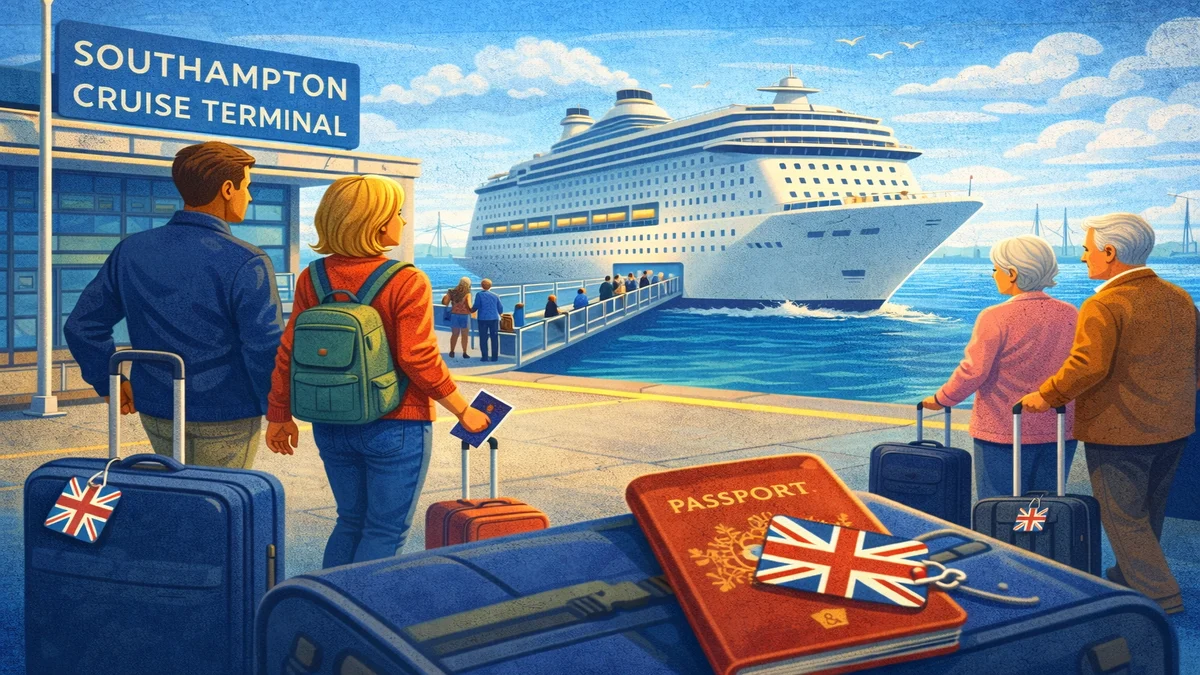
For a growing number of British travellers, the holiday begins the moment they step out of their front door, not the moment they clear airport security.
In 2026, no-fly cruises have surged in popularity. The appeal is undeniable: no luggage weight limits, no liquids restricted to 100ml bags, no chaotic security queues, and absolutely no risk of a cancelled easyJet flight ruining your embarkation day. You simply drive to the port, hand your heavy suitcases to a porter, and walk onto the ship.
But sailing directly from the UK is very different from flying to Barcelona or Miami to catch a ship. It requires understanding regional ports, the reality of “sea days,” and the notorious Bay of Biscay.
Here is everything you need to know about no-fly cruises from the UK, where you can sail, and which cruise lines do it best.
1. Why Choose a No-Fly Cruise? (The Pros and Cons)
Before committing to a UK departure, it is important to weigh the incredible conveniences against a few geographical realities.
The Pros:
- Unlimited Luggage: If it fits in your cabin, you can bring it. This is a massive advantage for families travelling with baby gear, or those who want to pack multiple formal outfits for a Cunard crossing.
- Zero Airport Stress: You eliminate the most exhausting part of modern travel. For passengers with mobility issues or a fear of flying, this is life-changing.
- The “Home Comforts” Factor: Ships that homeport in the UK are often tailored to British tastes. You will find GBP pricing, Kettles in the rooms, and proper back bacon at the breakfast buffet.
The Cons:
- The Weather: If you sail out of Southampton in November, the first and last days of your cruise will be cold. The outdoor pools will be closed until the ship reaches warmer southern waters.
- More “Sea Days”: When you fly to Rome, you wake up the next day in Naples. When you sail from the UK to the Mediterranean, it takes at least two full days of sailing just to reach the Strait of Gibraltar.
2. The Major UK Departure Ports
While Southampton is the undisputed king of UK cruising, it is not your only option. Depending on where you live, you might be able to board a ship just a short drive from your house.
1. Southampton (The Mega-Hub)
Southampton is the busiest cruise port in Europe. It has five massive, state-of-the-art passenger terminals. Because of its deep-water access, this is where the 6,000-passenger mega-ships dock. If you want to sail on Royal Caribbean, MSC Cruises, or the newest P&O flagships, you will be departing from Southampton.
2. Dover
Famous for its dramatic white cliffs, Dover is a fantastic alternative for those living in the South East who want to avoid the M3 traffic. It is primarily used by premium and smaller-ship lines like Fred. Olsen, Seabourn, and occasionally Hurtigruten.
3. The Regional Ports: Liverpool, Newcastle & Rosyth (Edinburgh)
If you live in the North of England or Scotland, driving to Southampton can take seven hours—defeating the convenience of a no-fly cruise. Fortunately, lines like Fred. Olsen and Ambassador Cruise Line specialise in regional departures. You can sail directly to the Norwegian Fjords or Iceland from the River Mersey or the Tyne.
3. The Bay of Biscay: What You Need to Know
If you are sailing from the UK down to the Canary Islands or the Mediterranean, your ship must pass through the Bay of Biscay, located off the western coast of France and northern coast of Spain.
The Bay of Biscay is infamous in the maritime world. Because the deep waters of the Atlantic Ocean suddenly hit the shallow European continental shelf, the sea here can be incredibly unpredictable and rough, especially between October and April.
How to handle it:
- Don’t panic: Modern cruise ships are fitted with massive, computer-controlled stabilisers. While you will feel motion, it is rarely dangerous.
- Book the right cabin: If you are nervous about the Bay of Biscay, do not book a cabin at the very front of the ship. (Read our guide: Midship vs Aft vs Forward: Which Cruise Cabin is Best? to understand exactly where to sleep to avoid seasickness).
- The Silver Lining: Once you cross the Bay and round the coast of Portugal, the water traditionally flattens out, and the sun comes out.
4. Where Can You Sail from the UK?
You are not limited to northern Europe just because you refuse to fly. With a long enough itinerary, you can reach almost anywhere.
- The Norwegian Fjords (7 Nights): The ultimate no-fly itinerary. Ships depart the UK and head straight north into the breathtaking, glassy waters of the Fjords.
- The Mediterranean (14 Nights): To reach Spain, Italy, and France without flying, you need a two-week holiday. The first and last 2-3 days will be spent entirely at sea in transit.
- The Canary Islands (12-14 Nights): A massive favourite for winter sun. Sailings head south past Portugal and Morocco to reach Tenerife, Lanzarote, and Gran Canaria.
- The Caribbean (28+ Nights): Yes, you can reach the Caribbean without flying! Brands like P&O and Fred. Olsen run month-long winter itineraries that cross the Atlantic, spend two weeks island-hopping, and sail back to the UK.
5 Which Cruise Lines are Best for UK Departures?
If you are ready to ditch the airport, these are the lines that dominate the UK no-fly market:
- P&O Cruises: The undisputed market leader. They keep multiple ships in Southampton year-round, offering everything from 2-night mini-cruises to Bruges, up to 35-night Caribbean escapes. Gratuities are included, and the currency is GBP.
- Cunard: If you want to sail from Southampton to New York without flying, the Queen Mary 2 is the only ship in the world that does this as a scheduled, regular route.
- MSC Cruises: For families wanting mega-resort thrills (waterslides, massive casinos, and late-night parties) straight out of Southampton, MSC usually stations one of their spectacular, budget-friendly “Virtuosa-class” ships in the UK for the summer.
- Ambassador & Fred. Olsen: The absolute best choices for regional departures (Liverpool, Newcastle, Dundee). These are traditional, smaller ships offering an intimate, adults-focused atmosphere.
Compare the journey with flying to the Mediterranean, use the month-by-month cruise planning checklist before departure, and check the economics of solo cruising from the UK when only one person is travelling.
6. The Bottom Line
A no-fly cruise transforms your travel day from an exhausting, stressful hurdle into the actual start of your holiday. As long as you don’t mind a few extra sea days and pack your sea-bands for the Bay of Biscay, it is the most civilised way to travel in 2026.
However, because you are saving hundreds of pounds on flights, UK departure base fares can sometimes carry a premium. Never pay the brochure price.