
Stepping off the ship at the Ponta Delgada cruise port welcomes you to São Miguel, the largest and most volcanically active island in the Portuguese Azores. Positioned as a vital stepping stone in the mid-Atlantic, this port is a highlight on transatlantic crossings and longer spring itineraries departing from the UK.
The terminal infrastructure is excellent, providing an immediate gateway to a historic island capital. However, because the main natural wonders of the Azores are located deep within the rural interior, navigating this port effectively requires moving beyond the immediate waterfront. By taking control of your own transport, you can craft an independent itinerary that is vastly superior to and significantly cheaper than any cruise line excursion.
In this guide, we break down the pier logistics, expose the geographic illusions of island marketing, provide a step-by-step blueprint for a brilliant DIY driving route, and reveal how to save hundreds of pounds compared to ship-sponsored tours.
At-a-Glance Port Directory
Before booking your local transport or planning your day ashore, here are the essential fast facts you need for your arrival in the Azores:
| Port Metric | Practical Specification |
| Port Role | Primary Day-Visit Stop (Essential Atlantic Turn-of-Call) |
| Arrival Method | Docked (Ships tie up at the Portas do Mar cruise terminal) |
| Local Currency | Euro (€) |
| ATM Availability | Plentiful inside the Portas do Mar complex and along the main promenade |
| Distance to Centre | Immediate (The modern marina complex borders the historic town centre) |
Arrival & Pier Logistics
The Portas do Mar terminal is one of the most passenger-friendly facilities in the Atlantic, seamlessly blending cruise infrastructure with local island life.
Clearing the Terminal
When your ship docks, you will exit through a sleek, modern passenger terminal. This facility includes an official tourist information desk, clean restrooms, and a selection of local shops showcasing Azorean products like pineapples and cheeses. There are no industrial barriers or mandatory shuttle buses. The terminal exits directly onto a vibrant waterfront promenade lined with cafes, restaurants, and a public outdoor swimming pool.
Accommodation Note
As Ponta Delgada functions almost exclusively as a daytime port of call for cruise itineraries originating from UK ports like Southampton, you do not need to look into local transit hotels. Your ship will typically arrive in the early morning and depart in the late afternoon, giving you a generous eight to ten-hour window to explore the island.
The “Fake Port” Reality Check: Coastal Town vs. Volcanic Interior
When you browse a cruise brochure highlighting the Azores, you are invariably shown images of the twin green and blue volcanic lakes of Sete Cidades, steaming geothermal valleys, and dramatic thermal pools. Because the ship docks directly against the edge of Ponta Delgada, it is easy to fall into the geographic illusion that these wonders are just a short stroll from the pier.
This is a major misconception based on the island’s terrain. While Ponta Delgada is a highly walkable town filled with black-and-white mosaic pavements and historic churches, the true magic of São Miguel lies miles away in the mountainous interior.
You cannot walk to a volcanic crater lake or a thermal spring from the gangway. Reaching these landmarks requires travelling across steep, winding, and often misty mountain highways. If you stay entirely within walking distance of the ship, you will completely miss the dramatic natural landscapes that make the Azores famous.
Top Attractions: DIY vs. Guided Tour Showdown
Exploring São Miguel is a clear choice between paying premium rates for a crowded cruise line coach or unlocking total freedom for a fraction of the cost.
The Ultimate DIY Choice: Independent Car Hire & The North Coast
Cruise lines routinely charge between £90 and £130 per person for an organised coach excursion to the volcanic valleys. For a couple, that quickly adds up to over £200; for a family of four, it can exceed £400. By contrast, opting for a DIY car hire approach is dramatically cheaper, often costing as little as £40 to £60 total for a modern vehicle for the day. This saves you hundreds of pounds while allowing you to completely outrun the slow-moving tour buses.
On a recent visit, we executed a flawless independent itinerary that proved just how rewarding a DIY day can be. We bypassed the expensive pier desks, walked into the centre of town, and hired a vehicle from Rent-A-Car Auto Ramalhense Lda. The collection process was efficient, friendly, and put us on the open road within minutes.
From the town, we drove directly to the northern coast to visit the Chá Gorreana Tea Plantation. Operating continuously since 1883, this is the oldest and currently one of the only remaining tea plantations in Europe. It is completely free to enter, allowing you to walk independently through the lush, stepped green tea fields and step inside the active factory to learn about traditional tea production on the islands.
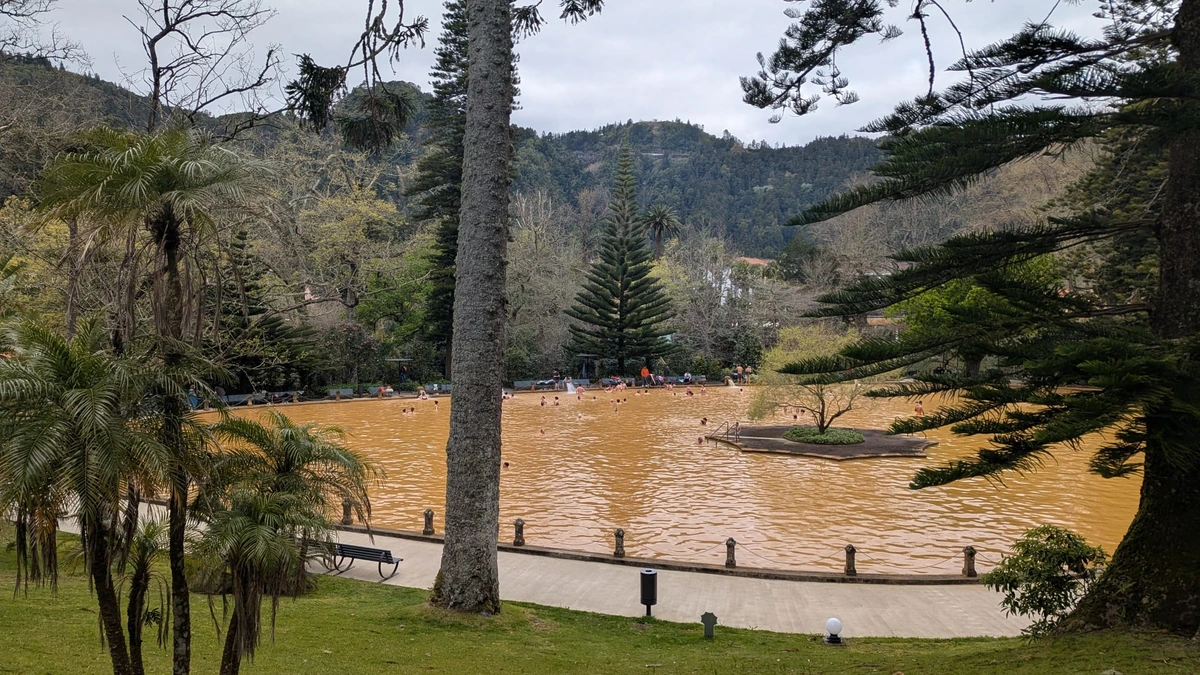
In the afternoon, we drove down into the geothermal valley of Furnas to visit Parque Terra Nostra. This stunning botanical garden is home to a world-class collection of exotic plants, hidden stone paths, and a massive, mineral-rich volcanic geothermal pool.
Insider Value Hack: The water in the main Terra Nostra thermal pool is a constant, blissful 35 to 40 degrees Celsius, but it is heavily saturated with iron. This gives the water a distinct orange hue that will permanently stain light fabrics. Bring your swimming trunks, but make sure they are an old, dark-coloured pair that you do not mind getting ruined by the mineral-rich springs!
The Guided Tour Alternative: Whale Watching & Sete Cidades
If you prefer not to drive on winding island roads, a guided arrangement is highly practical for certain ocean-bound activities. The Azores are a world-renowned marine sanctuary, and booking an official whale watching safari on a high-speed zodiac boat is excellent. Because these marine excursions operate directly out of the marina right next to the cruise terminal, booking a guaranteed slot through an authorised operator ensures you clear port security and return well before the final all-aboard call.
The Port-Side Pitfall & Value Hack
The single biggest financial trap at this destination is the Pier-Side Taxi Ring.
The moment you step clear of the terminal doors at Portas do Mar, you will see a massive line of local taxi drivers waiting under a large directory board. These drivers offer fixed-rate island tours to sights like Sete Cidades or Furnas, and quote prices ranging from €120 to €150 for a few hours of driving.
While this can seem convenient if you have failed to plan ahead, it is highly inflated compared to local standards. Furthermore, these drivers frequently rush you through the viewpoints to ensure they can return to the pier to catch a second wave of passengers.
Save your money by avoiding the pier ranks entirely. By pre-booking a vehicle online with an independent local business located just a short 10-minute walk into the historic town centre, such as Rent-A-Car Auto Ramalhense Lda, you retain total control over your schedule. You can spend two hours soaking in the hot springs at Terra Nostra rather than the rushed 20 minutes allotted by a taxi driver or a cruise line coach tour.
CruisePing Port Verdict
The Ponta Delgada cruise port is an exceptional Atlantic destination that rewards independent, adventurous travellers. By rejecting the expensive, rigid shore excursions sold on board, walking past the inflated taxi ranks at the pier, and hiring a car from a reliable local agency in the centre of town, you can bathe in volcanic hot springs, walk through historic European tea fields, and experience the absolute best of the Azores entirely on your own terms.