
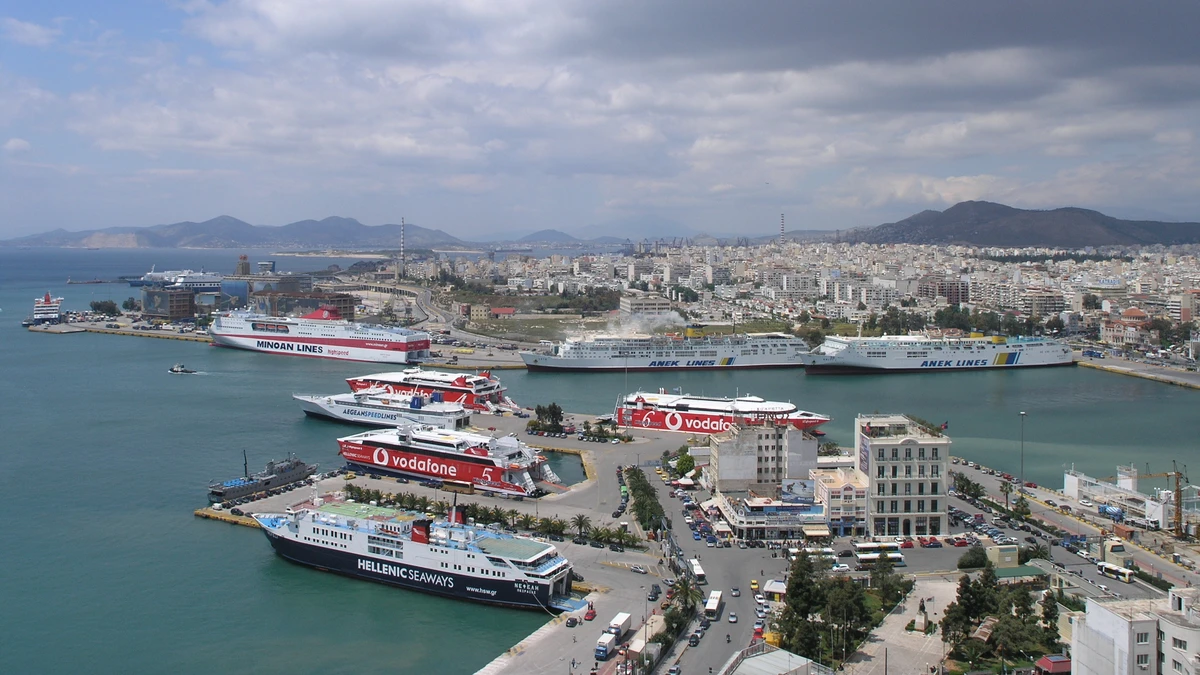
Arriving at the Piraeus cruise port opens the door to one of the greatest open-air museums on earth. Serving as the primary maritime gateway to Athens, this ancient harbour has connected the Mediterranean to the heart of Greek civilisation for over 2,500 years. For British holidaymakers, stepping off the ship here represents the ultimate historical pilgrimage: a chance to stand on the rocky summit of the Acropolis and look out over the birthplace of democracy.
Navigating your transit from the ship to the ancient ruins is remarkably affordable if you master the local public transport layout. However, because Piraeus is a massive commercial shipping hub, cruise lines heavily promote costly coach transfers, often implying that reaching central Athens independently is a stressful, logistical nightmare.
In this guide, we break down the cruise terminal layout, expose the significant geographic distance between the docks and the ruins, compare DIY sightseeing with official excursions, and reveal the exact metro blueprint that gets you to the Parthenon safely for a fraction of the cruise line price.
At-a-Glance Port Directory
Before purchasing your metro tickets or planning your climb to the Parthenon, here are the essential fast facts for your arrival in Attica:
| Port Metric | Practical Specification |
| Port Role | Primary Day-Visit Stop (Marquee Eastern Mediterranean Call) |
| Arrival Method | Docked (Vessels tie up at dedicated cruise passenger terminals A, B, or C) |
| Local Currency | Euro (€) |
| ATM Availability | Plentiful inside all three terminal buildings and near the main harbour gate |
| Distance to Centre | Roughly 12 kilometres (7.5 miles) from the piers to central Athens |
Arrival & Pier Logistics
The Port of Piraeus is one of the largest and busiest seaports in Europe, separating passenger holidaymakers from massive container terminals.
Terminal Configurations
Cruise ships dock at one of three distinct passenger terminals clustered around the southern harbour loop:
- Terminal A (Miaoulis): The primary, historic terminal building located closest to the main port exit gates. It features standard amenities including duty-free shops, currency exchanges, and tourist information desks.
- Terminal B (Themistocles) & Terminal C (Alkimos): Located further down the pier arm, these modern extensions handle the newest mega-ships.
If your ship docks at Terminal B or C, walking directly to the main port gates is a long, industrial trek. Fortunately, the port authority operates regular, complimentary internal shuttle buses that transport passengers from the ship gangways straight to the main exit at Terminal A.
Accommodation Note
Because Piraeus functions primarily as a daytime port of call on standard Mediterranean loops, overnight hotel stays are rarely required. Your vessel will typically arrive at sunrise and depart at sunset, giving you a structured 10- to 12-hour window to complete your journey to central Athens and return safely.
The “Fake Port” Reality Check: The Gritty Harbour vs. The Ancient Capital
When you look at a cruise itinerary that features “Athens” on the schedule, it is easy to assume you will step off the ship and instantly see the marble columns of the Parthenon looming overhead.
This is a major geographic illusion. Piraeus is not Athens. It is a separate, intensely busy, and gritty industrial port city located 12 kilometres south of the historic capital. The immediate view from the ship consists of heavy traffic, ferry ticket offices, concrete commercial blocks, and bustling crowds of commuters rushing toward the Aegean island ferries.
You cannot walk to the ancient sights of Athens from your ship. Attempting to do so means walking along miles of congested, sun-baked city streets. To see the historic landmarks, you must cross the urban buffer zone separating the harbour from the capital. Managing your transit time effectively is the single most important factor for a successful day ashore.
Top Attractions: DIY vs. Guided Tour Showdown
Athens is an exceptional city for independent exploration, provided you are comfortable using a clean, modern rapid-transit system.
The Ultimate DIY Choice: The Monastiraki & Acropolis Metro Route
You do not need to spend £60 to £90 per person on a cruise line “Athens DIY Transfer” coach that simply drops you off and leaves you. The independent rail route is fast, efficient, and costs a fraction of the price.
The secret to a successful DIY day is reaching the Piraeus Metro Station, located on the northern side of the harbour. Because walking to the station from Terminal A takes a hot, noisy 25 to 30 minutes along the water, you should skip the trek. Instead, walk out of the terminal gates and hop onto the local public 843 Bus or the seasonal tourist X80 Express Bus, which takes you straight to the station entrance in five minutes for less than €2.
Once at Piraeus station, the modern Athens Metro network offers two brilliant independent routes:
Insider Value Hack: For the fastest and most scenic approach to the historic core, board the newly extended Blue Line (Line 3) directly from Piraeus station. It whisks you smoothly under the city, dropping you off at Monastiraki Station in less than 20 minutes for a standard ticket price of just €1.20.
Exiting Monastiraki station places you directly into a vibrant plaza with a spectacular, sudden view of the Acropolis rising above the ancient Agora. From here, you can wander completely DIY through the beautiful, historic streets of the Plaka neighbourhood, following the pedestrianised paths straight up to the Acropolis ticket windows at your own pace.
The Guided Tour Alternative: Cape Sounion & The Temple of Poseidon
While central Athens is perfect for independent travellers using the metro, visiting landmarks outside the city rim is much better handled via a structured arrangement. If you have previously visited the Acropolis and wish to see the dramatic ruins of the Temple of Poseidon at Cape Sounion, perched on a sheer cliff edge overlooking the Aegean Sea, independent transit is highly complex.
Cape Sounion sits nearly 70 kilometres down the coast from Piraeus. Navigating regional public buses over that distance within a tight cruise window leaves you highly exposed to traffic delays, making an official ship-sponsored coach tour the safest way to ensure your return timeline.
The Port-Side Pitfall & Value Hack
The single biggest financial trap at this destination is the Piraeus Terminal Taxi Ring.
The moment you clear the secure customs doors at Terminal A, you will enter a high-pressure gauntlet of local taxi drivers. Many of these drivers will aggressively inform you that the metro is closed due to a strike, that the local buses are completely broken, or that the walk to the station is dangerously long. They will offer to drive you to the Acropolis gates for inflated fixed fares, often demanding €50 to €60 each way.
This is a highly coordinated sales pitch designed to catch out arriving cruise passengers who have not researched the local transit infrastructure. The Athens Metro is one of the cleanest, safest, and most punctual rail systems in Europe, built specifically to handle mass tourist crowds during the Olympic Games.
Simply bypass the shouting taxi drivers, exit the port gates, and look for the public bus stops or use a smartphone rideshare app like FreeNow to secure a heavily regulated, metered local taxi to the Piraeus Metro Station for just a few Euros. You will outrun the cruise line tour coaches, save an immense amount of money, and arrive at the ancient monuments long before the main crowds form.
CruisePing Port Verdict
The Piraeus cruise port is an exceptional gateway that perfectly rewards independent, budget-conscious travellers who refuse to be intimidated by the industrial scale of the harbour. By ignoring the aggressive pitches at the terminal exits, taking a quick local bus to the Piraeus Metro Station, and utilising the rapid Blue Line straight into Monastiraki, you can unlock the majesty of ancient Athens completely on your own terms.
Ready to browse our article library?
Looking for more practical cruising shortcuts? Head back to our main hub directory to explore comprehensive stateroom comparisons, tipping breakdowns, and value guides.