
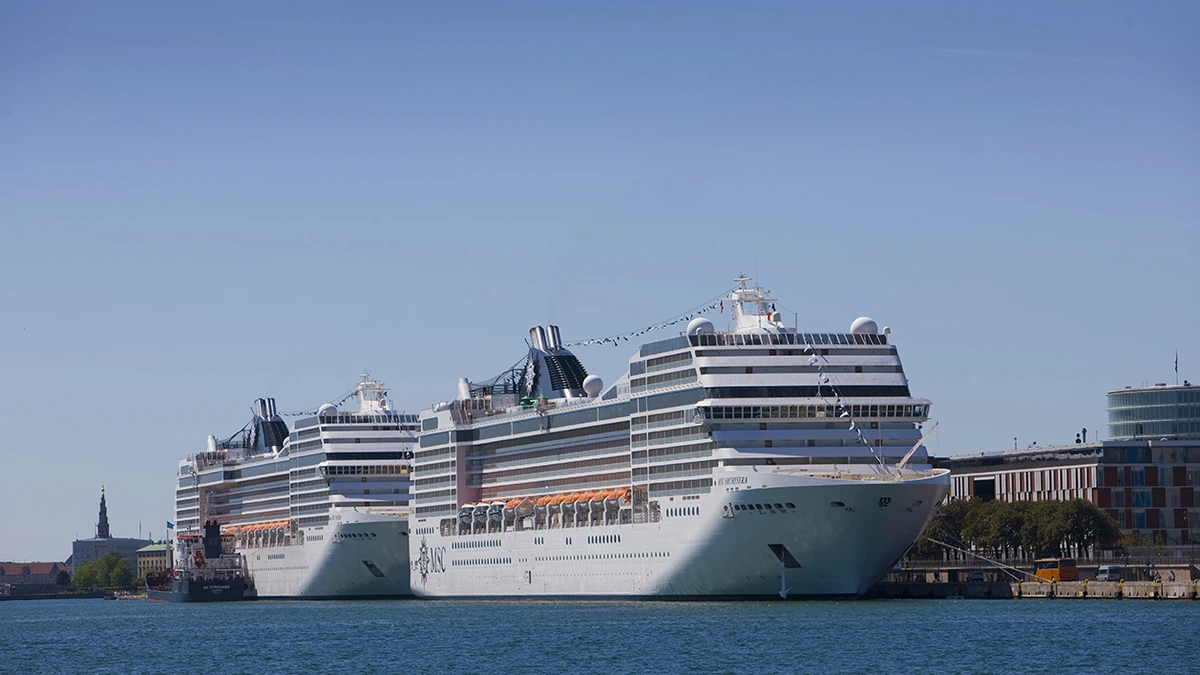
Sailing into the Copenhagen cruise port welcomes you to the undisputed capital of Scandinavian maritime travel. Famous for its historic royal palaces, iconic colourful waterfront canals, and an advanced urban culture built around bicycle lanes and sustainable living, Copenhagen represents a dream call on Baltic and Northern European itineraries. For British travellers, arriving here offers a seamless look at premium Nordic hospitality, where English is spoken universally, and the public infrastructure works with absolute, clockwork precision.
The port authority manages a highly organised system capable of processing several mega-ships simultaneously during the peak summer months. However, because Copenhagen is an expansive, spread-out capital city rather than a compact coastal village, navigating your arrival requires a clear, localised transit strategy. Local private transfer companies and taxi drivers work hard to capitalise on the physical distance separating the main industrial berths from the historic landmarks. By mastering the city’s integrated train and bus networks, you can easily bypass expensive cruise line excursions and explore the Danish capital completely on your own terms.
In this comprehensive guide, we map out the separate pier configurations, break down the localised luggage and transit networks, expose the deceptive distance traps of Baltic marketing, compare independent city loops with guided tours, and reveal the cheap public bus and metro combinations that save a fortune on travel.
At-a-Glance Port Directory
Before checking train timetables or purchasing digital city transit passes, here are the essential quick facts for your day in the Danish capital:
| Port Metric | Practical Specification |
| Port Role | Dual Role (Primary Turnaround Fly-Cruise Hub and Day-Visit Stop) |
| Arrival Method | Docked (Ships berth at Oceankaj, Langelinie, or Nordre Toldbod) |
| Local Currency | Danish Krone (DKK), though the entire capital operates on a cashless basis |
| ATM Availability | Plentiful inside the main passenger terminals and outside major city banks |
| Distance to Centre | Roughly 8 kilometres (5 miles) from the primary Oceankaj berths to the historic core |
Arrival & Pier Logistics
The marine gateway to Denmark is divided across three completely separate berthing locations, making it absolutely vital to verify your ship’s specific docking position via the official Copenhagen Port Authority Schedule before finalising your morning transit plans.
1. Oceankaj (Ocean Quay)
Oceankaj is the primary, custom-built mega-terminal facility located in the industrial Nordhavn district. It features three large, ultra-modern passenger terminals (Terminal 1, 2, and 3) engineered specifically to handle massive turnaround days where thousands of guests embark and disembark simultaneously. The terminals are fully enclosed and air-conditioned, offering clean public restrooms, tourist information desks, digital ticket machines, and automated luggage staging zones. This is where 90% of large mainstream cruise ships berth.
2. Langelinie Pier
Positioned significantly closer to the historic city centre, Langelinie serves primarily as a transit pier for mid-sized vessels on day-visit calls. The pier features a long, scenic waterfront promenade lined with local souvenir shops, cafes, and currency exchanges, allowing independent passengers to walk directly toward local city highlights without needing immediate motorised assistance.
3. Nordre Toldbod
Situated directly adjacent to the royal fountain plaza, Nordre Toldbod is a boutique berthing spot reserved for smaller, ultra-luxury cruise ships and superyachts. This elite landing point positions guests steps away from the royal palaces, providing immediate pedestrian access to the heart of the capital’s historic core.
Luggage & Drop-Off Logistics
For independent passengers using Copenhagen as an embarkation home port or terminating their itinerary here, managing heavy baggage efficiently requires an understanding of Denmark’s integrated transport network.
Copenhagen Airport (CPH) sits approximately 15 kilometres southeast of the industrial Oceankaj terminals. Travellers looking to span this distance independently can use the fast, automated subway system operated by the Copenhagen Metro. To execute this route from the airport arrivals terminal, board the M2 Metro Line and ride it directly to Kongens Nytorv station in the city centre. At Kongens Nytorv, make a flat, seamless platform transfer to the M4 Metro Line, riding it northbound to its terminus at Orientkaj Station.
From Orientkaj Station, a quick, direct 10-minute transfer via the regional public bus network drops you right outside your specific ship terminal at the pier. The entire combined journey takes roughly 40 minutes and requires a standard 3-zone public transport ticket, which costs 30 DKK per person.
If you choose to hire a private vehicle at the airport terminal rows, official metered taxis operate on a heavily regulated tariff framework. A direct one-way taxi drive from Copenhagen Airport to the Oceankaj cruise berths costs approximately 425 DKK during weekday daylight hours, rising to roughly 520 DKK during late evenings, weekends, and seasonal bank holidays.
The Turnaround Luggage Drop System: For passengers arriving at Oceankaj via private vehicles or taxi drop-offs, the port authority enforces a streamlined baggage drop process.
You can drive directly into the designated drop lanes situated outside Terminals 1, 2, and 3, where porters will pull your large suitcases straight from the vehicle boot. This zone operates on a strict drop-and-go basis to prevent port-side gridlock. If your cruise line has issued an afternoon check-in window, do not arrive early, as vehicles will be directed away from the terminal lanes by security marshals to protect fluid traffic flow.
The “Fake Port” Reality Check: The Nordhavn Industrial Wilderness Trap
When your cruise ship glides alongside the sleek concrete piers at Oceankaj, the promotional brochures distributed in your stateroom showcase images of the iconic colourful houses of Nyhavn, the grand facades of Amalienborg Palace, and the winding paths of Tivoli Gardens. Because the city skyline is clearly visible from the top decks of the ship, first-time visitors frequently fall into a major geographic illusion, assuming they can simply walk out of the port gates and stroll casually into the historic shopping quarters.
This is a deceptive and exhausting physical layout trap. The industrial Nordhavn district is a vast, active commercial shipping zone surrounded by deep-water basins, construction projects, and logistics yards.
The distance from the ship’s gangway at Oceankaj to the nearest edge of the historic city centre is a substantial 8 kilometres (5 miles). Attempting to walk out of this industrial perimeter on foot is an exhausting, dangerous mistake. The route forces pedestrians to navigate narrow access roads with heavy commercial lorry traffic, zero shade, and limited directional signage. Walking here wastes over an hour of precious sightseeing time before you even touch a historic landmark. This is a port where securing motorised transit past the industrial shipping buffer zone is non-negotiable.
Top Attractions: DIY vs. Guided Tour Showdown
Copenhagen is one of the safest, most intuitive, and most rewarding cities in the world for independent exploration, allowing budget-conscious British cruisers to experience authentic Danish culture entirely at their own pace.
The Ultimate DIY Choice: The M4 Metro & Nyhavn Boardwalk Loop
You do not need to spend £60 to £80 per person on a cruise line “Copenhagen on Your Own” coach transfer that simply secures you a seat on a standard tour bus. The capital’s historic core is beautifully flat, highly pedestrianised, and exceptionally easy to manage DIY once you cross the industrial harbour gap.
To execute a perfect independent day, bypass the expensive tour options sold on board and utilise Denmark’s world-class public transit infrastructure coordinated by Din Offentlige Transport (DOT).
The Public Metro Transit Hack: Step out of the Oceankaj terminal doors and walk less than 50 metres to the official public bus stops. Board the local Movia Public Bus 164 or Bus 25, which operate continuously every 10 to 15 minutes on heavy cruise days.
This clean, efficient bus carries you out of the industrial port zone directly to the Orientkaj Metro Station in under 10 minutes. At Orientkaj, step straight up onto the elevated platform to board the automated M4 Metro Line. The metro trains depart every 3 to 5 minutes, whispering down the coast to drop you off at Kongens Nytorv station or Rådhuspladsen (City Hall Square) in the absolute heart of downtown Copenhagen.
A standard 2-zone single ticket covers the entire integrated bus-and-metro transfer seamlessly for just 24 DKK (approximately £2.75) each way. Tickets can be purchased instantly using contactless bank cards at the pier terminal kiosks or digitally via the official DOT Tickets App before you step off the gangway.
Once downtown, you can easily walk along the picture-postcard canal boardwalk of Nyhavn, view the changing of the royal guard at Amalienborg Palace, and enjoy a coffee along the bustling Stroget shopping street completely on your own schedule.
The Guided Tour Alternative: The Castles of North Zealand
While the immediate city centre of Copenhagen is a paradise for DIY strollers using the M4 metro line, exploring the grand royal landscapes outside the metropolitan boundary is much better handled via a structured tour framework.
Booking an official cruise excursion to visit the majestic Frederiksborg Castle in Hillerød (a stunning Renaissance palace situated on three small islets on the Palace Lake) or the historic Kronborg Castle in Elsinore (the coastal fortress immortalised as Elsinore in Shakespeare’s Hamlet) requires navigating long-distance regional rail networks and synchronised bus connections. Opting for a guided coach tour ensures your entry permits are pre-arranged and guarantees your return capsule, protecting your return timeline against any unexpected rail delays on the wider Zealand network.
The Port-Side Pitfall & Value Hack
The single biggest financial trap at this destination is the Onboard Shuttle Ticket Monopoly.
On the eve of arrival in Denmark, the ship’s shore excursion team will heavily promote their private shuttle bus services into the city centre, routinely charging an extortionate £15 to £20 per person for a return ticket. They frequently emphasise the industrial complexity of the Nordhavn docks and warn of massive taxi queues, causing hundreds of anxious passengers to crowd around the onboard booking desks.
Independent holidaymakers can easily protect their budget by exploiting official digital transit products.
Instead of purchasing premium cruise line shuttle passes or standing in long queues at the physical pier ticket machines, simply use your smartphone to purchase a City Pass Small via the official DOT Digital Ticket Portal. Available for a flat rate of 80 DKK (roughly £9.00), this digital pass delivers unlimited, unrestricted travel for a full 24 hours across all public buses, harbour water taxis, regional trains, and the entire Copenhagen Metro network across Zones 1 to 4. It fully covers your outbound Movia bus 164 from the ship hull, your M4 metro links into town, any public canal buses you wish to ride during the afternoon, and your return transit link to the pier, outperforming cruise line shuttle rates while unlocking total geographical freedom.
Actionable Solo Embarkation Checklist
To guarantee a seamless, highly organised day exploring the Danish capital, integrate this specific timeline into your departure day schedule:
- Download Transit Apps Before Departure: Download the official DOT Tickets App to your smartphone while connected to your home Wi-Fi network, allowing you to buy digital City Passes instantly upon arrival without searching for local ticket machines.
- Verify Your Specific Terminal Number: Because Oceankaj features three separate terminal structures spread along a long concrete quay, verify whether your ship is using Terminal 1, 2, or 3 via the Wonderful Copenhagen Cruise Portal to ensure you step off the public bus at the correct stop.
- Observe the Cashless Policy: Denmark operates on a highly advanced, universally cashless system; do not waste money exchanging British Pounds for physical Danish Krone cash, as local public buses, metro gates, and hot dog stands strictly require contactless bank cards or smart devices.
- Track the Royal Guard Timeline: If you are exploring the city centre independently, DIY, plan your walking route to arrive at Amalienborg Palace plaza precisely at 12:00 noon to view the historic daily changing of the Royal Guard ceremony.
- Keep Hand Luggage Light for the Metro: If you are using the integrated M4 Metro link on a turnaround day, ensure your hand luggage is highly mobile and compact, as the public transit carriages can become exceptionally busy with local commuter traffic during morning rush hours.
CruisePing Port Verdict
The Copenhagen cruise port is an exceptional, world-class European gateway that perfectly rewards independent, budget-conscious British travellers who refuse to be intimidated by the scale of the industrial docks. By simply rejecting the expensive return shuttle tickets sold on board, leveraging the brilliant 80 DKK twenty-four-hour public City Pass, and using the rapid Movia bus 164 and M4 Metro combination, you can experience the breathtaking architecture, royal palaces, and historic canals of Denmark completely on your own terms.
Ready to browse our article library?
Looking for more practical cruising shortcuts? Head back to our main hub directory to explore comprehensive stateroom comparisons, tipping breakdowns, and value guides.