
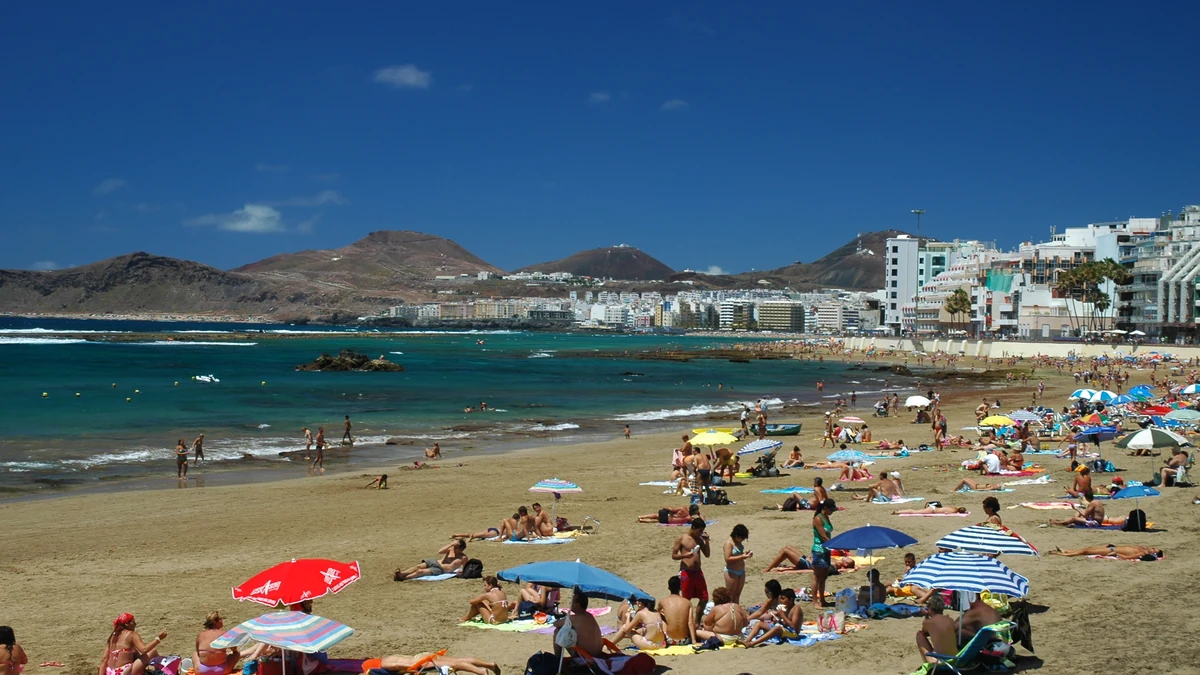
Gran Canaria cruise port is one of the better Canary Islands calls for passengers who want a real city day without committing to a long island tour. Ships dock at Las Palmas, close to the Santa Catalina and Puerto-Canteras side of the city, with Las Canteras beach unusually convenient for a cruise call.
The decision is simple but still worth making early: beach and promenade, old-town Vegueta and Triana, or a wider island excursion. Trying to do all three usually weakens the day. Las Palmas gives enough close options that you do not need to chase the south of the island unless that is your main aim.
Gran Canaria Cruise Port at a Glance
| Port name | Gran Canaria Cruise Port |
|---|---|
| Main cruise area | Puerto de la Luz / Las Palmas cruise terminal area |
| Cruise region | Canary Islands, Madeira & Azores |
| Country / Territory | Canary Islands |
| Currency | Euro (EUR) |
| Language | Spanish |
| Disembarkation | Docked |
| Typical berth | Las Palmas cruise port near Santa Catalina / Puerto-Canteras |
| Walkability | High |
| Shuttle required | No |
| Main transport options | Walking route, local bus, taxi and organised excursion |
| Best DIY option | Las Canteras beach and Santa Catalina area, or bus/taxi to Vegueta |
| Main caution | Do not overreach to distant island sights on a short city call |
Weather & Best Times to Visit Gran Canaria
January to March
Typical high: 21–23°C
Typical low: 15–17°C
Rain / note: Mild and comfortable; good for Las Canteras walks and Vegueta sightseeing.
April to June
Typical high: 22–25°C
Typical low: 16–19°C
Rain / note: Warm, dry and well suited to beach/city split days.
July to September
Typical high: 26–28°C
Typical low: 20–22°C
Rain / note: Warmest period; beach shade and hydration matter, especially away from the sea breeze.
October to December
Typical high: 22–27°C
Typical low: 17–21°C
Rain / note: Warm autumn into mild winter, with occasional showers possible.
Weather guide: CruisePing summary based on NASA POWER climate data for the Las Palmas de Gran Canaria area. Check the latest forecast.
Gran Canaria weather is kind to cruise passengers, but sun exposure can still shape the day. Las Canteras is easy because sea breeze, cafés and shade breaks are close; an inland island tour or a long Vegueta walk needs more water and a slower pace in hotter months.
Where Cruise Ships Dock in Gran Canaria
Las Palmas Cruise Port and the Port Authority identify the cruise operation around Puerto de la Luz / Las Palmas. The official Gran Canaria tourism site places Las Canteras only a few blocks from the cruise terminal, which is why this port works so well for a beach-and-city day without a shuttle.
The old town, Vegueta, is not beside the ship. It is still easy by taxi or city bus, but the day changes from a simple beach walk into a two-area city plan. Decide whether you want the port-side beach or the older historic centre first, then add the other only if the call length supports it.
Getting Around Las Palmas Independently
Walk to Las Canteras
Best for: Passengers wanting the easiest beach/promenade day.
Typical timing: From the cruise terminal area, walk towards Santa Catalina and Las Canteras, allowing extra time if your berth is farther along the port.
CruisePing view: This is CruisePing’s easiest DIY plan in Gran Canaria.
Bus or taxi to Vegueta
Best for: History-focused passengers wanting cathedral streets, museums and Triana.
Typical timing: Use Guaguas Municipales or a taxi from the port/Santa Catalina area. Allow time for the return across the city.
CruisePing view: Strong option, but better as a planned half-day than a late add-on.
City split: beach plus Vegueta
Best for: Passengers with a longer call who want both sides of Las Palmas.
Typical timing: Start with the farther target first, then finish nearer the ship at Las Canteras.
CruisePing view: Works well if you keep lunch and shopping realistic.
Island excursion
Best for: Passengers who want dunes, mountain villages, Bandama or wider scenery.
Typical timing: Use organised excursion, private taxi tour or car-hire plan.
CruisePing view: Worth it for repeat visitors; first-timers can have a strong day in Las Palmas itself.
Best Cruise-Compatible Things to Do from Gran Canaria Cruise Port
Las Canteras beach and promenade
Best for: The easiest beach day from the ship.
Best way: Walk from the cruise terminal area through Santa Catalina / Puerto-Canteras.
Watch: Choose your beach section carefully if wind or surf is stronger.
Parque Santa Catalina and port-side city
Best for: A low-risk first hour with cafés, shops and transport links.
Best way: Walk from the terminal area.
Watch: It is useful, but the best city character is either the beach promenade or Vegueta.
Vegueta and Triana
Best for: Historic streets, cathedral area, museums and old-town atmosphere.
Best way: Taxi or city bus using Guaguas Municipales information.
Watch: Do not underestimate the return if you leave this until late.
Casa de Colón / old-town museums
Best for: Culture-focused passengers who want more than beach time.
Best way: Taxi or bus to Vegueta, then walk locally.
Watch: Check current opening if the museum is the anchor.
Bandama or island viewpoints
Best for: Repeat visitors or scenery-focused passengers.
Best way: Organised excursion or private taxi tour.
Watch: Do not combine with a full beach-and-old-town day unless the call is long.
Maspalomas / south island
Best for: Passengers with a specific south-coast reason.
Best way: Organised excursion, private transfer or car-hire route.
Watch: Often too much for a first Las Palmas city call.
Walking, Heat and City Transport
Warm weather can make a two-district walking plan tiring even when the map looks manageable. Carry sun protection, build indoor breaks into the old-town route and return to the port side before the final city traffic builds.
The promenade is easy but exposed, while Vegueta introduces older paving and more concentrated streets. Use buses or taxis to remove the uninteresting distance between the two. This is particularly useful for passengers conserving energy for museums or a longer beach walk.
Short Calls and Full Days
If the ship arrives late or city traffic is heavy, release the second district rather than rushing both. Las Palmas is rewarding because each side can stand alone.
On a short call, use Las Canteras, Santa Catalina and the immediate city. The return is simple and the day can expand or contract without another transport connection. A full-day call allows a bus or taxi to Vegueta, with time for the old streets and one museum or market stop.
When an Island Excursion Is Worth It
Maspalomas and the south are a longer resort-focused commitment. For a first visit, the strongest independent value usually remains in Las Palmas. Save a broad island route for a long call or a repeat visit.
Bandama and wider island viewpoints offer a different Gran Canaria from the urban coast. They justify an organised tour or private driver when scenery is the priority, but the road time means Las Canteras and Vegueta should no longer be treated as guaranteed additions.
Las Canteras and Vegueta Are Two Different City Days
Trying to walk the full distance between the beach and old town uses time without improving the experience. CruisePing would choose one area as the main focus, then add the other only with direct transport and a generous call.
Las Canteras sits on the port side of Las Palmas and is the easiest anchor after leaving the ship. The beach, promenade and nearby Santa Catalina area suit a flexible day with little transport risk. Vegueta and Triana offer the historic-city alternative but require a deliberate bus or taxi journey across Las Palmas.
What to Skip on a Short Gran Canaria Call
Skip Maspalomas and a broad island loop when the call is short. Las Palmas already provides beach, city and heritage choices close to the ship. The distant south is better reserved for a long call or a return visit.
A Practical First-Time Sequence
This sequencing avoids the temptation to walk long urban stretches merely because both districts sit within the same city. Use transport between them and save walking for the places worth seeing.
Start on the port side with Santa Catalina and Las Canteras, then decide whether Vegueta is worth the direct bus or taxi. Passengers who care most about history can reverse the order and go straight to the old town while it is quieter, returning to the beach side for the final part of the call.
CruisePing Recommended Port Day
For most passengers, CruisePing would keep the day in Las Palmas. Walk to Las Canteras for the easy win, then add Vegueta by taxi or bus if you want history and the call is long enough. Finish near the port-side beach and Santa Catalina area so the return to the ship is simple.
If you have visited before, a private taxi tour or organised island excursion can make sense. For a first call, the city is strong enough that chasing Maspalomas or mountain viewpoints often adds cost and risk without improving the day.
DIY or Organised Excursion?
Gran Canaria is a good DIY port because Las Canteras is close and Las Palmas has usable city buses and taxis. A beach-and-city plan does not need a coach. Use official Guaguas Municipales information if travelling to Vegueta by bus, and keep a taxi fallback for the return.
Choose an organised excursion for Bandama, central island scenery, south-coast dunes or a multi-stop island tour. CruisePing would not book a generic city coach tour unless mobility support is needed, because the best close options are easy to arrange independently.
Gran Canaria Port-Day Pitfalls and Value Hacks
- Do not ignore Las Canteras just because it is close; it is the port’s easiest high-value option.
- Use Vegueta as a planned trip across the city, not a late add-on after a long beach lunch.
- Check Guaguas Municipales routes before relying on a bus back from the old town.
- Keep distant island tours for repeat visits or long calls.
- Finish the day on the Santa Catalina / Las Canteras side for a simpler return.
Gran Canaria Cruise Port Checklist
- Decide whether the day is beach, old town, split city or island excursion.
- Walk to Las Canteras early if beach time is your main aim.
- Use taxi or official city bus information for Vegueta and Triana.
- Carry sun protection even in winter; the beach promenade is exposed.
- Leave island-wide excursions to organised transport unless you know the road plan well.
Useful Official Links for Gran Canaria
These are the official or locally authoritative links worth checking before your Gran Canaria port day.
- Las Palmas Cruise Port official information
- Port of Las Palmas authority information
- Guaguas Municipales Las Palmas city buses
- Official Gran Canaria Las Canteras guide
- AEMET forecast for Las Palmas de Gran Canaria
Gran Canaria Cruise Port FAQ
Where do cruise ships dock in Gran Canaria?
Cruise ships dock in Las Palmas at Puerto de la Luz, close to the Santa Catalina and Puerto-Canteras side of the city.
Can you walk to the beach from Gran Canaria cruise port?
Yes, Las Canteras is one of the easiest major beaches to reach from a Canary Islands cruise berth, although the exact walk depends on your berth position.
Is Vegueta walkable from the cruise port?
It is better by bus or taxi for most passengers. Vegueta is across the city from the port-side beach area, so treat it as a planned transfer.
Is Gran Canaria a good DIY cruise port?
Yes. Las Canteras, Santa Catalina and Vegueta make strong independent options. Organised excursions are more useful for island scenery beyond Las Palmas.
CruisePing Port Verdict
Gran Canaria is one of the easiest Canary Islands ports to enjoy independently. CruisePing would use Las Canteras as the low-risk anchor, add Vegueta if time allows, and save distant island tours for repeat visitors or long calls. The best value is close to the ship; do not make the day harder than it needs to be.
Ready to browse our article library?
Looking beyond Gran Canaria? Explore more ports in the Canary Islands, Madeira & Azores region, or narrow it to Canary Islands in particular. For cruise comparisons, planning shortcuts and value guides, head over to our main article archive.