
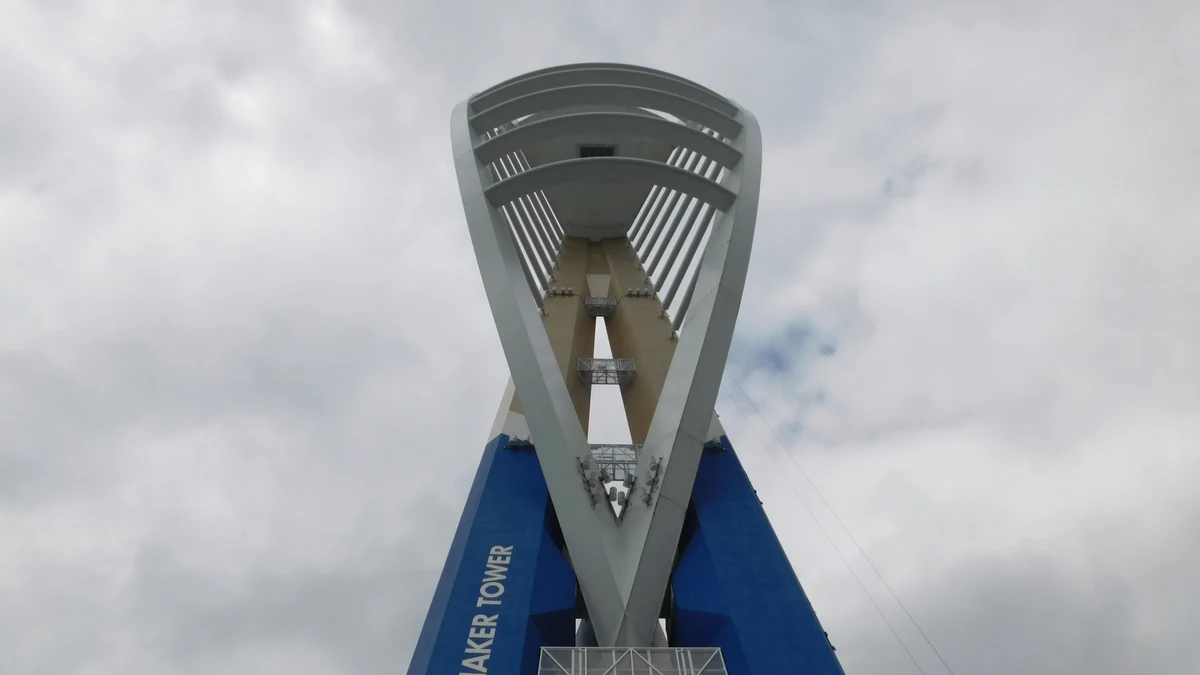
Portsmouth cruise port works differently from the picture many first-time passengers have in mind. The city’s best-known visitor sights sit around the Historic Dockyard, Gunwharf Quays and the Spinnaker Tower, while cruise embarkation and many calls use Portsmouth International Port farther north on the harbour approach.
That split shapes the day. Portsmouth can be a useful pre-sail city, a compact maritime-history stop or a practical departure port, but it is not a roll-off-the-ship-and-you-are-in-the-dockyard call. The strongest plan is to decide whether you are treating the day as sightseeing, boarding logistics or a short waterfront add-on before you commit your luggage, parking and taxi timing.
Portsmouth Cruise Port at a Glance
| Port name | Portsmouth Cruise Port |
|---|---|
| Main cruise area | Portsmouth International Port, north of the Historic Dockyard and Gunwharf Quays |
| Cruise region | UK & Ireland |
| Country / Territory | England |
| Currency | British pound (GBP) |
| Language | English |
| Disembarkation | Docked |
| Typical berth | Cruise ships use Portsmouth International Port rather than the Historic Dockyard waterfront |
| Walkability | Medium: the terminal itself is practical, but the main visitor waterfront is a taxi, bus or longer walk away |
| Shuttle required | Sometimes: cruise lines may provide transfers, but independent taxis and buses are useful |
| Main transport options | Walking route, taxi, local bus, train, cruise shuttle and organised excursion |
| Best DIY option | Historic Dockyard, Gunwharf Quays and Spinnaker Tower with a controlled taxi or bus link |
| Main caution | Do not confuse the cruise terminal with the visitor waterfront around the Historic Dockyard |
Weather & Best Times to Visit Portsmouth
January to March
Typical high: 8–11°C
Typical low: 3–5°C
Rain / note: Cool, often breezy harbour weather; indoor dockyard attractions are useful if rain arrives.
April to June
Typical high: 12–19°C
Typical low: 6–11°C
Rain / note: Milder and better for waterfront walking between the Historic Dockyard, Gunwharf Quays and Old Portsmouth.
July to September
Typical high: 20–22°C
Typical low: 13–15°C
Rain / note: Warmest period, usually comfortable for a pre-sail walk, though sun and wind can both affect exposed harbour viewpoints.
October to December
Typical high: 9–16°C
Typical low: 4–10°C
Rain / note: Changeable, with shorter daylight and more reason to keep boarding-day sightseeing close to the port.
Weather guide: CruisePing summary based on NASA POWER climate data for the Portsmouth harbour area. Check the latest forecast.
Weather changes the value of Portsmouth’s visitor waterfront more than the port transfer itself. In heavy rain, the Historic Dockyard is the stronger choice because HMS Victory, Mary Rose and several museum spaces keep the day productive; in clear weather, the Spinnaker Tower and the Old Portsmouth waterfront deserve earlier attention before boarding or shuttle windows close.
Where Cruise Ships Dock in Portsmouth
Portsmouth International Port gives cruise passengers a modern passenger terminal, long-stay parking and direct road access from the M275. The official port directions point drivers to PO2 8SP and the port’s own coordinates, which is helpful because simply searching for Portsmouth waterfront can send visitors towards Gunwharf Quays or the Historic Dockyard instead of the cruise terminal.
The official port parking information describes a long-stay multi-storey car park open around the clock and only a few minutes’ walk from the terminal building. That is a real advantage on a departure day, but it also means the terminal area is designed around boarding, ferry and cruise movement rather than relaxed city wandering. Treat the terminal as a logistics base first, then plan the sightseeing leg separately.
For a day call, your cruise line may run a shuttle or recommend taxis. For a departure or turnaround day, the practical question is usually luggage: sightseeing before check-in is much easier if your hotel, car park or cruise line lets you control bags early. Without that, even an attractive waterfront route becomes awkward because the best sights are not beside the terminal doors.
Getting from Portsmouth Cruise Port to the Visitor Waterfront
The key Portsmouth transfer is short by road but important in planning terms. The cruise terminal is north of the visitor waterfront, while the Historic Dockyard, Gunwharf Quays, Spinnaker Tower and Portsmouth Harbour rail station sit together around the better-known harbour frontage. Most passengers should not build the day around walking this whole transfer with luggage.
If you are boarding a ship, the cleanest approach is to separate arrival, baggage and sightseeing. Drive or transfer to the port, deal with the boarding or parking requirement, then use a taxi or shuttle for any spare-time waterfront visit. If you arrive by rail, Portsmouth Harbour station is ideal for the dockyard and Gunwharf Quays but not the same as arriving at the cruise terminal.
Taxi or cruise transfer to the Historic Dockyard / Gunwharf Quays
Best for: Passengers who want the simplest link between the terminal and the main visitor waterfront.
Typical timing: Allow roughly 10–20 minutes by road in normal conditions, plus waiting time at the terminal or attraction end.
CruisePing view: CruisePing would use this for most pre-sail sightseeing because it keeps luggage and boarding timing under control.
Local bus / rail-linked city plan
Best for: Passengers already arriving via Portsmouth & Southsea or Portsmouth Harbour stations.
Typical timing: Build the day around the rail station area, then take a final taxi or bus leg to the terminal rather than carrying bags across the city.
CruisePing view: Good value for confident independent travellers, but weak if you have heavy luggage or a tight boarding window.
Walking-heavy harbour day
Best for: Fit passengers on a long day call who want Old Portsmouth, Gunwharf Quays and the dockyard rather than wider city travel.
Typical timing: The visitor waterfront itself is walkable, but the terminal-to-waterfront leg is the part to judge carefully.
CruisePing view: Keep walking for the attraction area, not for a baggage-heavy transfer from the cruise terminal.
The best Portsmouth day is not complicated; it is simply easy to start in the wrong place. CruisePing would make the first confirmed point either the cruise terminal, the official car park or Portsmouth Harbour station, then plan a single sightseeing cluster from there.
If the ship is sailing late and boarding is relaxed, a half-day at the Historic Dockyard plus Spinnaker Tower is realistic. If your boarding window is narrow, choose one dockyard attraction or a waterfront lunch rather than trying to combine museums, shopping, tower views and Southsea.
Portsmouth Walkability and Mobility Reality Check
Portsmouth’s visitor waterfront is fairly compact once you are around the Historic Dockyard and Gunwharf Quays, but the cruise terminal location weakens the idea of a pure walking day. Passengers with limited mobility should plan a vehicle transfer between the terminal and the waterfront rather than relying on a long approach walk.
The Historic Dockyard itself involves old surfaces, ramps, ship access and museum layouts that vary by attraction. Spinnaker Tower access is a different proposition from climbing around historic vessels, so the right mobility plan depends on the attraction you choose. For a calm pre-sail day, a taxi to Gunwharf Quays, a tower visit and a short waterfront stroll is less demanding than a full multi-ship dockyard itinerary.
Best Cruise-Compatible Things to Do from Portsmouth Cruise Port
Portsmouth Historic Dockyard
Best for: A concentrated maritime-history day with HMS Victory, Mary Rose and naval heritage close together.
Best way: Taxi, shuttle or rail to Portsmouth Harbour, then walking inside the dockyard area.
Watch: Do not assume one ticket or one morning is enough for everything; choose the ships or museums that matter most.
Spinnaker Tower
Best for: Harbour views and an easy visual landmark for first-time visitors.
Best way: Taxi or rail-linked visit to Gunwharf Quays, then a short walk.
Watch: Cloud, rain and boarding time affect value; book or time it sensibly if your cruise window is short.
Gunwharf Quays
Best for: Food, shopping and an easy pre-sail meeting point near the harbour station.
Best way: Taxi from the cruise terminal or rail to Portsmouth Harbour.
Watch: Useful with luggage only if you have storage or a controlled onward transfer.
Old Portsmouth and the Hotwalls
Best for: A gentler waterfront walk with harbour views and older streets.
Best way: Best added after Gunwharf Quays or the dockyard on foot.
Watch: Less suitable if the weather is rough or you need to return to the terminal quickly.
Southsea seafront
Best for: A wider city add-on for repeat visitors or overnight stays.
Best way: Taxi or bus from the harbour area.
Watch: Too spread out for a rushed boarding day unless you deliberately skip the dockyard.
Portsmouth pre-sail overnight
Best for: Passengers who want a relaxed start before boarding.
Best way: Stay near the harbour or port depending on whether sightseeing or terminal access matters more.
Watch: A waterfront hotel is better for sights; a port-side plan is better for simple morning boarding.
How to Use Portsmouth Without Letting Logistics Eat the Day
Portsmouth asks passengers to choose between two useful versions of the city. The first is maritime Portsmouth: Historic Dockyard, Gunwharf Quays, Spinnaker Tower and the harbour station. The second is cruise Portsmouth: terminal access, parking, boarding, baggage and a clean route onto the ship. Trying to make both versions feel effortless is where the day starts to fray.
For a day call, the visitor version should win. Go straight to the dockyard and Gunwharf cluster, add Spinnaker Tower if visibility is good, and leave Southsea for a longer visit. For an embarkation day, the logistics version should win. Park or arrive at the terminal first, then make any extra sightseeing a controlled add-on rather than the main event.
Portsmouth is also a strong overnight-before-cruise city if you enjoy maritime history. A hotel near the harbour gives you a better evening than sitting beside the terminal, but you still need a morning transfer plan. A hotel closer to the port reduces moving parts on sailing day but is less satisfying if you want to walk out for attractions.
A useful way to test a Portsmouth plan is to ask where you want to be one hour before you need to enter the terminal. If the answer is still inside the Mary Rose, high in Spinnaker Tower or sitting down for food at Gunwharf Quays, the plan is too tight unless you have a late boarding window. Portsmouth’s attractions are close to each other, but check-in is not inside the same visitor zone.
Repeat visitors can make Portsmouth easier by skipping the headline dockyard attractions and using the harbour area more lightly. A coffee or lunch stop at Gunwharf, a tower visit if the sky is clear, and a taxi back to the port may be a better pre-sail choice than trying to extract full value from a multi-attraction dockyard ticket.
CruisePing Recommended Port Day
For most first-time cruise passengers, CruisePing would build Portsmouth around the Historic Dockyard and Gunwharf Quays cluster, using a taxi, shuttle or rail-linked transfer rather than trying to walk from the cruise terminal. Add Spinnaker Tower if the weather is clear and the boarding or return time is comfortable.
On a departure day, prioritise the terminal, parking and luggage first. If you have spare time afterwards, make it a one-stop plan: either the dockyard or Gunwharf Quays, not a sprawling city circuit. On a day call, the dockyard is the best-quality DIY choice because it gives a distinctive Portsmouth experience without depending on a long excursion.
DIY or Organised Excursion in Portsmouth?
Portsmouth is a strong DIY port once transport from the terminal is solved. The official visitor attractions are close together around the harbour, English is the local language, payment is straightforward, and taxis or shuttles remove the least attractive walking leg. Paying for a standard city tour is rarely necessary if your priority is the dockyard, tower and harbour.
An organised excursion can make sense if your cruise line offers a wider Hampshire or naval-history tour that includes timed attraction entry and a direct return. It may also help passengers with limited mobility who want door-to-door movement. CruisePing would not pay for a generic panoramic tour unless it solves a specific problem such as luggage, access or a short call.
For independent passengers, the value choice is simple: spend money on the transfer, not on unnecessary packaging. A controlled taxi to the dockyard area usually improves the day more than saving a small amount and losing time on a less direct route.
Portsmouth Pitfalls and Value Hacks
The common Portsmouth mistakes are practical rather than dramatic. They usually involve starting from the wrong station, assuming the terminal is beside the visitor waterfront, or trying to sightsee with luggage that should have been dealt with first.
- Use the official Portsmouth International Port address or coordinates for the cruise terminal, not a generic Portsmouth harbour search.
- If arriving by train, remember that Portsmouth Harbour station is excellent for the dockyard but still needs a final transfer to the cruise terminal.
- On embarkation day, sort parking and luggage before committing to a waterfront walk.
- Choose between Historic Dockyard depth and a lighter Gunwharf / Spinnaker visit; do not try to see every naval attraction in a spare hour.
- In poor weather, favour the indoor dockyard attractions over exposed harbour wandering.
Portsmouth Cruise Port Checklist
- Confirm whether your sailing uses Portsmouth International Port and note the official PO2 8SP terminal location.
- Book or check long-stay parking if you are driving to the port.
- Decide whether your pre-sail time is for the Historic Dockyard, Spinnaker Tower or simply a waterfront meal.
- Use Portsmouth Harbour station for the dockyard and Gunwharf area, but plan the separate terminal transfer.
- Allow extra time for luggage, parking lifts, terminal security and any taxi wait.
- Keep a wet-weather version of the day focused on indoor dockyard sights.
Useful Official Links for Portsmouth
For Portsmouth, the most useful current-information links are the port pages for arrival logistics and the official attraction pages around the harbour visitor cluster.
- Portsmouth International Port parking information
- Portsmouth International Port directions and terminal location
- Visit Portsmouth official visitor information
- Portsmouth Historic Dockyard visitor information
- Spinnaker Tower official visitor information
- Met Office Portsmouth forecast
Portsmouth Cruise Port FAQs
Is Portsmouth cruise port next to the Historic Dockyard?
No. Portsmouth International Port is north of the main visitor waterfront. The Historic Dockyard, Gunwharf Quays and Spinnaker Tower sit closer to Portsmouth Harbour station, so most cruise passengers should use a taxi, shuttle or planned transfer between the terminal and the sights.
Is Portsmouth a good DIY cruise port?
Yes, if you solve the terminal-to-waterfront link. The dockyard and Gunwharf area are easy to organise independently, but the cruise terminal location means a pure walking plan is not the best default.
What should I do before boarding in Portsmouth?
Deal with luggage and parking first, then choose one compact sightseeing cluster. Historic Dockyard is best for a longer spare window; Gunwharf Quays and Spinnaker Tower work better for a lighter pre-sail visit.
Do I need cash in Portsmouth?
Cards are widely usable in Portsmouth, but a small backup payment method is sensible for taxis, tips or unexpected transport changes.
CruisePing Port Verdict
Portsmouth is a practical UK cruise port with better sightseeing than many departure points, but the good stuff is not immediately outside the terminal. Treat the port and the visitor waterfront as two connected zones rather than one walkable place.
CruisePing would do Portsmouth independently, using a taxi, shuttle or rail-linked transfer to make the Historic Dockyard and Gunwharf area easy. On boarding day, protect the luggage and parking plan first; on a day call, give the dockyard enough time to be worthwhile.
Ready to browse our article library?
Looking beyond Portsmouth? Explore more ports in the British Isles region, or narrow it to England in particular. For cruise comparisons, planning shortcuts and value guides, head over to our main article archive.