
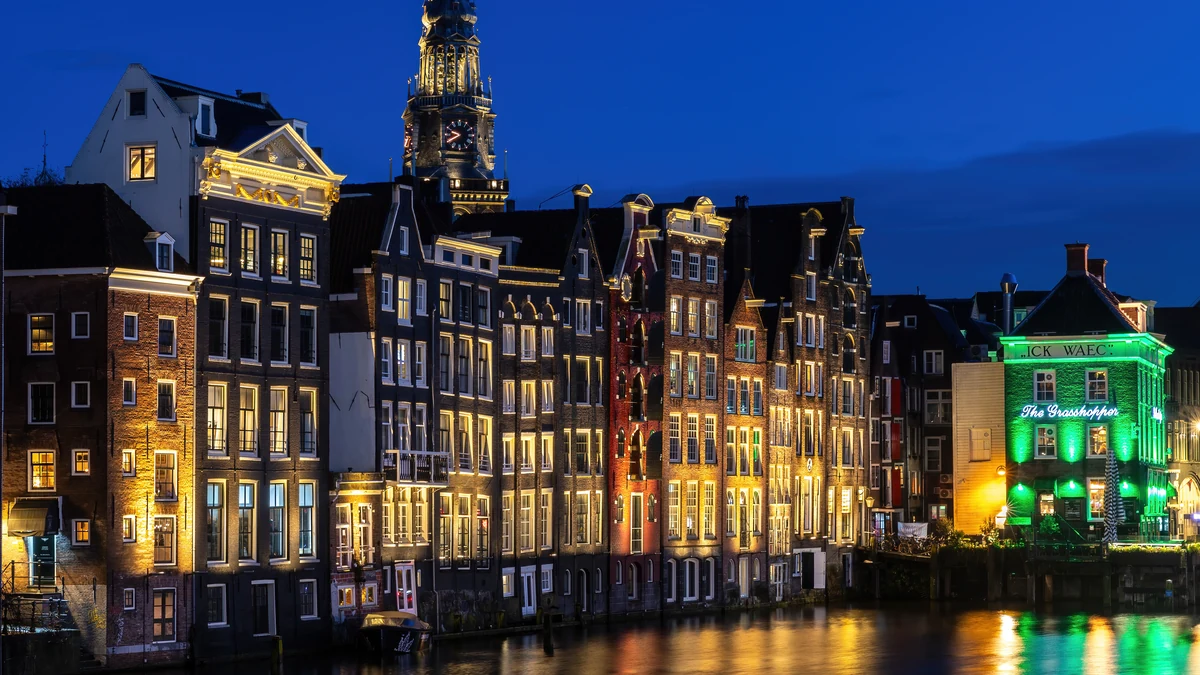
Amsterdam cruise port can be one of the easiest city calls in Northern Europe when your ship uses the Passenger Terminal Amsterdam on the IJ. The terminal sits close enough to the centre for many passengers to walk, tram or taxi into the canal belt without turning the day into a transport project.
The planning wrinkle is IJmuiden. Some Amsterdam-listed cruise calls use the seaport at IJmuiden instead, which changes the day from a city-edge arrival into a transfer-first plan. Check your cruise line’s berth information before building the day around a short walk to Centraal Station.
Amsterdam Cruise Port at a Glance
| Port name | Amsterdam Cruise Port |
|---|---|
| Main cruise area | Passenger Terminal Amsterdam on the IJ; some calls may use IJmuiden |
| Cruise region | Northern Europe & Baltic |
| Country / Territory | Netherlands |
| Currency | Euro (EUR) |
| Language | Dutch |
| Disembarkation | Usually docked |
| Typical berth | Passenger Terminal Amsterdam, with IJmuiden possible on some itineraries |
| Walkability | High from Passenger Terminal Amsterdam; low from IJmuiden |
| Shuttle required | Sometimes |
| Main transport options | Walking route, tram, train, ferry, taxi and organised excursion |
| Best DIY option | Canal-belt and museum-area day from the city terminal |
| Main caution | Do not assume an Amsterdam-listed call means the ship is beside the city centre |
Weather & Best Times to Visit Amsterdam
January to March
Typical high: 5–10°C
Typical low: 0–4°C
Rain / note: Cold, damp and often windy; indoor museums and short canal-belt walks are the stronger choices.
April to June
Typical high: 12–20°C
Typical low: 4–11°C
Rain / note: Spring improves walking conditions, but showers can still interrupt long outdoor routes.
July to September
Typical high: 18–23°C
Typical low: 11–15°C
Rain / note: Generally the easiest cruise season for walking, canal cruises and terrace breaks.
October to December
Typical high: 6–15°C
Typical low: 2–9°C
Rain / note: Cooler, darker and wetter; keep the day compact and avoid overbuilding a walking route.
Weather guide: CruisePing summary based on NASA POWER climate data for the Amsterdam area. Check the latest forecast.
Rain matters most if your plan depends on long canal-belt wandering or cycling-style sightseeing. The Rijksmuseum, Van Gogh Museum and Anne Frank House area are better anchor points on a wet day than trying to stretch from the port through several neighbourhoods on foot.
Where Cruise Ships Dock in Amsterdam
The city terminal is Passenger Terminal Amsterdam, on the IJ waterfront east of Amsterdam Centraal. Cruise Port Amsterdam describes it as being within walking reach of the city centre, with tram, train, taxi and boat connections close by. For many passengers this makes Amsterdam a strong independent port when the ship is actually at the city terminal.
IJmuiden is different. Cruise Port IJmuiden notes that cruise ships may use terminals near the coast, and that IJmuiden has no railway station. That usually means a coach transfer, taxi, organised excursion or a bus-and-rail combination through surrounding towns before you reach central Amsterdam. It can still be a good port day, but it is no longer the easy walk-off Amsterdam version.
Getting Around Amsterdam Independently
From Passenger Terminal Amsterdam, the simplest plans are walking west towards Centraal Station, using tram 26 from the Muziekgebouw/Bimhuis area, taking a taxi, or joining a canal-boat departure that fits your timing. Walking suits passengers who want the station area, Damrak, the eastern canal belt and a low-cost city day. The tram is useful if you prefer to save steps at the start or end.
Amsterdam rewards advance attraction choices. The Anne Frank House, Van Gogh Museum and Rijksmuseum are not interchangeable walk-up stops on a busy cruise day. Treat them as timed or pre-booked anchors, then build canal walking around them. A canal cruise can be a good mid-day reset because it reduces walking while still giving a strong sense of the city.
If Your Ship Uses IJmuiden Instead
Cruise-line or port transfer to Amsterdam
Best for: Passengers who want the lowest-friction route into the city.
Typical timing: Allow the coach leg plus loading time, then city traffic at the Amsterdam end. The total day can feel much longer than the map suggests.
CruisePing view: Use the official transfer where timing is tight or the ship call is short. It reduces the risk of misreading local bus and rail connections.
Taxi or private transfer
Best for: Small groups who want control over departure and return times.
Typical timing: Expect a longer coastal-to-city transfer rather than a city-terminal hop. Confirm the return pick-up before leaving IJmuiden.
CruisePing view: A private transfer can make sense if several passengers share the cost and want to avoid a multi-leg public-transport day.
Bus and rail via nearby towns
Best for: Confident independent passengers on a long call.
Typical timing: Plan for a bus leg from IJmuiden to a rail connection, then the train into Amsterdam, plus the same in reverse.
CruisePing view: CruisePing would only use this on a generous port day after checking the same-day timetable and leaving a serious return buffer.
Best Cruise-Compatible Things to Do from Amsterdam Cruise Port
Canal belt walk and boat trip
Best for: First-time visitors who want classic Amsterdam without overloading the day.
Best way: Walk or tram from the city terminal, then use a canal cruise as the structured centre of the visit.
Watch: Book the canal cruise and return route around your ship time, especially if the berth is IJmuiden.
Rijksmuseum and Museumplein
Best for: Art, design and a more focused cultural day.
Best way: Taxi, tram and walking combinations all work from the city terminal; pre-book the museum where needed.
Watch: Do not add several major museums unless your call is long and you already have timed entries.
Anne Frank House area and Jordaan
Best for: Passengers who want a historical and neighbourhood-based route.
Best way: Pre-book where required, then keep nearby walking time in the Jordaan and western canal belt.
Watch: The area is popular and narrow; treat timing and crowding as part of the plan.
Amsterdam Centraal, Damrak and old centre
Best for: A lower-effort introduction close to the port.
Best way: Walk or tram to the station area, then explore nearby streets, churches, squares and canal views.
Watch: It is easy to drift too far; note your return route before leaving the central area.
Zaanse Schans or countryside excursion
Best for: Repeat visitors or passengers who prefer windmills and countryside to the city centre.
Best way: Better as an organised excursion or carefully planned transfer from IJmuiden or PTA.
Watch: Do not bolt this onto a first-time Amsterdam city day unless your call is very long.
How to Build the Day from Passenger Terminal Amsterdam
A city-terminal Amsterdam call works best when you avoid treating the whole centre as one large walk. The port puts you on the IJ, not in the middle of the canal belt, so the first decision is whether to spend energy walking in, save steps with tram 26, or take a taxi to the attraction that matters most. Walking is satisfying in good weather, but it can use up more of the day than expected before the main sightseeing has begun.
Best low-risk city-terminal route
The lowest-risk version is to make Amsterdam Centraal and the nearby canal belt your first orientation point. From there, you can choose Damrak and the old centre, a canal cruise, or a westward move towards the Jordaan. This route suits passengers who want Amsterdam atmosphere more than a checklist of major attractions. It also gives you several easy places to stop if rain starts or if the streets are busier than expected.
For many cruise passengers, a canal cruise is not a compromise. It is a pacing tool. You see the gabled houses and waterways without turning the day into hours of pavement walking, and it gives structure to a port where wandering can otherwise spread too wide. Choose a departure point and time that leaves a clean route back to the ship rather than grabbing the first boat you see.
When to centre the day on museums
Museumplein is the better choice if the Rijksmuseum or Van Gogh Museum is your main reason for coming. In that case, do not drift slowly through the old centre first and hope to fit a major museum later. Go to the museum area deliberately, keep the ticket timing realistic, then use the remaining time for a smaller canal walk or café stop. The more specific your museum plan, the less stressful Amsterdam becomes.
The Anne Frank House area needs the same discipline. It sits well with the Jordaan and western canal belt, but it does not pair comfortably with every other major sight unless your call is long and your tickets are secure. If that area is the priority, make it the anchor and resist the temptation to add Museumplein and a countryside stop.
How IJmuiden changes the calculation
If your ship is at IJmuiden, start again. The city-terminal logic no longer applies. A day that felt easy from PTA becomes a transfer into Amsterdam before sightseeing can begin. That does not make Amsterdam a poor choice, but it does mean you should reduce the number of attractions and protect the return more deliberately.
From IJmuiden, CruisePing would normally choose either a ship-managed transfer into Amsterdam with one clear city priority, or a private transfer for a small group that wants tighter control over timing. The public-transport route can be good value for confident travellers, but only if the day is long enough to absorb a missed connection or slower-than-expected bus leg at the coast.
Short Calls, Repeat Visits and Bad-Weather Plans
On a short PTA call, keep to the eastern and central canal belt, a short canal cruise, or the station-to-Damrak area. Do not use a short call to chase both Museumplein and the Jordaan unless you have a specific reason and transport already planned. On a repeat visit, choose one neighbourhood such as the Jordaan, De Pijp or the museum area and let the rest go.
In wet or windy weather, the strongest Amsterdam day is usually one indoor anchor plus a shorter canal route. The Rijksmuseum, Van Gogh Museum, a booked canal cruise or a church/museum stop will serve you better than trying to prove the city is walkable. Amsterdam is good DIY because it gives you choices, not because you need to cover all of them.
CruisePing Recommended Port Day
From Passenger Terminal Amsterdam, the best first-time plan is a compact city day: tram or walk towards Centraal, choose one major anchor such as a canal cruise, Rijksmuseum or Anne Frank House area, then leave time for canal-side wandering rather than racing across the city. CruisePing would keep this DIY for most reasonably mobile passengers.
From IJmuiden, the recommendation changes. A cruise-line transfer, port transfer or private transfer is usually the cleaner choice if Amsterdam itself is the goal. Independent public transport can work, but it turns the day into a route-management exercise before the sightseeing has even begun.
DIY or Organised Excursion?
Amsterdam from the city terminal is a strong DIY port because the waterfront, station area, tram network and main visitor districts are close enough to make independent planning realistic. Use organised excursions only if you want a guide, a museum-heavy itinerary, countryside beyond the city, or a transfer from IJmuiden with ship-protected timing.
The weak DIY version is trying to combine IJmuiden, public transport, a major museum, a canal cruise and relaxed city wandering without enough slack. If the ship is not at PTA, pay for the simpler transfer unless you actively enjoy transport planning.
Amsterdam Port-Day Pitfalls and Value Hacks
- Check whether your itinerary says Passenger Terminal Amsterdam or IJmuiden before planning a walk-off city day.
- Pre-book high-demand attractions rather than hoping to fit them around arrival queues.
- Use tram 26 or a taxi to save steps if your day already includes museum walking.
- Do not treat a canal cruise as a filler activity; it can be the best low-effort way to see the city on a damp day.
Taxi, Luggage and Turnaround Notes
Amsterdam can also appear as the start or end of a cruise. If you are embarking, disembarking or staying overnight, keep luggage out of the sightseeing plan. Passenger Terminal Amsterdam is close to the centre, but dragging bags into canal streets or museum queues quickly becomes awkward. Use hotel storage, station lockers where suitable, or a direct taxi plan before treating the day as sightseeing time.
For a day call, taxis are most useful for targeted moves rather than a full tour: PTA to Museumplein, a return from the Jordaan in rain, or a transfer back when the group has walked enough. Agree the destination clearly and allow for city traffic near the station and waterfront. If you are at IJmuiden, a taxi becomes a transfer decision rather than a short city hop, so confirm the return fare and pick-up before leaving the port area.
Amsterdam Cruise Port Checklist
- Confirm your actual berth: Passenger Terminal Amsterdam and IJmuiden create very different days.
- Choose one anchor: canal cruise, Rijksmuseum, Anne Frank House area, Jordaan or a countryside excursion.
- Check GVB transport information if using the tram from the Muziekgebouw/Bimhuis stop.
- Leave extra return time if your ship is at IJmuiden or if your plan involves a taxi across the city.
- Carry a payment card that works locally; Amsterdam is strongly card-friendly but small exceptions can still occur.
Useful Official Links for Amsterdam
These are the official or locally authoritative links worth checking before your Amsterdam port day.
- Cruise Port Amsterdam passenger terminal information
- Passenger Terminal Amsterdam access and tram information
- Cruise Port IJmuiden terminal and access information
- GVB Amsterdam public transport information
- I amsterdam official visitor guide
- KNMI Netherlands weather forecast
Amsterdam Cruise Port FAQs
Where do cruise ships dock in Amsterdam?
Many ships use Passenger Terminal Amsterdam on the IJ, close to the city centre. Some Amsterdam-listed calls use IJmuiden instead, so check your cruise line’s berth information before planning transport.
Can you walk from Amsterdam cruise port to the city centre?
From Passenger Terminal Amsterdam, many reasonably mobile passengers can walk towards Centraal Station and the old centre. From IJmuiden, walking into Amsterdam is not realistic.
Is Amsterdam a good DIY cruise port?
Yes, when the ship is at Passenger Terminal Amsterdam. From IJmuiden, DIY is still possible for confident travellers, but a transfer or excursion is often the cleaner choice.
What should I book in advance in Amsterdam?
Pre-book high-demand museums, the Anne Frank House where relevant, and any canal cruise or countryside trip that needs a fixed time.
CruisePing Port Verdict
Amsterdam is excellent as a DIY cruise port when the ship is at Passenger Terminal Amsterdam. The city terminal supports a sensible day built around one museum, a canal cruise or a canal-belt walking route. IJmuiden is the caution: it can still deliver Amsterdam, but the transfer becomes the day’s first planning decision. Confirm the berth, choose one main target and do not pretend both Amsterdam versions work the same way.
Ready to browse our article library?
Looking beyond Amsterdam? Explore more ports in the Northern Europe & Baltic region, or narrow it to Netherlands in particular. For cruise comparisons, planning shortcuts and value guides, head over to our main article archive.