
Logo: Fred. Olsen Cruise Lines logo supplied via Iglu Cruise
CruisePing verdict
Choose Fred. Olsen when the itinerary uses the ships intelligently and you enjoy traditional, sociable cruising; do not pay a premium merely for the phrase smaller ship.
Fred. Olsen Cruise Lines at a Glance
| Line type | Ocean cruise line |
|---|---|
| Founded | 1848 maritime roots |
| Parent company | Fred. Olsen Ltd |
| Headquarters | Ipswich, United Kingdom |
| Current fleet | 3 ships |
| Primary markets | United Kingdom, with departures from several regional UK ports and selected fly-cruises. |
| Passenger orientation | Varies by ship |
| Formality | Traditional |
| Typical ship scale | medium |
| Typical fare level | Premium |
| UK departures | Regular |
Best suited to
Adults and solo travellers who value imaginative itineraries, regional UK departures, traditional dining and ships far smaller than modern mega-ships.
Think carefully if
Families wanting children’s clubs, passengers wanting flexible dining and resort attractions, or travellers expecting a new-build all-inclusive product.
Fred. Olsen Cruise Lines offers a form of British cruising that has become increasingly unusual. Its three ships carry between 1,250 and 1,353 guests – far fewer than the newest mainstream resort ships – and the company builds itineraries around scenic waterways, regional UK departures and time in port rather than around waterparks or branded attractions.
The current Fred. Olsen fleet comprises Bolette, Borealis and Balmoral. The company calls them smaller ships; in modern industry terms they sit at the lower end of medium-sized. That distinction matters. They can reach places and berth locations denied to some larger vessels, but they are not boutique yachts, and popular lounges, dining rooms and tender operations can still become busy.
What Fred. Olsen does especially well
The strongest reason to choose Fred. Olsen is usually the itinerary. The line has long experience of Norwegian fjords, Arctic routes, British islands, river approaches and longer voyages from the UK. Its planners frequently use the dimensions and manoeuvrability of the ships to create scenic cruising or calls that would be awkward for a much larger vessel.
This advantage should be judged voyage by voyage. A smaller ship cannot make an ordinary itinerary exceptional, and weather or port restrictions can still change plans. CruisePing would pay a premium where the route makes clear use of narrow waterways, central berths or carefully timed scenic passages; it would be less willing to pay more for a routine sequence of large Mediterranean ports.
The onboard atmosphere also suits passengers who like recognisable rooms and repeated routines. There are proper promenade and open-deck areas, observation lounges, theatres, libraries and fixed dining tables. Crew and passengers see one another regularly, which can make a longer voyage feel sociable rather than anonymous.
The fleet is traditional, but not identical
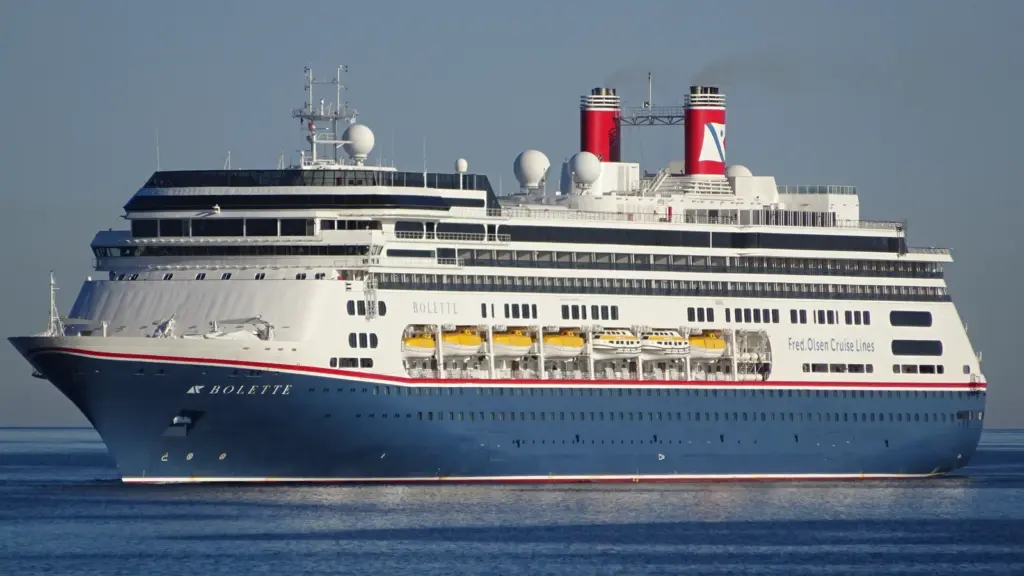
Bolette is the flagship and the largest ship by tonnage. She has the broadest sense of space, two pools, substantial lounges and the strongest all-round case for a first Fred. Olsen cruise.
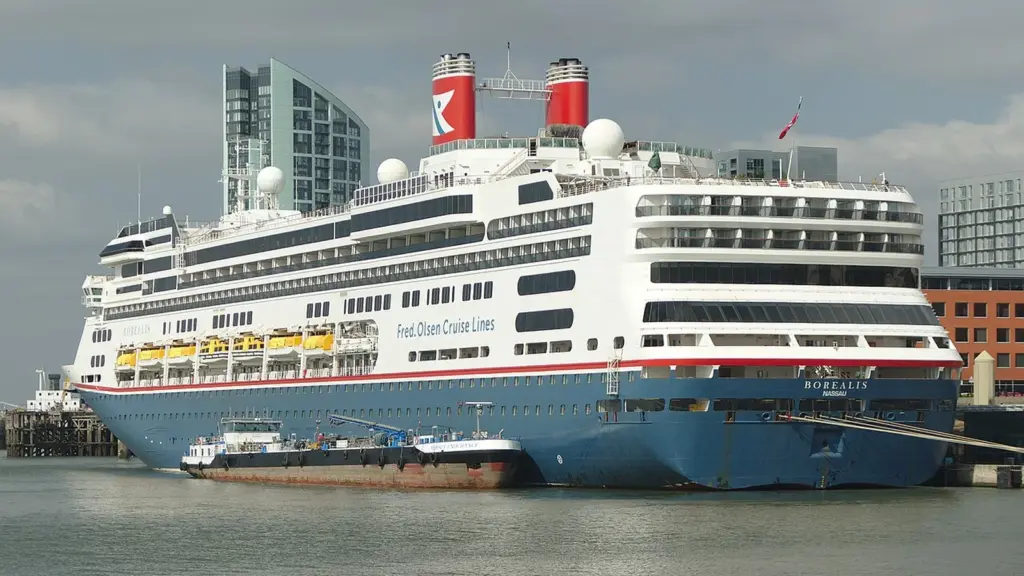
Borealis is Bolette’s close sister but now operates as the line’s adults-only ship. That changes the passenger mix more than small differences in restaurants or cabin count. She is the clearest choice for couples, friends and solo travellers who want a guaranteed child-free sailing.
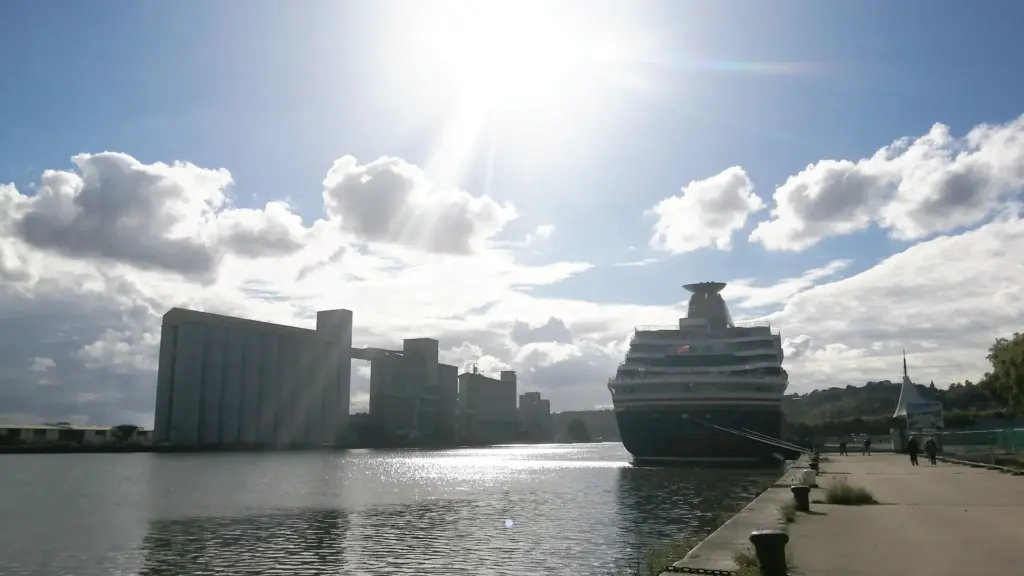
Balmoral is the smallest and oldest vessel. Her compact layout and long, narrow profile can suit river and scenic itineraries particularly well, but the cabins, bathrooms and public-room scale reveal more of the ship’s age. She is the most distinctive Fred. Olsen choice, not automatically the most comfortable.
Freedom Fare and Saver Fare are meaningfully different
The current fare comparison is important. Freedom Fare passengers can choose their cabin number, request their restaurant and dining time, receive priority for some pre-cruise arrangements and have selected house beer, wine and draught soft drinks with lunch and dinner. Saver Fare passengers normally receive an allocated cabin and dining arrangements and do not receive those meal-time drinks.
Gratuities are included in both current fare types, but that does not make the cruise fully inclusive. Drinks outside the specific Freedom Fare lunch-and-dinner provision, Wi-Fi, shore tours, spa treatments, speciality dining and purchases in the coffee and tea venues are normally additional.
The cheaper Saver Fare is most attractive when the cabin location and dining time genuinely do not matter. On an older ship, accepting an unknown cabin can be a significant compromise because noise, walking distance, obstruction and movement vary. CruisePing would compare the real saving with the value of choosing the exact room rather than defaulting automatically to the lowest fare.
What is included – and what is not
Fred. Olsen’s current inclusions cover full-board dining, afternoon tea, entertainment, enrichment, leisure facilities, gratuities, port taxes and shuttle transport where the berth is more than a mile from town. Room-service sandwiches and snacks are available within the published rules, although suite and loyalty benefits can affect the wider room-service offer.
Freedom Fare meal-time drinks provide useful value but are narrower than a conventional drinks package. They are served by the glass, with waiter service, in selected venues and only with lunch and dinner. Passengers wanting cocktails, branded spirits, drinks through the day or a wider wine choice need to pay as they go or consider the Premium Drinks Package.
The line’s pricing therefore sits between a traditional cruise fare and a fully inclusive product. The final bill can remain modest for a passenger who drinks little, uses the main restaurants and explores independently. It can rise substantially for someone buying Wi-Fi, excursions, speciality meals, spa treatments and a full drinks package.
Dining is built around an allocated table
The main dining system uses first and second sittings, normally at 6pm and 8pm, with a slightly later second sitting on formal evenings. Freedom Fare guests can request a restaurant, time and table size; Saver guests are allocated. The same table is then used for the voyage.
Fixed dining is a strength for passengers who like familiar waiters and table companions. It is a weakness for those who want to decide at 7.15pm each evening where and when to eat. Casual self-service dining remains available, so passengers are not forced into the main restaurant every night, but Fred. Olsen is less flexible than lines built around open dining.
The chargeable Colours & Tastes restaurant rotates Asian, grill and Italian menus. Borealis also has the open-air Fresco venue. These additions create welcome variety, but the main dining room remains central to the holiday rather than merely one option among dozens.
Dress codes and evening atmosphere
The published dress guidance is casual by day and smart casual on most evenings, with optional formal nights on longer cruises. A five- or six-night voyage normally has one formal evening; seven to twelve nights normally have two.
Formal participation is optional, but passengers who remain casual are asked to use the casual restaurant or speciality dining rather than the main formal-night venues. This is a more traditional approach than Marella and more relaxed than assuming the whole ship is formally dressed from early evening.
The entertainment programme is also evolving. Fred. Olsen began introducing refreshed daytime entertainment and new theatre productions during 2026 through a partnership with RWS Global. The ships still suit passengers who enjoy talks, quizzes, live music, dancing and a conventional theatre rather than those seeking high-energy attractions.
Solo travellers receive serious provision
Fred. Olsen has a stronger solo proposition than many mainstream lines. The official solo guide lists 43 dedicated solo cabins on Bolette, 49 on Borealis and 65 on Balmoral, spanning interior, ocean-view and some balcony or suite choices.
Welcome events, solo tables, meet-ups and Dance Hosts can make longer voyages sociable without requiring passengers to join every activity. Dedicated cabins avoid the crude assumption that every solo traveller must pay for two full berths, although popular categories still sell out and twin rooms used alone normally carry a supplement.
Balmoral has the highest number of designated solo cabins, while Borealis has the clearest adult-only social environment. The better choice depends on cabin price and itinerary rather than on a general claim that one ship is always best for singles.
Children are accepted on two ships – but the product is not family-led
Current policy allows guests aged 12 months to 17 years on Bolette and Balmoral, while Borealis is adults-only. Fred. Olsen also confirms that the former children’s activity programme is no longer offered. See the official children policy.
A well-travelled teenager who enjoys destinations, food, swimming, reading and adult company may have an excellent holiday. A family expecting clubs, waterslides, arcades and constant organised activities should choose another line. Accepting children is not the same as designing the cruise around them.
Cabins and accessibility require an exact-room decision
All three ships began life before the current era of near-universal balconies and large accessible cabin inventories. Refits have improved décor, bathrooms and public spaces, but they cannot make every cabin identical to a new-build room. Balcony supply is more limited on Balmoral, and the older electrical, storage and bathroom arrangements deserve inspection before booking.
Passengers with mobility needs should confirm the precise accessible cabin, route to lifts, tender requirements and shore-tour arrangements. Smaller overall capacity does not guarantee shorter walking distances or easier access. Bolette and Borealis are long ships, while Balmoral’s compact public rooms can create pinch points.
Which Fred. Olsen ship should you choose?
| Ship | Best reason to choose it | Main caution |
|---|---|---|
| Bolette | Best all-round first choice, spacious flagship and two pools | Largest Fred. Olsen ship; not the most intimate or adults-only |
| Borealis | Guaranteed adults-only atmosphere and strong long-voyage capability | Only one main pool and very similar hardware to Bolette |
| Balmoral | Smallest ship, strongest compact-ship character and most solo cabins | Oldest hardware, fewer balconies and tighter public areas |
For a direct recommendation by passenger type, read Which Fred. Olsen Cruise Ship Is Best for You?. Passengers weighing a more inclusive over-50s product should also read Fred. Olsen vs Saga Cruises.
The CruisePing verdict
Fred. Olsen is strongest when the itinerary uses the ships intelligently and the passenger values calm, recognisable public rooms, fixed dining and regional UK departures. It offers a more personal scale than the largest lines without charging automatically for a luxury product.
The compromises are older ships, limited family provision, less dining flexibility and a fare structure that is only partly inclusive. Choose the route and exact cabin first. The line’s smaller-ship claim is most convincing when it changes what you see and where you berth, not when it is used merely as a slogan.
Useful official Fred. Olsen information
Use the official fleet guide, inclusions page, fare comparison, dining guide and solo information when checking a particular booking. Fares, drinks rules, departure ports and onboard programmes can change between seasons.
Fred. Olsen Cruise Lines ship guides
Balmoral Cruise Ship
Independent Balmoral guide covering its smaller-ship character, cabins, 2024 refit, dining, solo provision, passenger fit and verdict.
Bolette Cruise Ship
Independent Bolette guide covering cabins, dining, 2026 refit, pools, passenger fit, costs and the CruisePing verdict.
Borealis Cruise Ship
Independent Borealis guide covering its adults-only atmosphere, cabins, dining, 2025 refit, pools, solo travel and verdict.