
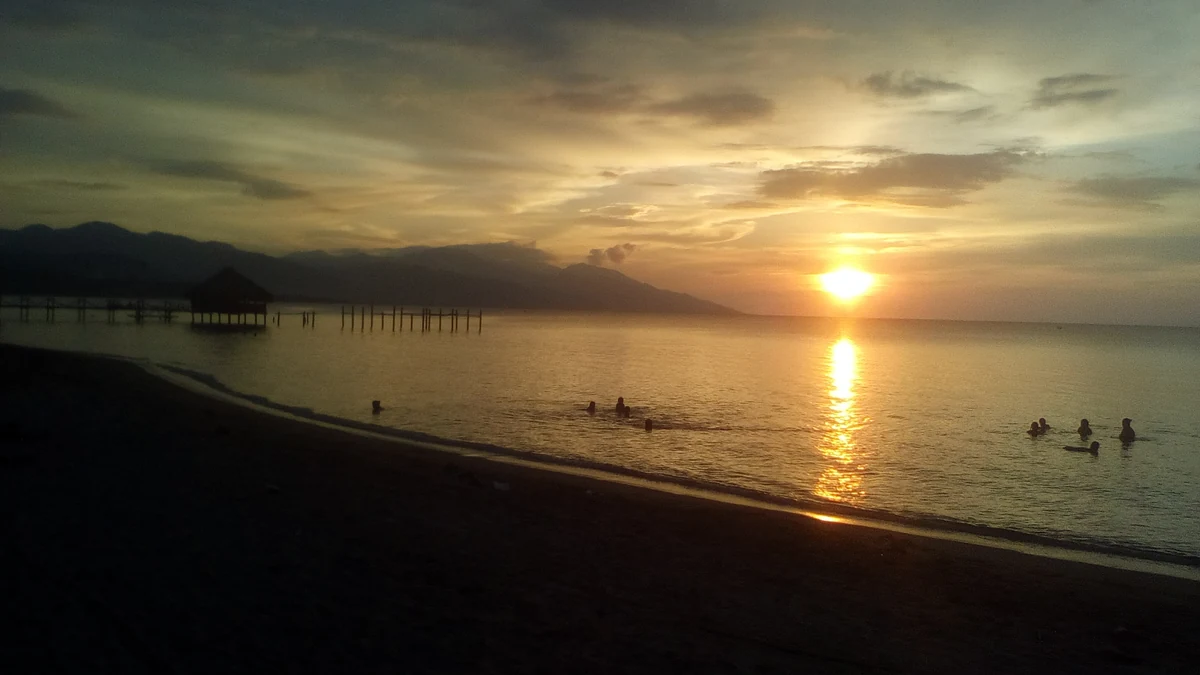
Banana Coast cruise port refers to Trujillo on Honduras’s Caribbean coast, where the historic centre, Santa Bárbara fortress and bay sit close to the waterfront. The destination was developed around a tender landing rather than a large cruise terminal, and present-day call arrangements need to be confirmed for the specific ship.
When a call operates as described, central Trujillo is the best DIY plan: walk the fortress, cathedral, old streets and beach. Use a ship excursion for Capiro y Calentura National Park, waterfalls, Garifuna communities or any route beyond town. Do not book a stale Banana Coast operator listing or a distant nature trip without current written confirmation from the cruise line or provider.
Banana Coast Cruise Port at a Glance
| Port name | Banana Coast |
|---|---|
| Main arrival area | Trujillo waterfront tender landing, subject to call-specific confirmation |
| Cruise region | Mexico / Central America / Panama Canal |
| Country / Territory | Honduras |
| Currency | Honduran lempira (HNL) |
| Languages | Spanish; Garifuna and English may also be heard |
| Port role | Day Call |
| Disembarkation | Tender |
| Walkability | Good for central Trujillo from the waterfront landing |
| Shuttle required | No for town; organised transport required for nature and community excursions |
| Main transport | Walking, ship excursion and pre-booked local tour vehicle |
| Best first-time plan | DIY fortress, cathedral, historic centre and beach; ship excursion for Capiro y Calentura or wider culture |
| Main caution | Current cruise operation and excursion providers must be reconfirmed because older terminal information may be stale |
The map marks the legacy Trujillo cruise landing
The coordinate is on the Trujillo waterfront area identified with the Banana Coast tender operation, not at a generic point in Colón department. It places passengers close to the historic centre if the ship uses the established landing.
The cruise line’s day-of-call instructions take precedence. Terminal branding, reception facilities and local dispatch arrangements have changed over time, so an old photograph or archived operator page should not be treated as proof of current access.
Confirm the call before booking independently
Current cruise-line destination pages from Holland America and other operators continue to describe Banana Coast as Trujillo, but that does not guarantee every historical shore operator or facility remains active.
Use the cruise planner for the actual sailing, then contact any independent guide directly. A provider should confirm the ship, date, landing, pickup point and cancellation terms rather than relying on a generic Banana Coast web listing.
Check recent correspondence rather than accepting an automated booking receipt as confirmation. The provider should answer a direct question about where the ship’s tenders are landing and who will hold the passenger name at the pickup point.
DIY or organised tour? Walk Trujillo, organise the hinterland
The fortress, cathedral, old cemetery, town streets and beach form a compact central route that does not require a coach when the tender lands near town. Independent walking gives more time to understand the bay and colonial centre.
Nature reserves, waterfalls and community visits involve rural roads, guides and uncertain return times. Those should be booked through the ship or a currently verified cruise-aware operator.
Fortaleza Santa Bárbara is the first priority
Honduras tourism material places Trujillo’s colonial history and Santa Bárbara fortress at the centre of the destination’s visitor appeal. The fort overlooks the bay and explains why the site mattered strategically.
Allow time for interpretation rather than using the walls only as a viewpoint. Current access and opening should be confirmed, especially on a call when local services may be arranged specifically around the ship.
From the elevated fort, passengers can read the shape of the Bay of Trujillo before continuing into town. That orientation makes the beach, harbour and old street pattern easier to understand and is more valuable than beginning with an unscheduled shopping stop.
The cathedral and central streets complete the historic route
San Juan Bautista Cathedral and the surrounding centre reveal Trujillo as a living Honduran town rather than a purpose-built cruise enclave. The streets are compact but can be hot and uneven.
Dress respectfully for the church, ask before photographing people and keep valuables discreet. A local guide can add historical context, but transport is not the reason to pay for one.
The old cemetery adds important history
Trujillo’s old cemetery is associated with local and foreign figures in the port’s history, including the era of Caribbean trade and political conflict. It is a place of burial rather than an entertainment stop.
Visit with a guide or clear directions, behave quietly and avoid intrusive photography. On a short call, the fortress and cathedral remain the higher priorities.
The beach is a flexible final component
The Bay of Trujillo provides an easy shoreline break close to town when conditions and local advice are favourable. It works best after the historical walk rather than as an all-day resort expectation.
Check water quality, surf, lifeguard provision and the tender zone before swimming. Do not leave belongings unattended or assume beach services operate every call.
Capiro y Calentura needs a protected excursion
The national-park landscape behind Trujillo offers rainforest, elevation and biodiversity that contrast with the waterfront. Reaching useful trail access requires road transport and local knowledge.
Use a ship excursion or a guide who has confirmed the cruise operation. Trail condition, rainfall and vehicle access can change, and there is no simple taxi solution if the return runs late.
Ask whether the route is primarily a vehicle panorama, a forest walk or a strenuous climb. The same park name can cover very different physical demands, and heavy rain may force the operator to substitute a lower trail or viewpoint.
Waterfalls should not be booked from an old listing
Waterfall products around Trujillo may appear in historic cruise reviews and archived tour pages. The route, land permission, bridge condition and operator can all change between seasons.
Book only a currently offered ship excursion or obtain recent written details from the provider. Ask how much walking is involved, whether swimming is possible and what happens after heavy rain.
Garifuna culture requires a genuine host
Cruise descriptions from Seabourn refer to the region’s cultural and natural attractions. A worthwhile Garifuna visit should be hosted by people able to explain language, food, music and community life on their own terms.
Choose a programme that identifies the community and how fees are shared. Avoid a brief staged performance inserted between unrelated coach stops or uncoordinated gifts to children.
Santa Fe and other coastal communities need transport
Communities west of Trujillo can add food, beach and Garifuna cultural context, but the road journey removes passengers from the easy central fallback. The guide must control the route and return.
Use this as the main excursion rather than adding the fortress, national park and waterfall. One hosted community experience can be more valuable than a long list of roadside stops.
Horse riding and adventure products need current standards
Older Banana Coast publicity included riding, ziplining and outdoor activities. The existence, insurance and safety arrangements of a past product cannot be assumed today.
Book only through the ship or a verified operator that names the current site, equipment and medical restrictions. Do not accept a substitute activity simply because the original excursion has disappeared.
The town route works after a late tender
A slow tender does not ruin Trujillo because the fort, cathedral and central streets remain close to the waterfront. Shorten the route rather than rushing into the hinterland.
Begin with the fortress, then decide whether the cathedral, cemetery and beach fit. The first item to cancel should be the longest road excursion, not the tender return margin.
Local guides can add value without a vehicle
Trujillo’s history includes Indigenous, Spanish, African-Caribbean, colonial and later commercial layers that are difficult to read from buildings alone. A knowledgeable walking guide can connect them.
Agree the duration, price and meeting point at the current landing. The guide should not pressure the group into an unplanned vehicle transfer or shopping stop.
Cash is useful, but do not rely on changing money ashore
Small businesses and guides may prefer lempiras, while US dollars may be accepted selectively at an unfavourable rate. Card infrastructure should not be assumed for every stop.
Carry modest local cash or small agreed foreign notes, confirm the currency before paying and keep money secure. Do not spend the first hour searching for an ATM on a short call.
Heat and rain shape the hinterland
Honduras’s CENAOS forecast products cover national weather and hazards. Trujillo’s Caribbean climate can bring high humidity, intense rain and rapidly changing trail conditions.
Start walking early, carry water and use a light waterproof layer. Heavy rain should move the day back to town; it is not a reason to ask a driver to force a waterfall or mountain route.
Marine conditions control tendering
A bright town forecast does not guarantee a smooth tender. Wind and swell at the landing can delay the first boat or bring the final operation forward.
Keep the ship’s messaging available and avoid an excursion whose return succeeds only if the original timetable remains unchanged. The central route is the practical fallback for exactly this reason.
Accessibility needs call-specific confirmation
Tender steps, heat, uneven historic streets and older buildings can create barriers. Nature routes add rough vehicles, mud and informal facilities.
Ask the cruise line for the landing assessment and select a central guided drive or short walking route when the national park is unsuitable. Do not assume a beach or fortress is step-free because it is close.
What to skip at Banana Coast
Skip booking a provider solely because an old review calls it the official Banana Coast operator. Skip a distant waterfall or adventure activity without current confirmation, and skip trying to combine town, rainforest and a community visit in one call.
Trujillo’s historic centre is strong enough for a first visit. The organised choice should add one verified hinterland or cultural experience, not create a chain of uncertain suppliers.
Return to the waterfront well before the final tender
A rural vehicle reaches Trujillo before passengers have walked to the tender, cleared local dispatch and boarded the ship transfer. Road delays and rain need to sit inside the margin.
Finish independent sightseeing at the fortress, beach or central streets close to the landing. The final tender should never be the planned connection from Capiro y Calentura or a distant community.
Keep the final hour within the historic centre so a weather-led early recall can be followed immediately. A guide who resists that request is not suitable for a remote-road cruise excursion.
Use that buffer deliberately.
Stay alert.
The reception area should not be assumed
Historical reports described a purpose-built welcome area, transport hub and beachfront facilities at the tender landing. Present passengers must verify which of those services are operating for their call.
Carry water, the ship contact and enough information to walk towards central Trujillo if authorised. Do not plan around Wi-Fi, an ATM or a permanent excursion desk unless the cruise line confirms them.
Security advice should be current and local
Conditions can differ between central Trujillo, rural roads and remote trailheads. Follow the ship’s current boundaries and the guide’s instructions rather than generalising from an old review of Honduras.
Use discreet valuables, remain with the agreed group outside town and avoid changing the route spontaneously. A protected excursion is valuable partly because the operator knows current access.
Food is best through a verified host
A town restaurant or hosted Garifuna meal can add local flavour, but opening and group capacity may depend on the ship call. Dietary labelling and timing should be confirmed.
Keep the meal within the central route or the organised excursion. Do not ask a rural driver to find an unscheduled restaurant when the road return already has little spare time.
CruisePing Recommended Port Day
After confirming the actual tender landing, explore central Trujillo independently: Fortaleza Santa Bárbara first, then the cathedral, historic streets and a short beach period. Hire a current local walking guide when deeper history is more valuable than transport.
Choose a ship excursion for Capiro y Calentura, a verified waterfall or a genuinely hosted Garifuna community visit. Book one of those themes, not all three. Reject stale Banana Coast listings and any provider unable to confirm the ship, landing and return in writing.
Weather & Best Time to Visit Banana Coast
| Month / season | Typical high | Typical low | Rain / conditions |
|---|---|---|---|
| December–February | 28°C | 22°C | Warm with frequent Caribbean showers and occasional heavy rain |
| March–May | 30°C | 23°C | Hotter with strong humidity and variable storm development |
| June–October | 31°C | 24°C | Very humid; heavy rain, tropical systems and rougher marine periods possible |
| November | 29°C | 23°C | Wet conditions often continue with changing tender weather |
Trujillo is hot and humid throughout the year, with substantial Caribbean rainfall. Tender conditions and trail access can change even when the central town remains usable. Check the current official forecast before finalising the day.
Frequently Asked Questions
Where is Banana Coast cruise port?
Banana Coast is the cruise destination name used for Trujillo on Honduras’s Caribbean coast.
Where do passengers land?
Historically, tenders used the Trujillo waterfront cruise landing. The current ship instructions must be checked because operations can change.
Can Trujillo be explored independently?
Yes, when the landing is near town. The fortress, cathedral, historic centre and beach form a compact route.
Which excursions should be organised?
Use a ship or currently verified cruise-aware operator for Capiro y Calentura, waterfalls, adventure activities and community visits.
What is the main planning risk?
Relying on outdated terminal or tour information. Confirm the current call, operator and pickup in writing.
Useful Official Links
- Royal Caribbean: Banana Coast
- Holland America: Banana Coast
- Seabourn: Banana Coast
- Honduras Institute of Tourism
- CENAOS weather products
CruisePing Port Verdict
Banana Coast works best when treated as historic Trujillo rather than as a guaranteed package of old excursion brands. The fortress, cathedral, centre and bay form a worthwhile DIY day when the tender uses the established waterfront landing.
Use the ship for rainforest, waterfalls or a hosted Garifuna visit, because roads and current operator status need protection. The critical step is verification: do not pay an independent provider that cannot confirm the sailing, landing and return arrangements.
Ready to browse our article library?
Looking beyond Banana Coast? Explore more ports in the Mexico / Central America / Panama Canal region, or narrow it to Honduras in particular. For cruise comparisons, planning shortcuts and value guides, head over to our main article archive.