
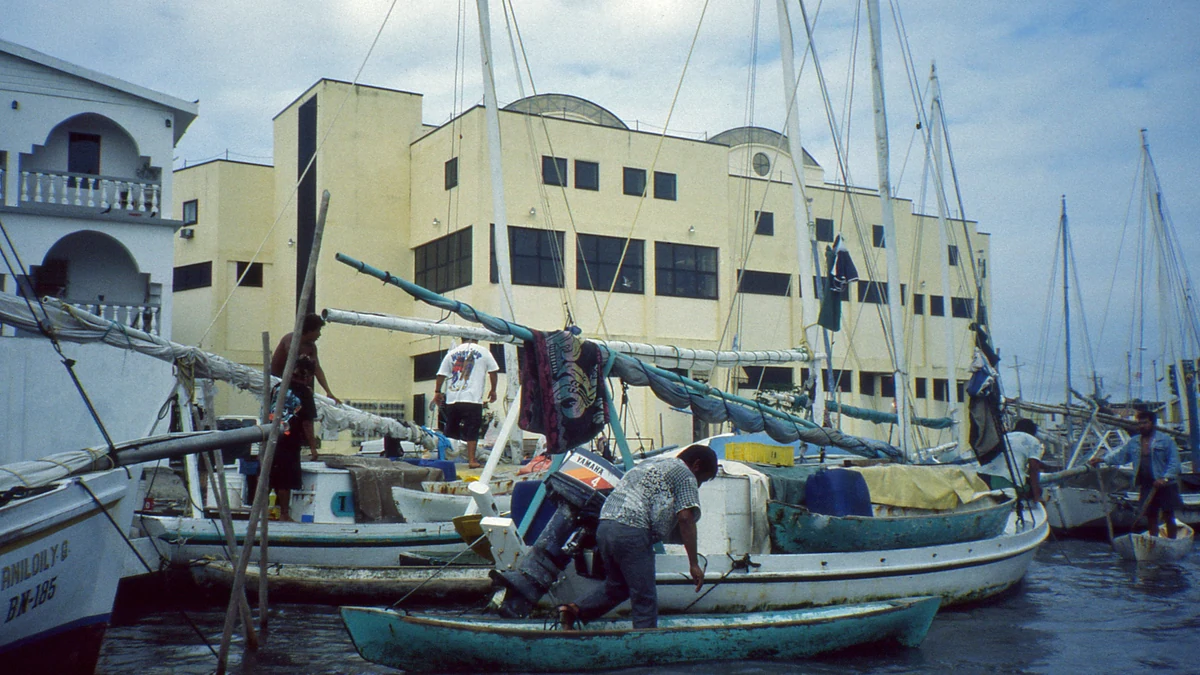
Belize City cruise port is best understood as an excursion gateway rather than a conventional walk-off city call. Most large ships anchor offshore and transfer passengers by tender to the Fort Street Tourism Village area. From there, reef and caye trips, Maya sites, caves, wildlife experiences and city tours head in different directions. The first planning decision is therefore not which street to explore first, but which single Belize experience deserves most of the day.
The tender journey, meeting process and road or boat transfer can absorb a substantial part of the call. Belize rewards a focused plan and punishes activity stacking. Choose one major excursion, confirm who controls the transport back to the ship, and leave the terminal-area browsing until the end rather than treating it as a second destination.
Belize City Cruise Port at a Glance
| Port name | Belize City Cruise Port |
|---|---|
| Main arrival area | Tender landing at or near Fort Street Tourism Village |
| Cruise region | Mexico / Central America / Panama Canal |
| Country / Territory | Belize |
| Currency | Belize dollar (BZD); US dollars are widely accepted in visitor areas |
| Main languages | English is official; Belizean Creole and Spanish are widely spoken |
| Port role | Tender day call and gateway to reef, caves, wildlife and Maya sites |
| Disembarkation | Tender boat from the ship, normally to the Fort Street visitor area |
| Walkability | Moderate within the immediate waterfront; limited for the main excursion choices |
| Shuttle required | No for the tourism village; organised transport is needed for most major attractions |
| Main transport | Ship excursion, licensed local tour, coach, minibus, taxi and excursion boat |
| Best first-time plan | One well-run reef, Maya or cave excursion with a protected return to the tender |
| Main caution | Long tender and transfer chains make independent overplanning and late returns the main risks |
Tendering Controls the Real Start of the Day
The Belize Tourism Board explains the country’s cruise tourism and licensing framework. For passengers, the practical point is that large ships generally remain offshore and use tenders. The ride is often longer than a short harbour shuttle, and departure can be staged by excursion group, ticket or ship priority. A scheduled 08:00 arrival does not mean an independent traveller is standing at Fort Street at 08:05.
Private operators should give meeting instructions that account for the ship’s tender procedure. Ask whether they wait for delayed tenders and whether the return is timed to the ship’s final boat rather than the advertised departure. Keep the operator’s phone number and meeting photograph offline. Mobile coverage and messaging are useful, but they are not a substitute for a clear plan when hundreds of passengers are moving through the same landing area.
The Tourism Village Is a Base, Not the Whole Destination
Fort Street Tourism Village concentrates shops, bars, tour desks and controlled visitor services around the landing. It is convenient for orientation and a final drink, but it does not represent the full character of Belize City or the country. Passengers who spend the whole call inside the compound will have a simple day, not a broad introduction to Belize.
The surrounding city contains historic, commercial and residential areas, yet the transition from managed visitor zone to ordinary urban streets is not always intuitive. A guided city circuit can add context and transport. Independent walkers should know their route, carry only what they need and avoid drifting into unfamiliar areas merely because the waterfront looks close on a map.
Choose One Main Experience Before You Book Anything Else
Belize’s strongest cruise-day options are geographically and operationally different. Reef and caye trips are boat-led. Altun Ha uses a road transfer. Lamanai combines road and river. Cave tubing depends on inland transport, equipment and water conditions. Wildlife trips may combine sanctuary access with another stop. These are not interchangeable half-day attractions that can be stacked casually.
The official Travel Belize destination site is useful for understanding the range of experiences, but the cruise timetable must remain the filter. Read the excursion duration from gangway or tender meeting to return, not only the time at the attraction. A six-hour listing can leave little independent time once tendering is added at both ends.
Altun Ha Is the Most Manageable Major Maya Choice
Altun Ha is the Maya site most commonly paired with a Belize City cruise call because it is reachable by road and can fit into a defined excursion. The official Institute of Archaeology information for Altun Ha should be checked for current opening and visitor requirements. The site includes open plazas, stepped structures and limited shade, so the physical experience is hotter and more exposed than coach photographs suggest.
A guided visit matters because interpretation turns a collection of structures into a coherent account of trade, ritual and settlement. Ask how much time is spent at the site, whether the tour includes a city stop, and whether passengers may climb any structures under current rules. Comfortable shoes, water, sun protection and insect repellent are more useful than dressing for a polished museum visit.
Lamanai Is a Bigger Day with More Moving Parts
Lamanai can be one of the most memorable choices from Belize City because the journey may include a river section through a wildlife-rich landscape. It is also a longer, more complex day. Road traffic, boat loading, river conditions, site walking and the return all create dependencies. This is the kind of excursion for which ship protection or a highly experienced cruise specialist has real value.
Do not choose Lamanai because it appears to offer “more” than Altun Ha. Choose it when the journey itself—river, landscape and archaeology—is the priority and you are comfortable spending much of the call in transit. Passengers who dislike long transfers, boat boarding or humid walks may enjoy Altun Ha more, even though it is the less elaborate itinerary.
Cave Tubing Needs More Than a Swimsuit
Cave tubing combines an inland transfer, changing or equipment time, a walk to the water and a float through river caves. Tour descriptions can make it sound passive, but participants may need to carry or manage a tube, walk on uneven ground, enter moving water and follow safety instructions in darkness. Water level and current influence the route.
The official Belize adventure guidance helps frame the activity, but the operator’s current instructions control. Confirm minimum age, swimming expectations, footwear, storage, life jacket or helmet provision and what happens when water conditions are unsuitable. A responsible cancellation is evidence of safety management, not a failed excursion.
Reef and Caye Trips Can Be Excellent—and Weather Dependent
Belize’s marine environment is a major reason to visit, but not every cruise-port boat trip reaches the same place or offers the same experience. Some outings focus on snorkelling; others combine a caye, beach time and wildlife. Boat size, shade, ladder design, journey time and the quality of equipment all affect the day. Ask whether beginners receive close supervision rather than assuming every trip suits every swimmer.
Wind, swell and visibility can change the route. The operator may substitute a protected site or cancel a segment. Passengers prone to seasickness should recognise that the tender is only the first boat journey. A marine day can involve repeated boarding and wet transfers. Keep dry clothes and essential medication protected, and do not take valuables that cannot be secured.
A City Tour Is a Valid Lower-Risk Choice
A Belize City tour can cover the Swing Bridge area, colonial-era landmarks, neighbourhoods and cultural context without the long transfer chain of an inland excursion. It is particularly sensible for passengers with a short call, uncertain weather or mobility limits. The quality depends heavily on the guide, because the city’s story is more important than a checklist of photo stops.
Clarify whether the tour is walking, vehicle-based or mixed. A short guided circuit can be combined with time at Fort Street without rushing. It is less dramatic than reef or ruins, but it may provide a more honest understanding of modern Belize than spending hours in transit and only a brief period at a headline site.
Independent Water-Taxi Plans Carry Cruise-Day Risk
Belize City has scheduled boats serving offshore communities and islands, but a public service is not designed around an individual ship’s tender window. Ticket queues, separate departure points, weather and the need to return through Fort Street can turn an apparently simple caye visit into a tight chain. Do not build the day around the last service that could theoretically make the ship.
A cruise-specific boat excursion normally removes some transfers and makes the return responsibility clearer. Independent travel may suit experienced visitors on a long call who have verified every departure and walk between terminals. It is not the default recommendation for a first visit, especially when the ship is already using a long tender operation.
Operator Licensing and Meeting Instructions Matter
Use a licensed operator and retain the booking confirmation. A professional cruise operator should know the ship, scheduled call, tender landing and final return requirement. Ask who meets you, what identification they carry, whether the vehicle and boat are dedicated to the group, and how delays are handled. Vague answers before payment usually become more difficult after arrival.
Price comparisons should include entrance fees, equipment, food, transport and cancellation terms. A cheap excursion that requires separate cash payments and uncertain connections may offer less value than a clear all-inclusive plan. Avoid handing passports to an operator; carry the ship card and the identification the cruise line specifically requires.
Heat, Humidity and Insects Affect Inland Days
Belize can feel hot soon after leaving an air-conditioned tender or coach. Maya sites and cave approaches involve sun, humidity and limited shade. Drink steadily, use sun protection and carry insect repellent. Lightweight clothing that covers the shoulders can be more comfortable than exposing more skin for hours.
Passengers with heat sensitivity should choose a shorter transfer, an air-conditioned city tour or a marine outing with reliable shade. Tell the guide early if you need a slower pace. The point of a cruise excursion is not to prove endurance; it is to return having enjoyed the place rather than having spent the final hour recovering on the coach.
Money, Food and Small Practicalities
Belize dollars and US dollars are both encountered in visitor transactions, but change may be returned in local currency. Confirm the currency before agreeing a price and carry smaller notes. Cards are useful in established businesses, while cash may be needed for minor purchases, tips or stalls. Keep money divided rather than opening a full wallet at every stop.
Food on excursions ranges from a simple local lunch to no meal at all. Check what is included and whether drinking water is supplied. Do not assume there will be time to buy food between the tender and tour departure. At the end of the day, the tourism village offers an easier place for a drink or snack, provided the final tender queue remains visible.
Accessibility Must Be Checked Activity by Activity
The tender is the first barrier, followed by the excursion vehicle, boat or trail. A city coach tour may be relatively manageable; cave tubing and some ruins can involve steps, rough paths and wet surfaces. Marine boats may use narrow ladders or require passengers to step across a gap. “Limited walking” does not necessarily mean accessible.
Ask for specific measurements and procedures: vehicle steps, toilet availability, walking distance, boat entry and whether a mobility device can be carried. The cruise line can explain tender policy but may not know a private operator’s equipment. Do not rely on a general difficulty icon when the day includes several different modes of transport.
Compare Excursions by Transfer Burden, Not Headline Appeal
The most useful comparison is how many things must go right between Fort Street and the attraction. Altun Ha normally involves tender, road transfer and site walk. Lamanai adds a river boat. Cave tubing adds equipment, trail and water entry. A reef trip adds another marine departure after the ship’s tender. Every added stage can be enjoyable, but it also creates another queue, weather decision or mobility test.
Write the chain down before booking: ship to tender, tender to meeting point, meeting point to vehicle or boat, attraction, return transfer, security and final tender. Then ask where the operator carries responsibility. An excursion described as five hours may not include the ship’s tender, while a ship excursion may assemble onboard and include that uncertainty in its operating plan.
Altun Ha Versus Lamanai
Choose Altun Ha for a clearer road-based day with more flexibility if the tender starts late. Choose Lamanai when the river journey is central to the appeal and the call is long enough to absorb a complex return. The difference is not simply that one site is “better”. It is a trade between travel experience, archaeological time and schedule resilience.
Families and passengers with heat sensitivity may prefer Altun Ha because there are fewer transfers and a shorter recovery route to the ship. Lamanai can suit experienced travellers who enjoy a full-day narrative and are comfortable with boats, humidity and extended sitting. In either case, ask how much shade and toilet access exist during the journey.
Reef Versus Cave Tubing
Both are water activities, but their risks are different. A reef trip is governed by wind, swell, swimming ability and boat boarding. Cave tubing is governed by road conditions, river level, walking surfaces and equipment. Passengers who are comfortable in a pool may still dislike open-water snorkelling, while confident swimmers may find a dark river cave uncomfortable. Choose the environment, not the promotional photograph.
Confirm whether the operator supplies towels, changing space and secure storage. A wet return to an air-conditioned tender can feel cold even in the tropics. Bring a dry layer and protect the ship card. For cave tubing, proper closed footwear may be compulsory; for snorkelling, fins and ladder access can be the harder part than the swim itself.
Children, Older Travellers and Mixed Groups
Mixed groups should not default to the activity advertised as suitable for everyone. Ask about minimum ages, maximum weight where equipment applies, walking distance and the ability to sit out one segment. A grandparent who cannot snorkel may still enjoy a shaded lagoon boat, but only if the excursion does not leave non-swimmers unattended for most of the day.
Where abilities differ sharply, separate excursions can be better than forcing a compromise. Agree a meeting point inside the tourism village after both tours and allow for different return times. Do not arrange to meet outside the controlled landing area close to the final tender, when security and crowds can make coordination harder.
What to Carry Off the Ship
Carry the ship card, required identification, water, sun protection, insect repellent and only the cash needed for the day. A waterproof pouch is useful because both the ship tender and many excursions involve boats or wet equipment. Leave unnecessary jewellery and bulky bags aboard. At archaeological sites, a compact umbrella can provide shade, but it should not replace a hat or hydration.
Store the operator’s confirmation and emergency number offline. Take a photograph of the meeting point and note the final tender in local time. Belize uses the same clock across the country, but phones can retain ship time or switch automatically; compare the device with the ship’s stated time before leaving Fort Street.
At the tender landing, follow the ship’s security and queue instructions even when another line appears shorter. Different boats or ships may use neighbouring gates. Confirm the vessel name before boarding and keep the ship card ready; correcting a mistaken queue can consume the buffer preserved throughout the day.
Best Things to Do from Belize City Cruise Port
Altun Ha
Best for: First-time visitors wanting archaeology with a manageable transfer
Plan: Use a guided road excursion with enough time at the site
Watch: Heat, uneven ground and short interpretation time
Lamanai
Best for: Passengers who value the river journey as well as Maya history
Plan: Book a cruise-protected or highly experienced full-day operator
Watch: Long transfer chain and little room for delays
Cave tubing
Best for: Active visitors comfortable with water and uneven approaches
Plan: Confirm equipment, water conditions and physical requirements
Watch: Current, walking surfaces and cancellation risk
Reef or caye excursion
Best for: Swimmers and marine-life enthusiasts
Plan: Choose an operator with clear supervision, shade and return responsibility
Watch: Swell, repeated boat boarding and seasickness
Belize City guided circuit
Best for: Short calls, limited mobility or poor marine weather
Plan: Use a knowledgeable local guide and keep the final hour near Fort Street
Watch: Assuming unguided wandering equals a coherent city visit
CruisePing Recommended Port Day
For a first Belize City call, CruisePing would choose one professionally run excursion and allow it to define the day. Altun Ha is the most balanced introduction for many passengers because it offers significant Maya heritage without the longest transfer chain. Strong swimmers may reasonably choose a reef day instead; the right choice depends on whether archaeology or the sea is the reason for visiting Belize.
Book through the ship when the excursion is long, combines several transport modes or returns close to all-aboard. A reputable independent operator can work for Altun Ha, a city tour or a well-timed marine trip when the meeting and return terms are explicit. Do not add an independent water-taxi journey or second major activity merely because the tourism village is compact.
Weather & Best Time to Visit Belize City
Check the Belize National Meteorological Service municipal forecast before the call. Tropical showers can be local and fast-moving, while wind offshore may affect boats even when the city is dry. Rounded planning ranges are shown below.
The relatively drier months often suit ruins and marine trips, but no season guarantees calm seas. The wetter part of the year brings heavier showers, humidity and the possibility of tropical systems. Operators may alter cave or reef plans for safety; keep a city or shorter inland fallback in mind.
| Month / season | Typical high | Typical low | Rain / conditions |
|---|---|---|---|
| January–March | 29°C | 21°C | Often drier and less humid; breezy spells possible |
| April–May | 31°C | 24°C | Hotter with building humidity and showers |
| June–October | 31°C | 25°C | Wetter season; heavy showers and tropical-weather risk |
| November–December | 29°C | 22°C | Transition towards drier conditions; variable seas |
Practical Questions for a Belize City Cruise Call
Can I walk from the ship into Belize City?
No. Large ships normally anchor offshore and use tender boats to the Fort Street area.
Which Maya site is easiest from the cruise port?
Altun Ha is generally the most manageable major option because it uses a road transfer and fits more readily into a port day than longer combination journeys.
Is Belize City itself worth seeing?
Yes with a good guide, particularly for history and modern context. It is a lower-transfer alternative to reefs, caves and ruins.
Should I book through the ship?
It is the safer default for Lamanai, long marine trips and complex multi-stage excursions. Independent tours can work when timing, licensing and return responsibility are explicit.
Useful Official Links
- Belize Tourism Board cruise information
- Travel Belize
- Institute of Archaeology — Altun Ha
- Belize adventure experiences
- Belize municipal weather forecast
- Belize climatology information
CruisePing Port Verdict
Belize City is strongest as a gateway. The call becomes easy to understand once you stop trying to combine reef, ruins, caves and city into one day and instead choose the experience that matters most.
Protect the tender and return chain, use a licensed operator, and treat weather and activity-specific mobility as real constraints. One well-executed Belize experience is far better than two ambitious bookings joined by optimistic timing.
Ready to browse our article library?
Explore more ports in the Mexico / Central America / Panama Canal region, narrow the library to Belize cruise ports, or return to the main CruisePing article library.