
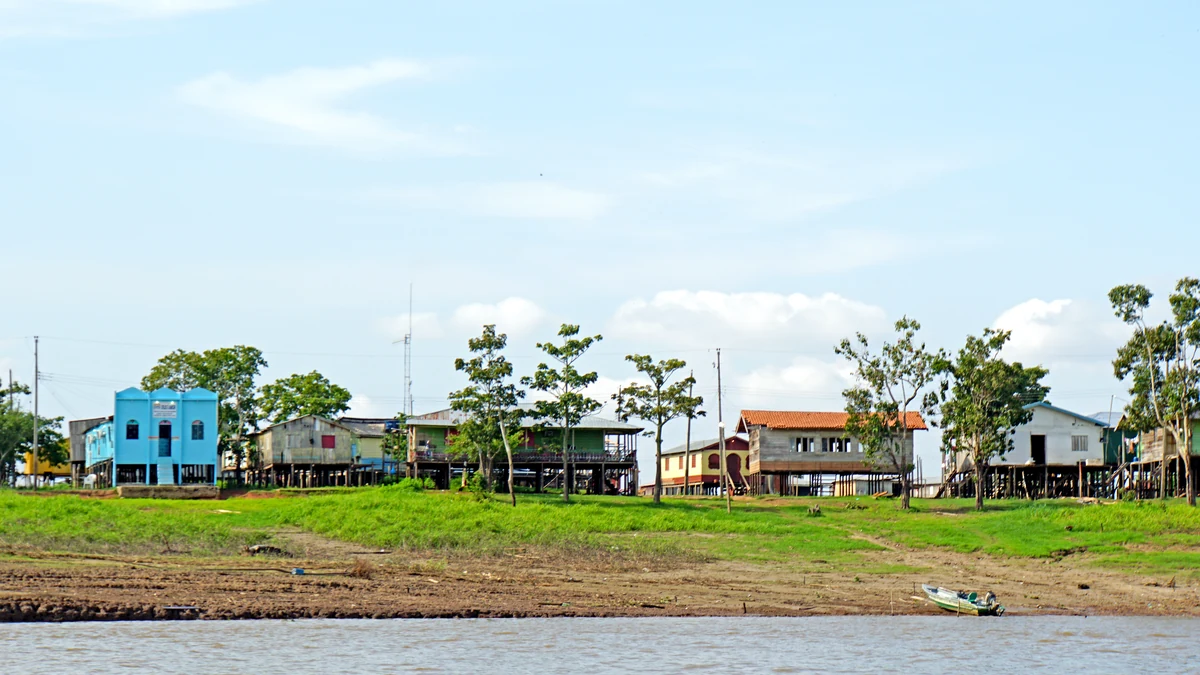
Boca da Valéria cruise port is a tiny Amazon River tender call near the meeting of the main river and the Valéria waterway. Passengers step into a riverside community rather than a terminal, town centre or conventional excursion hub.
The best visit is deliberately modest. Walk the settlement, buy crafts fairly and join only a community-coordinated short boat trip. Do not turn residents, children or wild animals into photographic props. Boca da Valéria is worthwhile when approached as a living community, not as a staged collection of exotic images.
Boca da Valéria Cruise Port at a Glance
| Port name | Boca da Valéria |
|---|---|
| Main arrival area | Simple floating or riverbank landing beside the village |
| Cruise region | South America / Galapagos |
| Country / Territory | Brazil |
| Currency | Brazilian real (BRL) |
| Languages | Portuguese |
| Port role | Day Call |
| Disembarkation | Tender |
| Walkability | Compact, unpaved and sometimes muddy |
| Shuttle required | No |
| Main transport | Walking and a community-coordinated canoe or skiff |
| Best first-time plan | DIY village walk, crafts and river views; add one accountable short boat trip if offered |
| Main caution | Avoid exploitative animal handling, intrusive photography and informal trips with no clear ship return |
The tender lands beside the community
Cruise descriptions from Oceania Cruises describe passengers going ashore into the small settlement. The ship controls tender timing and may adjust the precise landing with river level and current.
There is no alternative public pier, taxi rank or road connection to rescue a late return. Photograph the landing, note the final tender and remain within an easy walk unless the ship has recognised a local boat activity.
DIY or organised tour? Stay DIY and local
The village itself is the port day. A paid escorted walk adds little unless a resident is providing genuine interpretation and the fee goes through an agreed community channel.
The only organised addition worth considering is a short canoe or skiff trip led through arrangements recognised by the ship or village. Avoid anyone promising a long wildlife expedition without accountable timing, flotation or communication.
Walk slowly rather than completing a circuit
The paths pass homes, a church, school or community buildings and simple craft displays. The value lies in observing how river level, boats and raised structures shape daily life, not in reaching a named monument.
Let groups spread out. A large ship can overwhelm a small place when everyone crowds the first stalls and photographs the same doorway. Pausing and giving residents space produces a more respectful visit.
The settlement is not arranged as a heritage attraction with a marked beginning and end. Homes, church activity, craft tables, boats and everyday work overlap. Leave room around doorways and landing paths, and do not follow residents into private areas because another passenger appears to have been invited.
A large ship can place more visitors ashore than the immediate community normally sees. Let the first tender crowd disperse, avoid forming a wall around one stall and remember that a shorter quiet conversation may be more respectful than photographing every part of the village.
Photography requires permission
Wide river and village scenes are easier to take respectfully than close portraits. Ask before photographing residents, particularly children, and accept a refusal without negotiation.
Do not offer cash merely to stage clothing, animals or family life for a picture. Buying a craft or contributing through a community collection is a better exchange than paying for a constructed image.
Ask before taking close portraits, especially of children, families at home and people wearing clothing or carrying animals specifically for visitors. A wide river or street scene is different from making one resident the subject of an image. Accept a refusal without negotiation.
If a fee is requested for a posed photograph, agree it before raising the camera and pay the person or recognised community channel directly. Do not create a bidding contest between children, and do not promise to send pictures unless there is a realistic way to do so.
Never handle wild animals for a photograph
Amazonas tourism authorities promote the principle Never touch, observe: visitors should not hold, pursue or feed wild animals to attract them for photographs.
Decline offers involving sloths, caimans, monkeys, birds or other wildlife being passed between passengers. The fact that an animal is calm or tethered does not make the interaction responsible.
Children should not become informal guides by default
Young residents may approach visitors, but passengers should not encourage school-age children to miss lessons, compete for tips or carry bags around the village.
Use an adult community guide when interpretation is wanted. Give donations, school supplies or other assistance only through a process agreed with the ship and local leadership rather than handing items to the largest crowd.
Craft purchases are the most useful direct spending
Small carvings, woven pieces, jewellery or locally made objects may be displayed near the landing. Ask who made an item and pay a fair price without aggressive bargaining.
Carry small Brazilian-real notes in a waterproof pouch. Foreign cash may be accepted, but relying on it shifts exchange problems onto the seller and can make modest transactions unnecessarily difficult.
Recent Amazonas cruise-tourism reporting shows how river calls can bring direct spending into small communities. The useful contribution here is a fair purchase or accountable local service, not distributing objects randomly.
Check organic materials before buying
Wood, seeds, feathers, shells and plant fibres can face biosecurity restrictions later in the itinerary. A legal local purchase is not automatically permitted into the next country.
Ask the ship before buying uncertain natural material, keep any receipt and declare items when required. Never remove plants, animals, archaeological material or river objects yourself.
A short river trip can add real context
A carefully managed skiff ride can show floating vegetation, neighbouring homes, tributary water and the scale of the floodplain more clearly than the shore alone.
Ask how long the trip lasts, where it returns, how many passengers the boat carries and whether flotation is available. Keep it short enough that a motor problem or slower current cannot threaten the tender.
Before boarding, ask where the boat will go, how long the complete trip takes, whether a lifejacket is available and whether the operator has agreed the activity with the ship or community organisers. A ten- or twenty-minute creek view is easier to manage than an open-ended search for animals.
Keep bags light and protect phones from spray. Passengers with limited balance should watch another boat load before deciding, because canoe height, narrow seats and a moving riverbank step can be more demanding than the tender itself.
Do not expect guaranteed wildlife
Birds, dolphins, reptiles and monkeys may be seen from the ship or a small boat, but the village is not a wildlife sanctuary with scheduled appearances.
Choose the boat for river landscape and community context. Any animal sighting should be a bonus observed at distance rather than the justification for feeding or chasing wildlife.
The river level changes the appearance of the call
Amazon water can rise and fall dramatically across the year, changing the height of the landing, the amount of exposed bank and the condition of paths.
Wear secure shoes that can handle wet boards or mud. A photograph from a different season may show a beach or walkway that does not exist on the day of the call.
There is almost no visitor infrastructure
Do not expect an ATM, pharmacy, restaurant, accessible toilet, Wi-Fi or conventional souvenir shop. The ship remains the dependable source of drinking water, meals and medical support.
Carry only what is needed ashore, including medication and water. Avoid asking residents to solve needs that a small river community is not equipped to meet for hundreds of visitors.
Carry drinking water, essential medication and a small amount of Brazilian currency before leaving the ship. Toilets, shade, card payment and reliable mobile coverage should not be assumed. The absence of facilities is a reason to plan simply, not a reason to expect residents to provide improvised services.
Eat on the ship unless the cruise line or a recognised host has arranged food. A locally offered fruit or snack may be welcome, but passengers with allergies or sensitive digestion should not rely on refrigeration, ingredient lists or treated water.
Heat and humidity make a short walk tiring
The route is compact, yet direct sun, humidity and limited shade can make standing around the market more demanding than the distance suggests.
Use a hat, drink regularly and return to the ship if heat symptoms develop. There is no planning benefit in stretching the visit merely to remain ashore for the entire call.
Accessibility begins with the tender
Moving craft, tender steps, simple landing surfaces and unpaved paths make access uncertain. Wheelchairs and scooters may not be usable even when the village looks flat.
Ask the ship for a call-specific assessment. A passenger who can transfer ashore may still enjoy the immediate riverbank and nearby craft area without walking through every path.
Food should remain secondary
Simple snacks or drinks may be sold, but refrigeration, treated water and allergen information cannot be assumed. Passengers with dietary or medical requirements should be self-sufficient.
Buy locally when comfortable with preparation, but do not arrive expecting a restaurant experience. The ship can provide lunch before or after the tender visit.
A shortened call still works
If tendering begins late, the correct response is to remain within the immediate village and drop any boat activity. The central experience does not depend on distance.
Use the reduced time for one careful walk, a craft purchase and river views. Boca da Valéria is more resilient than ports where the headline attraction lies an hour away.
Even one hour ashore is enough for the waterfront, a careful village walk and one fair craft purchase. Drop the boat ride first.
Stay within sight of the landing when the tender timetable has shortened.
What to skip in Boca da Valéria
Skip staged animal photographs, intrusive portraits, uncoordinated gift distribution and long informal boat promises. Also skip any attempt to judge the community as either perfectly authentic or entirely staged.
The practical question is simpler: does the activity respect residents, wildlife and the ship return? If it does not, walk away regardless of how unusual the photograph might appear.
Return before the tender queue forms
Most passengers remain close to the same small landing, so a performance ending or weather change can create a sudden queue.
Pack purchases before reaching the riverbank and join an earlier tender. The last boat should remain an operational boundary, not the intended return.
Keep purchases, camera and water packed before approaching the landing. A river-level change or passing traffic can alter the tender step, and passengers should have both hands available rather than reorganising bags on a moving pontoon.
CruisePing Recommended Port Day
Take an early tender, walk beyond the densest cluster at the landing and let the village reveal itself gradually. Buy one or two crafts fairly, ask permission for portraits and use the church or riverbank as places to pause rather than rushing between homes.
Add a short community-coordinated skiff only when duration, safety and return are clear. Decline every wild-animal handling offer and return early. The best Boca da Valéria day is measured by respect and understanding, not by the number of photographs collected.
Weather & Best Time to Visit Boca da Valéria
| Month / season | Typical high | Typical low | Rain / conditions |
|---|---|---|---|
| January–May | 31°C | 24°C | Hot, humid and wetter; high river levels and heavy showers possible |
| June–August | 32°C | 23°C | Still humid with somewhat lower rainfall |
| September–November | 34°C | 24°C | Very hot; lower water can expose more bank and increase heat |
| December | 32°C | 24°C | Rainfall and river levels begin building again |
The Amazon remains hot and humid throughout the year. River level, thunderstorm timing and tender handling matter more than small temperature changes. Check the current official forecast before finalising the day.
Frequently Asked Questions
Where do passengers land at Boca da Valéria?
Ships anchor in the Amazon and tender to a simple landing beside the riverside community.
Do you need a tour?
No. Walk independently and use only a short community-coordinated boat trip if desired.
Should you pay for animal photographs?
No. Do not hold, feed or pose with wild animals.
What money should you bring?
Small Brazilian-real notes are best for crafts and agreed local services.
Is the village accessible?
The tender, simple landing and unpaved paths make access difficult; ask the ship for a current assessment.
Useful Official Links
- Holland America: Boca da Valéria
- Oceania Cruises: Boca da Valéria
- Amazonastur cruise tourism
- Amazonastur wildlife guidance
- INMET weather
CruisePing Port Verdict
Boca da Valéria should remain a small, respectful community call. Walk independently, buy directly from artisans and choose a short accountable river trip only when it adds context without compromising the tender return.
Avoid animal handling, staged portraits and uncoordinated gifts. The port is at its best when passengers leave with a clearer understanding of river life rather than a collection of exploitative photographs.
Ready to browse our article library?
Looking beyond Boca da Valéria? Explore more ports in the South America / Galapagos region, or narrow it to Brazil in particular. For cruise comparisons, planning shortcuts and value guides, head over to our main article archive.