
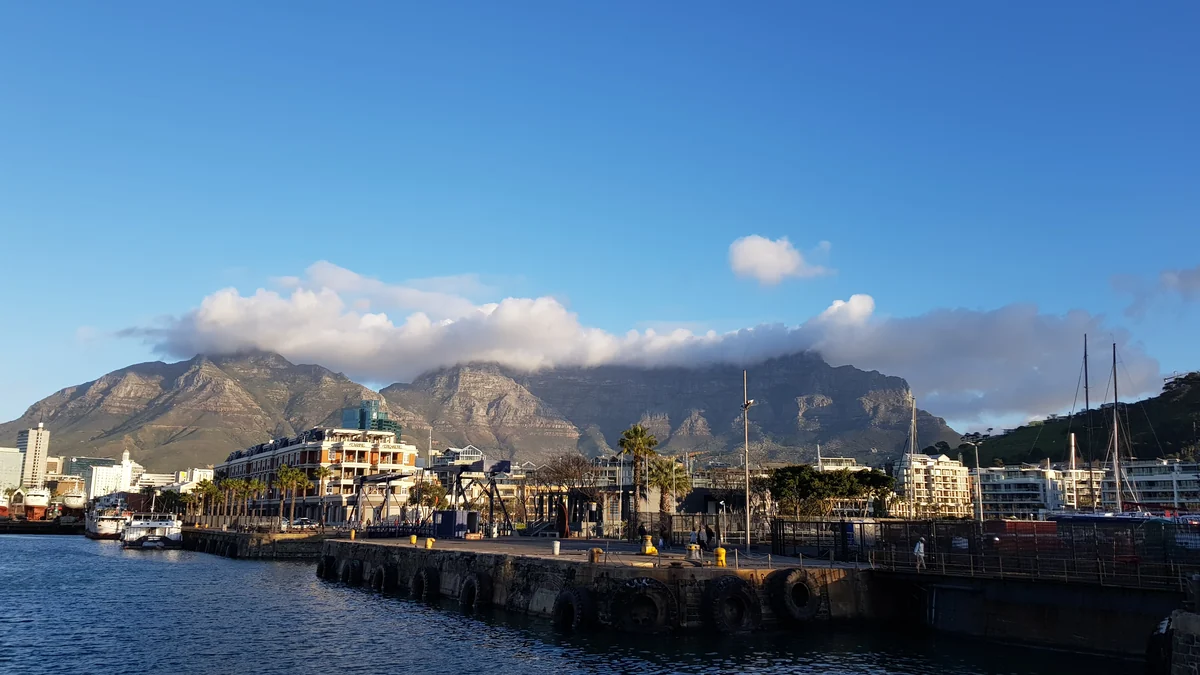
Cape Town cruise port uses the Cape Town Cruise Terminal at E Berth in Duncan Dock, beside the V&A Waterfront. It is one of the most convenient major cruise terminals in southern Africa, but convenience should not be confused with a small destination. Table Mountain, Robben Island, the city bowl, Cape Peninsula, winelands and airport logistics compete for limited time, while wind and traffic can overturn a plan that looked simple on paper.
For a first day call, CruisePing recommends treating Table Mountain as the weather-sensitive priority and the V&A Waterfront or city bowl as the flexible fallback. Cape Point and the peninsula deserve a separate long excursion; Robben Island deserves a pre-booked protected block. For turnaround passengers, a pre- or post-cruise stay is far better than attempting a major tour between the gangway and a same-day flight.
Cape Town Cruise Port at a Glance
| Port name | Cape Town |
|---|---|
| Main arrival area | Cape Town Cruise Terminal, E Berth, Duncan Dock beside the V&A Waterfront |
| Cruise region | Africa |
| Country / Territory | South Africa |
| Currency | South African rand (ZAR) |
| Languages | English, Afrikaans and isiXhosa |
| Port role | Day Call / Departure / Turnaround |
| Disembarkation | Berthed at a modern cruise terminal, subject to operational assignment |
| Walkability | Good to the V&A Waterfront; planned transport needed beyond it |
| Shuttle required | No for the Waterfront in normal conditions; yes or advisable for most wider sights |
| Main transport | Walking, authorised taxi or ride-hail, MyCiTi where suitable, private driver and organised tour |
| Best first-time plan | Go to Table Mountain first when operating, then explore the city bowl and V&A Waterfront |
| Main caution | Wind closures, Robben Island ferry disruption, city traffic and turnaround luggage can invalidate a tightly chained plan |
The Terminal and Waterfront Form One Practical Zone
After customs and security, passengers can normally reach the V&A Waterfront without a long city transfer. This makes restaurants, shops, museums, harbour views and Robben Island departures useful both as first stops and as return-protected fallbacks. The official V&A Waterfront harbour information explains the working maritime setting, while the V&A Waterfront site provides current visitor information. Follow the marked pedestrian route rather than crossing operational dock roads.
Photograph the terminal entrance and check any ship shuttle before leaving. CruisePing recommends keeping the Waterfront for later unless Table Mountain is closed, because its proximity makes it the easiest place to use spare time safely. Passengers with luggage should not assume every attraction or shop will store bags. Turnaround travellers need a confirmed hotel, cruise-line service or secure facility before treating the Waterfront as a casual waiting room.
Table Mountain Must Be Planned Around Live Conditions
Use the official Table Mountain Cableway site and its live operating information on the morning of arrival. Check queue and weather status again before leaving the terminal. The cableway is weather-dependent, and the mountain can close because of wind or visibility even when the harbour looks pleasant. A fixed afternoon slot may fail after a clear morning, while a closed early period can reopen later.
Do not attempt a summit hike on a normal cruise call unless you are experienced, properly equipped and working with a professional guide. The cableway closure that affects descent can also trap an improvised hiking plan. CruisePing recommends going directly to the lower cable station when the mountain is open and the summit is visible. Keep tickets flexible where possible and have a city alternative ready rather than waiting indefinitely beside a closed entrance.
A City Bowl Route Needs Selection
Company’s Garden, the historic centre, Bo-Kaap, District Six context and museums can form a strong half-day, but they are not one compact attraction. Traffic, gradients and opening patterns mean that a driver or focused guide adds more than a broad panoramic coach. CruisePing recommends using transport between the Waterfront, city centre and Bo-Kaap, then walking short interpreted sections. Independent visitors should obtain current local safety guidance before choosing quiet side streets or displaying cameras.
The official Cape Town Tourism guide is useful for choosing current attractions. Build the route around two themes—perhaps civic history and Bo-Kaap, or art and the garden—rather than collecting unrelated stops. Schedule indoor museums for the hotter or windier part of the day. A city route is also the best fallback when the mountain closes, because it can expand or contract without threatening the return.
Robben Island Is a Protected Half-Day Commitment
CruisePing recommends choosing Robben Island instead of Table Mountain on a short call, not assuming both will fit. On a long call, take the earliest protected ferry and retain a weather-independent afternoon close to the Waterfront. The ferry and island tour take a substantial block of time, with departure, crossing, bus movement and the prison visit operating as one sequence. It cannot be reduced to a quick boat ride when another attraction runs late.
Wind and sea conditions can delay or cancel ferries. Never place a privately arranged peninsula tour immediately after the scheduled return, and do not book the final sailing that reaches the Waterfront close to all-aboard. The official Robben Island Museum states the tour duration and publishes current departures. Book only through the museum or an authorised channel and check the collection point, identification requirements and cancellation policy.
The Cape Peninsula Is a Full Excursion
Cape Point, the Cape of Good Hope, coastal roads, penguins and scenic suburbs can fill a long day even before stops expand. The peninsula is not a quick extension from Table Mountain; it pulls the itinerary south and introduces traffic on a limited road network. Use the official Cape Town visitor guide to identify the places that matter, then require the operator to state the exact route and turn-around. Chapman’s Peak, weather and road works can alter the sequence.
CruisePing recommends a ship excursion or proven cruise operator for the peninsula. Choose either a focused Cape Point route or a penguin-and-coast route rather than forcing every attraction into one vehicle day. Leave the farthest point early enough to absorb congestion approaching the city. A beautiful final beach stop should be dropped before the return margin is reduced.
Boulders Penguins Need Responsible Viewing
The Cape Town Tourism information can help with current planning, while the conservation-site rules displayed locally govern behaviour. A timed excursion reduces the risk of arriving with several large groups. The African penguin colony is a major attraction, but its popularity can create queues and crowding. Visitors should remain on designated paths and platforms, respect barriers and avoid treating wild birds as props for close photographs.
Walking surfaces and steps vary across the viewing routes. Ask the operator which entrance is used and how close the vehicle can approach if mobility is limited. CruisePing would include Boulders on a peninsula day when wildlife matters, then simplify another coastal stop. It is not a sensible add-on after Robben Island or a slow Table Mountain visit.
Kirstenbosch Is the Best Calm Alternative
Kirstenbosch National Botanical Garden offers mountain scenery, indigenous planting and flexible walking without relying on the cableway or a ferry. It works especially well for repeat visitors, garden lovers and calls affected by wind. CruisePing recommends a driver or organised transfer, followed by a route chosen for the group’s mobility. Combine the garden with one city stop or a scenic drive, not the full peninsula.
The official city tourism site includes the garden among the city’s principal attractions. Check current opening information and seasonal conditions before choosing a long trail. Weather at the garden can differ from the Waterfront. Carry a layer, water and footwear suitable for slopes; the most ambitious elevated paths are unnecessary on a cruise deadline.
The Winelands Belong to a Dedicated Day
CruisePing recommends two well-chosen estates and a town stop on a long call, with one person remaining fully responsible for the ship deadline. A ship excursion gives useful protection when the schedule is tight. Stellenbosch, Franschhoek and surrounding estates offer serious food, wine and architecture, but road distance and tasting time make the region a separate excursion. A few rushed glasses between city sights do not represent the experience well.
Do not combine the Winelands with Cape Point. The routes lie in different directions and the resulting day depends on perfect traffic while reducing every visit to a tasting counter. Use the official Cape Town guide for orientation and select a licensed operator with a clear drink-driving policy. Ask how many estates are planned and whether lunch is fixed or open-ended.
Public Transport Is Useful but Not Universal
MyCiTi buses can support selected city and waterfront journeys, but they are not the best tool for every attraction or for passengers carrying cruise luggage. Routes, payment and service changes must be checked before relying on them. Use the official MyCiTi journey planner for live routes and current travel requirements. Do not rely on an old airport-bus article or a timetable copied from a forum.
CruisePing recommends walking the Waterfront and using authorised taxi or ride-hail transport for Table Mountain and time-critical city transfers. Public transport suits confident independent visitors with a simple route and generous margin. Allow for the walk from a bus stop to the actual attraction. A route that appears direct can still include a hill, ticket queue or final shuttle beyond the scheduled service.
Safety Advice Should Shape Routes, Not Create Panic
The official tourism organisation provides current visitor guidance. The terminal and V&A Waterfront are managed visitor zones, but that does not make every route between major sights equally appropriate on foot. Cape Town welcomes large numbers of visitors, but conditions vary by district and time. Use current local advice, avoid isolated walking with visible valuables and choose authorised transport for unfamiliar areas, especially after dark.
Do not accept unsolicited assistance at cash machines or transport ranks. Keep phones controlled, separate a small spending amount and use established providers rather than negotiating from the roadside. CruisePing recommends asking the hotel, ship or visitor centre about the exact route planned that day. A short taxi between the city bowl and Waterfront can be a sensible choice even when the map distance looks walkable.
Mobility Planning Is Attraction-Specific
The modern terminal is only the first stage. Cableway queues, summit paths, ferry gangways, cobbled historic areas and long coach days create very different barriers, so “accessible Cape Town” is too broad a question. CruisePing recommends one major attraction with a suitable transfer, followed by the accessible Waterfront. A private driver can reduce walking and preserve flexibility if the mountain or ferry changes.
Check the cableway accessibility information and Robben Island Museum guidance directly, then confirm the day’s vehicle and boarding arrangements with the operator. Wheelchair users should ask where the ship gangway meets the terminal and whether any shuttle uses a lift. Turnaround luggage should be solved independently of mobility assistance.
Weather Has Several Different Failure Modes
Build a hierarchy rather than one chain: mountain when open, city and garden when windy, Waterfront and museums when rain is heavy. CruisePing prefers a flexible driver to a prepaid sequence of unrelated timed tickets. Cape Town weather is not simply sunny or wet. Wind can close the cableway, sea conditions can stop Robben Island ferries, cloud can remove the summit view and rain can slow peninsula roads while the Waterfront remains usable.
Carry layers in every season. The terminal can be cool and windy while the city bowl is warm, and the summit can feel much colder than the harbour. Check the South African Weather Service, the cableway live status and the museum departure information separately. Each controls a different part of the plan.
Turnaround Days Need Their Own Strategy
Embarkation and disembarkation involve luggage, check-in windows, immigration and airport transfers. They should not be treated as ordinary day calls with a tour squeezed into the middle. Cape Town International Airport lies far enough away that traffic must be respected. Use the cruise line’s transfer information, current airline advice and the official city transport site only after confirming which services actually suit luggage and the required terminal. A pre-booked private transfer is usually the cleanest option.
CruisePing recommends at least one pre- or post-cruise hotel night for a major sightseeing plan. On a same-day flight, go directly between ship, secure luggage and airport unless the departure is very late and a reputable operator guarantees the sequence. Never leave suitcases in a normal sightseeing vehicle without clear security and insurance arrangements. The terminal may not allow early baggage drop before the cruise line opens check-in.
Pre- and Post-Cruise Time Changes the Value Equation
The official Cape Town guide provides neighbourhood and attraction planning for a longer stay. Choose accommodation around the Waterfront or city bowl according to evening plans, transport comfort and luggage needs. Cape Town rewards two or three days more than almost any single call in the region. A stay allows Table Mountain to move around the weather, gives Robben Island a second chance and separates the peninsula from city sightseeing.
Do not build the whole stay around a single mountain slot. Keep a garden, museum, food or coastal alternative ready, because the city’s variety is the protection against weather disappointment. CruisePing recommends using the cruise day for what is operationally easiest, then placing the weather-fragile attraction on the land-stay day with the best forecast. This avoids paying for repeated transfers from the terminal.
Food Works Best as a Neighbourhood Choice
Cape Town’s food scene ranges from Waterfront restaurants to city, Bo-Kaap, Constantia and Winelands dining. A cruise day benefits from choosing a meal that supports the route rather than crossing the city for a famous booking. CruisePing recommends lunch at the Waterfront after Table Mountain, or within the chosen city or peninsula route. Dietary needs should be sent to a tour operator in advance.
The official tourism site is useful for current neighbourhood ideas. Confirm service time and location, particularly when a tasting menu or long lunch could dominate the afternoon. A reservation close to the terminal is an excellent fallback when weather cancels the main attraction. Keep it flexible until the cableway or ferry status is known.
What to Skip on a First Visit
CruisePing recommends Table Mountain first when operating, then the city and Waterfront. Choose Robben Island instead when it is the personal priority, and reserve the peninsula for a dedicated excursion or land stay. Skip Table Mountain, Robben Island and Cape Point in one call; the geography and timed operations make the combination unrealistic. Also skip a same-day airport tour with unsecured luggage or a private peninsula driver who offers no firm return time.
A successful day ends near the terminal with options still available. If the plan has no answer to wind, ferry cancellation or traffic, it is not ready. The official cableway, Robben Island Museum and Cape Town Tourism sources each describe experiences substantial enough to stand alone. Their value is reduced, not increased, by a rushed chain.
A Two-Ship Day Changes Queues and Transport
When more than one cruise ship is in port, terminal traffic, taxis, cableway demand and Waterfront restaurants can fill earlier than independent visitors expect. The solution is not to reserve every minute; it is to move the weather-sensitive priority to the earliest workable slot and pre-book the first essential transfer. Ask whether the ship provides a shuttle beyond the terminal and use an authorised pickup point that avoids blocking coaches.
CruisePing recommends checking the harbour schedule and attraction status before breakfast, then leaving promptly when the mountain is open. If queues are already long, a private city route or Kirstenbosch may produce a better day than spending hours at the lower station. Keep the Waterfront meal flexible and book Robben Island only through the official system. A second ship also strengthens the case for returning early, because security and ride-hail demand can peak together.
Airport Transfer Planning Needs Door-to-Door Detail
A turnaround plan should state when luggage leaves the cabin, where it is collected, how long terminal formalities may take, where the driver waits and which airport terminal the airline uses. The road journey is only one component. International check-in, security and possible baggage queues require a conservative airport arrival, while early disembarkation does not guarantee that a hotel room or cruise-line transfer is ready.
CruisePing recommends booking the transfer before sailing and carrying the driver contact offline. Passengers with a late flight can use a luggage-secure city or Winelands tour, but the operator must confirm vehicle storage, insurance, final route and airport target. A peninsula tour is a poor fit unless the flight is the following day. When the flight is early afternoon, go directly to the airport rather than converting every delay into anxiety.
Overnight Calls Should Be Split by Geography
An overnight call removes the same-day gangway pressure but does not make the city smaller. Use the first day for the peninsula or Winelands, where distance benefits most from the later return, and keep Table Mountain, Robben Island or the city for the second day according to weather. Confirm whether the terminal remains open overnight and what identification is needed for re-entry.
CruisePing recommends staying ashore for dinner in the Waterfront or a pre-arranged central venue rather than returning to the ship between every activity. Use authorised transport after dark and preserve a clear second-day all-aboard margin. The overnight is most valuable when it prevents doubling back: one regional route, one city route, and enough flexibility to move the mountain to the clearest window.
CruisePing Recommended Port Day
Check the cableway status before leaving the ship. When Table Mountain is open and visible, take an authorised taxi, ride-hail or tour directly to the lower station, then return through the city bowl for one focused neighbourhood or museum stop.
Finish at the V&A Waterfront, which protects the return and provides food, shopping, harbour views and museums. Choose Robben Island instead of the mountain when the island’s history is the stronger personal priority and a suitable official departure is available.
CruisePing recommends a separate ship excursion or proven operator for Cape Point and the peninsula. Turnaround passengers should solve luggage and airport transport first and use a pre- or post-cruise stay for serious sightseeing.
For a day call, download tickets, contacts and booking references before leaving the terminal, then keep the schedule modular. When the cableway closes after departure, redirect immediately to the city or Kirstenbosch rather than waiting for a promised reopening. When Robben Island cancels, use the Waterfront museum and city options without committing to a distant peninsula departure late in the morning. This discipline prevents weather disappointment from becoming transport risk. Passengers returning from a regional route should ask the driver to use the terminal’s current authorised approach, because event traffic and harbour controls can make an old drop-off point unsuitable.
Leave a contact plan for anyone separating at the Waterfront and name one terminal meeting time. The area is easy to enjoy independently, but large crowds and several entrances can delay a group that relies only on messages sent at the last minute.
Weather & Best Time to Visit Cape Town
| Period | Typical high | Typical low | Cruise-day implication |
|---|---|---|---|
| December to February | 27°C | 17°C | Warm, dry summer; strong wind can still close the cableway and affect ferries. |
| March to May | 24°C | 14°C | Milder transition with mixed conditions and generally comfortable city touring. |
| June to August | 18°C | 8°C | Cooler, wetter winter; build around museums, food and flexible weather windows. |
| September to November | 23°C | 13°C | Changeable spring with wind, showers and improving daylight. |
Use the South African Weather Service, then check the cableway status and Robben Island Museum separately. One forecast cannot confirm all three operations.
Carry layers and keep tickets flexible. Wind matters more than temperature for the mountain, while sea state controls ferries and traffic controls the peninsula.
Cape Town Cruise Port FAQs
Where is the Cape Town cruise terminal?
At E Berth in Duncan Dock, beside the V&A Waterfront, subject to normal operational assignment.
Can I walk to the V&A Waterfront?
Usually yes after terminal clearance, using the marked pedestrian route.
Should I do Table Mountain or Robben Island?
Choose one as the protected priority on a short call. Table Mountain is weather-sensitive; Robben Island is a timed half-day ferry and tour.
Can I visit Cape Point independently?
A dedicated organised tour or private driver is safer for the deadline. It is a long regional excursion.
How should I handle an embarkation-day flight?
Prioritise luggage, check-in and a pre-booked airport transfer. Serious sightseeing is better on a hotel night before or after the cruise.
Is Cape Town accessible?
Many parts can be, but each attraction has different gangways, queues, paths and vehicles. Confirm the exact route and transfer.
Useful Official Links
- V&A Waterfront harbour and marina
- Cape Town Tourism
- Table Mountain Cableway
- Table Mountain operating status
- Robben Island Museum
- MyCiTi
- South African Weather Service
CruisePing Port Verdict
Cape Town is a major gateway with an unusually convenient terminal, but its attractions are too substantial and weather-sensitive to be stacked carelessly. The smartest plan keeps the Waterfront as a safe finish and gives one headline experience protected time.
CruisePing recommends Table Mountain first when open, followed by a focused city route and the Waterfront. Choose Robben Island or the peninsula as deliberate alternatives, and use a pre- or post-cruise stay to remove the worst weather and airport compromises.
Ready to browse our article library?
Looking beyond Cape Town? Explore more ports in the Africa region, or narrow it to South Africa in particular. For cruise comparisons, planning shortcuts and value guides, head over to our main article archive.