Parks Australia shows why Christmas Island Australia cruise port is unlike a conventional Australian coastal call: much of the island is protected rainforest and the defining experiences involve endemic wildlife, remote roads and a very small community. Ships generally use small boats or tenders rather than a large passenger terminal.
Flying Fish Cove is the practical arrival area and the easiest place for a swim or local walk, but a pre-arranged vehicle is needed for a meaningful island circuit. Red crab movements, rain, road closures and park access can reshape the route. The best plan follows current local conditions rather than a rigid online checklist.
Christmas Island Cruise Port at a Glance
| Port name | Christmas Island |
|---|---|
| Main arrival area | Flying Fish Cove or the ship’s nominated small-boat landing |
| Cruise region | Australasia / Pacific Islands |
| Country / Territory | Australia |
| Currency | Australian dollar (AUD) |
| Languages | English, with Malay and Chinese community languages |
| Port role | Day call |
| Disembarkation | Tender / small-boat landing |
| Walkability | Limited to Flying Fish Cove and Settlement; principal natural sites need a vehicle |
| Shuttle required | Call-dependent; guided or pre-booked transport strongly recommended |
| Main transport | Tender, excursions, guided vehicles, limited taxis and rental cars |
| Best first-time plan | Take a locally guided national-park circuit shaped by current wildlife and road conditions |
| Main caution | Limited vehicle capacity, remote roads, wildlife closures and a tender return |
Christmas Island Australia cruise port centres on Flying Fish Cove
Parks Australia’s Flying Fish Cove information identifies the island’s main settlement and a popular shore-access area. Cruise operations can use tenders or ship boats, with the exact landing controlled by the vessel and local conditions. The cove is the practical base for services, but most of the island’s distinctive nature lies beyond walking distance.
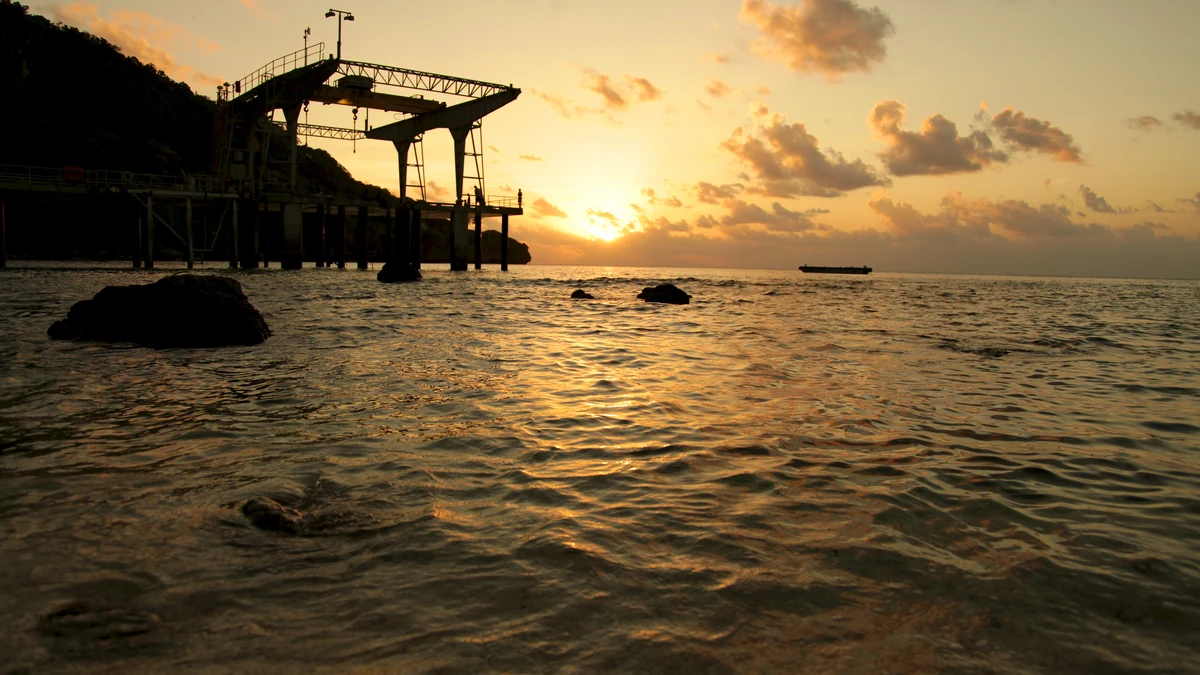
Do not assume the cargo jetty shown in photographs is a conventional cruise berth. Follow the ship’s landing instructions and treat the cove as the transfer point for a pre-arranged island route. Vehicle availability is limited, so a rental or guide should be confirmed well before arrival.
The island is a nature destination with limited cruise-day capacity
Christmas Island National Park protects much of the island’s rainforest, coastline and endemic wildlife. The appeal is not a large attraction list but the chance to see forest, seabirds, crabs and remote coves in a compact yet logistically difficult setting.
Roads and tracks can close for maintenance, weather or wildlife movements. A local guide adds value by knowing which routes are currently usable and where animals are being seen. Avoid demanding a fixed checklist from an operator when conditions make another route more responsible.
Planning the island circuit
Red crab migration can reshape the whole day
The red crab migration is one of the island’s defining natural events, usually triggered by seasonal rain and lunar timing rather than a fixed tourism calendar. Road closures and temporary crab bridges protect the movement from forest to coast. A ship call during the migration may receive an extraordinary experience, but transport routes can be slower or restricted.
Never handle crabs, block their path or leave the marked route for a photograph. Listen to local wardens and guides. Outside the mass migration, red crabs still occur across the island, so drivers must remain cautious and visitors should watch where they step.
Pre-booked transport is essential for an island circuit
Flying Fish Cove, Settlement and nearby services can be explored locally, but the national park, blowholes, bird sites and remote beaches need a vehicle. The island’s small resident population means cruise-day demand can exceed supply quickly. A taxi found after landing may not wait or return from a distant track.
Use a ship excursion, established guide or confirmed rental. Check fuel, spare tyre, mobile coverage and road permissions if self-driving. Return to the cove with a substantial margin; a puncture or road closure on a remote loop cannot be solved as quickly as in mainland Australia.
The Blowholes and coastal roads are condition-dependent
The Blowholes are reached through national-park roads and a walking area where waves force air and water through coastal rock. Their drama depends on swell, but the same conditions can make the coastline hazardous. Stay behind barriers and do not approach wet rock for a closer photograph.
Road and boardwalk access should be checked on the day. A closure is not an invitation to walk around a gate. Choose another park site rather than spending scarce call time trying to reach a location that managers have declared unsafe or unavailable.
Flying Fish Cove can support swimming and snorkelling
The cove is one of the island’s more accessible water areas, with coral and marine life close to shore under suitable conditions. Entry, current and visibility vary, and there may be boat activity around the landing. Ask local staff where swimming is permitted during the cruise operation.
Use reef-safe behaviour: do not stand on coral, chase wildlife or remove shells. Strong sun and warm water can hide dehydration. Passengers who snorkel should use a buddy, remain within comfortable depth and allow time to dry and repack before the tender.
Wildlife and remote beaches
Birdwatching works best with a guide and realistic expectations
Christmas Island supports endemic and significant seabird populations, including species associated with the cliffs and rainforest. A guided circuit can use current knowledge of nesting areas without disturbing them. Binoculars are more useful than approaching a bird for a phone photograph.
Breeding seasons and access rules vary. Keep noise low, remain on tracks and follow any distance requirements. The reward is understanding the island as an ecological system rather than collecting a long list of sightings.
Dolly Beach and remote coves are not casual cruise stops
Some celebrated beaches require rough roads and walking through rainforest. Heat, mud, fallen branches and the return distance can turn a short-looking route into a substantial excursion. Coconut palms and remote shorelines also introduce falling-object and sea hazards.
Only attempt a remote beach with current local advice, suitable footwear, water and confirmed transport. A cruise call is not the time to begin an unfamiliar unmarked hike. Flying Fish Cove is the safer water fallback when the deeper island route is uncertain.
Community, biosecurity and limited services
Settlement reflects a diverse island community
Christmas Island’s population includes Chinese, Malay and Australian cultural influences shaped by phosphate mining, migration and isolation. Food, religious buildings and community life add depth to a nature-focused call. Dress and behaviour should reflect the setting rather than assuming every part of the island is a beach resort.
Ask before photographing worshippers or community events. Cruise demand can overwhelm small cafés, so order patiently and carry an alternative snack. Australian dollars are used and card acceptance is common in established businesses, but network reliability should not be taken for granted.
Biosecurity and wildlife rules deserve attention
The island’s endemic species are vulnerable to introduced pests and disease. Clean footwear and equipment, obey quarantine instructions and do not carry plant material between sites. Food should not be left where it attracts wildlife.
Do not feed crabs, birds or fish. A close encounter created by food changes behaviour and can injure the animal. The best wildlife photograph is one taken from the distance requested by local guides and park signs.
Health and emergency support are limited by remoteness
Christmas Island is Australian territory, but it is remote from major specialist care. Carry essential medication and do not undertake a difficult walk that exceeds your normal ability merely because the ship is nearby offshore. Travel insurance and the cruise line’s medical arrangements still matter.
Heat illness, slips and water incidents are more plausible cruise-day problems than exotic hazards. Tell the guide about relevant limitations, stay hydrated and keep the group together. Mobile service may not be dependable in national-park areas.
Weather and return buffers
Rain can alter roads without ruining the call
Tropical rain can make forest colours and crab activity more vivid, but it also creates slippery tracks, potholes and reduced visibility. A guide may change the order or remove a remote stop. That adaptation is evidence of local judgement, not a failure to deliver the advertised day.
Carry a light waterproof layer and protect electronics. If access deteriorates, use Settlement, Flying Fish Cove and a shorter forest route instead of pushing deeper into the island.
Protect a larger return buffer than the map suggests
The island is only about twenty kilometres long, but roads are narrow and routes can be interrupted by wildlife, maintenance or weather. The final tender may also take time. A tour should aim to be back in the cove well before the ship’s stated deadline.
CruisePing would not self-drive to the far side of the island without a conservative turn-around time and a reliable vehicle. The remoteness that makes Christmas Island special is precisely why timetable recovery is difficult.
Industry, diving and road logistics
Phosphate mining is part of the island’s visible history
Christmas Island’s settlement and infrastructure were shaped by phosphate mining as well as conservation. Industrial areas, rail remnants and community histories complicate the image of an untouched tropical island. A good guide can explain how employment, migration, land use and environmental protection have interacted over time.
Do not enter active or restricted industrial areas for photographs. The story is best understood through authorised viewpoints and local interpretation, not by wandering around machinery or assuming that every road is public.
Diving is a specialist product, not a casual shore add-on
The island is known for deep water close to shore and clear tropical diving, but a cruise-day dive requires certification checks, equipment, medical suitability and a schedule built around the tender. A normal operator departure for staying visitors may leave before passengers can disembark or return without enough margin.
Book only with an established operator who has accepted the ship timetable in writing. An introductory or snorkel experience may be more realistic than a two-dive boat day. Flying after diving is not normally relevant during a sea voyage, but individual medical and cruise-line guidance still applies.
Driving conditions are more demanding than the island’s size suggests
Roads can be narrow, steep, potholed or crossed by crabs and other wildlife. Some park routes are unsealed, and heavy rain can create washouts or fallen branches. A standard rental agreement may restrict where the vehicle can go. Ask before setting out and do not assume that a map pin proves legal access.
Carry the rental contact, know how to change a tyre and remain within mobile coverage where possible. A guide removes much of this uncertainty and can adjust the route when a road closes.
Settlement, Poon Saan and the cove form different local areas
The island’s residential and commercial life is spread among small districts rather than one continuous town centre. Flying Fish Cove provides the marine base, while other neighbourhoods contain shops, food and community institutions. Walking between them in heat and on steep roads is less practical than the distances suggest.
A short local vehicle loop can add cultural and historical context without committing to the remote national park. It is a useful fallback when rain closes tracks or the tender leaves limited time.
Cruise-day capacity can be exhausted quickly
A large ship can temporarily increase demand for vehicles, guides and food by many times. Reserve the experience that matters most rather than expecting to decide after landing. Operators may limit group size to protect wildlife and manage roads; that is a sensible constraint, not poor service.
Passengers without a booking should ask the visitor point what is realistically available and avoid pressuring a private resident to provide an unofficial lift. The cove and Settlement can still support a worthwhile day.
CruisePing Recommended Port Day
Book a guided island circuit that begins and ends at Flying Fish Cove and lets the operator select the best currently open wildlife, forest and coastal sites. Prioritise red crabs or seabirds when locally active, add one coastal landscape and leave enough time for the cove.
For a shorter or uncertain call, remain around Flying Fish Cove and Settlement. Snorkel or swim only where advised, explore the community at a respectful pace and avoid hiring an unconfirmed vehicle for a distant self-drive loop.
Weather & Best Time to Visit Christmas Island
Christmas Island has a tropical equatorial climate, with warm temperatures throughout the year. The wetter monsoon period generally brings heavier rain and greater humidity, while the drier months often provide easier road and walking conditions. Rainfall timing also influences red crab migration.
| Month/season | Typical high | Typical low | Rain/conditions |
|---|---|---|---|
| December–April | 29°C | 24°C | Wettest and most humid; monsoon rain, thunderstorms and rough sea conditions possible |
| May–June | 29°C | 24°C | Transition towards drier weather, though heavy showers remain possible |
| July–October | 28°C | 23°C | Usually drier with more reliable road access; trade winds can affect the sea |
| November | 29°C | 24°C | Heat and humidity rise; early wet-season rain may trigger wildlife movement |
Check the Bureau of Meteorology Christmas Island forecast and current national-park alerts. Red crab migration dates cannot be guaranteed far ahead because rainfall and lunar timing are central to the event.
Practical Questions for a Christmas Island Cruise Call
Where do cruise passengers arrive?
Usually at or near Flying Fish Cove, subject to the ship’s operational plan.
Can I explore the national park on foot from the landing?
No. Most significant sites require pre-arranged vehicle transport.
Will I see the red crab migration?
Only if rainfall and lunar timing align with the call. Red crabs can still be seen outside the mass migration.
Can I rent a car after landing?
Supply is limited; reserve well ahead and confirm collection.
Is Australian currency used?
Yes, Australian dollars.
Can weather cancel the call?
Yes. Sea conditions can prevent safe small-boat operations.
Useful Official Links for Christmas Island
Use these current sources to confirm arrival arrangements, attraction access, tour timings and live weather before your call.
- Christmas Island National Park
- Flying Fish Cove
- Christmas Island tourism
- Parks Australia red crabs
- Bureau of Meteorology forecast
- UK travel advice for Australia
CruisePing Port Verdict
Christmas Island rewards passengers who accept that a remote nature call cannot be standardised. The cove is accessible, but the island’s real value comes from ecological context, current wildlife conditions and a route chosen by people who understand the roads and park.
Our preferred day is guided and flexible. See what the island is offering on that date, protect the wildlife and return early. A rigid self-drive checklist is less useful here than good local judgement.
Ready to browse our article library?
Explore more ports in the Australasia / Pacific Islands region, browse Australia cruise ports, or return to the main CruisePing article library.