
Copenhagen is a polished Baltic cruise call, but the port layout matters. Some ships use central or semi-central berths, while many larger calls use Oceankaj, north of the city centre. That changes whether the day begins with an easy stroll or a transport decision.
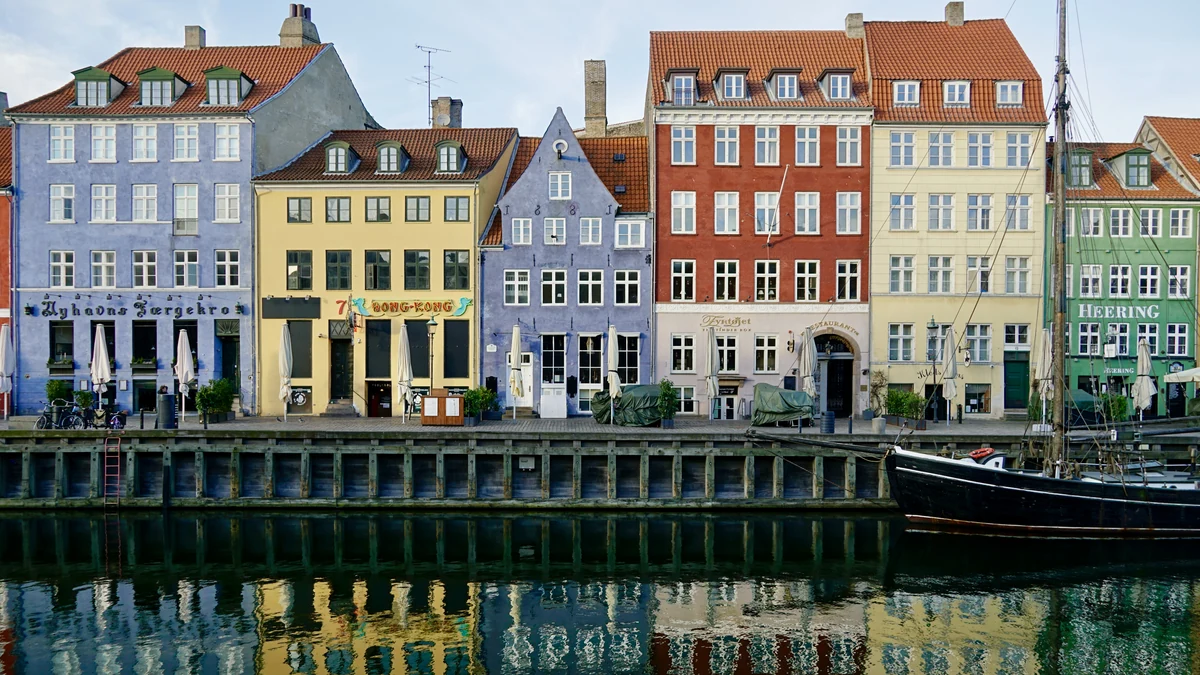
The reason passengers come is not the cruise quay; it is Copenhagen itself: Nyhavn, palaces, design, food, canals and a city centre that works well once you are in it. CruisePing would treat Copenhagen as a strong independent port, provided you solve the first transfer cleanly.
Copenhagen Cruise Port at a Glance
| Port name | Copenhagen Cruise Port |
|---|---|
| Main cruise area | Oceankaj or other Copenhagen cruise berths |
| Cruise region | Northern Europe & Baltic |
| Country / Territory | Denmark |
| Currency | Danish krone (DKK) |
| Language | Danish |
| Disembarkation | Docked |
| Walkability | Medium overall; higher once in the city centre |
| Main transport options | Shuttle, bus, metro/train links, taxi, walking |
| Best DIY option | City centre route around Nyhavn, palaces and canals |
| Main caution | Your berth decides how easy the first leg feels |
Weather & Best Times to Visit Copenhagen
March to May
High: 7–16°C
Low: 1–7°C
Rain / note: Spring is fresh; bring layers for harbour wind.
June to August
High: 19–22°C
Low: 11–14°C
Rain / note: The best walking season, though showers remain possible.
September to November
High: 8–18°C
Low: 4–11°C
Rain / note: Early autumn can be good; late autumn becomes darker and wetter.
December to February
High: 3–5°C
Low: -1–1°C
Rain / note: Cold, often windy, with short daylight.
Weather guide: CruisePing summary based on historical climate data for Copenhagen. Latest local forecast: latest forecast.
CruisePing weather note: In Copenhagen, weather changes the balance between harbour time and city walking. A bright day favours Nyhavn, canal boats, waterfront wandering and perhaps Tivoli, while wind or rain makes a direct transfer into the centre, museums, palaces and cafés a better use of time than lingering around exposed cruise berths.
Copenhagen is comfortable when the weather supports walking, canal boats and time around Nyhavn. If your ship is at Oceankaj, add the exposed terminal-to-bus stage to the plan; poor weather makes a direct transfer, metro route or canal-tour timing more important.
Where Cruise Ships Dock in Copenhagen
Copenhagen berth location changes the day. Langelinie and Nordre Toldbod feel close to the city, while Oceankaj sits farther north and normally requires a bus, shuttle, taxi or metro connection before sightseeing begins.
Before leaving the ship, check whether your call is at Oceankaj or a more central berth. That single detail determines whether Copenhagen starts with a scenic walk, a cruise shuttle, public transport or a taxi.
Getting Around Copenhagen Independently
From Oceankaj, the useful public-transport pattern is bus to Orientkaj and Metro M4 into the centre. From Langelinie or Nordre Toldbod, many passengers can walk or take a shorter taxi/shuttle depending on energy, weather and where they want to start.
CruisePing would not overpay for a panoramic coach tour if public transport from Oceankaj is running smoothly and your group is comfortable with it. Pay for a transfer when travelling with luggage, limited mobility, small children or a tight turnaround schedule.
CruisePing would use public transport from Oceankaj for independent adults who are comfortable with buses and metro systems. A shuttle, taxi or cruise transfer makes more sense for luggage, limited mobility, small children or a very tight call.
Cruise passengers should still add the parts that do not appear in the headline number: walking from the ship, waiting for the bus, buying or validating the ticket, and reversing the journey in the afternoon. From a central berth, the day can feel like a walk-off call; from Oceankaj, it is better treated as a simple but real transfer.
Copenhagen is easy once you know the berth. VisitCopenhagen describes the Oceankaj public-transport route as bus 25 from the terminal area to Orientkaj, then Metro M4 towards Kongens Nytorv, with the transport leg listed at about 20 minutes.
Transfer Time Reality Check: Oceankaj to Central Copenhagen
Best Things to Do from Copenhagen Cruise Port
CruisePing’s preferred Copenhagen day is independent: get from Oceankaj into the centre, then build a walking route around Nyhavn, Amalienborg, the harbour and a canal tour if timings work.
Nyhavn and Kongens Nytorv
Best for: Classic Copenhagen colour, cafés and easy orientation
Best way to do it: DIY after transfer into the city
Cruise-day caution: Busy in peak season; do not spend the whole day only photographing Nyhavn.
Amalienborg and Frederik’s Church
Best for: Royal Copenhagen and grand city architecture
Best way to do it: DIY on foot from the centre
Cruise-day caution: Works best as part of a compact walking loop.
Canal tour
Best for: Low-effort overview and good use of a short call
Best way to do it: DIY if departure times fit
Cruise-day caution: Check the boarding point and return time before committing.
Tivoli Gardens
Best for: Families or evening/turnaround stays
Best way to do it: DIY by public transport/taxi
Cruise-day caution: Opening times and seasonal closures matter.
The Little Mermaid
Best for: Famous photo stop near some routes
Best way to do it: DIY if it fits the walking/transit route
Cruise-day caution: Not worth distorting the whole day around on its own.
CruisePing Recommended Port Day
CruisePing’s preferred Copenhagen day is independent: get from Oceankaj into the centre, then build a walking route around Nyhavn, Amalienborg, the harbour and a canal tour if timings work. If your ship offers a simple shuttle to the centre, it may be worth taking even when public transport is cheaper.
How to Choose Your Copenhagen Port Day
Copenhagen is a superb cruise city, but the berth matters. Langelinie feels much more naturally connected to the centre, while Oceankaj usually needs a shuttle, taxi, bus or metro-linked transfer before the day really begins. Once you are in the city, the main challenge is not finding things to do; it is avoiding a scattered route.
For a first call, CruisePing would build the day around the historic centre and harbour: Nyhavn, Amalienborg, the waterfront, Christiansborg, Strøget and perhaps Tivoli if the timing works. That gives a strong Copenhagen experience without needing to chase every postcard sight.
The Little Mermaid is the classic cruise-photo decision. It is famous, quick and easy from some berths, but it is rarely the most rewarding centrepiece of the day. CruisePing would include it only if the route already passes nearby or if you particularly want the photograph. It should not take priority over the city’s better walking areas.
Families, food-focused visitors and repeat passengers may choose differently. Tivoli, the National Museum, canal boats, Torvehallerne, Rosenborg or Christianshavn can all justify reshaping the route. The key is to create one clean Copenhagen day rather than a checklist that zigzags between distant stops.
If the ship is at Oceankaj, give the transfer its due. A slightly more expensive shuttle or taxi can be worth it if it preserves your city time. CruisePing would rather spend money getting into Copenhagen cleanly than save a small amount and lose the best part of the morning to transport friction.
Copenhagen Routes That Work from the Ship
Classic first-call route: transfer, Nyhavn and the royal quarter
This is CruisePing’s default Copenhagen plan. Get cleanly from the berth into the centre, then focus on Nyhavn, Amalienborg, the waterfront, Kongens Nytorv and the older streets around the centre. It gives the city’s harbour colour, royal setting and café rhythm without making you chase sights across too wide an area.
Family-friendly route: Tivoli and central Copenhagen
Tivoli can be a strong cruise choice for families, but it works best when you accept that it will take a serious slice of the day. Pair it with a simple central walk rather than trying to add palaces, museums, canal boats and the Little Mermaid as well. Check opening times against the ship schedule before making it the anchor.
Culture route: palaces, museums and Christiansborg
On a cooler or wetter day, Copenhagen’s indoor choices become more attractive. Christiansborg, Rosenborg, the National Museum and design-focused stops can create a richer day than a windswept harbour walk. CruisePing would choose two strong cultural stops rather than move constantly between buildings just to tick off names.
Harbour route: canal boat, Nyhavn and waterside walking
In good weather, a canal or harbour boat can be a smart way to see more without tiring yourself out. This route is especially useful if the ship is berthed farther out and you want the city to feel more connected to the water. Build the boat around a clear central plan, not as an extra squeezed in after the day is already full.
Timing and Transport Judgement in Copenhagen
Copenhagen planning starts with the berth. From Oceankaj, the transfer into the centre is part of the day and should be treated as such. From Langelinie or closer berths, walking and short taxi hops become more realistic. Check the berth before deciding how ambitious the route should be.
If using shuttles, buses or metro links, CruisePing would make the outbound journey simple and save experimentation for the city itself. Losing the first hour to uncertainty at the terminal is poor value in Copenhagen because the central area is so rewarding once you reach it.
On a long call, it is tempting to add every classic sight: Nyhavn, the Little Mermaid, Tivoli, palaces, museums, canals and Christiania. That is too much for a relaxed port day. Choose a northern/waterfront emphasis, a central-palace emphasis, or a Tivoli/family emphasis and make the transport support that choice.
For the return, allow more time than the map suggests if you are at Oceankaj. Queues for shuttles, taxi availability and the distance back to the terminal can all add friction. Copenhagen is easy by European city standards, but the wrong berth assumption can still make the day feel rushed.
What CruisePing Would Prioritise in Copenhagen
CruisePing would prioritise Copenhagen’s central harbour-and-palace district for a first call. Nyhavn, Amalienborg, the waterfront and the older central streets give the city its strongest cruise-day identity. They are also flexible: you can add cafés, shops, a canal boat, churches or palace stops without creating a completely new route.
The second priority depends on who is travelling. Families may reasonably centre the day on Tivoli if opening hours fit. Culture-focused passengers may choose Christiansborg, Rosenborg or the National Museum. Food-focused visitors may prefer Torvehallerne, bakeries and a slower city walk. These are all good Copenhagen days, but they are different days.
What CruisePing would usually leave is Malmö, Louisiana Museum of Modern Art, Frederiksborg Castle or wider Zealand sightseeing on a first cruise call. They can be excellent in the right circumstances, but they pull you away from the core city experience and add transport risk. They make more sense for repeat visitors, overnight calls or pre-/post-cruise stays.
The Little Mermaid deserves a realistic place in the plan. See it if it is convenient, if your berth makes it easy, or if the photograph matters to you. Do not let it dominate the day. Copenhagen’s best cruise value is in the city’s streets, harbour, design, food and public spaces, not in building the whole route around one small statue.
Short Call or Long Call: How to Scale Copenhagen
On a short Copenhagen call, CruisePing would focus on getting into the centre efficiently and then choosing Nyhavn, Amalienborg and a compact central walk. Do not lose time chasing outlying sights from a distant berth.
On a longer call, add one major extra: Tivoli, a canal boat, Christiansborg, Rosenborg, the National Museum or a food-market stop. Copenhagen can absorb a longer day easily, but only if the route stays geographically sensible.
If the ship is overnighting, the city becomes much more flexible. Tivoli in the evening, a slower dinner, or a more local neighbourhood wander can be better than trying to complete every sightseeing stop by mid-afternoon.
Who Copenhagen Works Best For
Copenhagen works well for passengers who enjoy city walking, design, food, palaces and harbour atmosphere. It is also a good port for families if Tivoli fits the timing. The main caution is berth location: passengers expecting a simple walk-off day from every Copenhagen call may be surprised if the ship is at Oceankaj.
The city is less ideal for travellers who want one single obvious attraction to structure the whole day. Copenhagen is better as a composed route: a transfer, a few connected neighbourhoods, one or two major stops, and time to enjoy the public spaces. Trying to make it a race between famous names usually weakens the day.
Passengers who enjoy cafés, waterside wandering and public transport will get more from Copenhagen than those who want a single escorted landmark stop. The city rewards a little independence, especially once the berth transfer is solved.
If you are nervous about getting around, buy simplicity rather than trying to master the whole transport network at the terminal. A shuttle into the centre followed by a walkable route is usually better than saving a small amount and starting the day confused.
DIY or Organised Excursion?
Copenhagen is a good DIY port once you reach the centre. Public transport is strong, English is widely usable in visitor areas, and the city rewards walking. Organised excursions make sense for passengers with limited mobility, for castle trips outside the city, or for anyone who wants the berth transfer and sightseeing bundled together. CruisePing would not book a generic panoramic tour if you are comfortable using a shuttle or bus and walking the centre yourself.
Port-Day Pitfalls and Value Hacks
- Best plan: shuttle or public transport into the centre, then walk Nyhavn and royal Copenhagen.
- Best organised option: out-of-city castles or low-mobility sightseeing.
- Main trap: assuming Oceankaj is a city-centre berth.
- Fallback: canal tour and Nyhavn if rain or fatigue cuts the walking route short.
Copenhagen Cruise Port Checklist
- Confirm whether your ship is at Oceankaj, Langelinie or Nordre Toldbod before choosing the route.
- From Oceankaj, plan the bus-to-Orientkaj and Metro M4 leg before buying attraction tickets.
- Anchor the first visit around Nyhavn, Kongens Nytorv, Amalienborg or a canal boat rather than scattering the day.
- Use Tivoli as a deliberate plan, not something to bolt onto every Copenhagen itinerary.
- Leave time to reverse the Oceankaj transfer, especially if several large ships are in port.
Useful Official Links for Copenhagen
- Copenhagen Malmö Port cruise terminal information
- VisitCopenhagen cruise terminal transport guide
- Copenhagen Metro official information
- Rejseplanen journey planner
FAQs
Why does the Copenhagen cruise terminal matter so much?
Because Oceankaj is not a walk-off city-centre berth. Langelinie and Nordre Toldbod are much easier for walking, while Oceankaj usually needs bus, metro, taxi or shuttle planning.
How do you get from Oceankaj to central Copenhagen?
VisitCopenhagen describes a route using bus 25 from Oceankaj to Orientkaj, then Metro M4 towards Kongens Nytorv. Allow extra time for walking from the ship, waiting and returning.
Is Copenhagen easy to do independently?
Yes, especially once you reach the centre. CruisePing would use DIY for Nyhavn, Amalienborg, canal boats and central walking unless luggage, mobility or turnaround timing changes the equation.
Should I include Tivoli Gardens on a cruise day?
Only if it is one of your main aims. Tivoli is easy to love but not essential to every Copenhagen port day; Nyhavn, the harbour and royal quarter are often better first-call choices.
CruisePing Port Verdict
Copenhagen is a very good independent cruise city once you solve the berth question. CruisePing would treat Oceankaj as a transport plan and central berths as walking opportunities, then focus the day around Nyhavn, the royal quarter, a canal boat or Tivoli rather than trying to cover everything.
Ready to browse our article library?
Looking beyond Copenhagen? Explore more ports in the Northern Europe & Baltic region, or narrow it to Denmark in particular. For cruise comparisons, planning shortcuts and value guides, head over to our main article archive.