
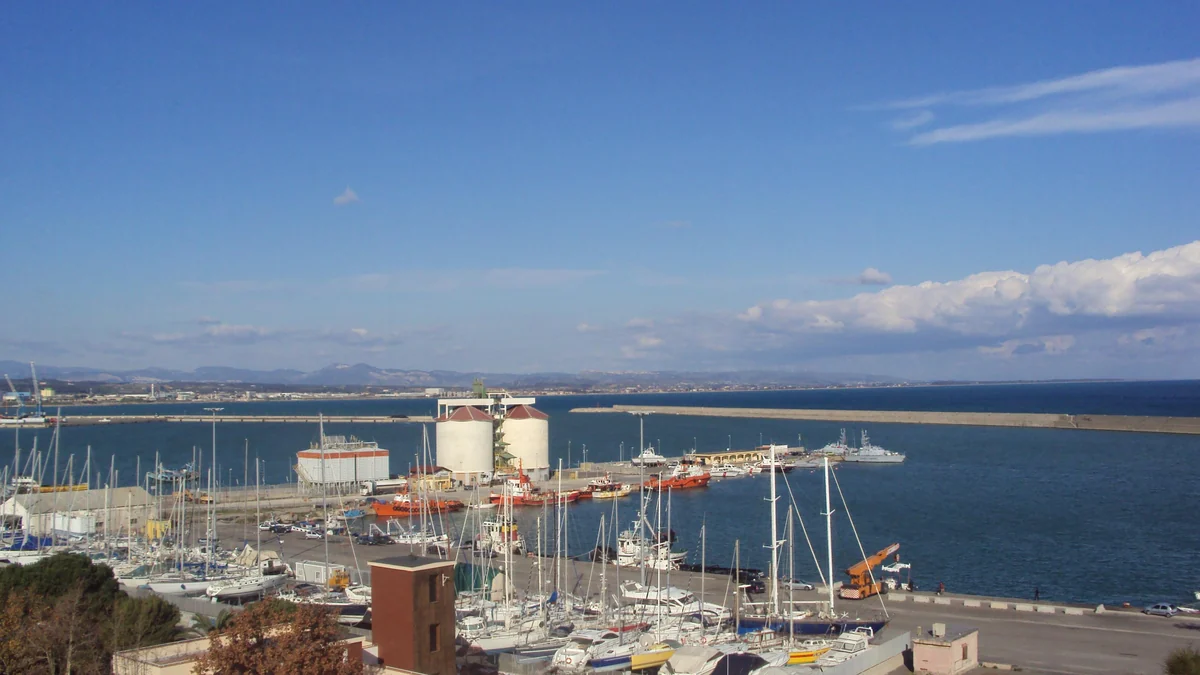
Crotone cruise port gives passengers a useful choice between a compact Calabrian city and the archaeological landscape of Capo Colonna. The harbour sits close enough to the centre for an independent walk, while taxis and organised excursions open a coastline shaped by Magna Graecia, castles and beaches.
The strongest first visit usually combines Capo Colonna with Crotone’s archaeological museum and old centre. Le Castella is a credible alternative for travellers drawn to a sea fortress and coastal scenery, but it should not be squeezed into every itinerary. Crotone works best when one regional excursion is paired with time in the city rather than when the call becomes a long chain of coach stops.
Crotone Cruise Port at a Glance
| Country | Italy |
|---|---|
| Typical arrival | Docked in the port area |
| Currency | Euro (EUR) |
| Best first excursion | Capo Colonna archaeological park |
| Best city sights | National Archaeological Museum, old town and Castle of Charles V |
| Best coastal alternative | Le Castella |
| Main caution | Limited shade at exposed archaeological and coastal sites |
Where Cruise Ships Arrive in Crotone
Crotone’s cruise facilities are part of a working port. Passenger routes, security controls and any shuttle arrangements can vary by berth and ship, so use the onboard notice. The official Crotone Cruise Port provides general destination and arrival information, but the sailing-specific instructions remain decisive.
Once outside the controlled area, the centre is close enough for walking on many calls. Confirm the exact return gate before setting off. A port that looks visually open from the waterfront may still require passengers to re-enter through a designated security point.
Taxis and excursion vehicles may meet in an assigned area rather than at the gangway. Photograph the meeting point and agree the final return location. This is particularly important for Capo Colonna or Le Castella, where waiting for a replacement taxi could consume the safety margin.
Walking from the Port into Crotone
A local route can connect the waterfront, old centre, market streets, cathedral area, archaeological museum and Castle of Charles V. The city is not arranged as a polished cruise enclave, which is part of its appeal. Ordinary businesses and local traffic sit alongside historic buildings and seaside spaces.
Start with the attraction that has the most restrictive opening arrangements, then use streets and cafés flexibly around it. The archaeological museum is the natural anchor for anyone planning Capo Colonna because its collections give context to the sanctuary and the wider Greek city of Kroton.
Walking conditions are generally manageable in the centre, though pavements, kerbs and historic surfaces vary. Summer heat can make a short map distance feel longer. Build shade and water stops into the route instead of treating the city as a quick interval between excursions.
National Archaeological Museum of Crotone
The museum is one of the most important stops in the port day. It holds material from ancient Kroton and the surrounding territory, including finds connected with the sanctuary of Hera Lacinia at Capo Colonna. Visiting before or after the archaeological park turns scattered ruins into a more intelligible story.
Check current hours and any closure day close to the cruise. The Italian Ministry of Culture pages are a more reliable source than a timetable copied into an old travel article. If the museum is the main interest, go early and allow proper time rather than leaving it until the final hour.
The museum also works as a weather fallback. Strong sun, wind or rain can reduce the pleasure of Capo Colonna, while the collections remain worthwhile. Passengers with limited mobility should ask about the accessible entrance and internal facilities rather than assuming that a historic city building is step-free.
Castle of Charles V and the Old Town
The Castle of Charles V dominates part of Crotone’s historic centre and gives the city route a clear landmark. Access to interiors or specific areas can change with restoration, events and local management, so treat exterior viewing as the minimum and verify what is open on the day.
The surrounding old town is best explored with time to turn into side streets, see churches and observe how the historic core meets the modern city. This is not a place where every façade has been arranged for visitors. A slower route reveals more than marching between map pins.
Combine the castle area with the museum and a meal rather than adding it as a hurried photograph after a long regional excursion. If Capo Colonna consumes the morning, the old town is a strong second half because it keeps the ship within easy reach.
Capo Colonna Archaeological Park
Capo Colonna occupies a headland south of Crotone associated with the sanctuary of Hera Lacinia. The surviving column is the most recognisable feature, but the value of the visit lies in the landscape, archaeological remains, museum and relationship between land and sea.
The site is exposed. In summer, go early with water and sun protection. In strong wind or heavy rain, the headland can lose some of its appeal and walking becomes less comfortable. Check the official Ministry of Culture information for the museum and archaeological park at Capo Colonna before travelling.
A taxi or organised excursion is the most straightforward cruise-compatible transport. Agree waiting time because the site is not a place to depend on finding an immediate vehicle back. Public transport information should be checked locally and against the ship schedule rather than assumed from a route map.
How Long to Allow at Capo Colonna
A rushed photo stop at the column misses the purpose of travelling there. Allow time for the museum or interpretation, the archaeological remains and the coastal setting. The exact duration depends on what is open, but the visit should feel like the centrepiece of the morning rather than an interruption between coach journeys.
Do not combine Capo Colonna and Le Castella merely because both lie south of Crotone. A private route may make the combination possible on a long call, yet it creates more road time and less flexibility in the city. Choose the second stop only when the port hours comfortably support it.
For passengers interested in ancient history, returning to Crotone’s national museum after Capo Colonna creates the strongest narrative. For passengers who prefer scenery, follow the headland with lunch and a waterfront walk instead.
Le Castella
Le Castella is known for its Aragonese fortress standing in shallow water beside the coast. The setting is highly photogenic and the village can support a pleasant combination of castle views, seaside walking and lunch. It is a distinct alternative to the archaeology-led Capo Colonna day.
Interior access to the fortress, causeway conditions and opening arrangements should be checked before the cruise. Even when the interior is closed, the exterior setting remains the main attraction. A taxi, private driver or organised excursion provides the safest return to Crotone.
Choose Le Castella when coastal architecture and atmosphere matter more than museum depth. It can suit families and repeat visitors. Avoid turning it into a brief coach photograph after Capo Colonna unless the itinerary clearly allows enough free time in both places.
Santa Severina and Inland Calabria
Santa Severina is an inland hill town with a prominent castle, churches and wide views. It offers a different picture of Calabria from the coast, but the road transfer and hilltop terrain make it a dedicated excursion rather than a city add-on.
A guided or private route is preferable because local public transport is unlikely to provide the flexibility a cruise passenger needs. Ask about total driving time, walking gradients and the exact castle access. The phrase “medieval village” does not describe the physical effort involved.
This is a strong repeat-visitor option or a choice for passengers more interested in inland towns than classical archaeology. Keep the final period in Crotone so that traffic does not dictate the entire return.
Beaches and Waterfront Time
Crotone’s coast gives passengers opportunities for a swim or a slower seaside day, although the exact beach experience depends on season, weather and facilities. A local beach can be paired with the city more easily than a distant resort.
Ask where swimming is appropriate and how to return from any beach reached by taxi. Carry water shoes if the shoreline is pebbly or rocky. Seasonal lidos may offer loungers and services, but opening should not be assumed early or late in the cruise season.
A beach day is most practical after a morning museum or old-town walk. Keeping the final stage close to the port reduces risk and allows passengers to change plans if wind or sea conditions are poor.
Weather & Best Time to Visit Crotone Cruise Port
January to March
Typical high: 13–17°C
Typical low: 7–10°C
Rain / conditions: Cool and changeable, with exposed coastal sites affected by wind.
April to June
Typical high: 18–28°C
Typical low: 11–20°C
Rain / conditions: Increasingly warm; spring favours archaeological walking.
July to September
Typical high: 28–33°C
Typical low: 21–25°C
Rain / conditions: Hot and bright; Capo Colonna has limited shade.
October to December
Typical high: 15–26°C
Typical low: 9–19°C
Rain / conditions: Mild early autumn becomes cooler and wetter later.
Weather guide: CruisePing summary based on NASA POWER climate data for Crotone and Capo Colonna. Check the latest forecast before visiting the exposed coast.
At Capo Colonna, wind and sun are the practical issues. Start early in summer and keep the museum as a cooler second stage. Poor weather strengthens the case for a city-led day rather than a long exposed coastal excursion.
Recommended Crotone Port Days
First-time history plan
Travel to Capo Colonna early by reserved taxi or excursion, then return for the National Archaeological Museum, old town and a meal close to the harbour. This gives the clearest connection between landscape and collections.
Coastal castle plan
Make Le Castella the principal excursion, allow time to walk and eat in the village, then finish with a shorter Crotone waterfront route. Do not automatically add Capo Colonna.
Independent city day
Visit the museum, Castle of Charles V area, cathedral streets and waterfront, with an optional local beach. This is a genuine day rather than a fallback for passengers who dislike coach travel.
DIY or Organised Excursion?
Crotone city is well suited to DIY exploration. Capo Colonna, Le Castella and Santa Severina require more planning because local transport frequency and return options may not match the ship.
A taxi is attractive for Capo Colonna when the driver waits. For a longer route, confirm the full price and sequence. An organised excursion can add guiding and return protection, but compare how much time is allocated to the main site.
The cheapest transport is not good value if it leaves passengers waiting at an exposed attraction. Pay for certainty where the return is difficult; remain independent where the port and city are close.
Mobility and Accessibility
The central waterfront is relatively easy, but historic streets, castle areas and archaeological ground can be uneven. Capo Colonna involves exposed outdoor walking. Ask where vehicles set down and which parts of the museum and park are accessible.
Le Castella’s causeway and fortress access may present steps or rough surfaces. Santa Severina adds hill-town gradients. A panoramic coastal drive with selected stops can be adapted more easily than a standard group walk.
Confirm the gangway and port route first. A city described as walkable may still involve a long pier or controlled shuttle from the actual berth.
Food and Local Value
Calabrian food is a meaningful part of the call, from seafood to regional pasta, vegetables and spicy ingredients. A meal in Crotone after the excursion is the safest way to enjoy it without watching the clock on a distant coast.
Ask for local dishes rather than choosing only from a generic tourist menu. Keep service time in mind and request the bill before the return becomes tight. Markets and food shops can also provide small purchases without committing to a long lunch.
The best value day often uses one paid transport leg, one substantial museum and time on foot. A broad coach tour can cost more while reducing the opportunity to experience the city itself.
Transport to Capo Colonna and Le Castella
For Capo Colonna, the most useful taxi arrangement includes waiting. Agree how long the driver will remain, what happens if the visit runs late and where the return ends at the port. A one-way fare can look cheaper but leaves passengers dependent on finding another vehicle at an exposed site.
Le Castella requires a longer coastal transfer. A private driver should quote the complete return and allow enough time for the village rather than delivering a quick fortress photograph. When several ships or local events create demand, reserve in advance. Public transport should only be used after checking the actual service and a safe earlier return.
How Call Length Changes the Plan
A short call is best spent in Crotone, where the museum, castle area and waterfront remain close to the ship. A medium call supports Capo Colonna followed by the city, or Le Castella followed by a shorter waterfront walk. A long call can include a second regional stop, but only when transport is private and the museum or old town is not reduced to an afterthought.
Do not let the existence of spare hours force a broader itinerary. Archaeological sites and Calabrian meals both improve when they are not rushed. Extra time is valuable as shade, interpretation and return margin.
What to Check Before Your Crotone Cruise Call
Confirm the berth, any port shuttle, museum hours, Capo Colonna access and the opening of the Le Castella fortress. Seasonal facilities at beaches and smaller attractions can change. A sound plan should still work if one interior is closed: the city, headland landscape and fortress exterior each retain value.
Common Mistakes at Crotone Cruise Port
- Trying to combine Capo Colonna, Le Castella and the full city in one standard call.
- Visiting Capo Colonna only for a quick photograph of the column.
- Leaving the archaeological museum until after its closing time.
- Taking a taxi outward without agreeing waiting and return.
- Underestimating sun and wind on the exposed headland.
- Assuming the castle interior is always open.
- Ignoring the city because regional excursions appear more famous.
Crotone Cruise Port FAQs
Can I walk into Crotone from the ship?
Often yes once outside the controlled port, but the berth and any shuttle should be confirmed for the call.
What is the best first excursion?
Capo Colonna, followed by Crotone’s archaeological museum, gives the strongest history-led day.
Is Le Castella worth visiting?
Yes for the coastal fortress and village atmosphere. Treat it as an alternative centrepiece rather than a compulsory extra.
Can I use public transport?
Local services may exist, but verify the actual timetable and return. A waiting taxi or excursion is more robust for distant sites.
Is Crotone good for limited mobility?
The waterfront can work well, while archaeological parks, castles and hill towns require more detailed access checks.
What is the best bad-weather plan?
Prioritise the archaeological museum, old town, churches, cafés and sheltered city streets.
Shopping and Everyday Crotone
Crotone is a useful place to shop without entering a purpose-built cruise complex. Food stores, bakeries and ordinary retail streets provide a more local experience than a row of identical souvenir outlets. Keep purchases light enough to carry comfortably through the port and check ship rules for food or liquids.
Allow time for the city to feel lived in. Traffic, midday closures and uneven presentation are not evidence that the port day has failed. They are part of visiting a regional city. The museum and major sights provide structure, while a street, café or market encounter often supplies the detail passengers remember.
Passengers using a private guide should ask whether archaeological explanation is provided inside the museum and park or only during the drive. Transport and licensed guiding are separate services in Italy. Clarifying the arrangement avoids paying for a tour that becomes silent at the point where interpretation matters most.
On Sundays or local holidays, verify museums, shops and transport separately, carefully before travelling. A closed interior does not prevent a worthwhile waterfront and old-town route, but it may change which excursion deserves the morning.
CruisePing Port Verdict
Crotone is at its best when the city and its archaeology are connected. Visit Capo Colonna early, then use the museum and old town to deepen the story. Choose Le Castella instead when a coastal fortress appeals more than classical remains. Staying local remains a sound independent option, and the short return to the ship is an advantage worth preserving.
Ready to Browse Our Article Library?
Explore more ports in the Mediterranean, or narrow it to Italy in particular. For cruise comparisons, planning shortcuts and value guides, head over to our main article archive.