
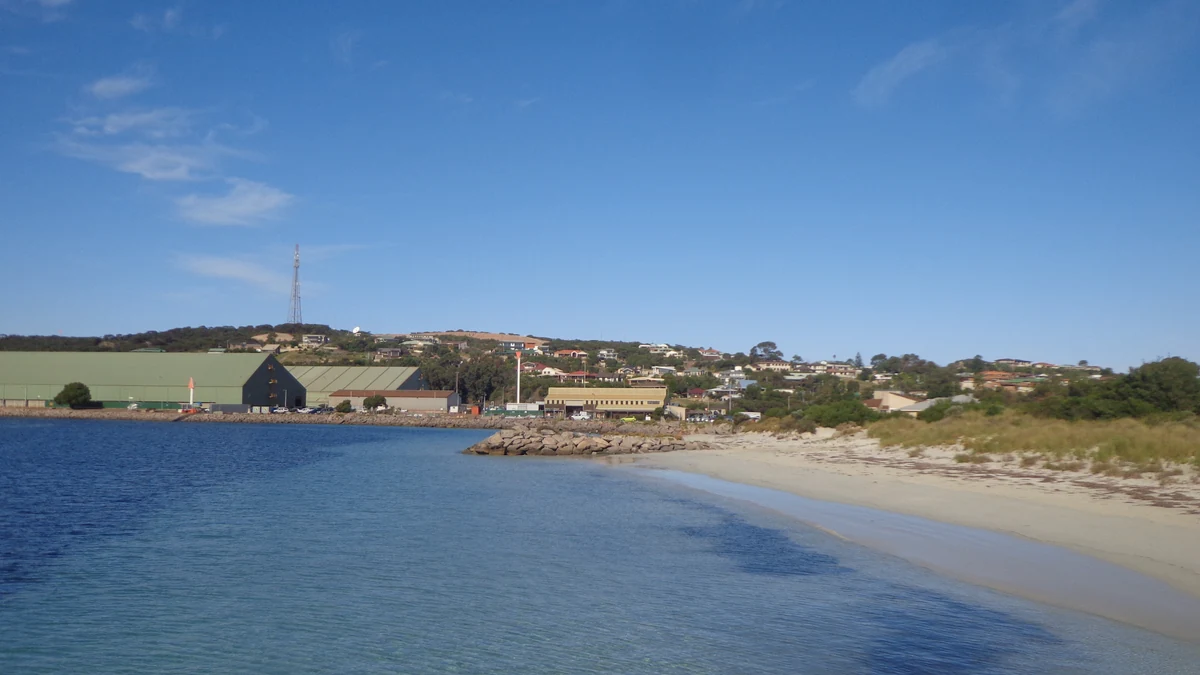
Esperance cruise portis normally an offshore tender call rather than a walk-off berth. Passengers are brought ashore at Taylor Street Jetty on the town foreshore, giving immediate access to central Esperance while Cape Le Grand and the major regional beaches still require road transport.
A first visit should have one clear scale: town and foreshore, the Great Ocean Drive, Cape Le Grand National Park or a marine trip into the Recherche Archipelago. The scenery is exceptional, but road distance, southern-ocean weather and the tender return make an overloaded plan a poor use of the call.
Esperance Cruise Port at a Glance
| Port name | Esperance |
|---|---|
| Main arrival area | Taylor Street Jetty tender landing on the Esperance foreshore; ship-specific variation remains possible |
| Cruise region | Australasia / Pacific Islands |
| Country / Territory | Australia |
| Currency | Australian dollar (AUD) |
| Languages | English |
| Port role | Day Call |
| Disembarkation | Tender |
| Walkability | Good from Taylor Street Jetty to the foreshore, visitor centre and central town |
| Shuttle required | No for central Esperance; transport required for Great Ocean Drive, Cape Le Grand and regional sights |
| Main transport | Tender, walking, excursion coach, pre-booked driver, rental car and sightseeing boat |
| Best first-time plan | Cape Le Grand excursion for a full call, or Great Ocean Drive and town for a shorter day |
| Main caution | Tender timing and long regional road returns leave little room for a late independent arrival |
Cruise tenders normally land at Taylor Street Jetty
Southern Portsmanages the wider Port of Esperance, while cruise ships normally anchor offshore and transfer passengers by tender to Taylor Street Jetty beside the town foreshore. This places shops, cafés, the visitor centre and waterfront walks close to the landing without requiring a secure-port shuttle.
The tender is still a fixed part of the day. Note the final tender time, allow for queues and identify the exact return point before leaving for Cape Le Grand, the Great Ocean Drive or a marine excursion. A ship-specific change remains possible, so follow the onboard port briefing.
Esperance town is useful, but the headline scenery lies beyond it
Visit Esperancecovers the town waterfront, beaches and regional attractions. For a cruise passenger, that means a short call can still work locally without a major excursion. Choose a town day or a regional landscape day rather than blending them indiscriminately. The famous white-sand beaches and national park are spread over long road distances.
The foreshore, museum and local cafés can absorb a delayed arrival. Keep a town fallback ready if the ship or shuttle runs late.
Cape Le Grand is the main excursion commitment
Treat Cape Le Grand as the whole day’s headline. The key local detail is thatCape Le Grand National Parkprotects beaches, granite headlands and walking routes east of Esperance. In practice, it delivers the landscape most visitors associate with the region. Use a cruise excursion or pre-booked local tour. Road time, park access, weather and limited facilities make it unsuitable for casual last-minute transport.
Ask which beaches and walks are included, because Lucky Bay, Hellfire Bay and Le Grand Beach cannot all be explored deeply in a short call. Leave the park with a substantial road margin.
Lucky Bay wildlife should never be promised
the beach is worthwhile for its landscape even when no animals are present Lucky Bay is known for pale sand and occasional kangaroo sightings. Do not overlook that wildlife is free-ranging and visitor numbers, weather or time of day affect sightings. Choose the excursion for the coast, not for a guaranteed photograph.
Keep distance from animals, do not feed them and follow park instructions. Do not delay the coach while waiting for wildlife to reappear.
The Great Ocean Drive is the best flexible road route
Esperance’s coastal drive links beaches, viewpoints and the Pink Lake area around the western side of town. This matters because it provides dramatic scenery with less road commitment than Cape Le Grand. Stops are spread out and independent taxis may not wait without prior arrangement. The sensible response is to book a driver or tour for a defined circuit
Choose several strong viewpoints rather than stopping at every pull-off. Finish the loop on the town side of the port.
Town beaches are not a substitute for checking conditions
Esperance has attractive beaches close to the urban area. For a cruise passenger, that means a local swim can fit around the foreshore and museum. Obey local signs and swim only where conditions and supervision are suitable. Southern-ocean water can be cold, surf can be strong and not every beach is patrolled.
Wind can make an exposed beach uncomfortable even on a bright day. Leave the water early enough to change before the return tender.
Woody Island is a boat-day alternative
it combines a marine transfer with a defined destinationWoody Islandoffers walking, wildlife and sheltered island scenery within the Recherche Archipelago. Do not overlook that public departure and return times may not fit cruise clearance or all-aboard. Obtain written cruise-day confirmation before booking independently.
Compare ferry check-in, island time, walking conditions, food and final return point. Allow for unloading and the walk back to the Taylor Street tender landing.
Recherche Archipelago cruises depend on sea conditions
Esperance Island Cruisesoperates marine sightseeing in the archipelago. The choice works best when a boat trip can reveal wildlife and offshore geography unavailable from the road check the vessel, duration and cruise-compatible return. Otherwise, wind and swell can change the route, comfort or operation.
Take seasickness precautions early when appropriate and carry layers for exposed decks. Do not judge offshore conditions only from the sheltered port.
The museum and foreshore form a resilient local day
Esperance’s town attractions provide history, maritime context and a level waterfront route. This matters because they work when road or marine excursions are cancelled. Opening hours may be limited outside peak periods. The sensible response is to check the museum schedule before leaving the ship
Combine one indoor attraction with the foreshore and a nearby viewpoint rather than repeatedly crossing town. Return to the shuttle stop early.
Car hire is weaker than it appears for a single call
A rental car offers freedom across a large region. For a cruise passenger, that means experienced drivers can choose their own Cape Le Grand or coastal route. Rent only when the office, insurance, collection and return are fully confirmed. Collection time, unfamiliar roads, wildlife, fuel and the lack of a protected return add risk.
Mobile coverage can weaken outside town, so download maps and carry emergency information. Return the vehicle before the port buffer begins.
Mobility should be matched to the chosen beach and lookout
Town routes can be comparatively level, while granite headlands, sand, boat gangways and national-park paths introduce different barriers. For a cruise passenger, that means passengers can still enjoy the coast without completing long walks. Ask for the longest walk, number of steps and toilet access. Tour descriptions often use broad terms such as easy without naming surfaces.
A scenic coach route with selected viewpoints can be better than a beach-heavy itinerary for reduced mobility. Save enough stamina for the tender transfer.
Southern Ocean weather controls the coast
TheBureau of Meteorology forecast for Esperanceshould be checked for wind, temperature, rain and marine conditions. The choice works best when a sunny town morning may still produce cold wind and rough water outside the harbour carry layers, sun protection and water. Otherwise, summer UV can be strong while the sea remains cool.
Park fire restrictions and road closures also deserve checking in warmer months. Switch to the town route when the coast is unsafe or uncomfortable.
Long road returns need an explicit turn-back time
Cape Le Grand and more distant coastal routes leave little opportunity to recover from a late departure. This matters because the final hour must include the drive, shuttle or security entry and ship boarding. An extra beach stop can erase the only margin. The sensible response is to agree the final-site departure time with the guide or driver
Independent visitors should set an alarm and avoid relying solely on estimated navigation times. Be back in Esperance before the final tender return window.
The tender timetable is part of every excursion
Every independent plan begins after the tender reaches Taylor Street Jetty and ends before the last safe return to the ship. The nominal time in port therefore overstates the hours available for a distant road or boat excursion.
Tell a private guide where the tender lands, agree a firm return to Taylor Street and be prepared to shorten the final stop if the morning transfer runs late. Join the return queue before the published final tender rather than using it as the target arrival time.
Regional driving requires wildlife and fuel awareness
Make the vehicle plan as robust as the attraction plan. Roads beyond Esperance cross open country where wildlife can appear and services are less frequent. The practical advantage is a prepared driver can enjoy the route without relying on urban-style support; the weakness is fatigue, unfamiliar roads and late-afternoon animal movement increase risk. Use an experienced local operator or plan fuel and navigation before departure.
Independent planning is realistic only when every transfer is understood. Do not stop unsafely for roadside photographs and keep to signed park roads. Begin the return while full daylight and a strong margin remain. Where one connection is uncertain, a ship excursion or cruise-aware local operator is the stronger choice.
Wildflower season adds value without changing the return rules
Spring can bring wildflowers to roadsides, reserves and national-park landscapes around Esperance. This matters because a local guide can identify safe, authorised places to stop. Roadside wandering and unscheduled detours can create traffic and timing risks. The sensible response is to use established pull-offs and remain on permitted paths
Do not pick flowers or enter sensitive vegetation for photographs. Keep the final stop inside the agreed coastal circuit.
Distances Make the Beach Choice
A tender delay should trigger a shorter route, not a faster one. Keep the town and nearby coast as the fallback rather than trying to preserve a distant park itinerary after the usable day has already shrunk.
Esperance town and the Great Ocean Drive can form a controlled local plan, while Cape Le Grand is a full regional excursion. The famous beaches are separated by road distance, so a private driver or organised tour buys time as well as transport.
CruisePing Recommended Port Day
For a full call, CruisePing recommends one organised Cape Le Grand National Park excursion with a deliberately limited set of beaches and viewpoints. Lucky Bay should be valued for the coast rather than a promised kangaroo sighting, and the tour should leave the park early enough to absorb road and port delays.
For a shorter call, take a pre-arranged Great Ocean Drive circuit and finish with the Esperance foreshore or museum. If wind makes the exposed coast unattractive, keep the entire day in town. This fallback still provides local context without depending on a long road return.
Weather & Best Time to Visit Esperance
| Month / season | Typical high | Typical low | Rain / conditions |
|---|---|---|---|
| December–February | 26°C | 15°C | Warm, dry and bright; strong UV and afternoon sea breeze |
| March–May | 23°C | 12°C | Mild with more variable rain and wind |
| June–August | 18°C | 9°C | Cooler, wetter and often windy |
| September–November | 22°C | 11°C | Spring wildflowers, changeable wind and cool water |
Esperance’s southern-ocean setting means wind can dominate the day. Cape Le Grand, island boats and exposed beaches may be much cooler or rougher than the sheltered port, while summer fire conditions can affect park access. Check thecurrent official forecastbefore committing to the day.
Frequently Asked Questions
Can you walk from Esperance cruise port to town?
Yes. Tenders normally land at Taylor Street Jetty on the foreshore, from where central Esperance, the visitor centre, cafés and waterfront are walkable. Regional beaches still need transport.
Can you visit Lucky Bay from a cruise ship?
Yes, usually through a Cape Le Grand excursion or pre-booked vehicle. Allow substantial road time and do not expect guaranteed kangaroo sightings.
Is the Great Ocean Drive possible on a short call?
Yes. It is generally a more flexible choice than Cape Le Grand and can finish close to town.
Can you book Woody Island independently?
Only when the public check-in and return timetable has been confirmed against the ship’s clearance and port return.
Useful Official Links
- Southern Ports: Esperance
- Visit Esperance
- Tourism Western Australia: Esperance
- Cape Le Grand National Park
- Bureau of Meteorology: Esperance
CruisePing Port Verdict
Esperance rewards a decisive choice. Cape Le Grand is the major landscape day, the Great Ocean Drive is the flexible alternative, and the town provides a credible weather fallback. The error is not staying local; it is committing to a long regional route without protecting the tender return.
Ready to browse our article library?
Looking beyond Esperance? Explore more ports in theAustralasia / Pacific Islandsregion, or narrow it toAustraliain particular. For cruise comparisons, planning shortcuts and value guides, head over to ourmain article archive.