
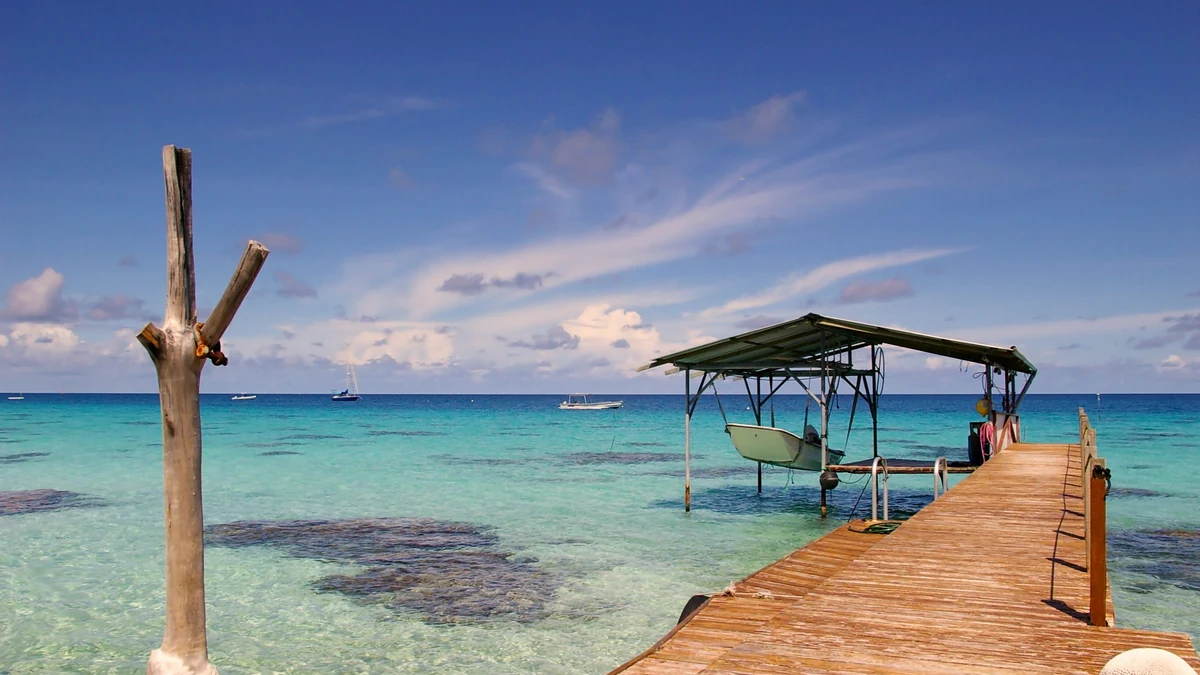
Fakarava cruise port is a tender call at Rotoava on the edge of a vast UNESCO-recognised atoll. The village is easy to explore independently, but the lagoon passages that make Fakarava internationally important are not casual DIY swimming areas.
The best plan depends on what you want from the atoll. Non-divers can have an excellent low-cost day by bicycle around Rotoava, swimming in a locally recommended area and absorbing village life. Serious snorkellers and divers should book an organised north-pass trip. The famous south pass is exceptional, but on a one-day cruise call it is usually too distant unless the ship itself protects the full excursion.
Fakarava Cruise Port at a Glance
| Port name | Fakarava |
|---|---|
| Main arrival area | Tender landing at Rotoava Village Wharf on the north-east side of the atoll |
| Cruise region | Australasia / Pacific Islands |
| Country / Territory | French Polynesia |
| Currency | CFP franc (XPF) |
| Languages | French, Pa’umotu and Tahitian; some English in tourism |
| Port role | Day Call |
| Disembarkation | Tender |
| Walkability | Good in Rotoava; bicycle is the best simple extension |
| Shuttle required | No |
| Main transport | Walking, bicycle, scooter, organised lagoon boat and dive boat |
| Best first-time plan | DIY Rotoava by bicycle for a relaxed day, or an organised Garuae Pass trip for experienced water lovers |
| Main caution | Strong pass currents, limited facilities and the long journey to the south pass make independent water planning risky |
Rotoava is a village landing, not a resort terminal
Cruise ships normally anchor in the lagoon and tender passengers to the wharf at Rotoava. The settlement is linear and low-key, with small shops, guesthouses, churches, local services and lagoon views rather than a conventional excursion terminal.
Note the exact tender-return point before walking or cycling away. There is no urban transport network to rescue a plan that runs late, and the final kilometres can feel much longer in tropical sun.
The UNESCO biosphere context matters
UNESCO’s Fakarava biosphere information describes a protected environment of coral reefs, lagoons, seagrass, terrestrial habitats and traditional human use. This is not simply a pretty beach stop.
Choose operators who explain environmental rules, keep groups controlled and avoid reef contact. A cruise-day plan that treats the atoll as an amusement park misses the reason Fakarava remains so special.
DIY or organised tour? Both can be right
Our verdict is split by activity. DIY is best for Rotoava, a bicycle ride, village exploration and an easy lagoon day. An organised tour is essential for pass snorkelling, scuba diving or any distant boat route.
Do not pay for a generic coach-style island tour when the road is flat and simple. Conversely, do not try to save money by entering a pass current without a specialist boat, guide and timing plan.
Rotoava by bicycle is the best relaxed first visit
The official Tahiti Tourisme activity guide specifically identifies bicycles and scooters as practical ways to explore. A bicycle suits the flat road, keeps the pace slow and avoids the administration of a motor rental.
Collect the bicycle early, check brakes and tyres, agree the return time and carry water. Ride north or south only as far as the tender schedule comfortably permits, stopping for lagoon views, a church, a snack and a swim where local advice says conditions are suitable.
A scooter adds range but not necessarily value
A scooter can extend the route, but Fakarava does not reward speed. The main pleasure is the open atoll landscape and repeated contact with the lagoon, not reaching a distant checklist of buildings.
Hire one only when you are experienced, insured and comfortable with heat and road conditions. For a normal cruise call, we would choose a bicycle and spend longer at fewer places.
Garuae Pass is the organised-water priority
The north pass at Garuae is the most realistic headline boat trip from Rotoava. It can provide reef scenery, fish life and the scale of the lagoon without the long transit to the south.
Currents and visibility change with tide and weather, so use a reputable operator that sets the activity around conditions. Ask whether the trip is for snorkellers, divers or mixed abilities, how much time is actually spent in the water, and when the boat returns to Rotoava.
Pass snorkelling is not ordinary beach snorkelling
Water can move rapidly through an atoll pass. Entry, drift line, exit and boat support are part of the activity, not optional extras. A confident pool swimmer may still find open-current snorkelling demanding.
Wear the equipment supplied, stay with the guide and disclose limited swimming confidence before departure. A calm lagoon snorkel is the better choice for beginners, even if the pass is the more famous name.
Scuba divers should book early and verify the schedule
Fakarava is a serious diving destination, and specialist divers may reasonably make one or two dives the entire purpose of the call. The operator, equipment, certification requirements and surface interval need confirming before the voyage.
Use a dive centre that has the ship name, tender uncertainty and final return in writing. A technically impressive dive is not cruise-compatible if the boat reaches Rotoava close to the last tender.
The south pass is magnificent but usually too ambitious
Tahiti Tourisme’s Fakarava itinerary places the south pass at roughly a long boat journey from Rotoava and treats it as a full-day commitment. Tetamanu and the pass are among the atoll’s most celebrated experiences.
For a normal cruise call, we would skip it independently. Book only when the cruise line offers a protected full-day excursion or a local operator provides a clearly conservative return. The north pass gives a better balance of time in the water and time protected for the ship.
Tetamanu deserves more than a hurried photograph
The historic village, church and south-pass setting are meaningful precisely because they are remote. Reaching them, rushing through and immediately turning back wastes the effort and adds risk.
Save Tetamanu for a land stay unless the cruise itinerary genuinely allows the full journey. The fact that a boat can cover the distance does not make the schedule sensible.
Pearl farms are optional, not compulsory
A pearl-farm visit can explain an important French Polynesian industry and may appeal strongly to passengers considering a purchase. It is not, however, a better use of Fakarava than the lagoon for most first-time visitors.
Choose it when you want production insight or serious pearl shopping. Do not let a sales-focused stop displace the only suitable snorkelling or village time.
The church and village deserve quiet attention
Rotoava’s churches and homes form part of a living community. A short independent visit gives cultural context that can be lost on an all-water itinerary.
Dress respectfully, avoid interrupting services and ask before photographing people. The village is small enough that courtesy matters more than route planning.
Local food is worth building into a DIY day
Small eateries and guesthouse services may offer fish, coconut-based dishes, snacks or drinks, but opening and capacity can vary when a ship arrives. A simple local lunch adds more to a bicycle day than another rushed kilometre of road.
Carry small CFP-franc notes, ask about preparation time and do not leave the meal until immediately before the final tender. Passengers with strict dietary needs should bring a suitable backup.
Swimming areas should be chosen locally
The lagoon looks calm from almost everywhere, but coral, boat traffic, depth and current differ. Ask at the wharf, rental outlet or guesthouse where swimming is recommended that day.
Use reef-safe sun protection, do not stand on coral and keep valuables secure. A locally endorsed lagoon entry near Rotoava is preferable to cycling until a random strip of water looks attractive.
Cash and connectivity are limited
Rotoava has basic services rather than the infrastructure of Papeete. Card acceptance, ATMs, mobile data and change should not be assumed for every rental, stall or small operator.
Bring modest CFP cash, download confirmations and maps, and retain the operator’s phone number offline. Do not carry unnecessary valuables on a boat or bicycle.
Sun and dehydration accumulate quickly
Météo-France Polynésie provides the official local forecast. The air temperature changes little through the year, but cloud cover, wind and humidity alter how demanding cycling and boating feel.
Carry water from the start, use a hat and cover exposed skin. A lightweight rain layer is also useful because a tropical shower can arrive without making the day cool.
Accessibility is constrained by the tender and small boats
The village road is relatively flat, but tender steps, wharf surfaces, boat ladders and limited accessible facilities create practical barriers. Some water trips require transferring between moving vessels.
Ask the cruise line about the tender first, then ask the operator about the exact boat. A slow Rotoava day may be much more enjoyable than forcing an excursion designed around repeated water entry.
What to skip on a normal cruise call
Skip the independent south-pass gamble, skip a scooter if a bicycle will do, and skip an expensive sales-heavy pearl excursion unless pearls are a real interest. We would also skip a generic tour that promises every lagoon highlight without explaining tides or journey time.
The atoll needs space. A good day can contain only a bicycle, a swim, a church, lunch and the changing colour of the lagoon.
Ship excursion versus local operator
A ship excursion provides the strongest protection for a long or tide-dependent boat trip. A good local operator may offer a smaller group and stronger specialist knowledge, particularly for diving.
Choose locally only when the operator explicitly understands cruise tenders, confirms what happens after a late landing and schedules a return with a real margin. For the south pass, ship protection should weigh heavily.
The last tender is the real boundary
Rotoava’s calm atmosphere can make time feel less urgent than it is. Bicycle returns, rental handover, changing after a swim and tender queues all sit between the final activity and the ship.
Return hired equipment early and spend the final period near the wharf. A lagoon drink or village purchase is a better last activity than one more distant beach.
The atoll road is exposed rather than difficult
Rotoava’s road is flat, but shade is intermittent and reflected light from the lagoon can intensify heat. Cycling distance therefore feels greater than it appears on a map.
Turn back while the ride remains comfortable and keep the final period near the wharf. A short ride with several meaningful stops is better than covering distance simply to justify the rental.
Bicycle availability should be arranged early
A cruise ship can create sudden demand in a village with a limited rental fleet. Passengers who regard cycling as essential should contact a guesthouse or rental provider before sailing.
Confirm the bicycle size, price, payment method and return time. If no bicycle is available, walking Rotoava remains a good plan; do not replace it with an unsafe improvised scooter.
The north-pass trip should state the tide logic
The Météo-France Polynésie marine forecast is useful context, but a credible operator should also explain why the planned water time suits the day’s tide rather than merely naming Garuae Pass. Incoming and outgoing flow affect visibility, current strength and the most suitable route.
Passengers do not need to become tide experts, but they should hear a clear safety explanation. Vague answers are a reason to choose another provider or the ship excursion.
Snorkelling equipment and boat shade matter
A pass excursion can involve long periods exposed on a small boat between brief water sessions. Shade, seating, drinking water, ladder design and toilet arrangements can matter as much as the reef description.
Ask these questions before paying. A slightly less ambitious route on a better vessel may produce a much more comfortable cruise day.
Bird and reef life reward slow observation
Fakarava is not only about sharks and dramatic pass drifts. Seabirds, lagoon fish, coral forms and changing shallows can be appreciated from a bicycle, pontoon or calm boat route.
Passengers who dislike strong currents should not feel they are missing the atoll’s essence. A naturalist-led lagoon trip can be the better organised choice.
Diving experience levels should not be blurred
Pass diving can involve current, depth, negative entries and close boat coordination. Certification alone does not prove recent experience or comfort in these conditions.
Discuss logged dives, current experience, equipment familiarity and medical requirements with the dive centre. A conservative guide may redirect a diver to an easier site, and that judgement should be respected.
The atoll’s quietness is part of the attraction
Rotoava does not need to imitate Bora Bora with constant transfers and packaged entertainment. The sense of open lagoon, low buildings and unhurried local life is itself the port experience.
Leave gaps in the schedule. A shaded drink beside the water can be more memorable than a rushed commercial stop added merely to fill time.
Waste and reef behaviour need care
Plastic litter, sunscreen residue and coral contact have disproportionate effects in a protected atoll environment. Use refillable water where practical and keep every item secure on boats and bicycles.
Follow the operator’s environmental briefing, never take coral or shells from protected areas and return rubbish to an appropriate bin. Responsible behaviour is part of the price of access.
Medical backup is limited
Fakarava is remote, and treatment options are not comparable with a large urban port. Passengers should carry essential medication and disclose relevant conditions before diving, snorkelling or cycling far from Rotoava.
Travel insurance should cover the planned marine activity. If health changes during the call, return to the ship rather than assuming a village service can provide specialist help.
A shortened call still supports a good DIY plan
When tenders begin late, the north pass or south pass may no longer be sensible. Rotoava remains immediately available and does not require a disappointing substitute coach tour.
Walk the village, hire a bicycle only for a short circuit, swim locally if advised and have lunch close to the wharf. This is one of the rare ports where the fallback can remain authentically strong.
The lighthouse is a modest route marker, not a headline sight
Rotoava’s atoll landmarks can add interest to a bicycle ride, but none should be inflated into a major monument. Their value comes from the surrounding lagoon and community setting.
Stop briefly when the route passes naturally. Do not cycle a long distance solely for a photograph that displaces swimming or lunch.
Shark encounters require responsible expectations
Fakarava is associated with large shark aggregations, particularly around the passes, but conditions, season and dive profile determine what is seen. Operators must not pressure animals or place guests beyond their ability.
Ask how the encounter is managed and whether feeding is involved. Choose natural observation with a qualified guide over a sensational product promising guaranteed proximity.
Families should keep the day simple
Children may enjoy cycling, shallow lagoon water and village stops more than a long small-boat journey. Pass currents and limited shade need particular care.
Use child-sized safety equipment, carry snacks and select an easy swimming area recommended locally. For most families, DIY Rotoava is the better choice than a specialist pass excursion.
A private boat is not automatically safer
Chartering a boat can provide flexibility, but it does not remove current, weather or operator-quality concerns. The vessel and skipper still need suitable licences, safety equipment and cruise-return discipline.
Use a recognised provider and agree the exact route, passenger abilities and return time. Do not treat privacy as a substitute for professional standards.
The final purchase should remain close to the wharf
Small craft stalls and shops can be browsed during the last part of the day, when a distant activity would be unwise. Buying locally can support the community without turning the visit into a shopping itinerary.
Carry small notes, ask before photographing makers and avoid products that may breach biosecurity rules on the ship or at a later port.
Language need not be a barrier with preparation
French is the main administrative language and Pa’umotu or Tahitian may be heard locally. English is common in some visitor services but should not be assumed for every rental or stall.
Carry the booking details, ship name and return time in writing. A few polite French words and patient communication are more useful than expecting every transaction to follow resort conventions.
The lagoon colour changes throughout the day
Light, cloud, depth and wind alter Fakarava’s water from pale turquoise to deep blue. Passengers do not need to chase one famous viewpoint to appreciate it.
Pause at several safe roadside or waterfront locations during the bicycle route. The changing lagoon is the continuous attraction linking the village, swim and final return.
CruisePing Recommended Port Day
For non-divers, go DIY. Take an early tender, hire a bicycle in Rotoava, ride a manageable section of the atoll road, visit the village and church, swim only in a locally recommended lagoon area and stop for a simple lunch. This is inexpensive, flexible and better matched to Fakarava’s quiet character than a generic organised circuit.
For confident snorkellers or divers, replace the bicycle day with a pre-booked north-pass trip. Use a ship excursion or a cruise-aware specialist operator. Do not attempt the south pass independently on a normal call; the travel time and current-dependent schedule make it a poor risk-reward choice. When no suitable specialist boat is available, keep the day in Rotoava rather than buying an improvised lagoon trip from an unverified seller. The village-and-bicycle plan remains the more responsible and enjoyable choice.
Weather & Best Time to Visit Fakarava
| Month / season | Typical high | Typical low | Rain / conditions |
|---|---|---|---|
| May–October | 28°C | 23°C | Drier season with trade winds and generally lower humidity |
| November–April | 30°C | 25°C | Wetter, hotter and more humid with heavier showers |
| Year-round lagoon | Warm | Warm | Pass currents and marine wind matter more than small temperature changes |
Fakarava remains warm throughout the year. The important variables are wind, visibility, rain and current timing. A sunny forecast does not prove a pass trip is suitable, and a cloudy day can still be excellent for cycling. Check the current official forecast before finalising the day.
Frequently Asked Questions
Where do cruise tenders land in Fakarava?
They normally land at Rotoava Village Wharf on the north-east side of the atoll.
Can you explore Fakarava without a tour?
Yes. Rotoava and the nearby atoll road are well suited to walking or cycling. Pass snorkelling and distant lagoon trips require an organised operator.
Is the north pass or south pass better for a cruise call?
The north pass is usually the practical choice from Rotoava. The south pass is exceptional but generally too distant for an independent one-day call.
Do you need to be a strong swimmer to snorkel a pass?
Yes, pass conditions can involve strong currents. Beginners should choose a guided calm-lagoon snorkel instead.
Should you hire a bicycle or scooter?
A bicycle is the better default because the road is flat and the useful cruise-day area is limited. Choose a scooter only with experience and a clear reason to travel farther.
Useful Official Links
- Tahiti Tourisme: What to do in Fakarava
- Tahiti Tourisme: Fakarava itinerary
- UNESCO: Commune de Fakarava Biosphere Reserve
- Météo-France Polynésie: Fakarava
- Météo-France Polynésie: Marine forecast
CruisePing Port Verdict
Fakarava rewards a clear distinction between simple and specialist activities. Rotoava is one of the rare ports where DIY by bicycle is not merely cheaper but often better. The passes are the opposite: current, distance and boat logistics make expert organisation essential. Choose the north pass for a cruise call and save the south for a protected excursion or a longer stay. The strongest planning principle is simple: use independence where the island is easy, and expertise where the water is not.
Ready to browse our article library?
Looking beyond Fakarava? Explore more ports in the Australasia / Pacific Islands region, or narrow it to French Polynesia in particular. For cruise comparisons, planning shortcuts and value guides, head over to our main article archive.