
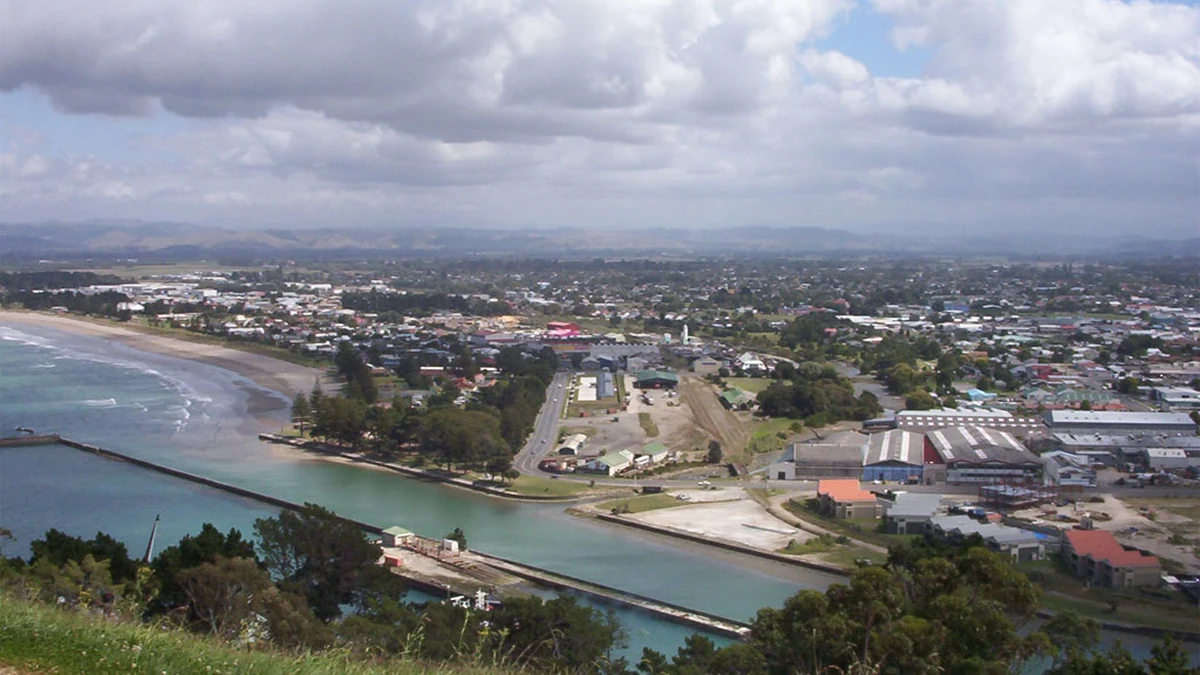
Gisborne cruise port is usually a tender call close to the inner harbour, with a shuttle into a compact city that can be explored independently. Gisborne’s strongest local story is the meeting of Māori history, first European contact, regional art and the river-and-harbour landscape.
Our first-time recommendation is DIY around the inner harbour, Puhi Kai Iti and Tairāwhiti Museum, adding a taxi to Kaiti Hill if conditions suit. An organised tour is better only when it provides cultural interpretation, winery transport or a tide-dependent Tatapouri experience. Long excursions to Tolaga Bay or the wider East Coast consume too much of a normal call.
Gisborne Cruise Port at a Glance
| Port name | Gisborne |
|---|---|
| Main arrival area | Tender at Eastland Port / Gisborne Inner Harbour; smaller vessels may berth at Wharves 7 or 8 |
| Cruise region | Australasia / Pacific Islands |
| Country / Territory | New Zealand |
| Currency | New Zealand dollar (NZD) |
| Languages | English and te reo Māori |
| Port role | Day Call |
| Disembarkation | Usually tender; smaller ships may berth |
| Walkability | Good from the shuttle stop and inner harbour |
| Shuttle required | Usually provided from the port area to the city visitor information point |
| Main transport | Walking, shuttle, taxi, cultural tour, wine tour and pre-booked rental car |
| Best first-time plan | DIY inner harbour, Puhi Kai Iti and Tairāwhiti Museum; organised Māori tour if interpretation is the priority |
| Main caution | Tender delays, limited taxis and long regional road distances make late independent excursions risky |
Gisborne normally begins with a tender and shuttle
Tourism New Zealand’s cruise overview states that most ships tender at Eastland Port close to the city, while smaller vessels may use Wharves 7 or 8. A shuttle normally links the port area with the visitor information centre.
Confirm whether your ship lands directly inside the inner harbour or uses a controlled transfer. The city is close, but tender queues and shuttle timing remain part of the usable day.
DIY or organised tour? Start with DIY
Gisborne’s city core is better explored independently. The inner harbour, riverfront, contact-history sites and museum form a coherent route that does not need a coach.
Choose an organised tour when the guide provides Māori cultural interpretation, winery access or a tide-controlled marine experience. A generic panoramic tour adds less value than walking slowly and reading the landscape.
The inner harbour is the right starting point
The official Gisborne Inner Harbour guide covers a waterfront precinct of boats, eateries, paths and links into the city. It gives immediate orientation after the tender or shuttle.
Use the harbour as the beginning and end of the day, not as a place to wait for a tour. It connects naturally to the river, Puhi Kai Iti and central museum route.
Puhi Kai Iti is more important than a generic city lookout
The Puhi Kai Iti / Cook Landing area interprets the layered history of Polynesian arrival, tangata whenua and the 1769 encounters with the Endeavour. It is not adequately understood as a Captain Cook photo stop.
Read the site carefully or visit with a Māori guide. We would prioritise this cultural landscape over a long drive to an ordinary beach.
A Māori cultural guide can transform the day
Gisborne’s significance depends on whose history is being told. A well-chosen local Māori tour can explain whakapapa, place names, the harbour and first-contact history in a way that signage alone cannot.
This is the organised option we recommend most strongly. Choose a small local operator with clear community connections rather than a tour that treats Māori culture as a brief performance between unrelated stops.
Tairāwhiti Museum is a genuine priority
Tairāwhiti Museum is the city’s main institution for regional art, culture and heritage. It adds depth to the harbour and contact-history route and is close enough to visit independently.
Check current opening hours, particularly on Sundays and public holidays. We would allocate at least an hour and skip an ordinary shopping stop to protect it.
Kaiti Hill gives the best city overview
Titirangi / Kaiti Hill rises above the harbour and provides the clearest view of the city, coast and arrival area. It works best after the cultural sites because the landscape then has meaning.
Use a taxi, shuttle or organised tour if the climb is unsuitable. Do not attempt a rushed uphill walk late in the day; the viewpoint is optional, while the tender return is not.
Wine touring is a good organised alternative
The official Gisborne wine-region guide describes a diverse region particularly associated with full-flavoured wines and Chardonnay. Cellar doors lie outside the walkable city core.
Book a half-day wine tour or private driver rather than renting a car. The value comes from safe transport, local selection and a route that returns before the tender window.
Do not overfill a wine itinerary
Two or three well-chosen producers with a food stop are better than a rapid succession of tastings. Cruise groups lose time boarding vehicles, checking in and purchasing.
Ask where the tour finishes and whether it leaves any time for the inner harbour. A full regional wine day is worthwhile for enthusiasts, but it should replace rather than supplement the city route.
Tatapouri is tide-dependent and must be organised
The reef ecology experiences at Tatapouri operate around tide and marine conditions. They can provide a memorable encounter with local marine life but are not a casual beach visit.
Pre-book with a recognised operator or use a ship excursion. Do not hire a taxi and hope an experience will be available on arrival; the tide, safety briefing and return transport all need alignment.
Eastwoodhill is only for serious garden lovers
Eastwoodhill Arboretum lies around 35 kilometres inland and offers extensive tree collections and walking routes. It is a substantial specialist attraction rather than an obvious first-time cruise stop.
Choose it in spring or autumn when gardens are a major interest, using an organised tour or confirmed driver. For most visitors, the museum, culture and harbour provide a stronger introduction to Gisborne.
Tolaga Bay is too far for most first calls
Tolaga Bay’s long wharf and East Coast scenery are appealing, but the road journey turns the day into a regional excursion. Stops, road conditions and tender timing leave little flexibility.
Book only as a ship excursion or a well-protected local tour on a long call. We would not choose it over Gisborne itself on a first visit.
City beaches are optional rather than essential
Gisborne has attractive beaches, but surf, currents and weather vary. A beach walk can provide a pleasant extension after the museum and harbour.
Do not sacrifice the cultural route for a generic beach transfer. Swim only where local advice and conditions support it, and leave time to change before the shuttle.
Rental cars are unnecessary for the recommended day
A car is useful only for a specific regional plan such as Eastwoodhill or a self-directed winery circuit. Collection, parking and return add friction to an otherwise easy port.
For the city, walk and use one taxi. For wine, use a tour. That division is simpler and safer than hiring a car merely because it is available.
Cash can still solve small transport problems
Tourism New Zealand notes that not all local taxis accept cards. A small amount of New Zealand cash can help with a short ride or independent purchase.
Confirm the fare and card policy before boarding, and retain the driver’s contact details if arranging a timed collection.
Weather can affect both tenders and regional roads
MetService’s Gisborne forecast should be checked for wind, rain and coastal conditions. A wet day may reduce visibility from Kaiti Hill while leaving the museum and cultural sites strong.
Keep the city route as the fallback for every wine, Tatapouri or East Coast booking. The port remains worthwhile even when a distant excursion is cancelled.
Accessibility is strongest in the city route
The tender is the principal barrier. Once ashore, the inner harbour and central paths are easier than rural attractions, although surfaces and kerbs vary.
Use a taxi for Kaiti Hill and ask cultural-tour operators about vehicle entry and walking distances. A museum-and-harbour day is a credible full experience, not a compromise.
What to skip on a normal first visit
Skip Tolaga Bay unless the call is long and protected, skip a rental car for the city, and skip a generic beach tour. We would also avoid an overcrowded wine schedule that leaves no time for Gisborne’s own history.
The best day combines place, culture and one optional extension. Anything that removes the city entirely needs to offer something exceptional in return.
Return before the shuttle and tender compress
Independent visitors must complete the city walk, reach the official shuttle point and then join the tender process. A tour returning to central Gisborne has not yet returned you to the ship.
Finish near the visitor information centre or inner harbour. Do not arrange the final taxi drop at an unofficial gate or assume the last shuttle has unlimited capacity.
The museum and harbour should be sequenced around opening time
Sunday and public-holiday museum hours may begin later than a cruise passenger expects. Use the early period for Puhi Kai Iti, the riverfront and Kaiti Hill, then enter the museum when it opens.
This avoids waiting at a locked door and keeps the most flexible outdoor stops available for adjustment. Check the live schedule shortly before sailing.
A cultural tour should avoid a superficial contact narrative
The history of 1769 cannot be reduced to a celebration of European arrival. A credible guide should place the encounters within longstanding Māori settlement, conflict, memory and present-day identity.
Read operator descriptions for local leadership and depth. We would choose a shorter, community-grounded tour over a longer itinerary that uses culture as decoration.
Local food can strengthen the independent day
The inner harbour and central city offer cafés, seafood and regional produce without requiring a dedicated food tour. A meal can be fitted naturally between the museum and return.
Choose a place close to the harbour, allow for cruise-day demand and avoid an extended lunch before a fixed taxi or tender. Wine enthusiasts can combine local food with a half-day vineyard tour instead.
Cycling is possible but unnecessary for first-time planning
Gisborne has waterfront and city cycling routes, yet bicycle collection and return add a commitment to an already walkable core. A bike makes more sense for repeat visitors or passengers wanting a beach extension.
For a first call, walk the cultural route and use one taxi for elevation. This keeps the day simpler and leaves more time inside the museum.
A late tender should eliminate the regional options
When ship-to-shore operations run behind schedule, winery appointments, Tatapouri tides and Eastwoodhill road time become harder to protect. Do not try to preserve the original tour by cutting every stop.
Switch to the harbour, Puhi Kai Iti and museum. Gisborne’s local strengths make that a positive plan rather than a consolation.
Respectful pronunciation and place names matter
Tairāwhiti and local Māori names carry history rather than functioning as decorative labels. A guide or museum visit gives passengers a chance to hear them used correctly.
Listen, ask politely and avoid treating unfamiliar pronunciation as a joke. Small respect improves the quality of cultural encounters.
The visitor centre is useful for same-day decisions
The shuttle drop near the visitor information service provides current advice on museum hours, taxi availability, cultural activities and weather. This is particularly valuable when tendering has shortened the call.
Ask one focused question about the chosen route, then begin. Do not spend a large part of the morning collecting every possible brochure.
The best sequence keeps culture before commerce
Begin with the harbour and contact-history landscape before moving to cafés, shopping or wine. This gives later activities a stronger sense of place.
A port day that starts with retail can easily lose the museum and cultural sites to time. Protect the distinctive material first and let the optional spending expand afterwards.
CruisePing Recommended Port Day
Start independently at the inner harbour and Puhi Kai Iti, then spend meaningful time in Tairāwhiti Museum. Take a taxi to Kaiti Hill if the weather is clear and return to the harbour for lunch or a short waterfront walk.
Replace the DIY route with a small Māori cultural tour if interpretation is your priority; it is the organised product most likely to improve the visit. Choose a wine tour instead only if wine is a major interest. Leave Tolaga Bay and the wider East Coast for a longer stay.
Weather & Best Time to Visit Gisborne
| Month / season | Typical high | Typical low | Rain / conditions |
|---|---|---|---|
| December–February | 25°C | 15°C | Warm, sunny periods with occasional rain and coastal wind |
| March–May | 21°C | 11°C | Mild, often settled and good for city and winery touring |
| June–August | 15°C | 6°C | Cooler with rain possible; indoor attractions valuable |
| September–November | 19°C | 9°C | Spring changeability, blossom and warming coastal conditions |
Gisborne is relatively sunny, but easterly weather and coastal wind can affect tendering and marine activities. The museum-and-harbour route is the strongest bad-weather fallback. Check the current official forecast before finalising the day.
Frequently Asked Questions
Do cruise ships tender in Gisborne?
Most do. Smaller vessels may berth at Wharves 7 or 8, while a shuttle normally links the port area with the city.
Can Gisborne be explored independently?
Yes. The inner harbour, Puhi Kai Iti, city centre and Tairāwhiti Museum form a strong DIY route.
Which organised tour is best in Gisborne?
A locally grounded Māori cultural tour adds the most distinctive value. A wine tour is the best alternative for enthusiasts.
Is Tolaga Bay suitable for a cruise day?
Only on a long, protected excursion. It is not our first recommendation because the road time removes most of Gisborne itself.
Is Eastwoodhill Arboretum worth visiting?
Yes for committed garden and tree enthusiasts, particularly in seasonal colour. Most first-time visitors should prioritise the city’s culture and museum.
Useful Official Links
- Tourism New Zealand: Cruise to Gisborne
- Tairāwhiti Gisborne: Inner Harbour
- Tairāwhiti Museum
- New Zealand Wine: Gisborne
- MetService: Gisborne
CruisePing Port Verdict
Gisborne is strongest when visitors resist the urge to flee the city. The harbour, Puhi Kai Iti and Tairāwhiti Museum make an excellent DIY day, while a Māori cultural guide is the one organised choice that can genuinely deepen it. Wine is a valid specialist alternative; Tolaga Bay is usually too far.
Ready to browse our article library?
Looking beyond Gisborne? Explore more ports in the Australasia / Pacific Islands region, or narrow it to New Zealand in particular. For cruise comparisons, planning shortcuts and value guides, head over to our main article archive.