
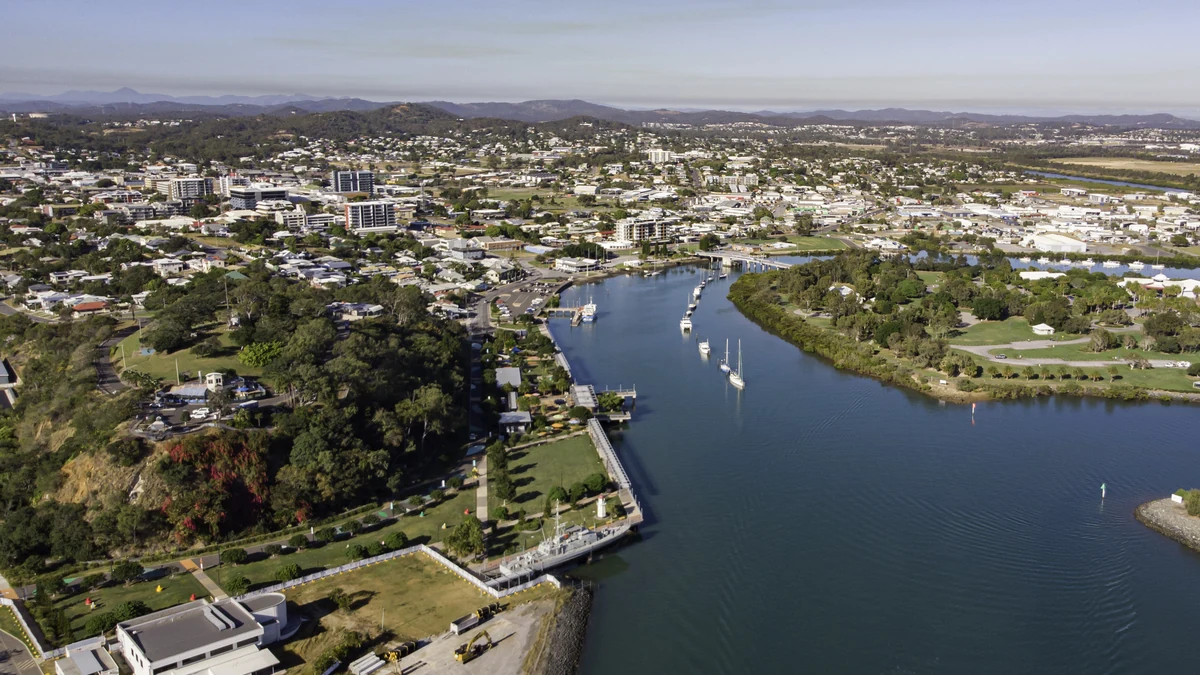
Gladstone cruise port uses a dedicated cruise facility beside East Shores, placing passengers close to the waterfront rather than at a remote industrial gate. Gladstone is an unusual call because its working harbour is not merely background: it is one of the most interesting things to understand.
Our first choice is an organised Port of Gladstone harbour tour when it operates, because local commentary turns the vast industrial landscape into a meaningful excursion. The best fallback is DIY: East Shores, the Maritime Museum and Auckland Hill. We would not attempt Heron Island independently, and we would not spend a normal call travelling to Agnes Water unless the ship offers a protected excursion.
Gladstone Cruise Port at a Glance
| Port name | Gladstone |
|---|---|
| Main arrival area | Gladstone Cruise Terminal beside East Shores at Auckland Point |
| Cruise region | Australasia / Pacific Islands |
| Country / Territory | Australia |
| Currency | Australian dollar (AUD) |
| Languages | English |
| Port role | Day Call |
| Disembarkation | Docked |
| Walkability | Good to East Shores, the Maritime Museum and nearby waterfront |
| Shuttle required | No for East Shores; an optional cruise-day shuttle may serve the CBD and selected local stops |
| Main transport | Walking, taxi, local tour boat, excursion coach and ship excursion |
| Best first-time plan | Organised harbour tour if operating, then DIY East Shores and Maritime Museum |
| Main caution | Heron Island ferries and distant regional trips are too fragile to book independently on most cruise calls |
The cruise terminal is beside East Shores
The official Gladstone Ports Corporation cruise information places cruise activity at the port’s dedicated facility near the city waterfront. Passengers can reach the landscaped East Shores precinct without a long industrial shuttle.
Follow the ship’s exit route because event arrangements and secure areas can vary, but do not assume a coach is necessary simply to leave the terminal. Gladstone offers a genuine walkable local day.
DIY or organised tour? Take one organised harbour tour
The Port of Gladstone harbour tour is the organised experience we would prioritise. Gladstone’s scale, export terminals, islands and channels are difficult to understand from land, and informed commentary is the point of the excursion.
After the boat, go independent. East Shores and the Maritime Museum do not need a guide. A general city coach adds less value than this organised-plus-DIY combination.
The harbour tour makes the industrial port intelligible
The official Port of Gladstone Harbour Tour operates seasonally and requires advance booking. It interprets one of Australia’s major multi-cargo ports rather than offering a generic pleasure cruise.
Choose it when the timing fits the ship and the operator confirms cruise-day collection. If the tour is not operating, do not substitute a random long coach trip merely because Gladstone is industrial.
East Shores is the best independent base
The cruise terminal adjoins East Shores, a waterfront area with paths, lawns, play spaces and harbour views. It is particularly useful for families and passengers who want a low-strain day.
Use it between fixed activities rather than treating it as a six-hour attraction. A harbour walk, museum visit and meal form a better day than sitting in the precinct alone.
The Maritime Museum is worth the short walk
The Gladstone Maritime Museum provides the local maritime context that an industrial skyline cannot explain on its own. It is the most logical indoor stop and pairs naturally with East Shores.
Check opening arrangements for the call. We would prioritise it over a distant shopping centre or an ordinary suburban sightseeing loop.
Auckland Hill is the best land viewpoint
Auckland Hill overlooks the harbour and gives passengers the broadest sense of Gladstone’s islands, terminals and city. The viewpoint adds value after the harbour tour or museum because the geography is easier to read.
The climb includes many steps and can be uncomfortable in heat. Use a taxi or tour vehicle when mobility is limited, and skip it rather than exhausting yourself before the return.
Feast on East is useful, but call-specific
Cruise days may bring local stalls, food and visitor services into the East Shores area. This can turn the immediate waterfront into an enjoyable final stop and supports local businesses.
Do not assume every call has the same programme. Treat the event as a bonus around the permanent sights, not the sole basis of the day.
Heron Island is a poor independent cruise-day gamble
Heron Island is an exceptional reef destination, but the public boat journey is lengthy and runs on a fixed timetable. Tender or berth clearance, check-in and the final return leave too little resilience for most cruise calls.
Book Heron Island only as a ship-protected excursion. We would not use the public ferry independently, even if the timetable appears to fit on paper.
A reef experience should not be judged by distance alone
The southern Great Barrier Reef lies offshore, but getting there involves more than the crossing time. Passengers must account for check-in, boat loading, sea conditions, island transfer and the return from the terminal to the ship.
Ask what happens if the ship berths late and whether the excursion remains protected. A local reef product is worthwhile only when the logistics are as strong as the destination.
Agnes Water and 1770 are too far for most first visits
The coastal communities south of Gladstone offer beaches and a different atmosphere from the industrial harbour. The road journey, however, turns them into a substantial regional excursion.
Choose a ship excursion on a long call if these places are a personal priority. For a first visit, the harbour tour and local precinct tell a more distinctive Gladstone story with far less return risk.
Tondoon Botanic Gardens is a specialist alternative
The botanic gardens suit passengers who prefer plants, shade and a quieter setting to industrial heritage. They require road transport from the terminal.
Use a taxi with a confirmed return or a local tour. We would not rank the gardens above the harbour tour, but they are the best non-industrial alternative for garden enthusiasts.
Boyne Island and Tannum Sands are optional beach extensions
Local beaches south of the city can provide a relaxed coastal day, but they are not walkable from the ship and may offer limited cruise-specific transport.
Pre-arrange a driver and check swimming advice. Do not spend a short call in repeated taxi searches when East Shores already provides an easy waterfront.
Industrial tourism needs good interpretation
A coach that simply passes terminals behind fences is not automatically informative. The value lies in understanding cargoes, channels, environmental management and how the harbour relates to the city.
Read the tour description carefully. Choose a dedicated harbour product with knowledgeable commentary over a vague panoramic drive.
Families can have a strong DIY day
East Shores provides space, play areas and easy walking close to the terminal. A short museum visit and harbour viewpoint can be added without creating a rigid timetable.
For many families, this is better than placing children on a long regional coach. Keep sun protection, water and the ship-return time visible throughout the day.
A taxi is enough for the local extensions
Auckland Hill, the gardens and nearby city stops do not require a private driver for the entire day. Use individual taxi rides or a short agreed circuit.
Confirm the return, especially when the ship brings several thousand passengers into a smaller transport market. Do not assume rideshare supply will be immediate.
Heat and humidity change the walking plan
The Bureau of Meteorology forecast for Gladstone should be checked for heat, rain, storms and marine wind. Summer conditions can make Auckland Hill and exposed waterfront walking much harder.
Use the museum and shaded precinct during the hottest period. A harbour boat may feel cooler, but passengers still need sun protection on exposed decks.
Accessibility is strongest close to the terminal
East Shores is the easiest part of the call for limited mobility, while the hill, small boats and regional attractions require more detailed checking.
Ask the harbour-tour operator about gangways, seating and toilets. A waterfront-and-museum day can remain satisfying without attempting the steps to Auckland Hill.
What to skip on a normal cruise call
Skip the independent Heron Island ferry, skip Agnes Water unless the ship protects it, and skip a generic coach that offers little interpretation. We would also avoid treating a shopping centre as Gladstone’s principal attraction.
The harbour is the identity of the port. Either understand it through a good organised tour or enjoy it locally from East Shores and the museum.
The final return should stay close to East Shores
Most local attractions funnel naturally back towards the cruise terminal. Use the last hour for the waterfront, food stalls or museum shop rather than beginning another taxi journey.
Passengers on regional or reef excursions should return to the terminal before the all-aboard buffer begins. A boat reaching the mainland is not the same as being back on the ship.
Cruise-day food stalls can replace a formal lunch
When local vendors operate at East Shores, passengers can sample regional food without leaving the waterfront or committing to a slow restaurant service. This fits especially well after the harbour tour.
Check hygiene, dietary information and service time, and keep the final purchase close to the terminal. The stalls are a convenience, not a reason to abandon the museum.
The harbour tour may be seasonal
Published tours can operate only in selected months or on limited dates. A cruise itinerary showing Gladstone does not guarantee that the public harbour product will run.
Reserve early and keep the DIY route ready. We would rather visit East Shores and the museum than book a lesser tour simply because the preferred boat is unavailable.
Environmental interpretation improves the industrial story
Gladstone Harbour also contains islands, mangroves and marine habitats alongside shipping channels and export terminals. The best tour explains the tensions and management choices rather than presenting industry as spectacle alone.
Look for commentary on harbour ecology and community use. That breadth is what makes a specialist harbour tour worth choosing.
A late berth still leaves the local day intact
Because East Shores begins close to the terminal, a delayed clearance does not destroy the entire visit. The museum, waterfront and short taxi to Auckland Hill can be reduced or reordered.
Cancel distant travel first. Do not respond to a late start by rushing towards Heron Island or Agnes Water.
Medical and comfort planning should match the heat
Passengers with heat-sensitive conditions should carry medication, water and a clear indoor fallback. The open waterfront can feel oppressive in summer even when distances are short.
Use air-conditioned museum time during peak heat and avoid the Auckland Hill steps when symptoms or humidity make them unwise.
Harbour photography should respect port security
Gladstone’s ships and terminals are visually striking, but passengers must remain within public areas and follow instructions on photography around working facilities.
Use East Shores viewpoints and the organised harbour tour rather than approaching restricted fences. A good guide will identify suitable places to take photographs.
Independent car hire rarely improves the first visit
A car is useful only for a deliberate regional route. For the harbour, East Shores, museum and Auckland Hill, collection and parking create more work than benefit.
Use walking and one taxi locally. Choose a ship excursion or established operator for longer distances rather than building an improvised self-drive.
A ship excursion earns its value on the longest routes
Ship protection matters most when a boat goes offshore or a coach travels well beyond Gladstone. It matters much less for a short local sightseeing circuit.
Pay the premium for Heron Island or a distant regional day, not for attractions beside the terminal. Match the booking channel to the actual return risk.
The terminal location gives Gladstone unusual resilience
Few industrial ports place a landscaped public waterfront so close to the ship. That proximity means passengers can have a worthwhile day even after a cancelled boat or shortened call.
Use this advantage. Do not remain onboard merely because a distant excursion fails; the harbour story, museum and East Shores are immediately available.
CruisePing Recommended Port Day
Book the Port of Gladstone Harbour Tour when it operates and fits the ship. Afterwards, walk East Shores, visit the Maritime Museum and use a taxi for Auckland Hill only if the view justifies the heat and steps.
If the harbour tour is unavailable, stay DIY rather than buying a weak substitute. East Shores, the museum, a harbour-side meal and the viewpoint make a coherent low-risk day. Use a ship excursion for Heron Island; do not attempt the public ferry independently.
Weather & Best Time to Visit Gladstone
| Month / season | Typical high | Typical low | Rain / conditions |
|---|---|---|---|
| December–February | 31°C | 23°C | Hot, humid and storm-prone; strong UV |
| March–May | 28°C | 19°C | Warm with gradually lower humidity |
| June–August | 23°C | 12°C | Mild, drier and comfortable for walking |
| September–November | 28°C | 18°C | Warming quickly with increasing storm and heat risk |
Gladstone’s heat affects walking, while wind and storms affect harbour and reef boats. The close-to-terminal East Shores route is easy to shorten when conditions deteriorate. Check the current official forecast before finalising the day.
Frequently Asked Questions
Do cruise ships dock in Gladstone?
Yes. Ships use the dedicated cruise terminal beside East Shores, subject to operational changes.
Can you walk from Gladstone cruise port?
Yes. East Shores and nearby waterfront attractions are close to the terminal.
What is the best organised tour in Gladstone?
The Port of Gladstone Harbour Tour is the most distinctive choice when operating because it explains the industrial harbour.
Can you visit Heron Island independently?
We do not recommend it on a cruise call. Use a ship-protected excursion because the public ferry journey and fixed timetable leave little margin.
Is Agnes Water worth the journey?
It can be attractive on a long ship excursion, but it is not our first recommendation for a normal call.
Useful Official Links
- Gladstone Region: Cruise information
- Gladstone Ports Corporation: Cruise ships
- Port of Gladstone Harbour Tour
- East Shores Precinct
- Bureau of Meteorology: Gladstone
CruisePing Port Verdict
Gladstone is better than its industrial reputation suggests when the harbour is properly interpreted. Take the organised harbour tour if available, then go DIY. Do not waste the call on an uninformative coach circuit, and do not gamble on an independent Heron Island ferry.
Ready to browse our article library?
Looking beyond Gladstone? Explore more ports in the Australasia / Pacific Islands region, or narrow it to Australia in particular. For cruise comparisons, planning shortcuts and value guides, head over to our main article archive.