
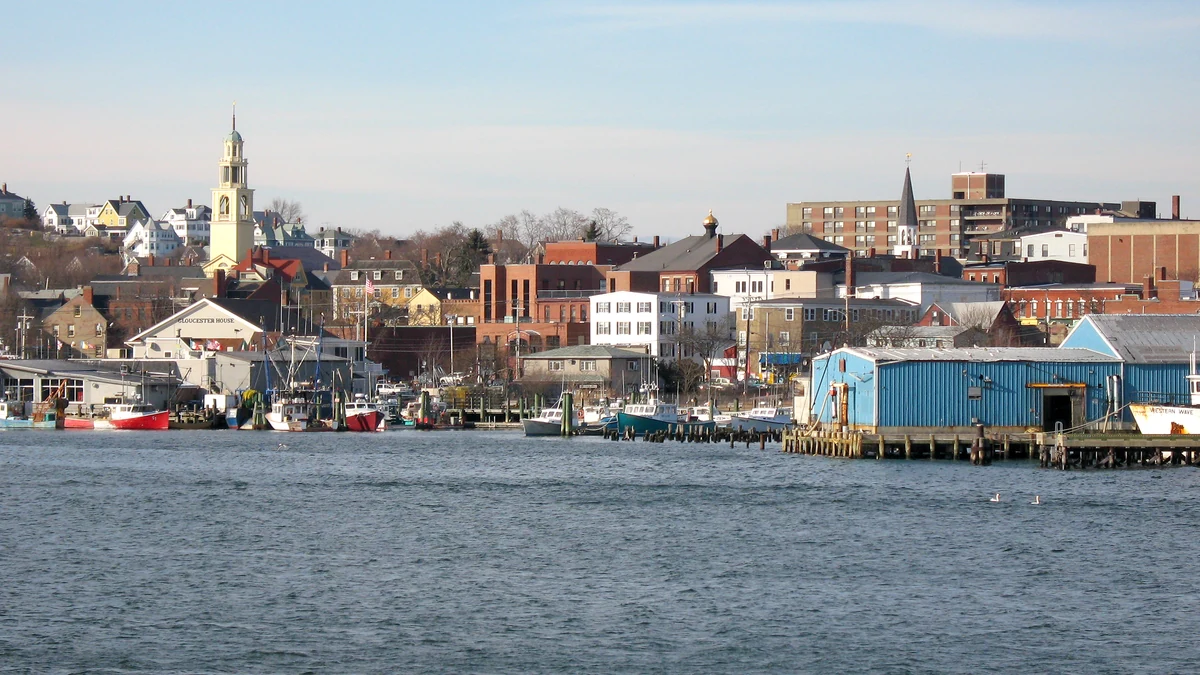
Gloucester cruise port brings passengers into a working Massachusetts harbour whose fishing history, art and coastal setting are the destination. Arrival arrangements can vary by ship: smaller vessels may use a berth while others may tender into the inner harbour. The exact landing matters because Gloucester’s waterfront is spread around coves, wharves and working areas rather than organised as one purpose-built cruise precinct.
A strong first visit stays on Cape Ann. Walk the harbour and memorial waterfront, add the Cape Ann Museum or Maritime Gloucester, or book a whale-watching or harbour trip that fits the ship schedule. Boston may look temptingly close on a regional map, but using a Gloucester call for a long city transfer usually sacrifices the place the ship has actually brought you to.
Gloucester Cruise Port at a Glance
| Port name | Gloucester Cruise Port |
|---|---|
| Main arrival area | Ship-specific berth or tender landing in Gloucester’s inner harbour |
| Cruise region | Alaska / North America / Canada |
| Country / Territory | USA |
| Currency | US dollar (USD) |
| Main languages | English |
| Port role | Small-ship or tender day call, working harbour and Cape Ann gateway |
| Disembarkation | Docked or tendered depending on vessel and call arrangements |
| Walkability | Moderate to high around the central harbour, downtown and memorial waterfront |
| Shuttle required | Not always for the centre; useful if the landing is distant or for Rockport and beaches |
| Main transport | Walking, ship or local tour, taxi, seasonal harbour boat and regional transit |
| Best first-time plan | A working-harbour and museum circuit, or one pre-booked marine activity with waterfront time |
| Main caution | Variable landing points, marine weather and scattered waterfront distances can disrupt an overfilled plan |
Confirm the Landing Before Designing the Walking Route
Gloucester does not have one universal cruise experience. The ship may berth, tender or use a landing associated with its size and harbour instructions. Ask where passengers will come ashore and whether a shuttle is provided. A route that begins well from one wharf may be awkward from another, especially for anyone with limited mobility.
The City of Gloucester links visitors to official destination information. Use it for current orientation, then treat the ship’s daily programme as the source for gangway or tender operations. Photograph the landing and note whether access crosses a working pier. Return procedures can include security or a shuttle even when downtown is visible.
Gloucester Is a Working Harbour, Not a Waterfront Theme Park
Fishing vessels, repair yards, warehouses and marine businesses remain part of the harbour. That working character is the attraction, but it also creates boundaries. Do not enter wharves merely to obtain a better photograph, block loading areas or treat crews as performers. Public waterfront routes and visitor facilities provide enough access without interfering with operations.
The harbour’s shape means views change from one side to another. A short distance by water may require a longer walk around a cove. Build the route using actual streets and public paths rather than drawing straight lines between landmarks. Leave room to stop: boats, weather and light are part of the experience, and Gloucester rewards observation more than speed.
The Fishermen’s Memorial Gives the Waterfront Its Human Story
The Gloucester Fishermen’s Memorial and the waterfront along Stacy Boulevard connect the harbour landscape with the lives lost at sea. This is not simply a photograph stop. Read the inscriptions and allow the setting to explain why fishing remains central to the city’s identity. The route is exposed, so wind and rain can make it feel colder than downtown streets.
From a central landing, the memorial can form one end of a walking circuit, with downtown or museum visits at the other. Passengers who cannot manage the full distance can use a taxi for one leg. Avoid leaving the longest waterfront stretch until the final hour, when a headwind or fatigue can make the return slower than expected.
Cape Ann Museum Adds Art, Industry and Place
The Cape Ann Museum is the strongest indoor anchor for visitors interested in the region’s art, maritime history and communities. Check current opening, exhibitions and building arrangements because hours and access can change. The museum deserves enough time to make connections rather than a rushed dash through a few galleries.
It works particularly well with a harbour walk: see the working waterfront first, then use the collections to understand how artists and residents have interpreted Cape Ann. On a wet day, reverse the order and keep the exposed memorial section for any clearer interval. Passengers with only a short call should choose either the museum or a marine boat trip rather than trying to complete both.
Maritime Gloucester Focuses on the Harbour Environment
Maritime Gloucester offers a different emphasis from the art museum, with marine science, local ecology, vessels and waterfront interpretation. Families may find its hands-on and harbour-focused material easier to connect with the view outside. Current exhibits, vessel access and opening dates should be confirmed before relying on it as the main attraction.
The two museums are complementary but not compulsory as a pair. Choose Cape Ann Museum for a broader art-and-history day; choose Maritime Gloucester when marine life, working water and family engagement are the priority. Adding both can leave little time to experience the harbour itself, especially when the ship uses a tender.
A Harbour Cruise Shows the Geography Better Than a Map
Operators listed through Discover Gloucester’s harbour-tour information can provide a water-level view of lighthouses, fishing infrastructure and the coastline. A harbour tour is less physically demanding than a long walk and helps explain why the city developed around several waterfront areas.
Check departure pier, duration and cruise-ship compatibility. The boat may leave from a different part of the harbour than the ship landing, so walking or taxi time must be included. Marine trips can be cancelled for wind or low demand. Keep a museum and waterfront fallback that does not require chasing a replacement boat across town.
Whale Watching Can Consume Most of the Call
Gloucester is a recognised base for whale-watching trips, but these outings are usually substantial marine excursions rather than short harbour rides. Travel to feeding grounds, wildlife searching and return time make the duration variable. A sighting cannot be guaranteed, and a trip can return later than its minimum advertised length.
Book only a departure explicitly compatible with the ship schedule, preferably through the cruise line or an operator accustomed to cruise passengers. Ask how cancellations and delayed wildlife searches are managed. Bring warm layers even on a sunny day; offshore wind and spray can be much colder than the harbour. Seasickness preparation should be taken before departure, not after the boat reaches open water.
Rockport Is a Separate Excursion, Not a Neighbourhood Stroll
Rockport offers a different Cape Ann atmosphere, with a compact harbour, galleries and coastal views. It requires transport from Gloucester, and the return must be planned. A taxi or organised tour is simpler than relying on a chain of public services during a short call. If Rockport is the priority, give it most of the outing rather than adding it after a full Gloucester walk.
The two towns need not compete. Gloucester provides working-harbour scale and deeper fishing history; Rockport offers a smaller scenic centre. First-time cruise passengers generally gain more by understanding Gloucester well, unless they have a specific interest in Rockport’s art or harbour.
Beaches Depend on Season, Weather and Transport
Cape Ann beaches can appeal on a warm summer call, but they are not a simple extension of downtown. Access, parking, facilities, lifeguard periods and water temperature vary. A beach plan needs confirmed transport both ways, plus a realistic understanding that Atlantic water can feel cold even when the air is warm.
Use a beach as the main leisure choice, not as a brief stop between museums and a boat tour. Carry a change of clothing and protect valuables. On shoulder-season calls, the coast may be more rewarding as scenery than as a swimming destination. Wind can turn an exposed beach into a chilly wait for transport.
Boston Is Usually the Wrong Use of a Gloucester Call
Rail and road links may make Boston appear possible, but door-to-door cruise timing includes reaching the station, waiting, the journey, local transport in Boston and the return to the ship landing. A delay on any leg threatens the call. The result is often a short city visit purchased with several hours of travel.
Choose Boston from a Boston itinerary or a dedicated transfer port. Gloucester and Cape Ann provide enough history, art and coast for a distinctive day. The exception would be a cruise line excursion specifically designed and protected around a very long call, but even then passengers should ask whether the destination is worth missing Gloucester entirely.
Downtown Food and Independent Time Are Easy to Fit
Discover Gloucester’s planning information can help identify current restaurants, shops and seasonal services. Seafood is an obvious choice, but avoid committing to a long meal before a timed boat departure. The central area works best as flexible time around the harbour, museum or tour.
Eat after the most operationally sensitive activity. If a whale trip or harbour cruise runs late, a quick snack can replace lunch; if it returns early, the meal becomes a pleasant extension. Cards are widely useful, while a little cash can help with small purchases or tips. Confirm sales tax and gratuity rather than comparing menu prices alone.
Mobility Varies More Than the Town’s Size Suggests
Central Gloucester is walkable for many passengers, but waterfront distances, kerbs, older surfaces and slopes can accumulate. Working piers may be uneven, and tender boarding adds a separate challenge. Ask whether a shuttle connects the actual landing with downtown before deciding that a walking plan is unsuitable.
Museums can provide a lower-exposure day, while a harbour tour may reduce walking but introduce boat steps and motion. A taxi can connect the memorial, downtown and museum without turning the call into a vehicle tour. Build the route around accessible stops and toilets rather than trying to reproduce a standard walking loop.
Fog, Wind and Sea Conditions Change the Best Choice
Marine weather affects Gloucester directly. Fog can reduce distant views while leaving the working harbour atmospheric. Wind can cancel small boats and make the memorial waterfront uncomfortable. Rain favours museum time, but wet streets and wharves still require secure footwear.
Check conditions before leaving the ship and again before a marine departure. A whale-watching operator’s decision may differ from the tender operation because the boats and routes are different. Do not assume that one cancellation means the whole port day is lost. Gloucester has enough indoor and shore-based content to create a good fallback.
Choose One Maritime Experience and Let the Harbour Connect It
Gloucester’s museums, memorials and boats tell overlapping parts of the same story. The day becomes repetitive when passengers rush through all of them without allowing the working harbour to connect the themes. Choose one main interpreted experience, then use the waterfront to test what you have learned against the vessels, buildings and sea outside.
A museum-led day is more reliable in uncertain weather. A boat-led day gives stronger geography but depends on marine conditions. A walking-led day offers the most flexibility and can absorb either museum if time remains. This simple hierarchy prevents the schedule from being controlled by several separate admission and departure times.
For Families
Families should favour hands-on marine interpretation, a short harbour boat or a deliberately paced waterfront route. A long whale trip can be excellent for children who tolerate boats and waiting, but difficult for those expecting constant sightings. Bring warm layers, snacks permitted by the operator and a plan for seasickness. Check toilet access before boarding.
Do not stretch the walk merely to reach every memorial. Pick one story, give children a role such as boat spotting or sketching the harbour, and use food as a planned pause. Gloucester is easier to enjoy when adults stop treating a family day as a compressed version of an adult museum itinerary.
For Photographers and Returning Visitors
Light and activity change around the harbour, making a slower circuit worthwhile. Use public viewpoints and a moderate lens rather than entering working areas. Early in the call may provide quieter streets; later can bring different vessel movement. Fog is not automatically bad photographic weather because it simplifies backgrounds and emphasises harbour detail.
Returning visitors can justify Rockport, a specialist art visit or a longer marine trip because they have already understood central Gloucester. First-time passengers should resist skipping the city for a famous regional name. The working harbour is the distinctive subject, and it deserves more than the walk between a shuttle and an excursion bus.
Keep a Same-Harbour Fallback
Before boarding any boat, identify one shore-based alternative near its departure pier. If wind cancels the trip, move directly to the museum, memorial or downtown route rather than spending the morning searching for another marine operator. A prepared fallback turns variable coastal weather into a change of emphasis rather than a lost day.
Best Things to Do from Gloucester Cruise Port
Working-harbour walking circuit
Best for: First-time visitors and independent exploration
Plan: Link the landing, downtown and memorial waterfront using public routes
Watch: Variable landing points and longer distances around coves
Cape Ann Museum
Best for: Art, history and a strong wet-weather anchor
Plan: Check current opening and allow meaningful gallery time
Watch: Trying to combine it with every other museum and boat trip
Harbour cruise
Best for: Passengers wanting geography and maritime interpretation
Plan: Book a cruise-compatible departure and confirm the pier
Watch: Wind cancellation and transfer across the harbour
Whale watching
Best for: Wildlife enthusiasts with a long call
Plan: Use a protected or clearly cruise-timed trip and prepare for cold offshore air
Watch: Variable duration, seasickness and no guaranteed sightings
Rockport outing
Best for: Returning visitors or a specific art-and-harbour interest
Plan: Use pre-arranged transport and make it the main excursion
Watch: Treating it as a quick add-on after a full Gloucester day
CruisePing Recommended Port Day
For a first visit, CruisePing would stay in Gloucester and build the day around the working harbour. Walk the public waterfront and Fishermen’s Memorial, then choose Cape Ann Museum or Maritime Gloucester according to interest. Add lunch downtown and return via a different harbour route, keeping the final hour close to the ship landing.
Choose a whale-watching trip only when the call is long and the departure is designed around the vessel. A shorter harbour cruise is a better compromise for many passengers because it explains the city from the water without consuming the entire day. Do not trade Gloucester for a rushed independent journey to Boston.
Weather & Best Time to Visit Gloucester
Use the National Weather Service Gloucester forecast and check marine conditions for boat plans. Rounded seasonal ranges are below.
Summer is warmest, but the harbour and offshore water remain cooler than inland Massachusetts. Spring and autumn can provide clear walking weather with a stronger need for layers. Fog is part of the coastal pattern and may be highly local. Carry a windproof layer even when the downtown forecast looks mild.
| Month / season | Typical high | Typical low | Rain / conditions |
|---|---|---|---|
| May | 17°C | 9°C | Cool, variable with fog and showers |
| June | 22°C | 14°C | Milder; sea breeze and fog possible |
| July–August | 26°C | 18°C | Warmest period; cooler offshore and busy |
| September | 22°C | 14°C | Often pleasant but increasingly changeable |
| October | 16°C | 8°C | Cool, windy and more unsettled |
Practical Questions for a Gloucester Cruise Call
Will the ship dock or tender?
It depends on the vessel and call. Use the ship’s information to confirm the exact landing before planning a walking route.
Can I walk around Gloucester independently?
Yes for central harbour, downtown and the memorial waterfront, but actual distance depends on the landing and the route around the coves.
Is whale watching safe for a cruise day?
Only when the departure and variable return fit the call with a strong buffer. Ship-protected or cruise-experienced operators are preferable.
Should I go to Boston?
Usually no. The transfer chain consumes too much of a normal call and Gloucester offers a distinctive day in its own right.
Useful Official Links
- City of Gloucester visitor information
- Discover Gloucester
- Plan a Gloucester visit
- Cape Ann Museum
- Cape Ann harbour tours
- National Weather Service forecast
CruisePing Port Verdict
Gloucester is most rewarding when passengers treat the working harbour as the destination rather than a transport point. Its memorials, museums, boats and public waterfront create a coherent Cape Ann day.
Confirm the landing, choose one substantial marine or museum experience, and keep the route local. The port’s variable geography and weather make flexibility valuable, while a rushed Boston transfer throws away the very character that makes the call distinctive.
Ready to browse our article library?
Explore more ports in the Alaska / North America / Canada region, narrow the library to USA cruise ports, or return to the main CruisePing article library.