
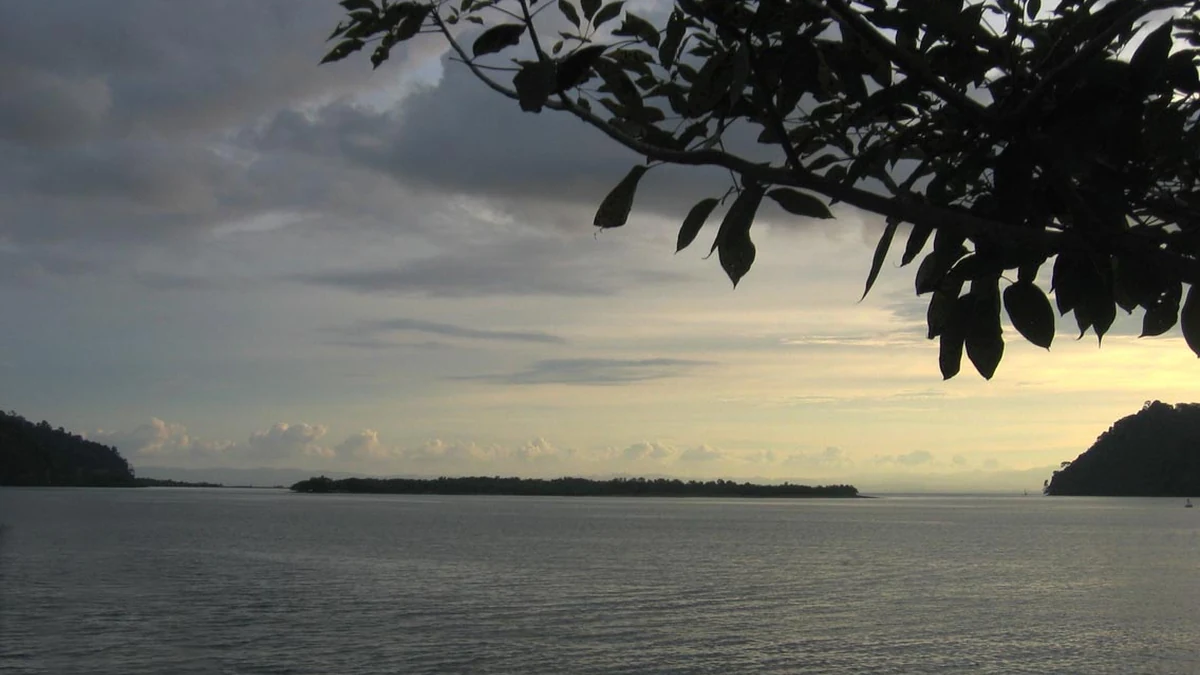
Golfito cruise port sits inside the sheltered Golfo Dulce beside rainforest-covered hills. The town is small and historically important, but the reason to organise the day is nature: mangroves, dolphins, tropical forest and the biological corridor around Piedras Blancas.
For a first visit, take one cruise-aware nature excursion. A Golfo Dulce wildlife boat paired with a garden or short forest experience offers the best balance. Do not attempt Corcovado independently and do not spend the call shopping at the duty-free zone unless shopping is genuinely the purpose.
Golfito Cruise Port at a Glance
| Port name | Golfito |
|---|---|
| Main arrival area | INCOP Terminal Golfito on the sheltered bay |
| Cruise region | Mexico / Central America / Panama Canal |
| Country / Territory | Costa Rica |
| Currency | Costa Rican colón (CRC); US dollars often accepted |
| Languages | Spanish; English used by many guides |
| Port role | Day Call |
| Disembarkation | Docked when assigned; ship-specific anchorage handling possible |
| Walkability | Limited for headline sights |
| Shuttle required | No general shuttle should be assumed |
| Main transport | Ship excursion, nature boat, pre-booked guide vehicle and taxi |
| Best first-time plan | Organised Golfo Dulce wildlife or mangrove boat with one focused forest or garden stop |
| Main caution | Remote roads, heavy rain, small boats and wildlife timing require a protected return |
The arrival is at a working port
INCOP states that Terminal Golfito handles cruise vessels as well as commercial and naval traffic. Berth or anchorage arrangements depend on vessel size and the day’s operation.
Follow port instructions before arranging a private pickup. A guide waiting at the wrong gate or marina can lose the very early start that makes a nature day worthwhile.
Passengers should not assume that every section of the waterfront is open for wandering. Follow the marked route through the terminal and note where independent operators are allowed to collect; a marina or town pier may not be the same place as the ship berth.
If the vessel anchors rather than berths, the ship’s tender point changes the beginning of every excursion. Confirm this before accepting a pickup arranged around a road-side terminal meeting.
Golfito is sheltered but operationally remote
The bay is protected by forested land, yet the wider region has long rural roads, boat-only sites and intense tropical weather.
Do not interpret calm water beside the ship as proof that every excursion will operate. Rain upriver, trail access and offshore conditions can change independently.
DIY or organised tour? Organise the nature day
The best experiences require a naturalist, boat, trail access or a vehicle that understands the ship return. That is where an organised excursion earns its price.
DIY is suitable only for a modest town and waterfront day. It should be chosen deliberately by passengers who prefer low exertion or face a late arrival, not presented as equivalent to Golfo Dulce wildlife.
A Golfo Dulce wildlife boat is the first choice
The sheltered gulf can support dolphin watching, seabirds, forested coastline and mangrove or estuary interpretation. A local naturalist can explain why the gulf is ecologically unusual.
Choose an excursion that values habitat and search time rather than promising guaranteed dolphins or whales. The boat should carry shade, flotation, communication and a clear return to the correct port.
Costa Rica’s official South Pacific activities guide places wildlife, boating and rainforest experiences at the centre of the region. Choose an operator whose route fits the ship rather than the longest excursion list.
Ask how much of the trip is spent searching open water, entering mangrove channels or travelling to a garden. A balanced itinerary should still feel worthwhile when cetaceans are absent because the gulf, birds and forest edge carry the experience.
The skipper should approach wildlife slowly and avoid surrounding a group with several boats. A naturalist who explains behaviour and habitat is more valuable than an operator advertising the highest number of sightings.
Dolphins are possible, not scheduled
Bottlenose and spotted dolphins may be encountered, but behaviour, tide and prey determine sightings.
Reject operators that chase groups aggressively or crowd animals. A responsible trip remains worthwhile through coastline, birds and natural history even when dolphins stay distant.
Whale season should not dominate every itinerary
Humpback whales use Costa Rica’s Pacific waters seasonally, with different populations contributing to a broad annual presence. Sightings in Golfo Dulce still vary by date and conditions.
Book a whale-focused trip only when the operator confirms the local season and recent activity. Do not let an uncertain whale search replace a richer mixed-wildlife route.
Mangroves add more than scenery
Mangrove channels reveal nurseries, tidal ecology, birds and the link between rainforest and gulf. They are strongest with a guide who can identify species and explain water movement.
Small channels also make boat handling and tide important. Use an authorised operator and remain seated when the skipper requests it.
Tide determines which channels can be entered and how close the boat can approach roots, mudbanks and bird habitat. The operator should alter the sequence rather than forcing a fixed route at the wrong water level.
Bring binoculars and keep movement quiet. Mangrove wildlife often appears as brief, distant activity rather than a close display, and patient observation produces the better visit.
Casa Orquídeas can pair well with a boat
A private tropical garden reached by water has traditionally been included in Golfito excursions, combining cultivated plants, birds and a quieter shore stop.
Confirm that it is operating for the sailing and that permission is arranged. It should complement the gulf trip rather than become an uncertain independent boat destination.
A garden visit is useful because it provides a land break, shade and detailed plant interpretation after time on the gulf. It is less suitable when the boat transfer, permission or current operating status has not been confirmed.
Ask whether the landing is dry or requires a wet step, how long visitors walk and whether toilets and drinking water are available. The garden should not be described as an effortless stop without those details.
Piedras Blancas is the serious rainforest alternative
Costa Rica’s official tourism site describes Piedras Blancas National Park as part of a biological corridor with trails and natural viewpoints.
Choose a guided park or La Gamba route when forest walking is the main priority. Access can involve rural roads, four-wheel-drive conditions and river issues in wet weather, so ship protection matters.
The attraction is immersion in a biologically rich forest corridor, not a guarantee of seeing a sloth, monkey or cat. A naturalist should interpret plants, tracks, insects and sound when larger animals remain hidden.
Road and trail conditions vary sharply after rain. A ship excursion can shorten or substitute the walk without leaving passengers responsible for a distant vehicle and final port return.
A forest walk should state its difficulty
Tour names such as rainforest discovery can conceal very different gradients, mud, bridge surfaces and durations.
Ask for distance, elevation, toilet access and the amount of time actually spent walking. A shorter naturalist-led trail is often better than a rushed drive to a more famous park.
Request the walking distance in kilometres or minutes, expected elevation, surface, number of stream crossings and whether the vehicle remains nearby. Words such as easy and moderate are too vague for tropical mud and heat.
Use closed footwear and carry less than on a normal city day. A wet camera bag, umbrella and unnecessary shopping can make balance worse on roots and bridges.
Golfito National Wildlife Refuge is close but not casual
Official tourism guidance describes the Golfito National Wildlife Refuge and its biodiversity near the town.
Trails should be used with current access information and preferably a local guide. Heat, snakes, mud and route finding make it a poor spontaneous walk from the port gate.
Do not attempt Corcovado independently
Corcovado is internationally famous, but meaningful access from Golfito involves long boat or road chains and regulated park arrangements.
Use only a ship excursion specifically designed for the call. For most passengers, Piedras Blancas or a Golfo Dulce boat provides more nature time and less transfer risk.
The park’s reputation can tempt passengers to book any excursion using its name, even when the actual time inside the protected area is brief. Ask for the entry sector, transport chain and permitted guide before comparing prices.
For a cruise call, a closer Piedras Blancas walk or Golfo Dulce boat often gives more interpretation per hour. Corcovado belongs on the itinerary only when the ship has built the day around it.
La Gamba can provide community and forest context
The La Gamba area near Piedras Blancas can combine rural landscape, conservation and local guiding.
Choose a tour that explains who benefits and how the activity connects with conservation. A series of roadside souvenir stops is not a substitute for community-based interpretation.
A strong visit explains agriculture, conservation pressure and how local livelihoods interact with the forest. It should not reduce the community to a craft stop between wildlife searches.
Ask who leads the activity and where fees go. Smaller community-guided groups may provide more depth than a coach that arrives only for refreshments and photographs.
A botanical or cacao experience can soften the physical day
A farm, garden or food-focused stop can add tropical plants and local products without a long trail.
This works well for mixed-mobility groups when paired with a short gulf cruise. Confirm shade, walking surfaces and whether sales dominate the visit.
Town history deserves one short look
Golfito grew around the banana industry, and the port landscape still reflects the former company town and railway era.
A guide can point out historic layout and buildings during the transfer. We would not buy a full excursion solely for a town drive, but the context strengthens a nature day.
Golfito’s planned neighbourhoods, port and former banana-company infrastructure help explain why a substantial town sits beside such dense forest. A guide can add this context while travelling to the main excursion.
Do not spend the entire call on a slow town panorama. Use the history to strengthen the nature day, or follow a compact waterfront and heritage route when weather cancels boats and trails.
The duty-free zone is not the first-time priority
The Depósito Libre attracts regional shoppers, yet shopping logistics, entry rules and product collection can consume a cruise call.
Use it only for a specific planned purchase and verify visitor access. Rainforest and gulf experiences are far more distinctive for a first visit.
Entry and purchasing arrangements are designed for a specific regional shopping system rather than casual cruise browsing. Visitors may face registration, product rules and collection procedures that do not fit a short call.
Choose it only after confirming access and a particular purchase. The gulf and rainforest are internationally distinctive; shopping is not.
A taxi is useful for a viewpoint or short town route
Local taxis can connect the port with town areas, a viewpoint or the duty-free zone when operating arrangements permit.
Agree the fare and return, carry the port name in Spanish and avoid asking a taxi driver to improvise a remote rainforest excursion.
Sports fishing is specialist, not the default
Golfito is known among anglers, but a fishing charter requires equipment, licensing, offshore time and a clear catch-and-release approach.
Choose it only when fishing is the main personal interest and the charter is cruise-aware. It should replace every other excursion, not be added to a wildlife day.
Confirm target species, offshore range, tackle, licensing, catch policy and whether the charter carries shade and a toilet. A half-day label can still mean several hours exposed on open water.
The captain must understand the ship rather than merely the marina. Fishing success cannot justify returning after the agreed port time, and the charter should finish early enough to clean up and travel back through terminal control.
Small-boat quality matters
Ask about vessel size, shade, toilet, flotation, radio or phone coverage and boarding height. A calm gulf can still produce rain, chop and slippery decks.
Passengers with back, knee or balance concerns should choose a more stable craft or a land tour. The word scenic does not guarantee an easy transfer.
Ask where the excursion ends as well as where it begins. Some operators use a marina, beach or garden landing away from Terminal Golfito, creating a final vehicle leg that may not appear in the headline duration. A complete cruise-safe booking includes that transfer, equipment return and port entry. It should also explain the weather fallback before payment, so passengers are not negotiating alternatives after the ship has already arrived.
Heavy rain changes roads and rivers
The official IMN regional forecast routinely distinguishes the southern Pacific, where intense afternoon rain and thunderstorms are common.
Operators may shorten trails or substitute a boat route. Accept safety-led changes and keep a town fallback rather than pressuring the guide into a flooded crossing.
A forest tour can be cancelled while a sheltered gulf cruise remains possible, or vice versa. The best operator offers a sensible local substitution rather than insisting that every advertised component will operate.
Lightning deserves particular caution on boats and exposed trails. Follow the guide’s decision even when the ship is visible under brighter sky elsewhere in the gulf.
Start early and keep the middle of the day flexible
Wildlife activity, heat and tropical rain often favour an early departure. The port’s remote setting makes a late start harder to recover.
Use lunch or a garden stop around the hottest or wettest period. A coherent sequence reduces both physical strain and weather exposure.
Food should be included or pre-planned
Remote excursions may not pass a restaurant at a useful time. A tour should state whether water, fruit or lunch is provided.
Carry essential dietary snacks and tell the operator about allergies in advance. Do not rely on finding a quick meal after a delayed forest return.
Cash and card expectations vary
Larger providers may accept cards or advance payment, while small local services may prefer colones or US dollars.
Carry modest notes and confirm what is included. Avoid paying a large cash deposit at the port to an operator who cannot show the booking and return plan.
Accessibility requires a full-chain assessment
Port access, vehicle height, boat boarding, rainforest surfaces and toilets all differ.
Ask the operator to describe every transfer. A scenic gulf boat or town drive may suit one passenger, while another is better with a vehicle-based garden and viewpoint route.
A passenger may manage a vehicle and garden but not a low boat, wet landing or rainforest bridge. Ask about the highest step, seat support, walking distance and toilet access separately.
A private vehicle route around Golfito, a stable scenic boat and a garden can often be combined for mixed mobility. The operator must describe adaptations rather than simply marking the excursion accessible.
A late arrival should remain near Golfito
If port clearance is delayed, drop Piedras Blancas and any remote park ambition immediately.
Choose a short gulf cruise, town history, waterfront and perhaps a nearby refuge or garden through a confirmed provider. The region still has value without a long road.
The best reduced plan may be a short gulf boat, a confirmed botanical stop and town history. It keeps the day recognisably local while removing the most fragile rural roads.
Do not allow an operator to preserve the original distant itinerary by reducing every stop. Less travel and deeper interpretation is the safer and better answer.
What to skip in Golfito
Skip independent Corcovado, a vague rainforest tour with no trail detail, a wildlife operator guaranteeing animals and a duty-free shopping day by default.
Also skip trying to combine a long forest walk, dolphin boat and sports fishing. One natural theme with depth is enough.
Skip any excursion that cannot name its guide, boat, trail or final terminal transfer. Vague promises are especially risky where rain and rural access can alter the day.
Return to Terminal Golfito early
A boat reaching a marina or a vehicle entering Golfito has not completed the ship return. Port gate procedures and the walk to the vessel remain.
Finish the last remote activity with a large margin and use any spare time around the waterfront. Rain can slow the final kilometres quickly.
Boat operators may finish at a marina or small pier rather than the cruise terminal. Confirm the final road transfer before departure and keep the terminal name available in Spanish.
Use an early return for a drink or waterfront view inside the permitted area. Tropical rain and port procedures can consume a buffer quickly, but they cannot recover a schedule that never included one.
The final margin also allows for wet clothing, equipment return and a slower port-security process after several excursion groups arrive together.
That cushion is part of the excursion, not unused time.
CruisePing Recommended Port Day
Book a morning Golfo Dulce wildlife and mangrove boat with a strong naturalist, ideally paired with Casa Orquídeas, a botanical stop or a short interpreted forest component. This provides water, wildlife and tropical landscape without a fragile full-day road chain.
Choose Piedras Blancas only when rainforest walking is the headline and the excursion is protected by the ship. If arrival is late, stay close to Golfito rather than forcing Corcovado or a remote trail. The duty-free zone is a niche shopping option, not the port’s best first impression.
Weather & Best Time to Visit Golfito
| Month / season | Typical high | Typical low | Rain / conditions |
|---|---|---|---|
| December–April | 32°C | 23°C | Relatively drier, though showers remain possible |
| May–August | 31°C | 23°C | Wet season with frequent heavy afternoon rain |
| September–November | 30°C | 23°C | Very wet; thunderstorms, swollen rivers and road delays possible |
| Year-round gulf | Warm | Warm | Humidity and sudden rain affect boats and trails |
Golfito is one of Costa Rica’s wettest areas. Rain can affect roads and trails even when the sheltered gulf remains usable. Check the current official forecast before finalising the day.
Frequently Asked Questions
Do cruise ships dock in Golfito?
INCOP operates a terminal able to receive cruise ships, although handling remains vessel-specific and anchorage is possible.
What is the best first-time excursion?
A Golfo Dulce wildlife or mangrove boat paired with one garden or short forest experience.
Can you visit Corcovado?
Only through a ship-protected excursion designed for the call; do not attempt it independently.
Is Golfito walkable?
Only for a modest waterfront and town day. The headline nature sites require transport.
When is the rainy season?
Rain is common year-round, with the wettest conditions generally from May through November.
Useful Official Links
- INCOP Terminal Golfito
- Visit Costa Rica: Piedras Blancas
- Visit Costa Rica: Golfito Wildlife Refuge
- South Pacific activities
- IMN regional forecast
CruisePing Port Verdict
Golfito is an organised nature port. A well-run Golfo Dulce boat with one focused forest, garden or mangrove component reveals far more than an unstructured walk through town.
Use ship protection for Piedras Blancas or any remote route, and skip independent Corcovado. The best day chooses one ecosystem and gives it time rather than stacking wildlife promises across roads and small boats.
Ready to browse our article library?
Looking beyond Golfito? Explore more ports in the Mexico / Central America / Panama Canal region, or narrow it to Costa Rica in particular. For cruise comparisons, planning shortcuts and value guides, head over to our main article archive.